STOP WAR



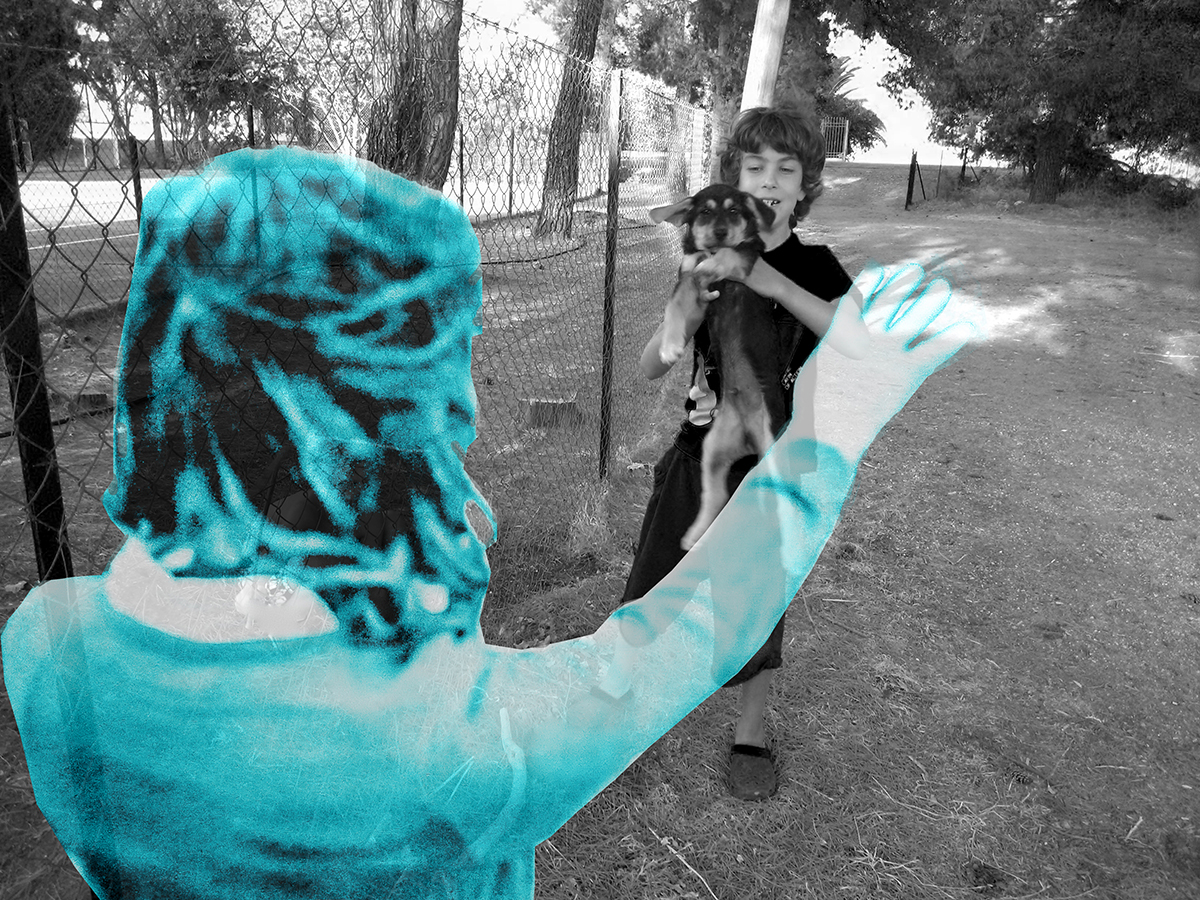
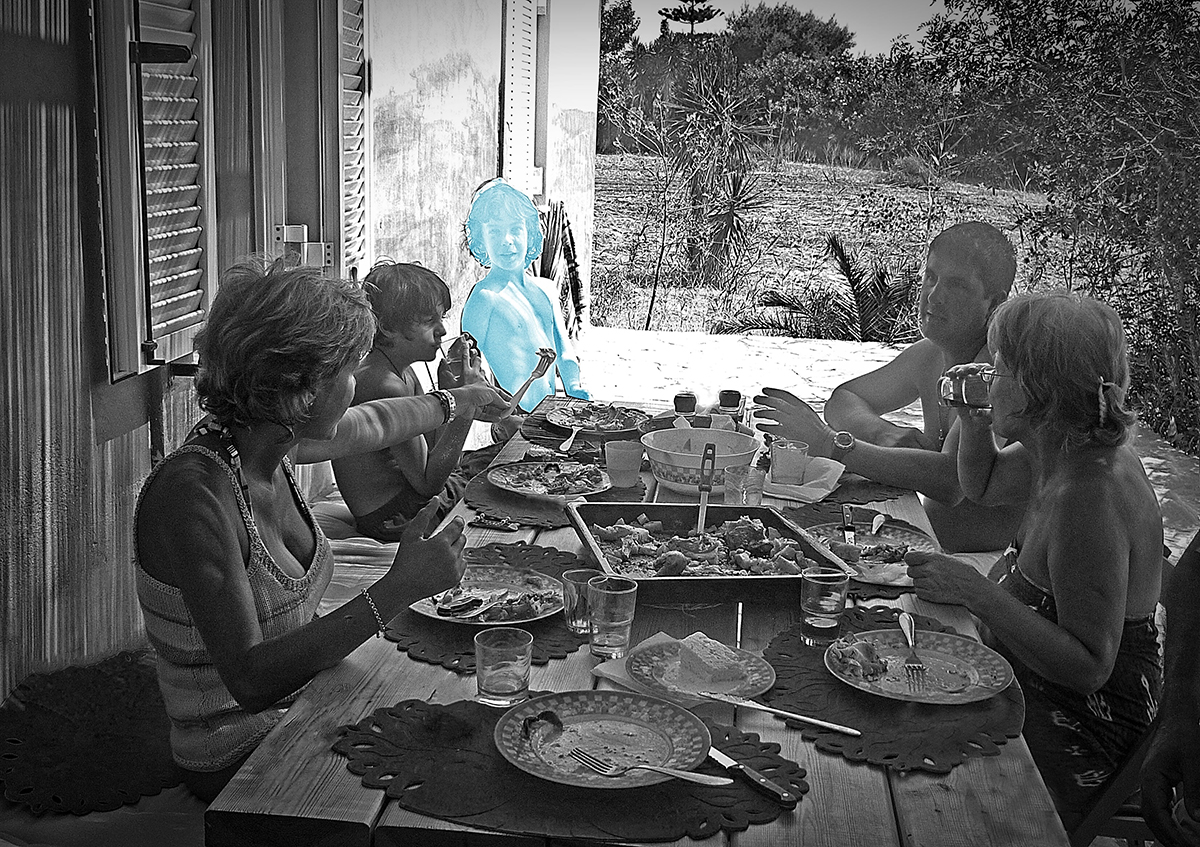
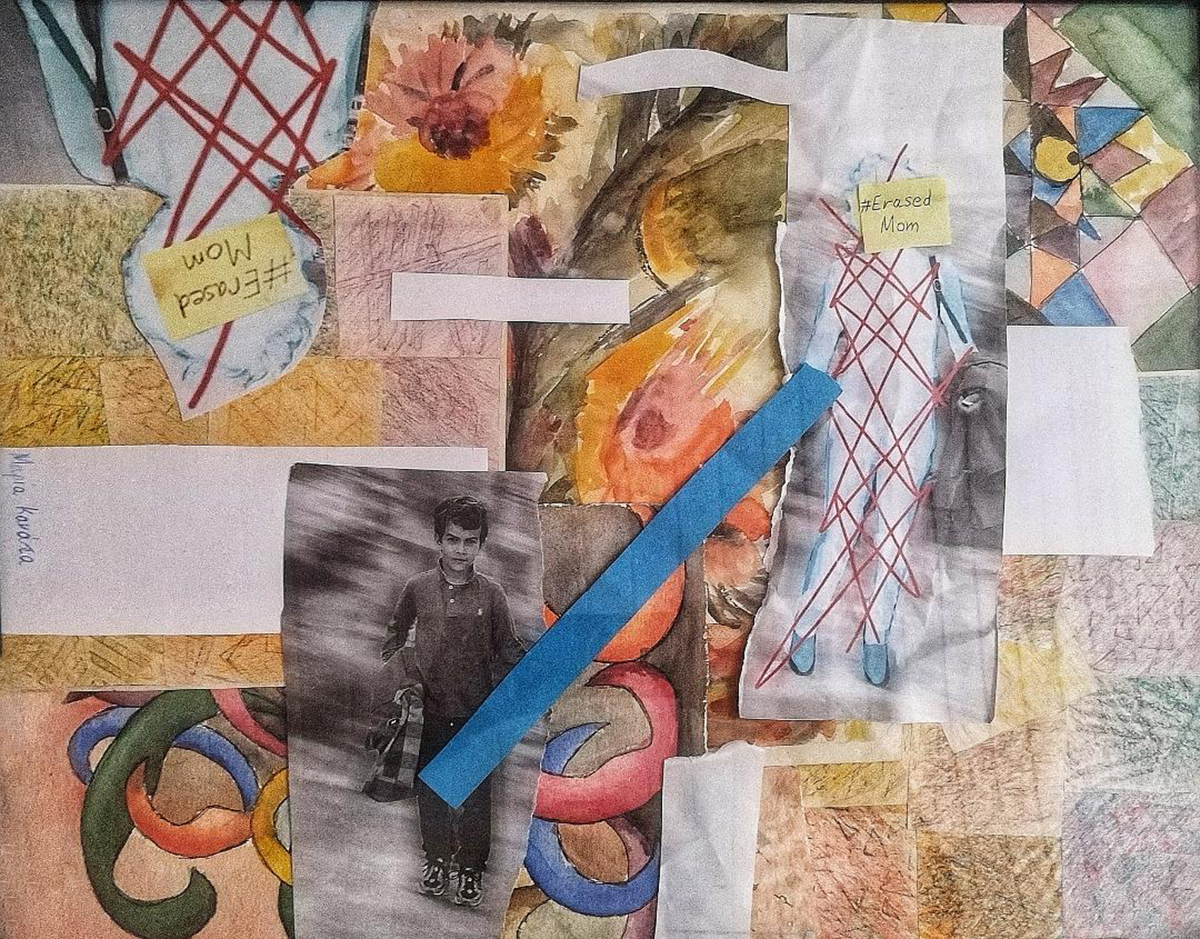
Using photographs processed through mixed techniques, I seek to convey the profound sense of loss that defines the experience of parental alienation.
Parental alienation—and particularly Parental Alienation Syndrome—has been observed for several decades in Western societies and, more recently, in Greece, especially during, but not exclusively, child custody disputes following divorce or separation.
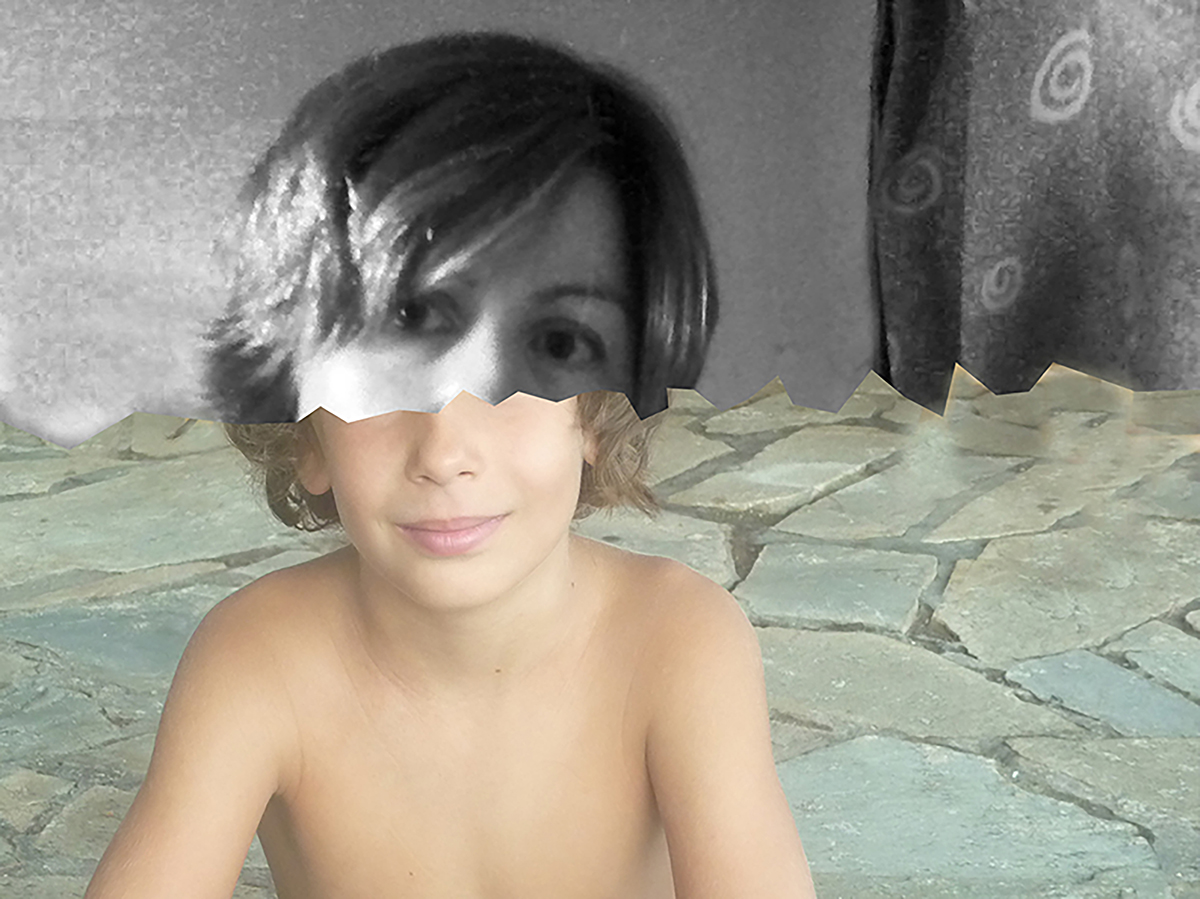
Research has shown that parental alienation constitutes a form of emotional child abuse with serious psychological consequences for the children who experience it, often extending well into adulthood. It typically occurs when a child rejects or refuses contact with one parent, particularly in situations where that parent’s access to the child is deliberately obstructed. The custodial parent may actively alienate the child from the non-custodial parent, a practice that is unfortunately far from uncommon and one that can have devastating consequences for the child’s emotional development.
It is essential that judges, social workers, and other professionals involved in family disputes recognize the existence of parental alienation and understand its mechanisms. Decisions concerning custody, parenting time, and visitation should be made objectively and without prejudice, taking into account the possibility that a child’s rejection of a parent may result from manipulation rather than genuine choice.
Parental alienation is not gender-specific. It may be perpetrated by either mothers or fathers. Research estimates that it occurs in approximately 20–25% of contested custody and visitation cases.
Having personally experienced the pain, trauma, and emotional consequences of parental alienation, I chose, as a photographic artist, to approach this subject through the expressive language of visual art, employing different techniques of image manipulation and composition.
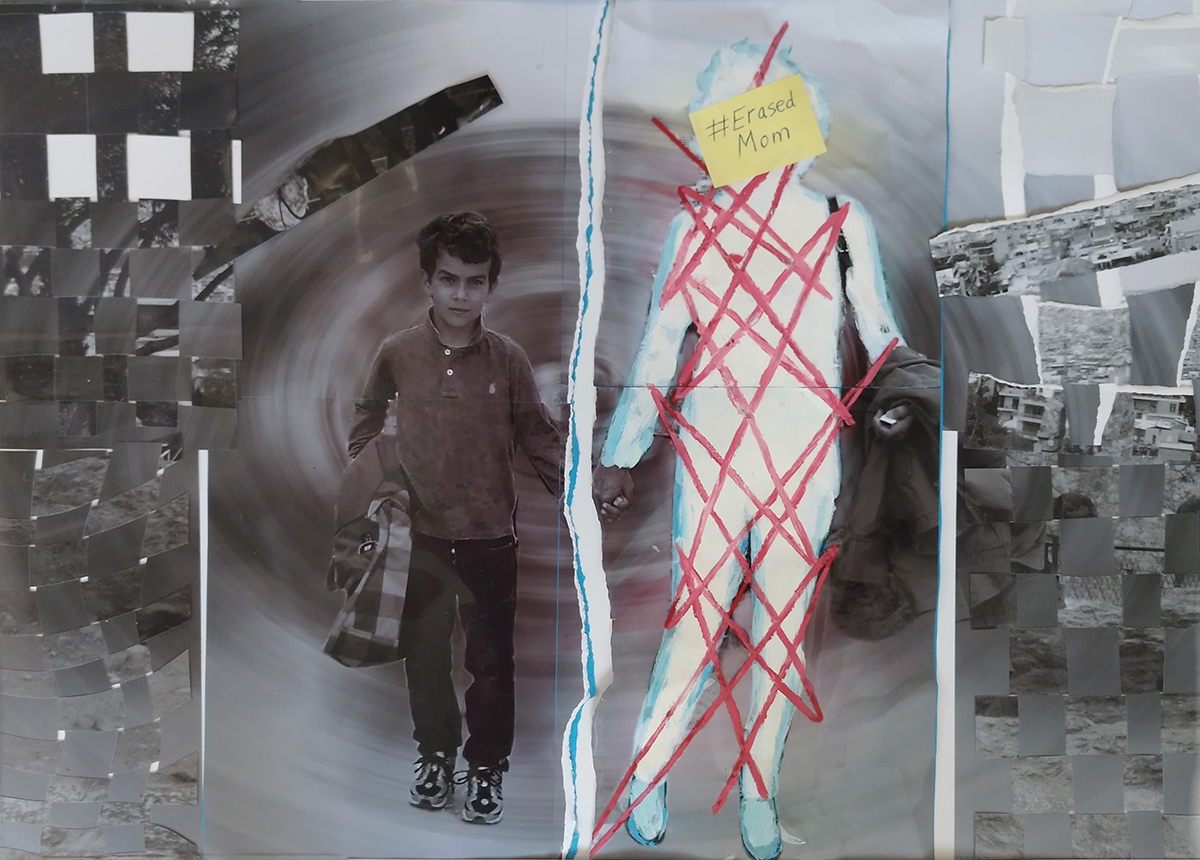
Artists have a responsibility to engage with the social issues of their time. That, ultimately, is part of their role.
I hope this work succeeds in approaching such a complex and deeply painful subject with honesty and sensitivity. Alongside these photographs, I also present testimonies from people who have lived through parental alienation.
“I only wish something would change. I’ve been divorced for ten years. My daughter is my life, my heart, the air in my lungs, the blood in my veins. My life found meaning the day she was born. I rocked her to sleep, prepared her milk, sang to her, held her in my arms… Things didn’t work out with her mother. I lost my daughter overnight. I wasn’t allowed to see her, even after a prosecutor ordered that I should. There was psychological warfare—my child was mentaly poisoned against me until she no longer wanted to see me. I cried more than I have ever cried in my life. There are no words to describe that pain.”
“I have been living a nightmare. For ten years I haven’t seen my three children. No matter how hard I try, I cannot reach them. They have been so deeply manipulated that they make no effort to contact me. Their grandmother and I continue to suffer, waiting for the day they turn eighteen.”
When a couple separates, it does not mean that a child should lose one of their parents. In many modern societies, parental conflict is addressed through parenting plans that promote shared parenting responsibilities. Where parents cannot reach agreement, mediators and family courts intervene.
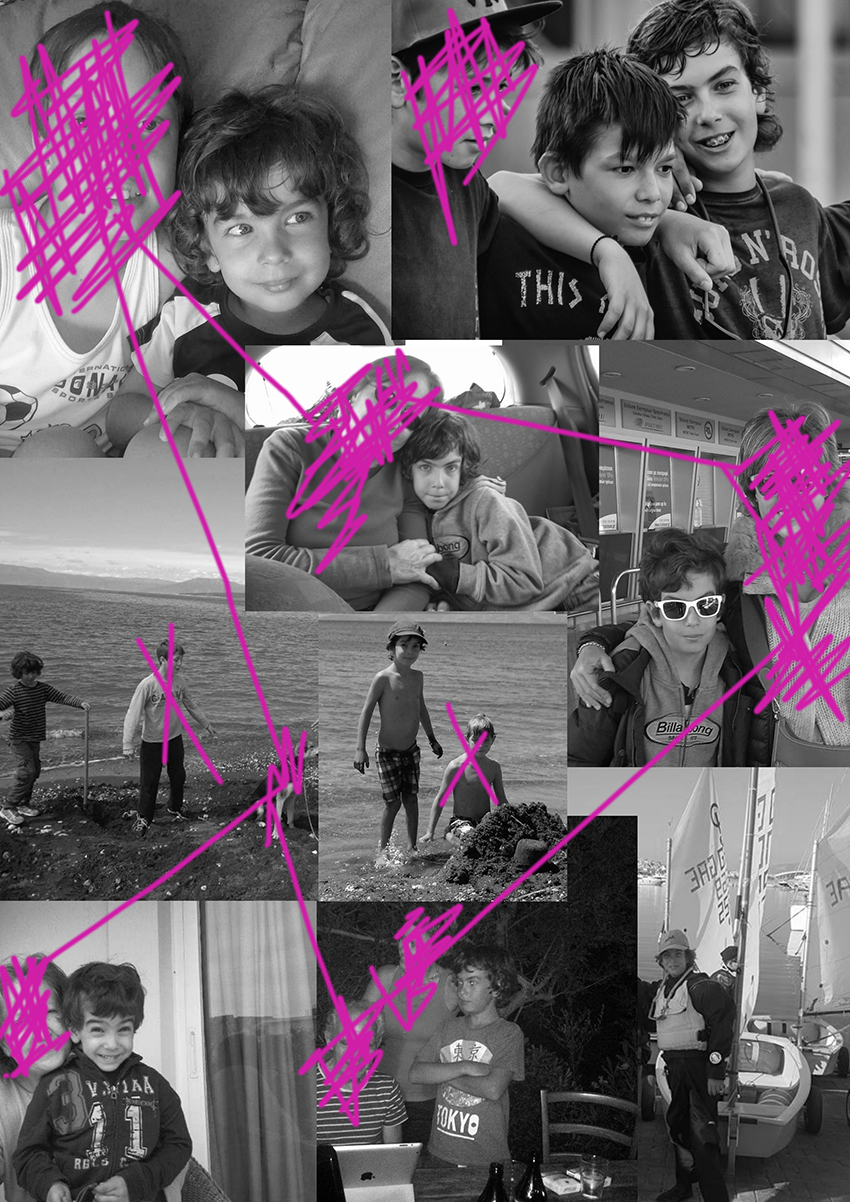
Unfortunately, Greece still lacks specialized Family Courts, and judicial decisions often favour sole custody, a practice that may unintentionally reinforce parental alienation.
We are both parents. The love of a parent and the right to share in raising a child should never be questioned or negotiated. They belong equally to both parents.
No child thrives without the love, presence, and active participation of both parents.
Children must never become instruments of manipulation, negotiation, or revenge. We may cease to be partners, but we remain parents forever. Every child is created by two parents, neither of whom is inherently more important than the other.
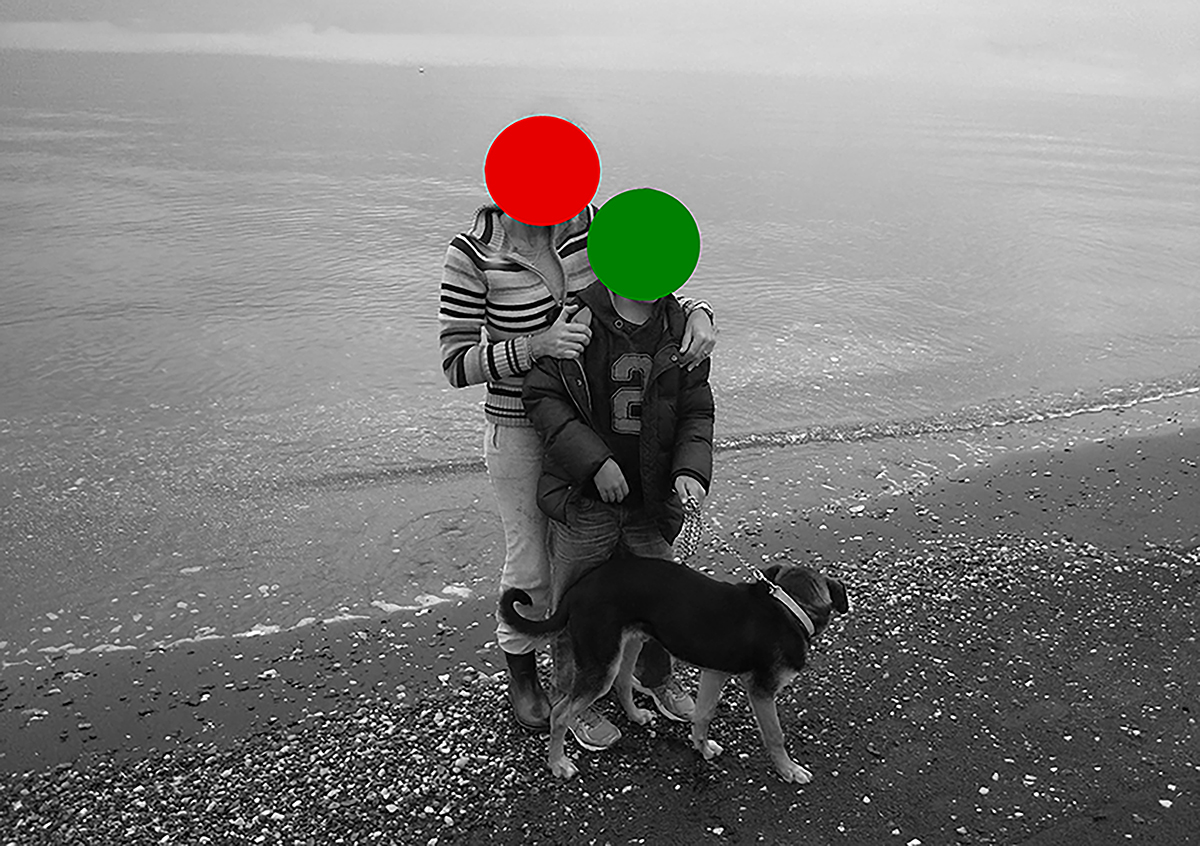
The consequences of parental alienation extend far beyond the relationship between parent and child. They affect grandparents, uncles, aunts, cousins, and the wider family, severing bonds that are essential to a child’s sense of identity and belonging.
Human relationships are nurtured through everyday acts of care—from the first embrace of the morning to the last goodnight kiss. That is why the discussion about shared parenting matters. It is about the right of both parents to feed, comfort, care for, and put their child to bed.
Every child deserves two parents—not one parent and one visitor.