STOP WAR



Usually, when we want to capture a person’s expression or thoughts, or portray them, we focus on the face or the full figure—but always in a way that highlights the face—or on certain other elements like the hands, which are considered expressive and capable of serving, as my friend Giuliano Bertazzoni so skillfully describes and photographs on these very pages, as “a mirror of the soul.”
But human beings are made up of many other parts—perhaps not as noble or eloquent as those I mentioned earlier, but still worthy of the photographer’s attention—such as the legs (I published a short piece on them right here a few months ago), or the feet, buttocks, or elbows.
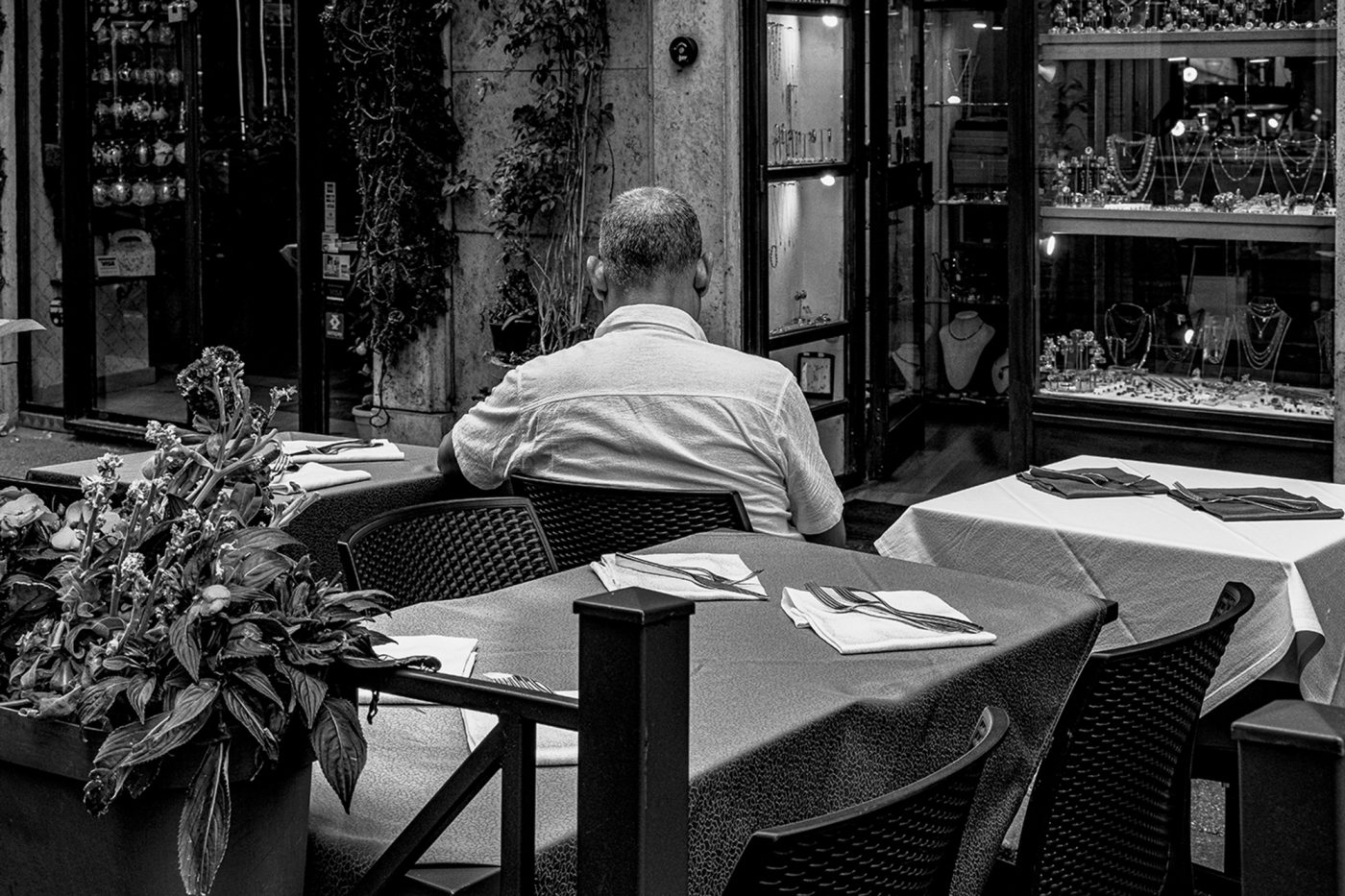
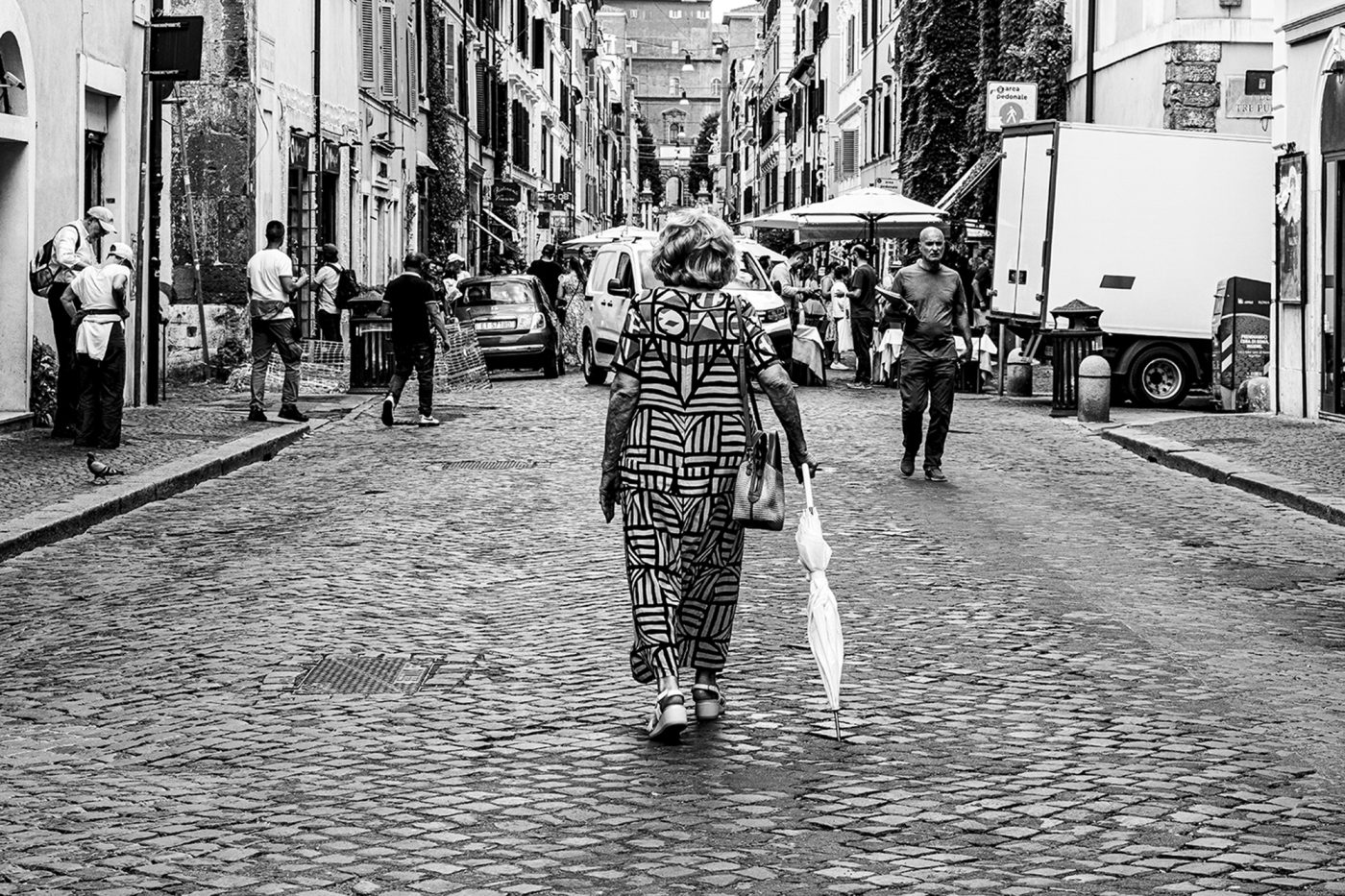
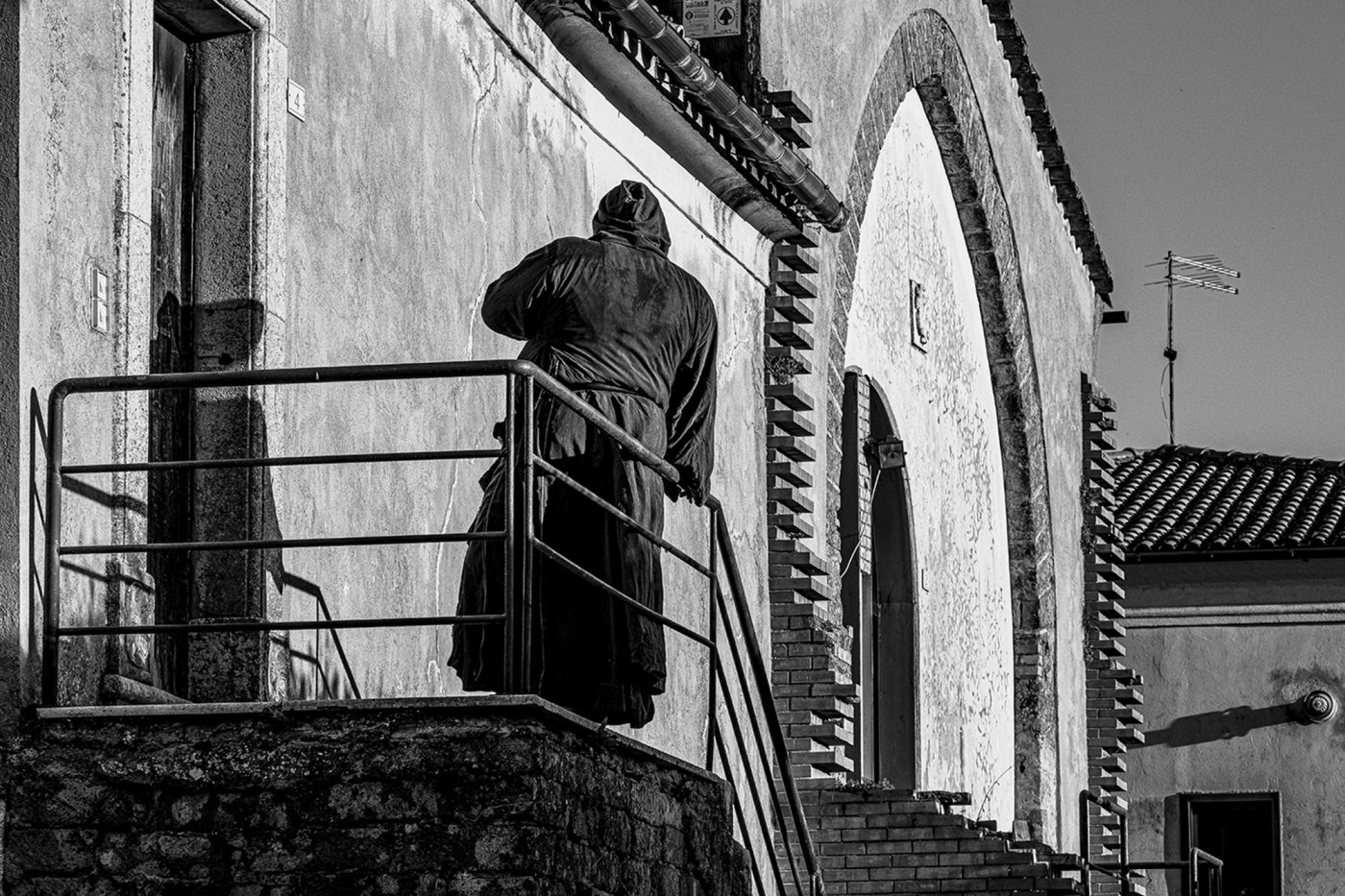
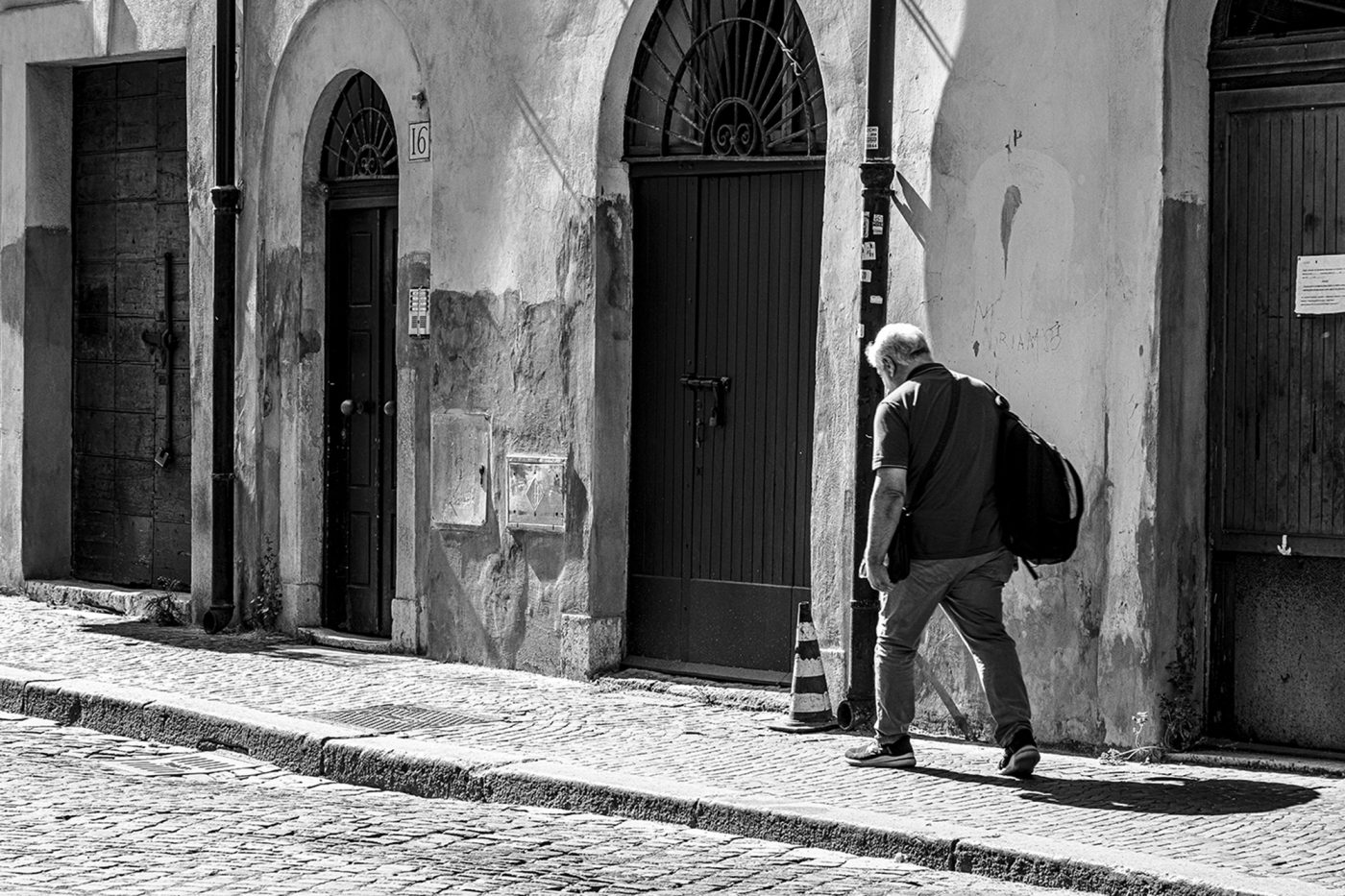
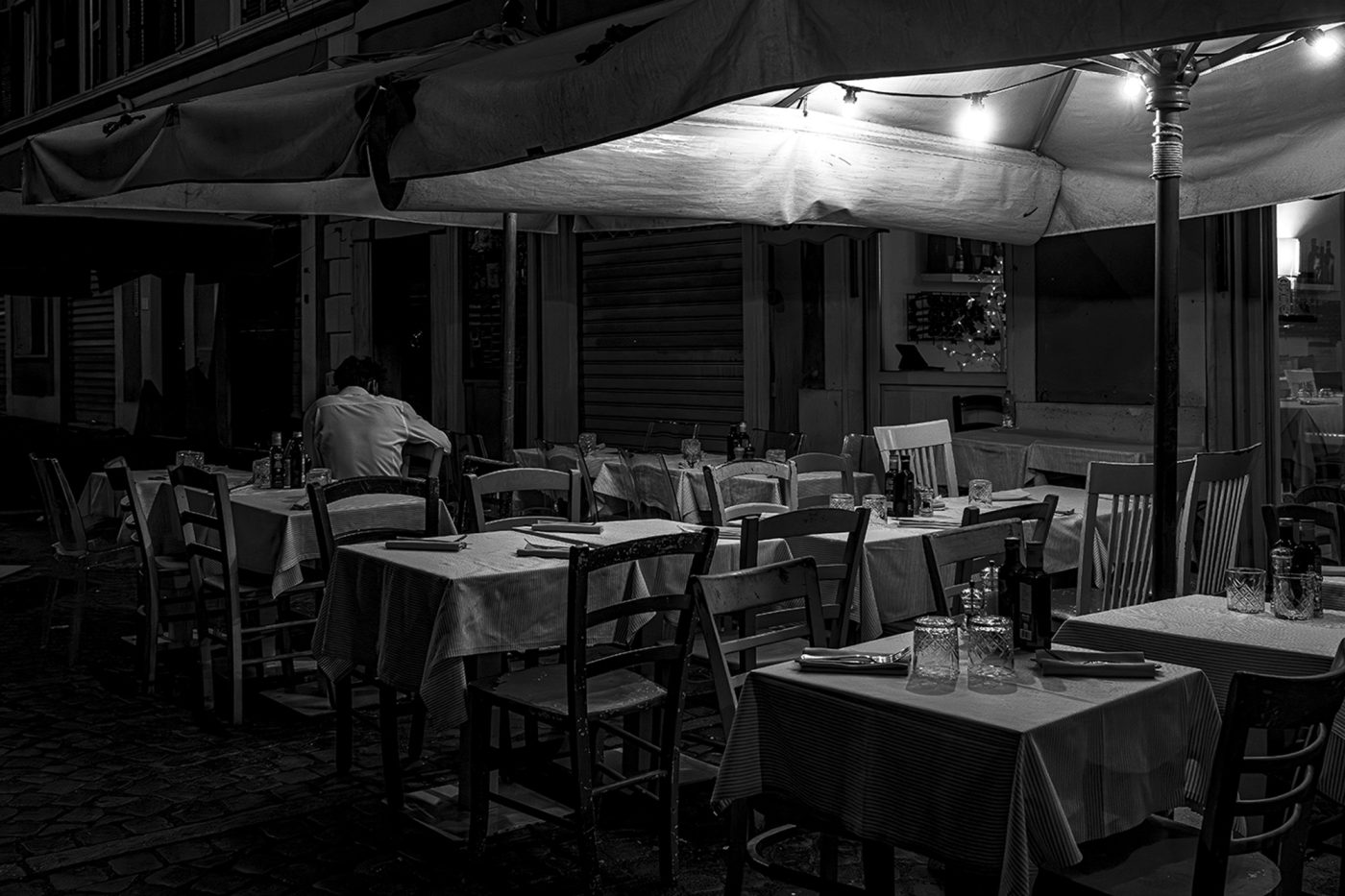
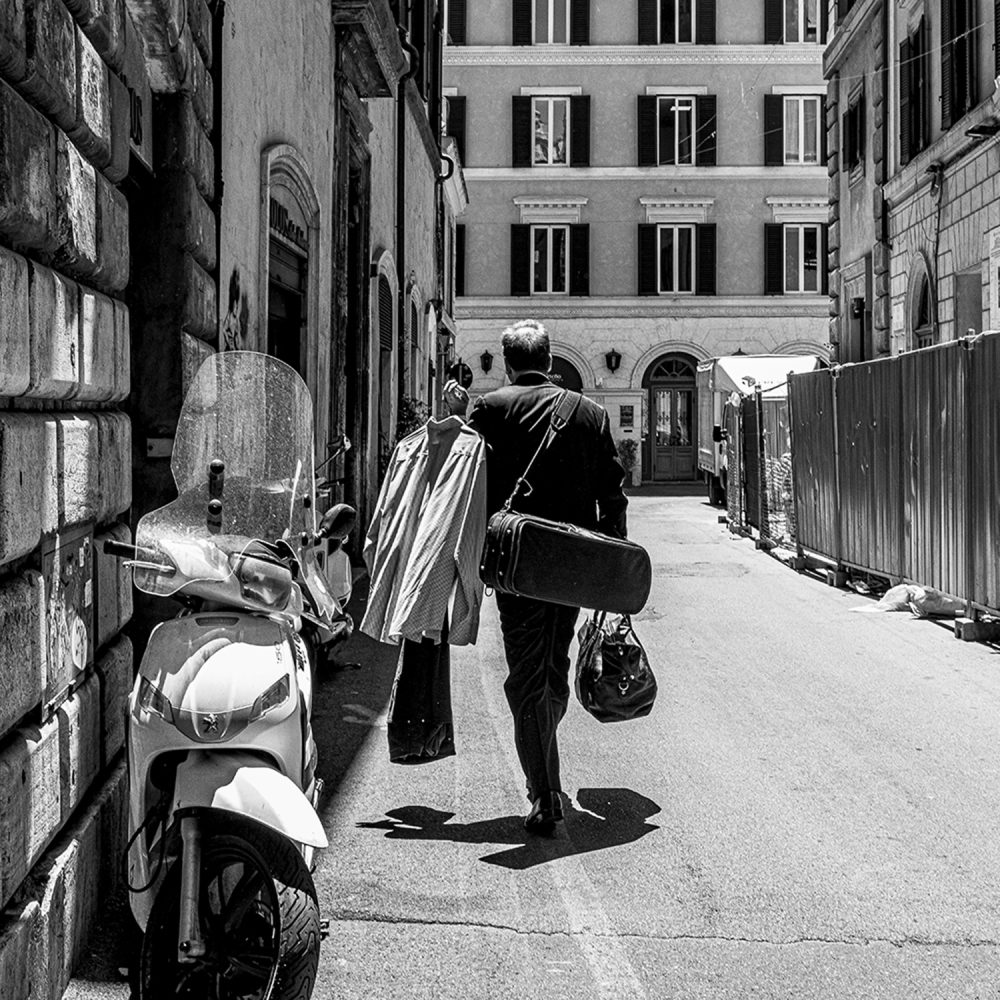
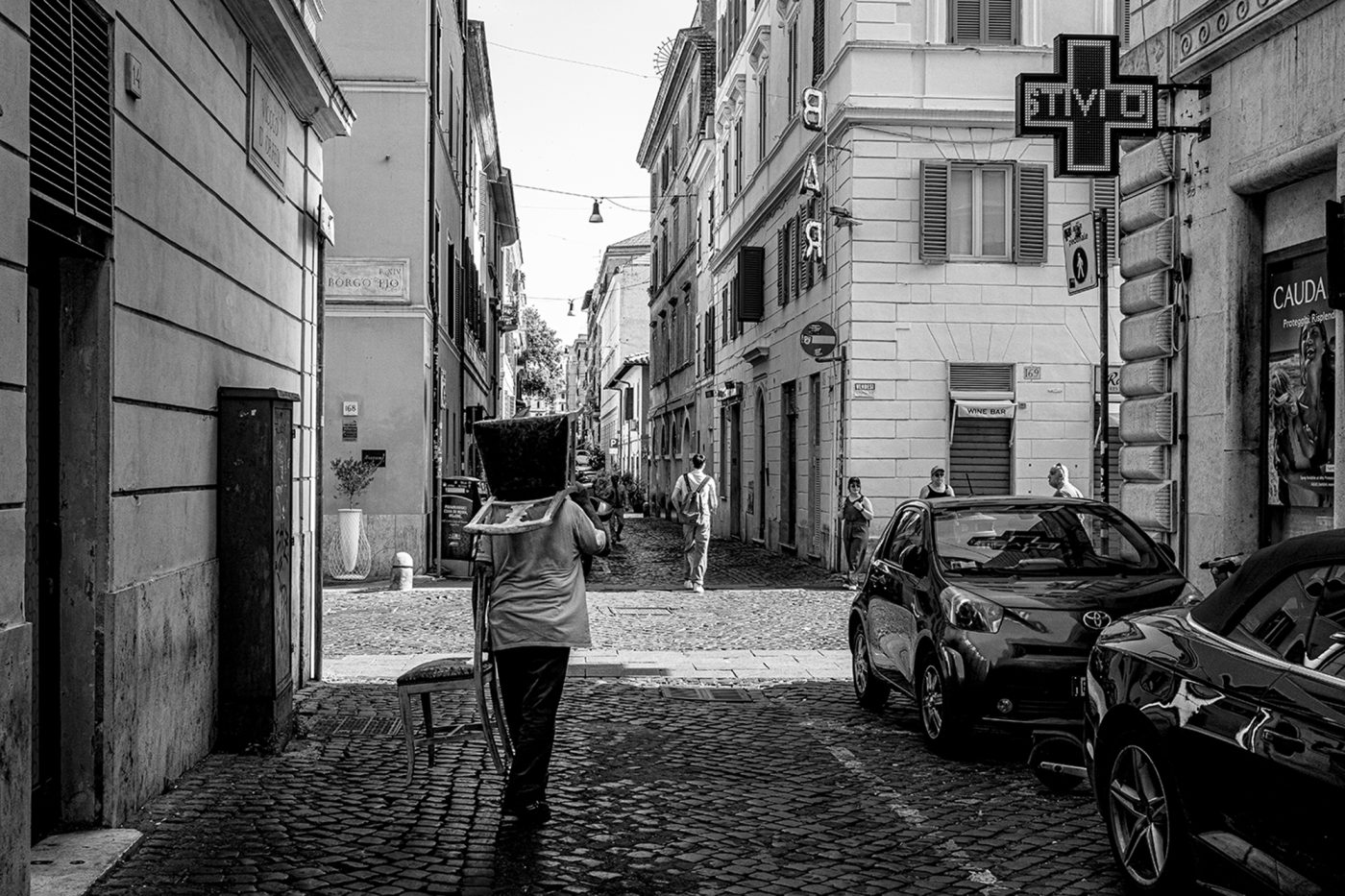
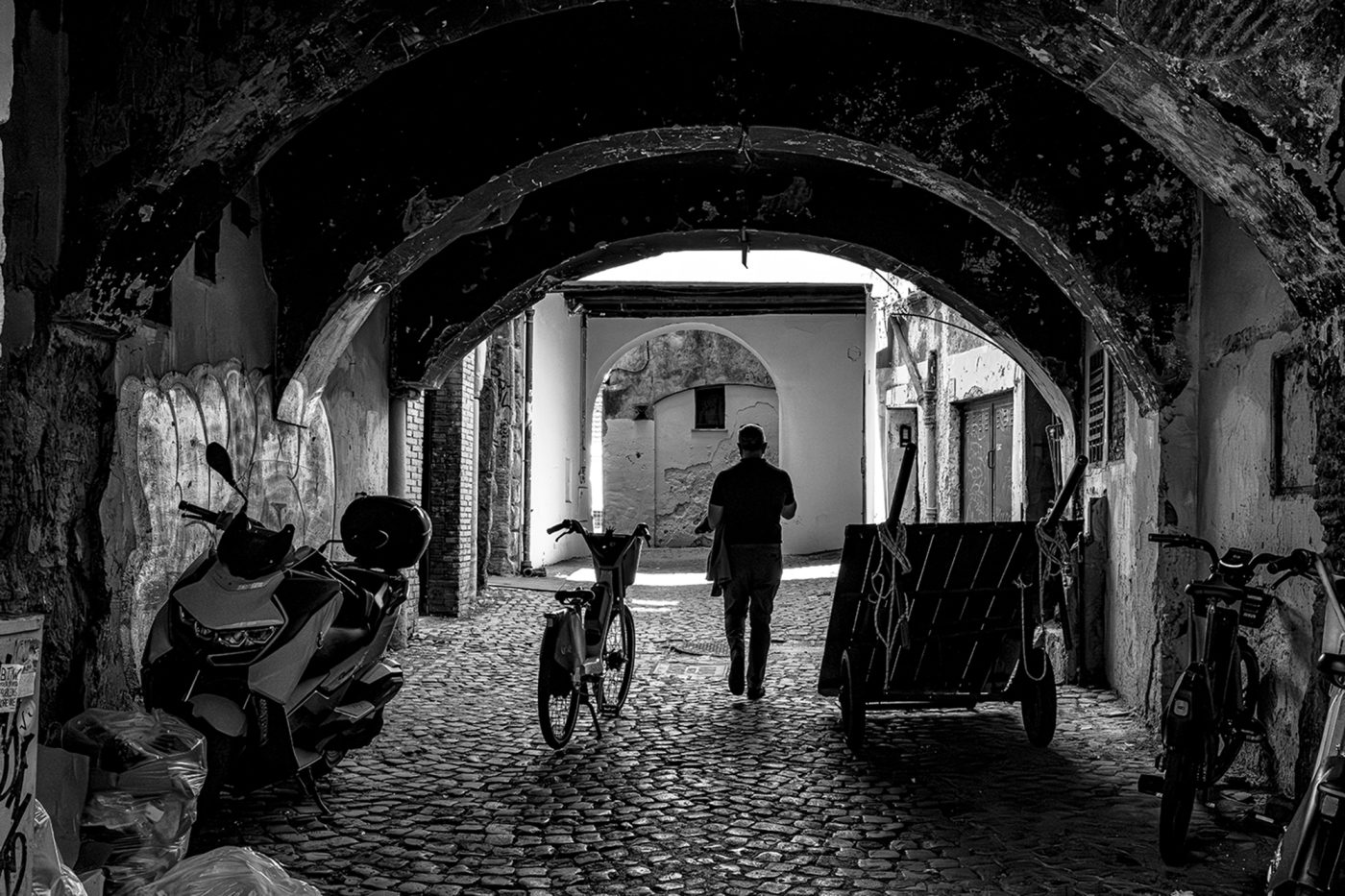
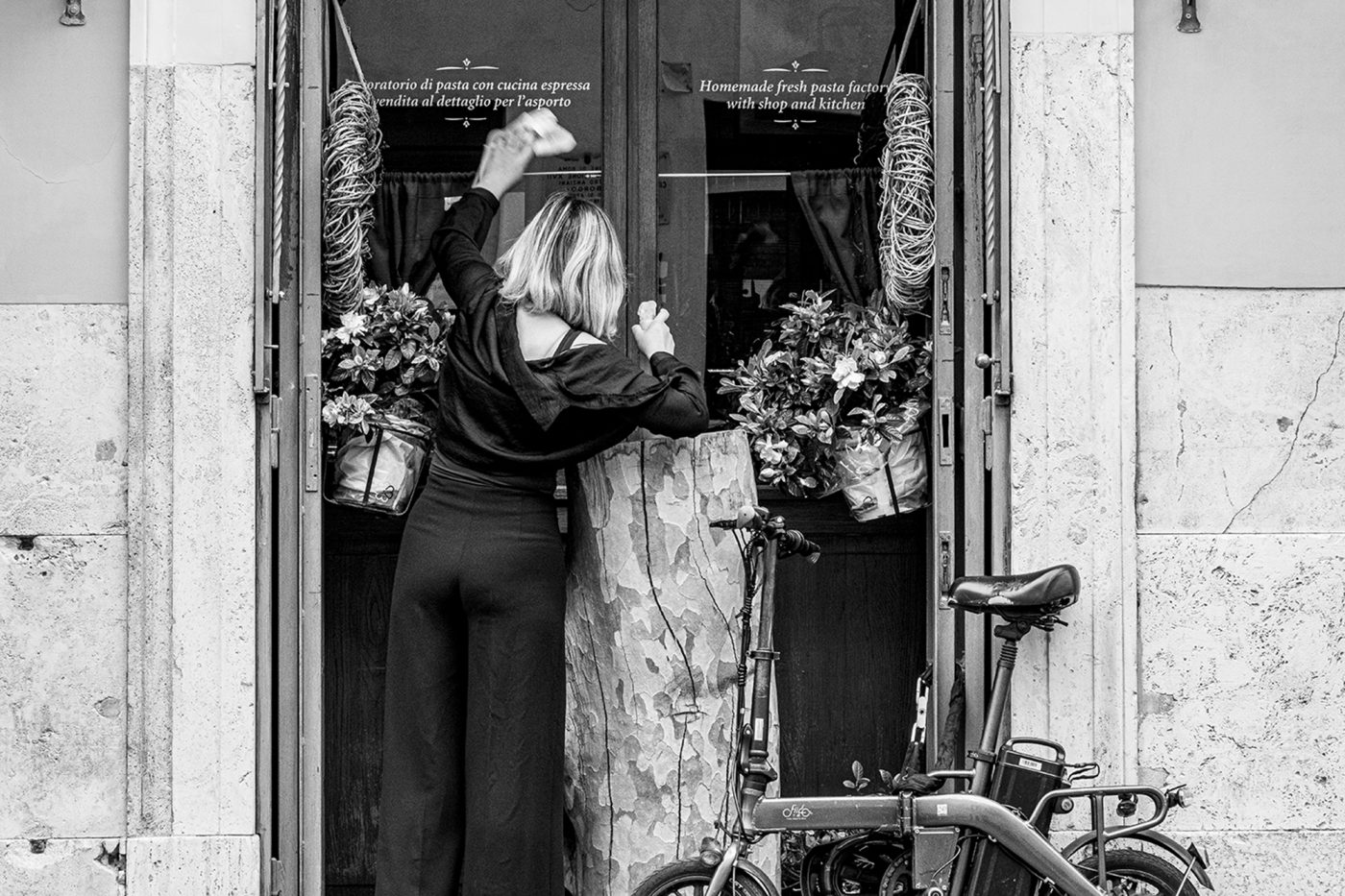
And the shoulders, which are the true dark side of the moon when it comes to human beings: they are behind us and, barring strange and unnatural twists, block the view of the face—and thus recognition. Sometimes they are shapeless, and as a rhetorical figure, they speak to us of distancing, desertion, “turning one’s back and walking away.”
However, depending on the context and the photographic composition, they can instead be used to convey an image that tells of the struggle of life, the capacity to endure—which is also a hidden face of the Moon.
And there is a certain irony in the depiction of all these figures setting off toward who knows where (or perhaps we do know—and how well we know it!) with the dignity of an Odysseus who recounts:
“Ma volta nostra poppa nel mattino
Dei remi facemmo ali al folle volo
Sempre acquistando dal lato mancino”