STOP WAR



There are times when, in order to describe an atmosphere or convey moods through photographic images, I prefer to set aside human figures, transforming them from protagonists into extras, or eliminating them altogether.
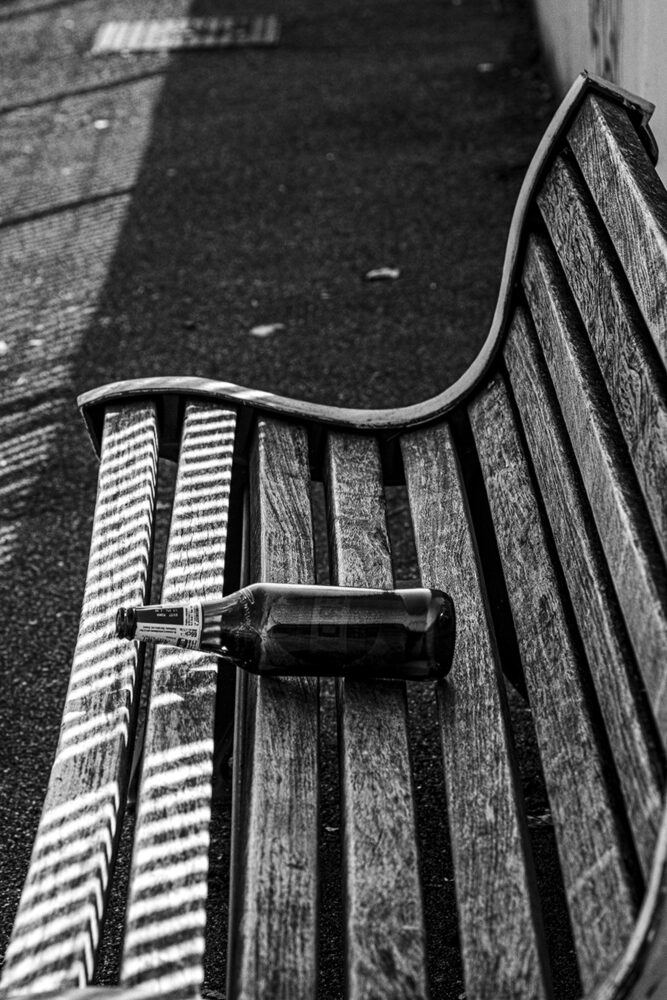
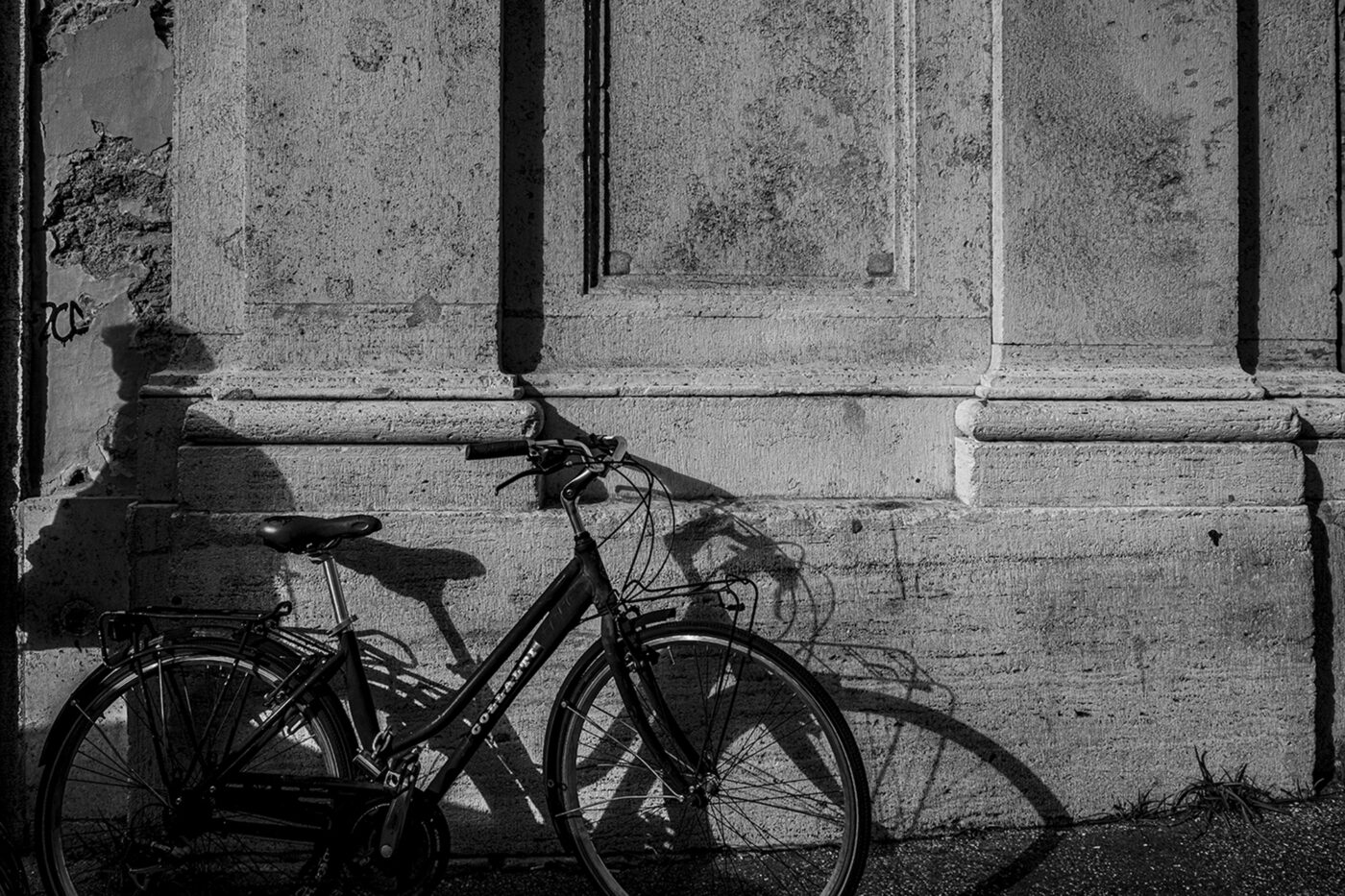
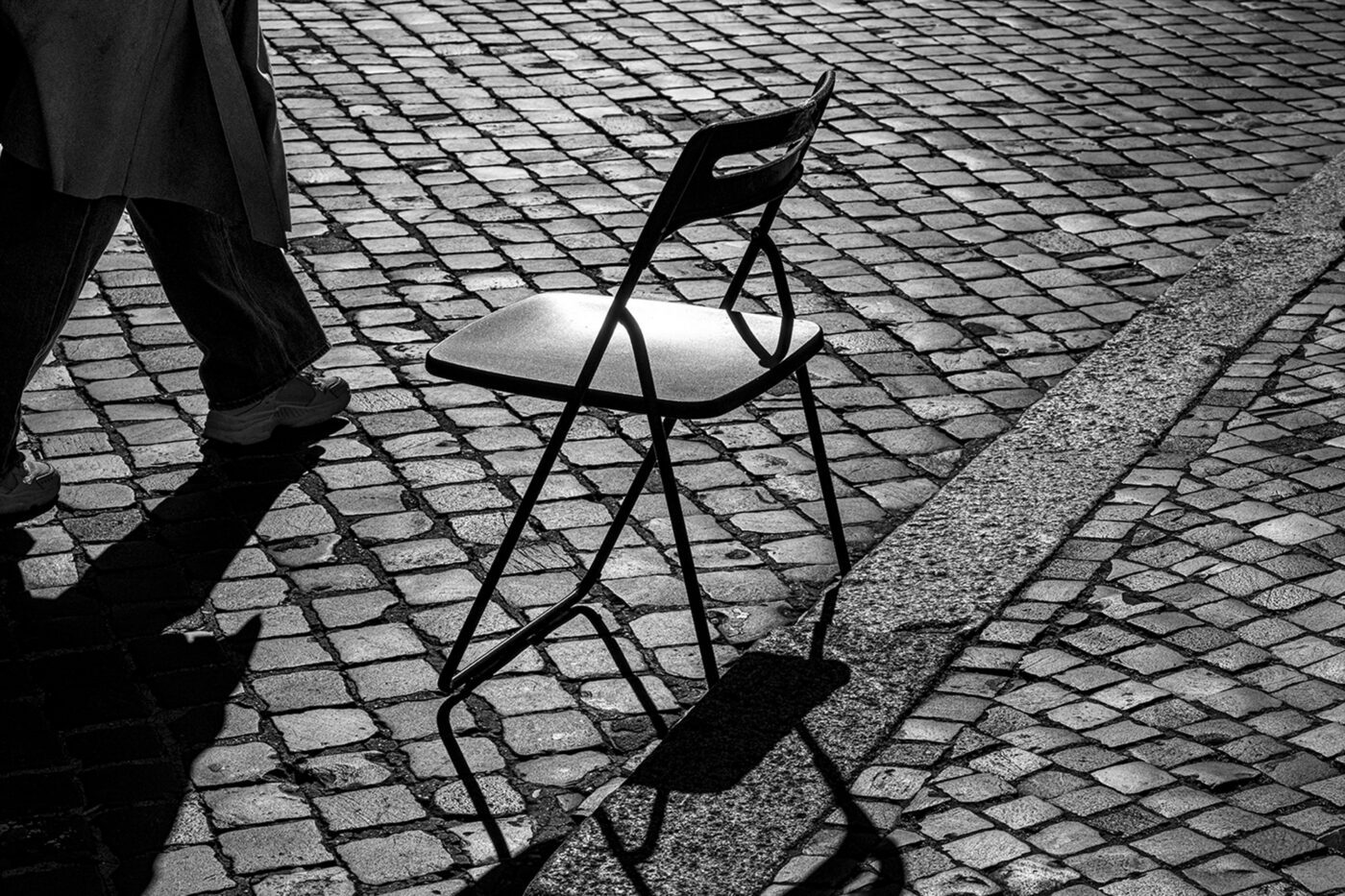
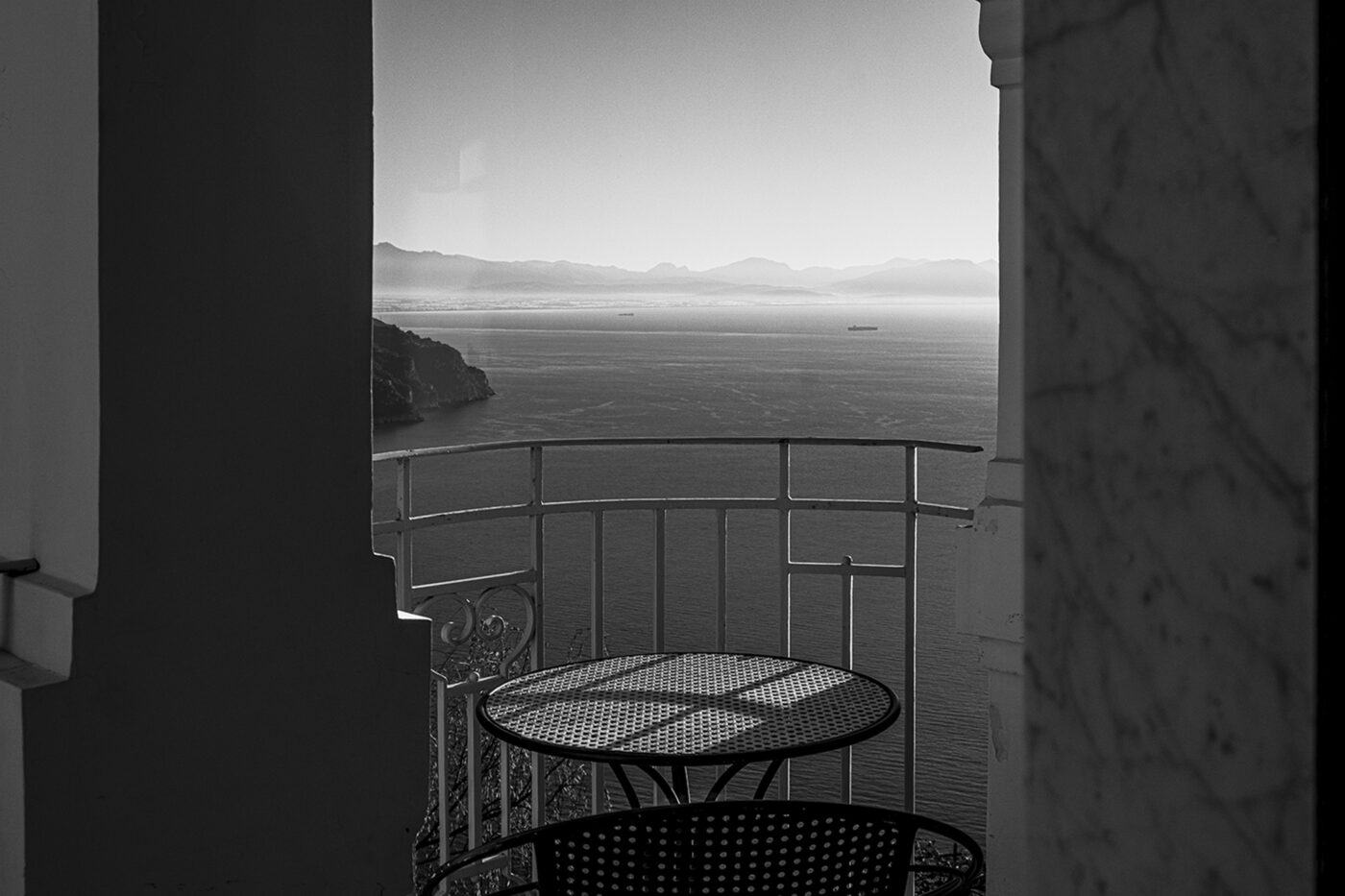
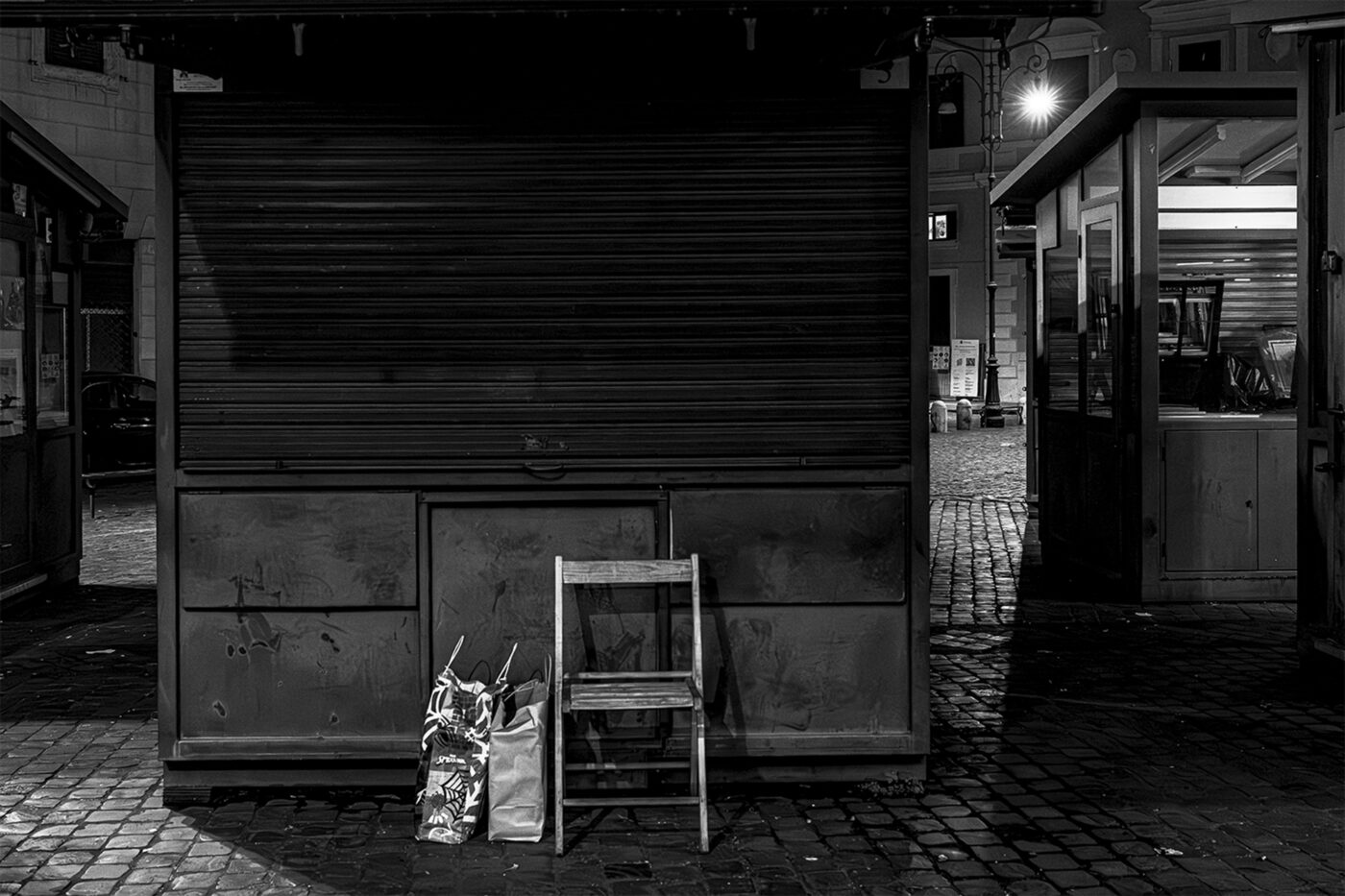
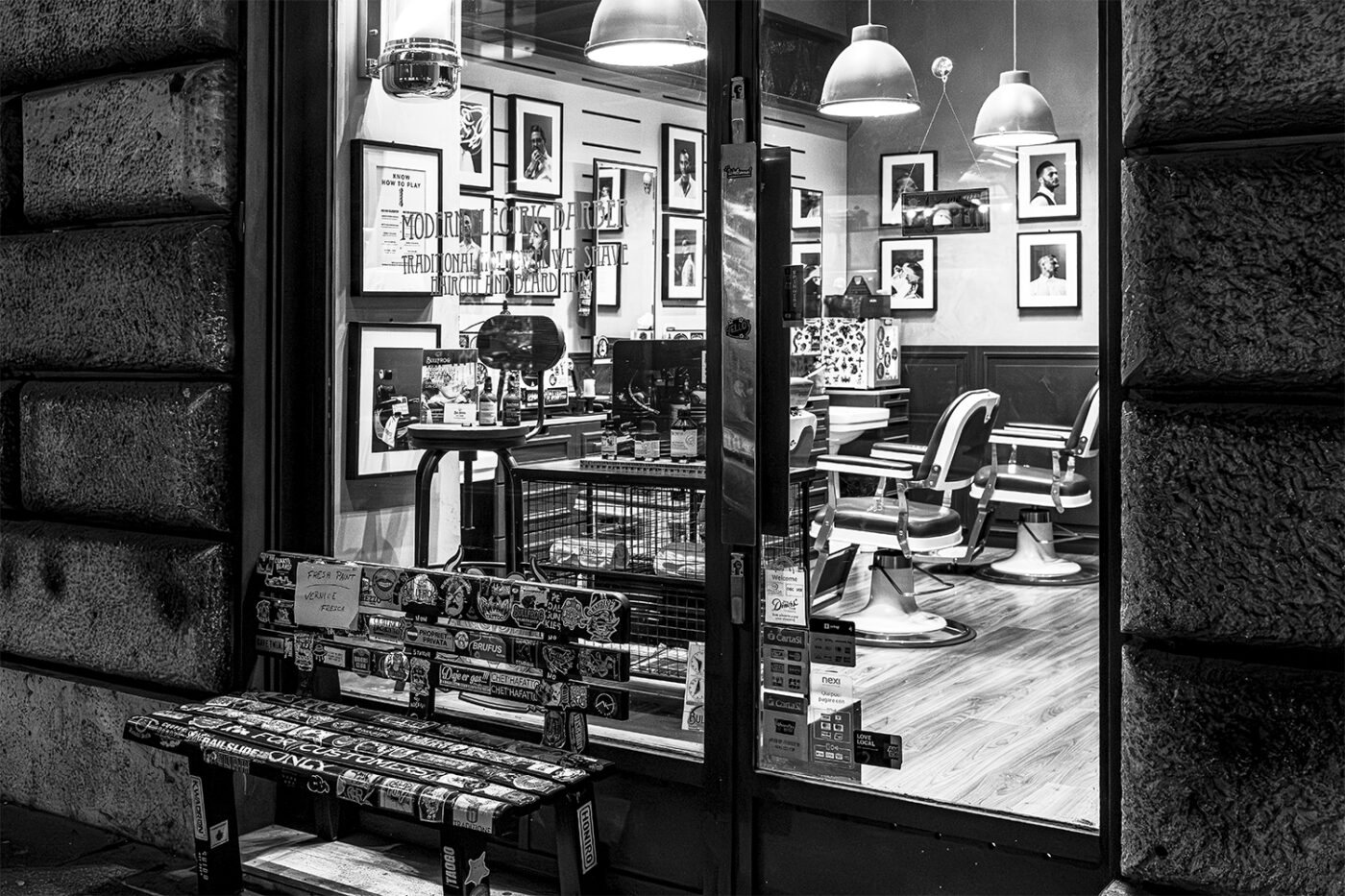
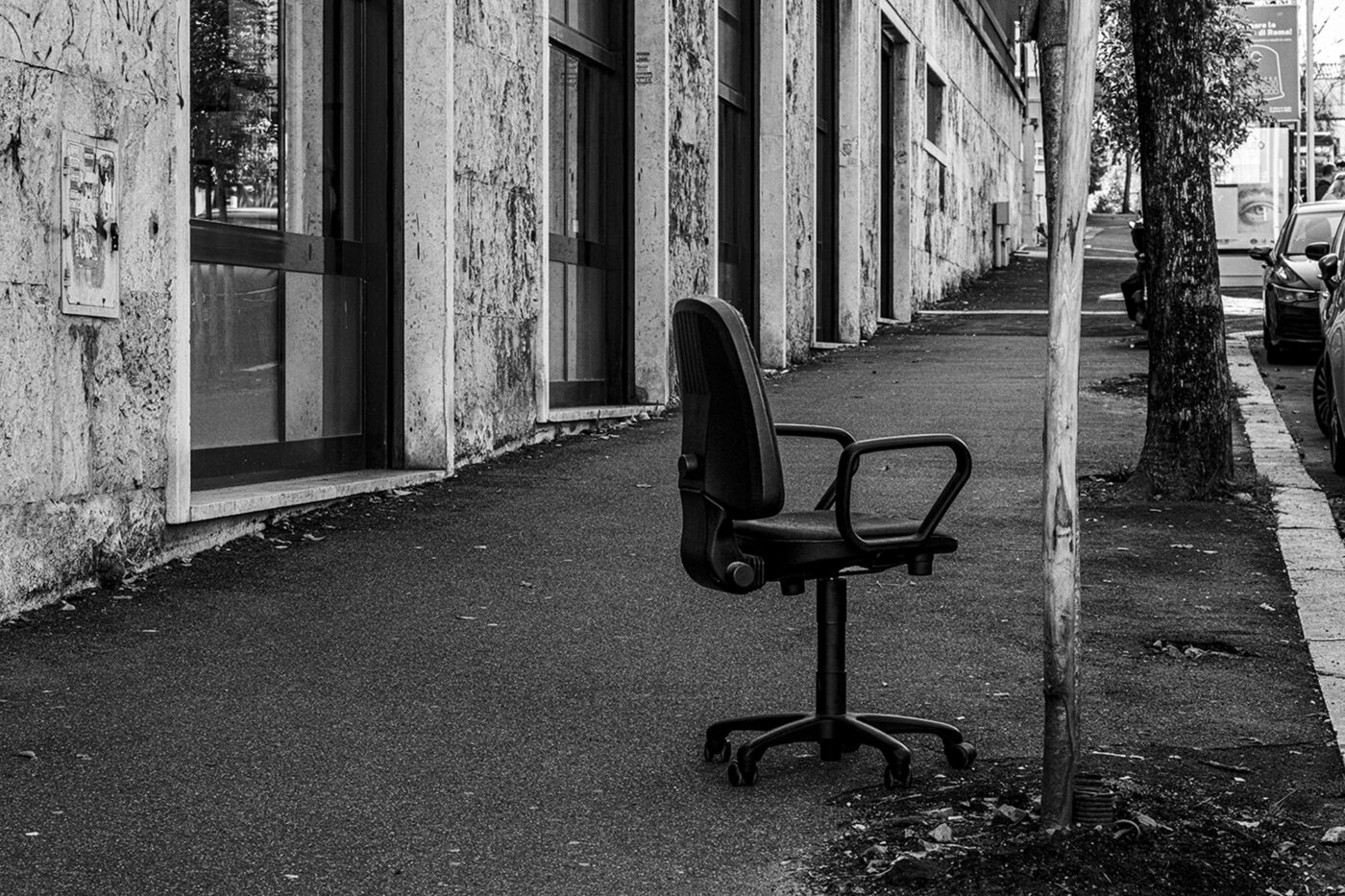
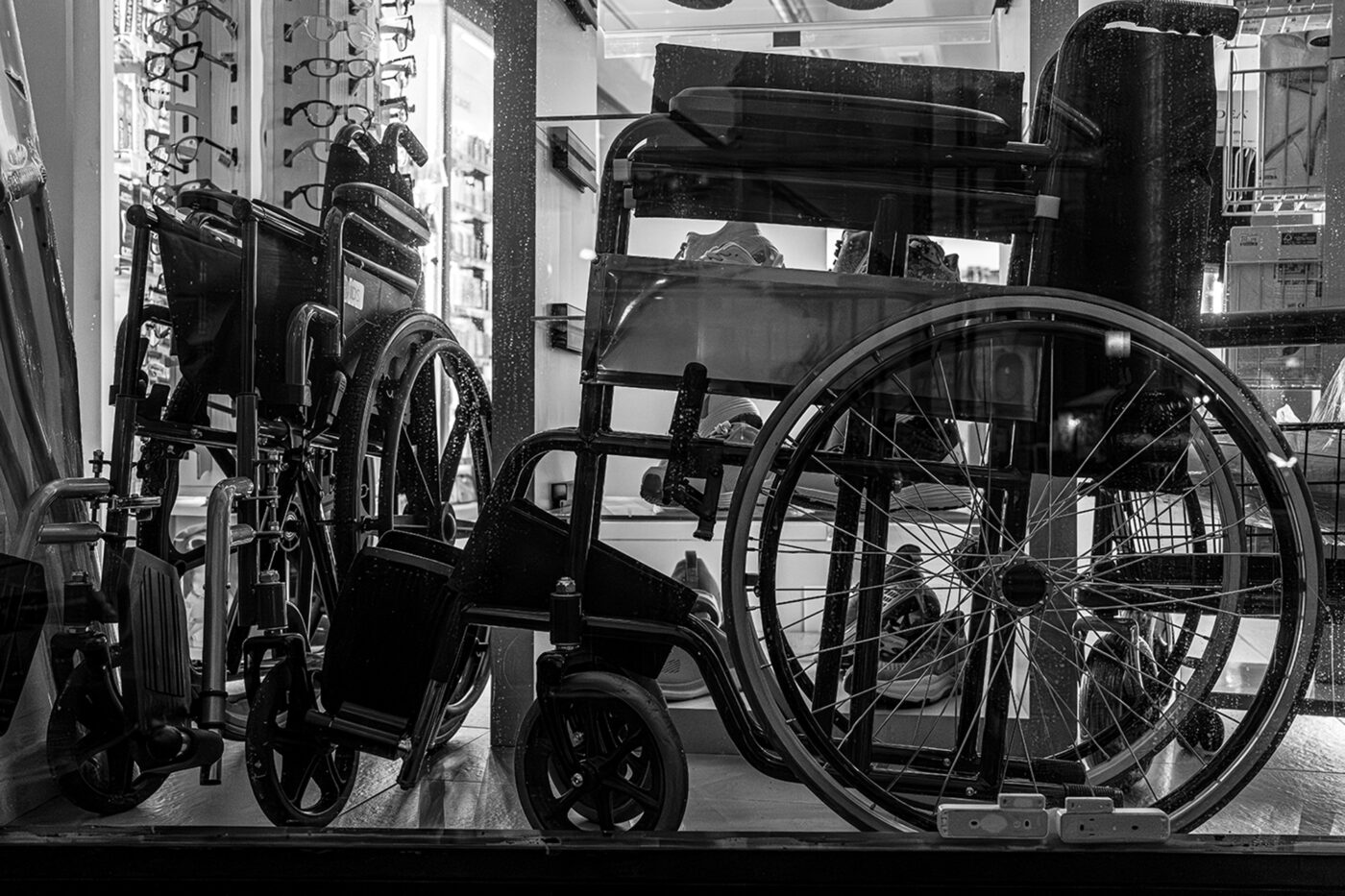
This is the case with this small elegy composed of images of empty chairs and little else, in which I would like the objects to speak for themselves.
I have often used this type of image in other works. At first glance, the absence of a centre and the disappearance or reduction of human figures to mere outlines make them suitable for conveying a subtle sense of barely hinted anguish, of subliminal unease: the charm of emptiness.
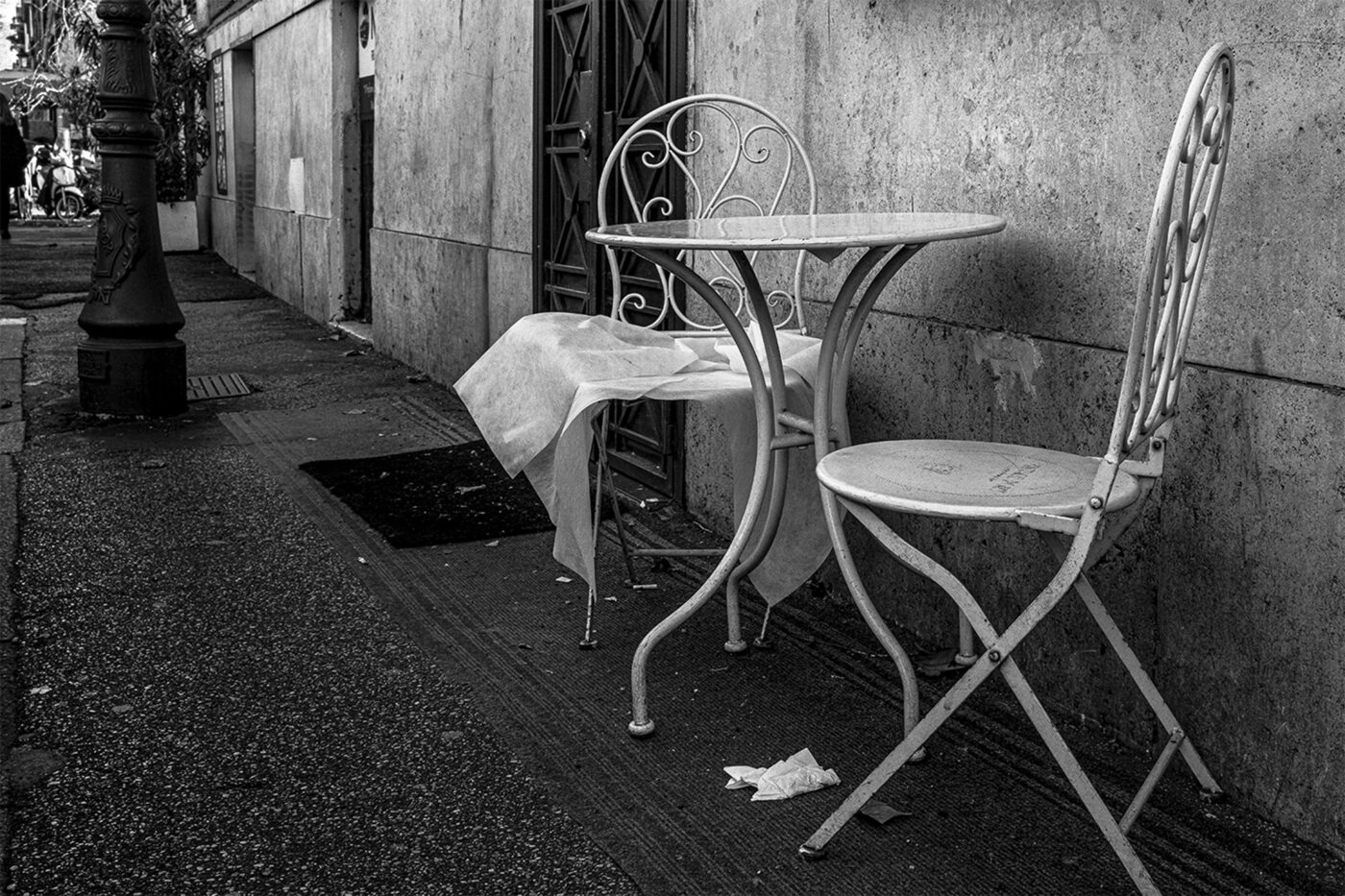
However, looking deeper, I believe that this ambiguous fascination stems from the fact that these images are so minimal and superfluous, closely related to photographs of non-places, another category privileged in conveying the discomfort caused by the absence of a centre, of people, of everything, even of the immediate usefulness of the photograph itself.
Why then a seemingly superfluous collection, even if presented in various shades, from irony to documentation? It is difficult to give a precise answer, except by invoking the ambiguous essence of every photographic image: that of being a moment arbitrarily extracted from a continuum that would make its reasons clear, preventing the viewer from reaching definitive conclusions.
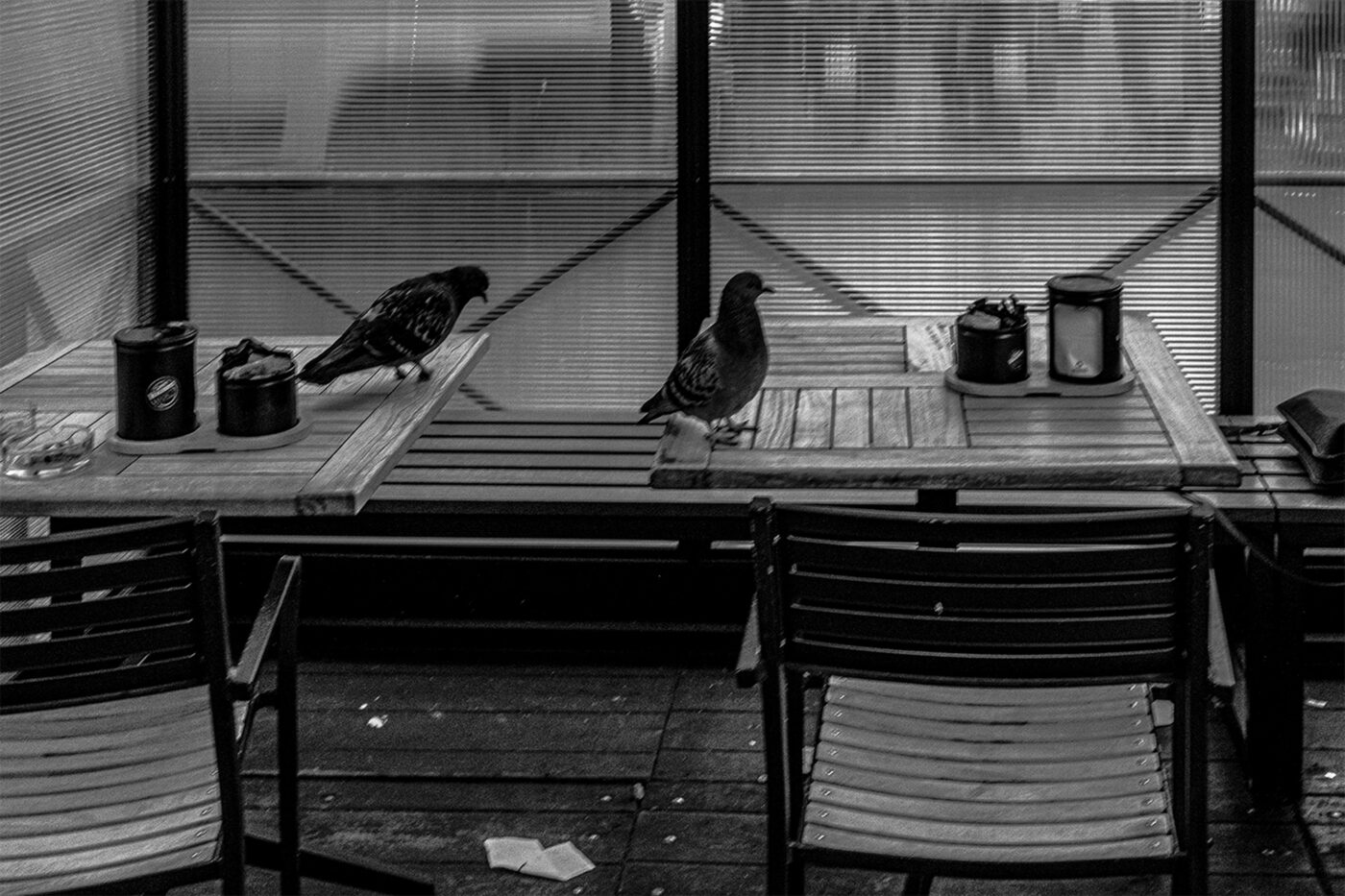
In other words, those who look at a photograph of an empty chair cannot know from the image itself why that chair is there and is devoid of any kind of presence; this cannot be stated explicitly, it can only be hinted at ambiguously.
Whether that image implies an apocalyptic disaster that has wiped out the entire human race from the face of the Earth, or, less dramatically, that someone has got up and left and someone else will perhaps sit down in the barber’s chair shortly, depends more on the personal mood and propensity for optimism or pessimism of the viewer than on the few “atmospheric” hints contained in the photograph.
In short, it is a question of seeing the glass as half full or half empty, and this makes each of these images even more ambiguously disturbing.