 STOP WAR



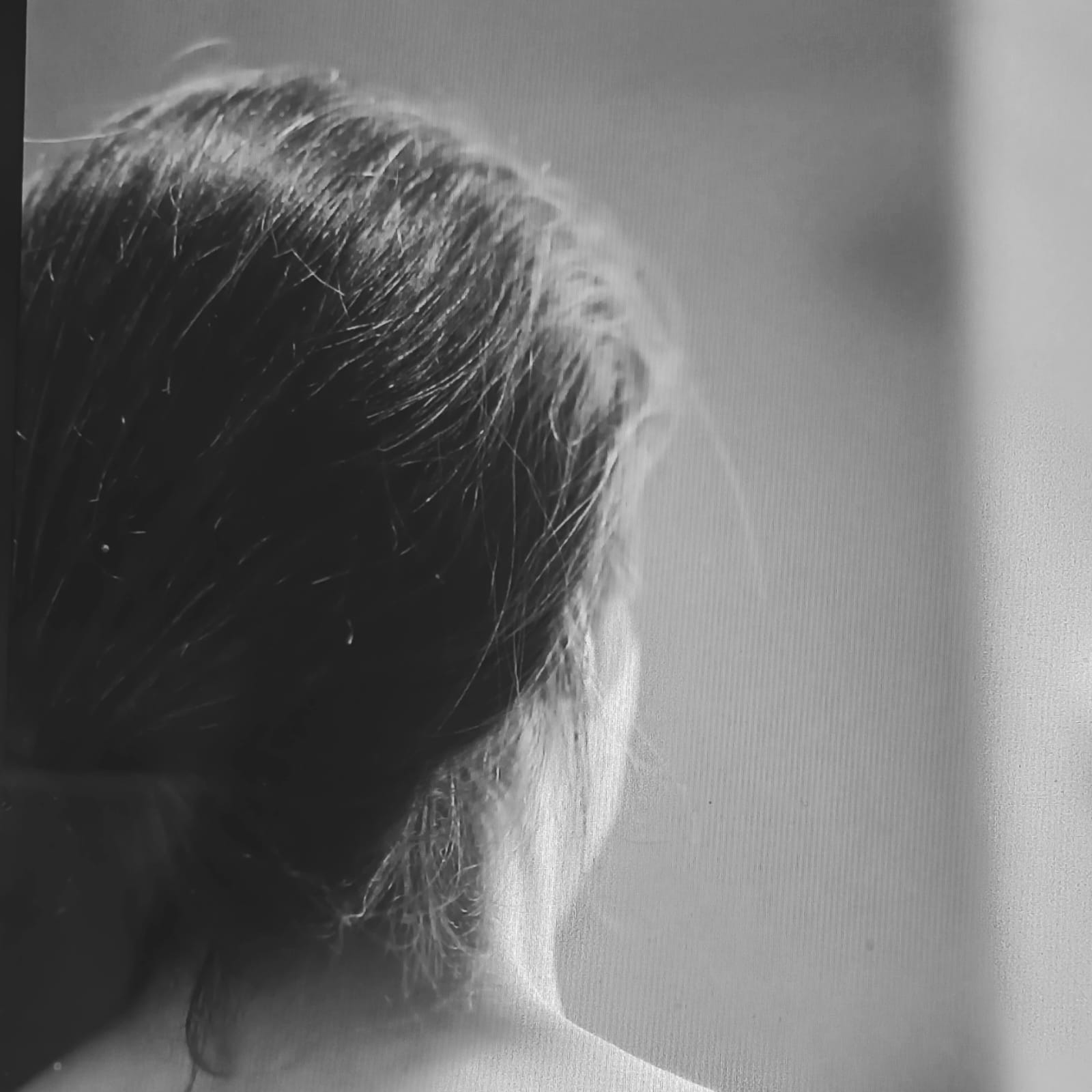
Children see more than we realise — and absorb more than we intend.
This is not just a film. It’s a mirror held up to everyday behaviour — the jokes, the silences, the excuses — and what those look like to a young, impressionable mind.
Assi (film) is a courtroom drama about sexual assault, institutional failures, and the fight for justice. The narrative follows a teacher who is brutally attacked, and the ensuing legal battle becomes a stark look at our legal system, societal hypocrisy, and cultural apathy.
But what struck me wasn’t just the crime. It was the behavior around it — especially the casualness with which some characters and, disturbingly, some students, treat the whole ordeal.
As a teacher, the classroom becomes a microcosm of society:
- Students joked about the survivor’s trauma in group chats.
- Some laughed at the violence rather than understanding the horror it represented.
- One child even expressed a chilling “wish they were there too,” not understanding the gravity of what that implied.
Children are not just passive observers — they are active learners. They’re not only watching but they’re internalising it all. In Assi, we see how “jokes” become a lens through which young minds view trauma, dignity, and gender. In moments where classmates mock their teacher’s ordeal, it becomes painfully clear that the absence of empathy is a learned behaviour, not an innate one.
One of the film’s most uncomfortable truths is how the justice system — and society around it — fails to protect dignity.
When children witness a system that delays justice and adults who prioritise reputation over truth, we are (whether we want to or not) telling them what matters and what doesn’t.
Films like Assi remind educators that our work isn’t limited to textbooks. Real lessons happen when we call out insensitive humour and teach that trauma is not funny. The real challenge is encouraging students to question — not just repeat — societal norms.






Children don’t follow instructions — they follow examples. Empathy must be demonstrated, not demanded. Powerful reminder.
Beautifully written and yes I couldn’t agree more that we as educators have a big role to play in our students lives.
A powerful reminder that children don’t just listen — they absorb. Empathy must be modelled, not expected. Thank you for this honest reflection.