STOP WAR



We speak of a metamorphosis when something changes its form and transforms into something else:
the frog that becomes a prince after a kiss in a fairy tale, or Daphne, seized by Apollo, transforming into a tree in Bernini’s marvellous sculpture.
These, however, are illustrated, didactic metamorphoses that leave no room for doubt or diverging interpretations; they are stories or works of art in which the transformation is captured in the act of taking place and is realistically and freely described by the author’s imagination within the framework of myth or fairy tale.
This kind of representation, so explicit, is impossible with photography, which is instead an indirect, ambiguous and allusive art.
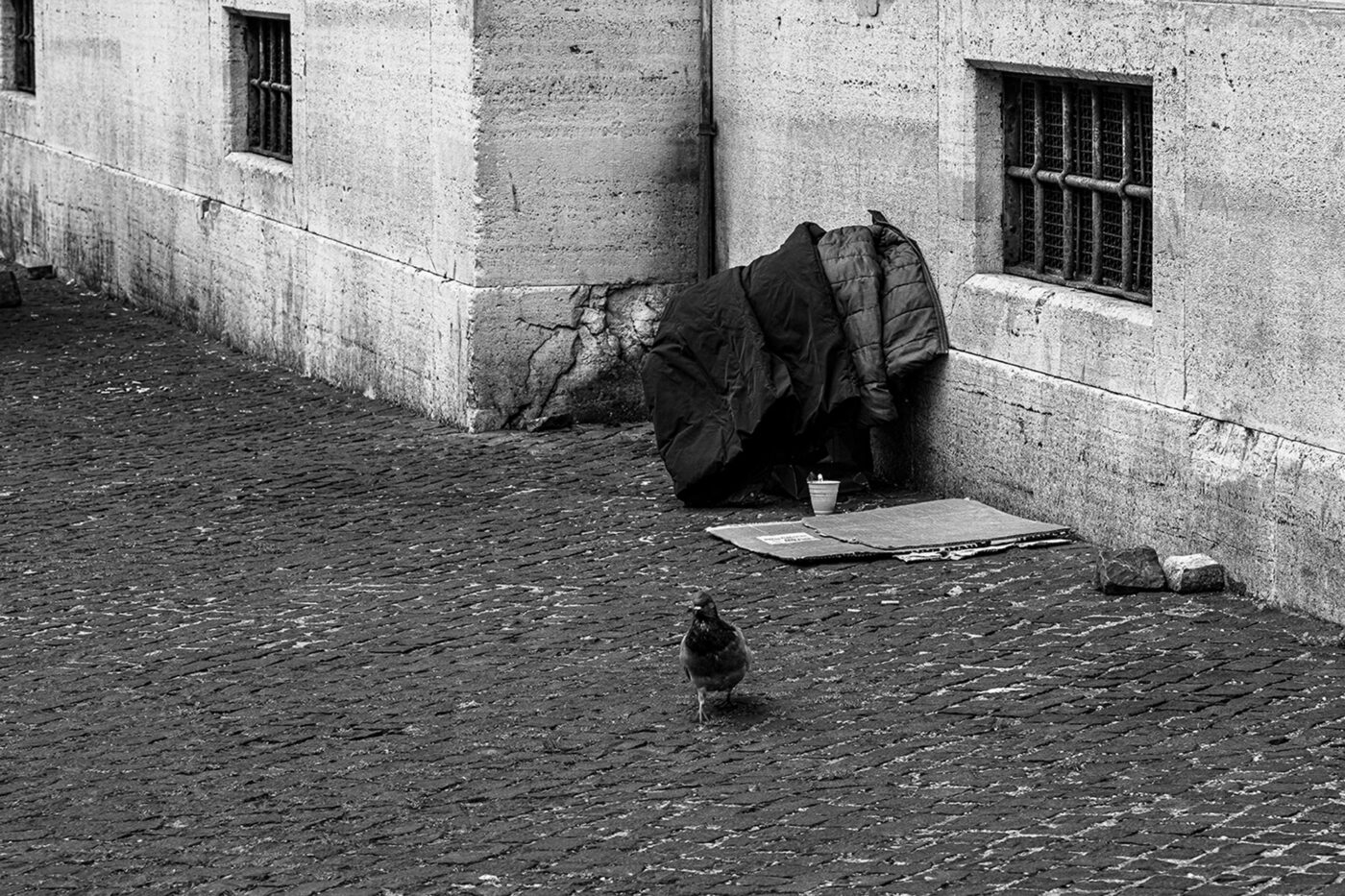
Photography, precisely because of its ambivalent link with objective reality, because of its fruitful oscillation between realistic representation and fiction, cannot depict a homeless person in the act of turning into a pigeon because this does not happen in reality; it can only depict a pigeon in the act of flying away from the empty makeshift bed of a homeless person.
What it can do, however, is suggest, through elliptical and allusive language, that this pigeon is in fact the homeless person who has undergone a miraculous metamorphosis—which, unfortunately, we have not been able to witness directly, as there is only the image of the pigeon flying away from the bed, which is, in any case, detached from a sequence and a broader context that might explain its origin in a more obvious and mundane way. In short, photography can ambiguously wink at our imagination; it can suggest associations of ideas, which are also ‘things that bring other things to mind’; it can bring together different elements, leading the viewer to think that one might have been transformed into the other or vice versa, or that in any case a relationship might be arbitrarily attributed to them that exists only in the mind of the photographer and the viewer of the image.
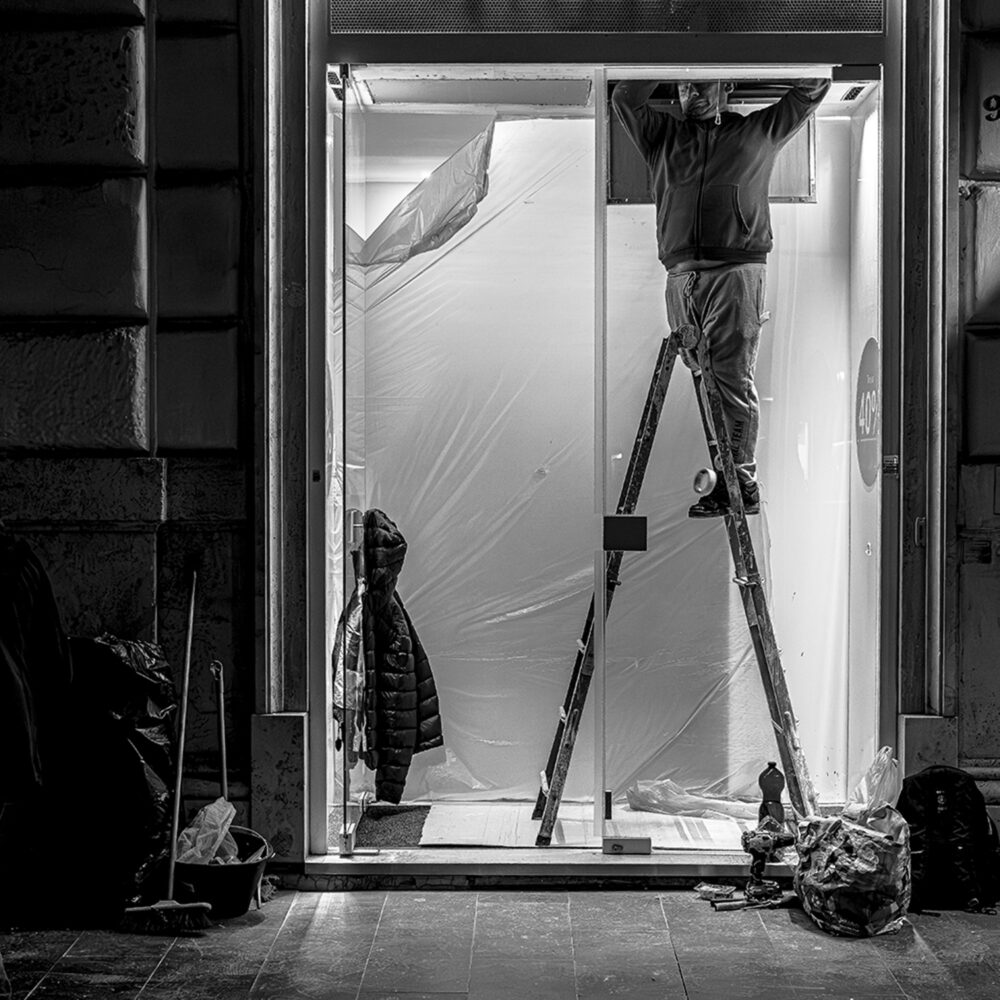
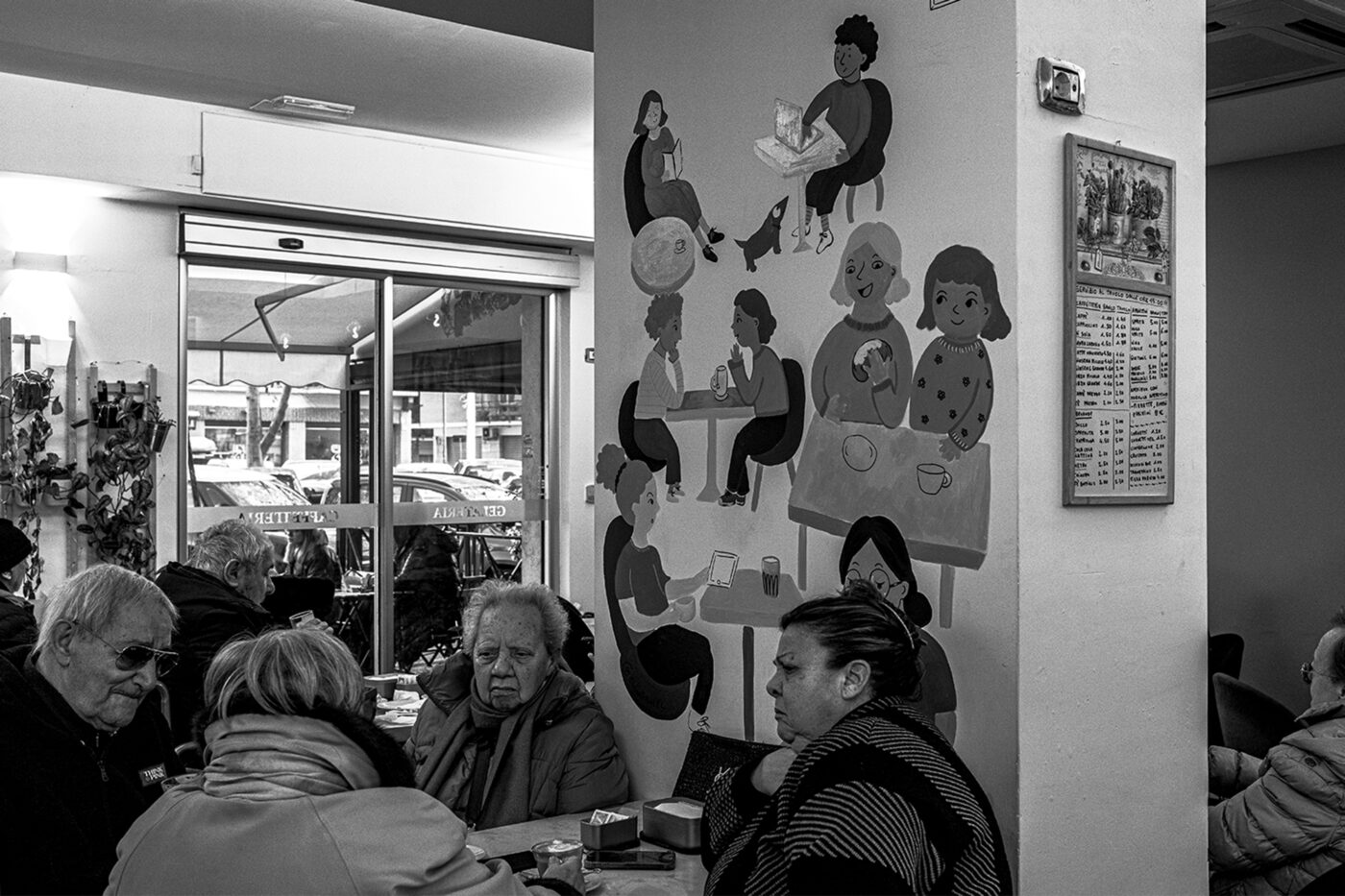
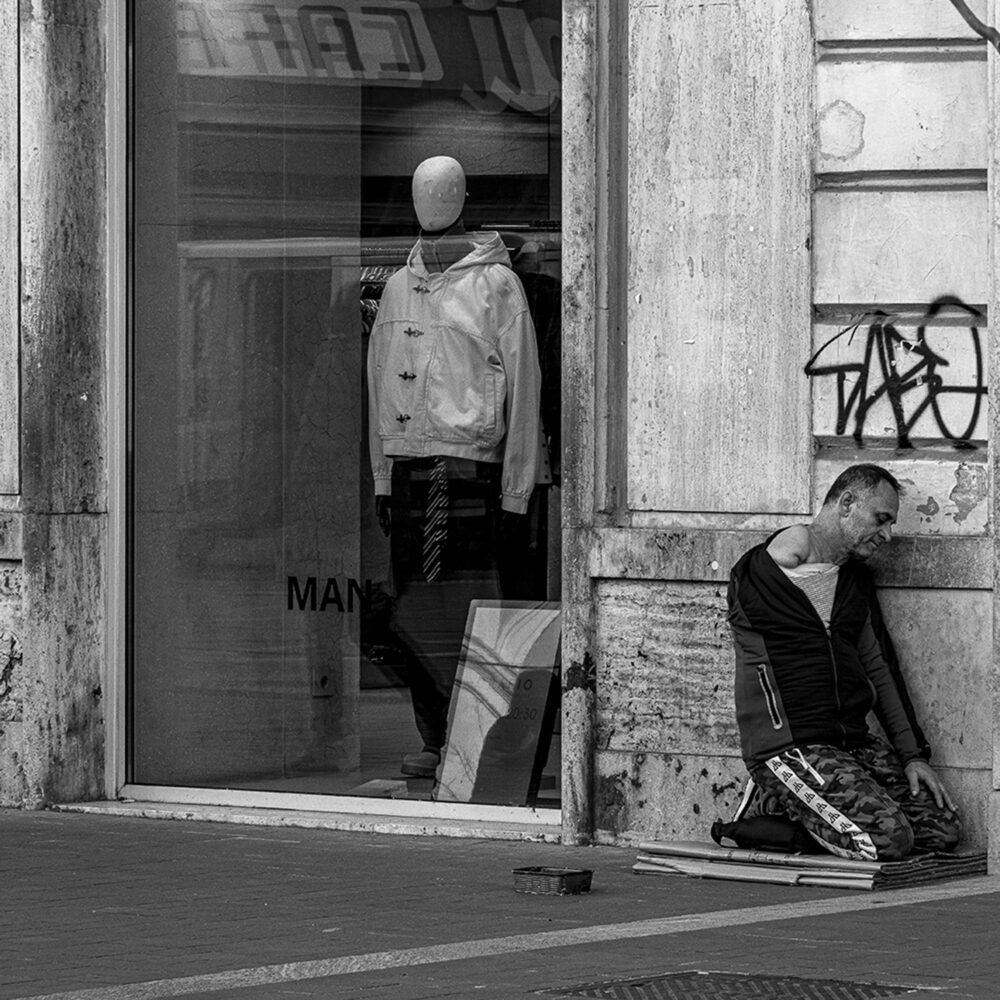
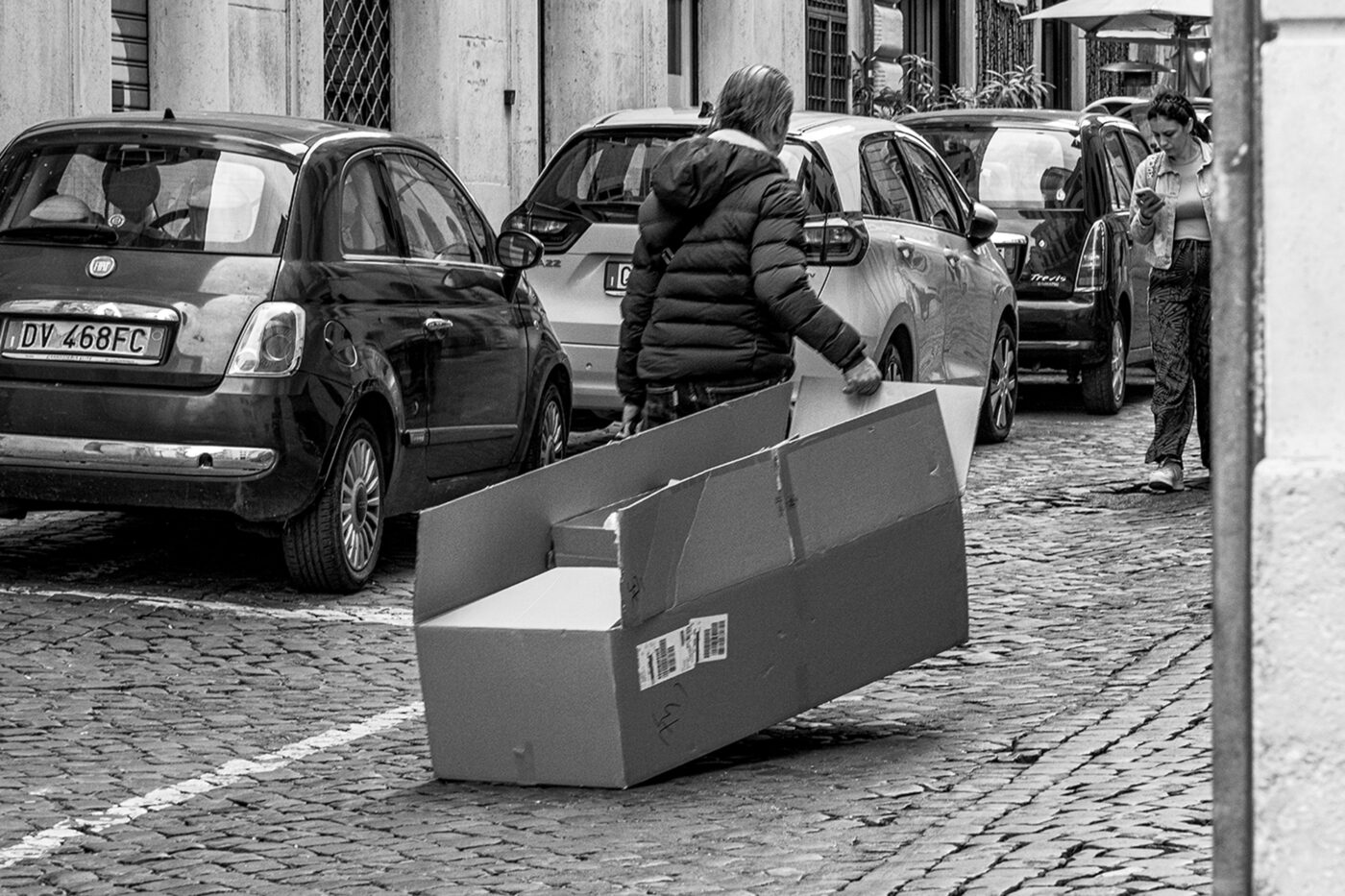
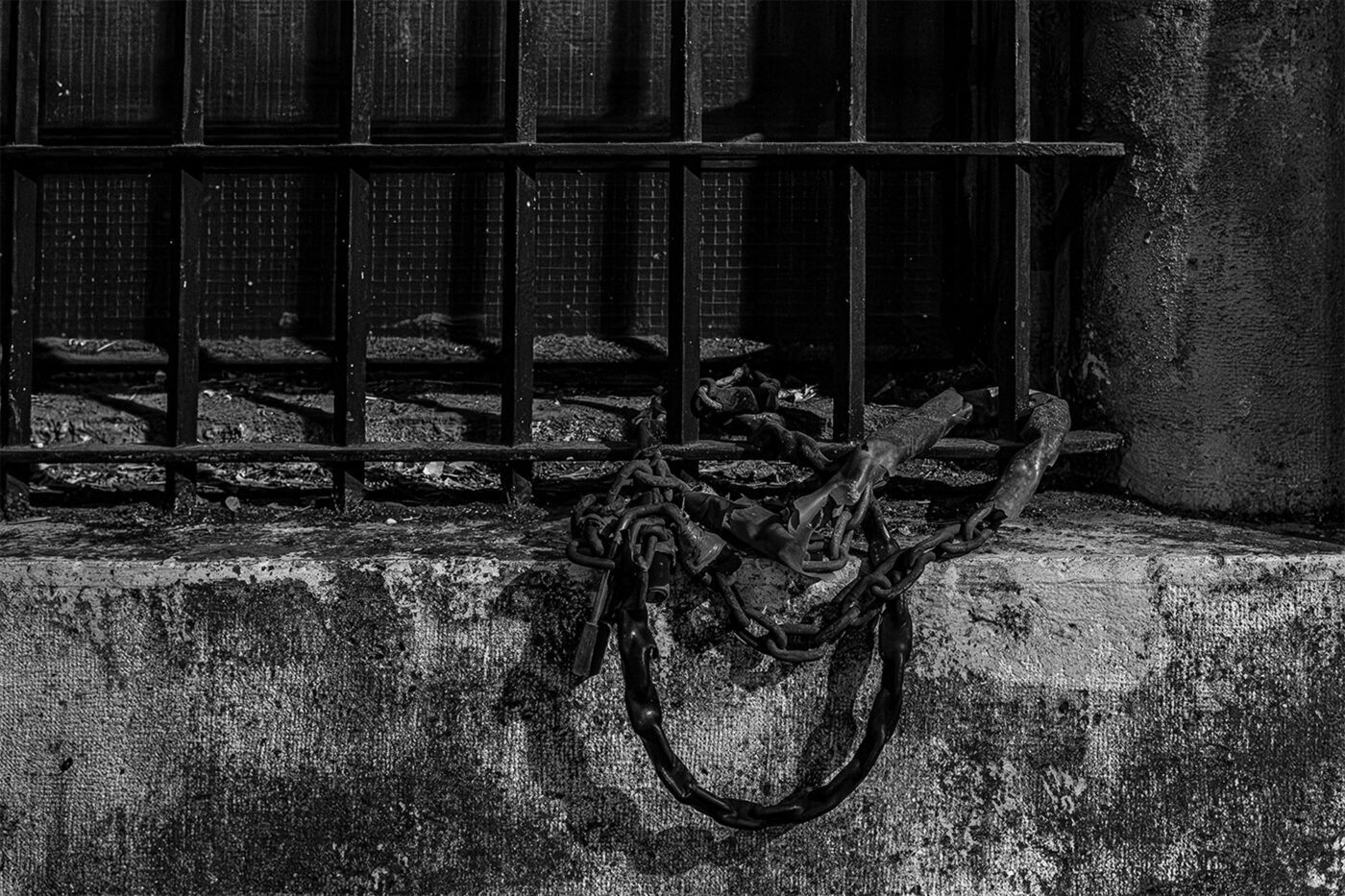
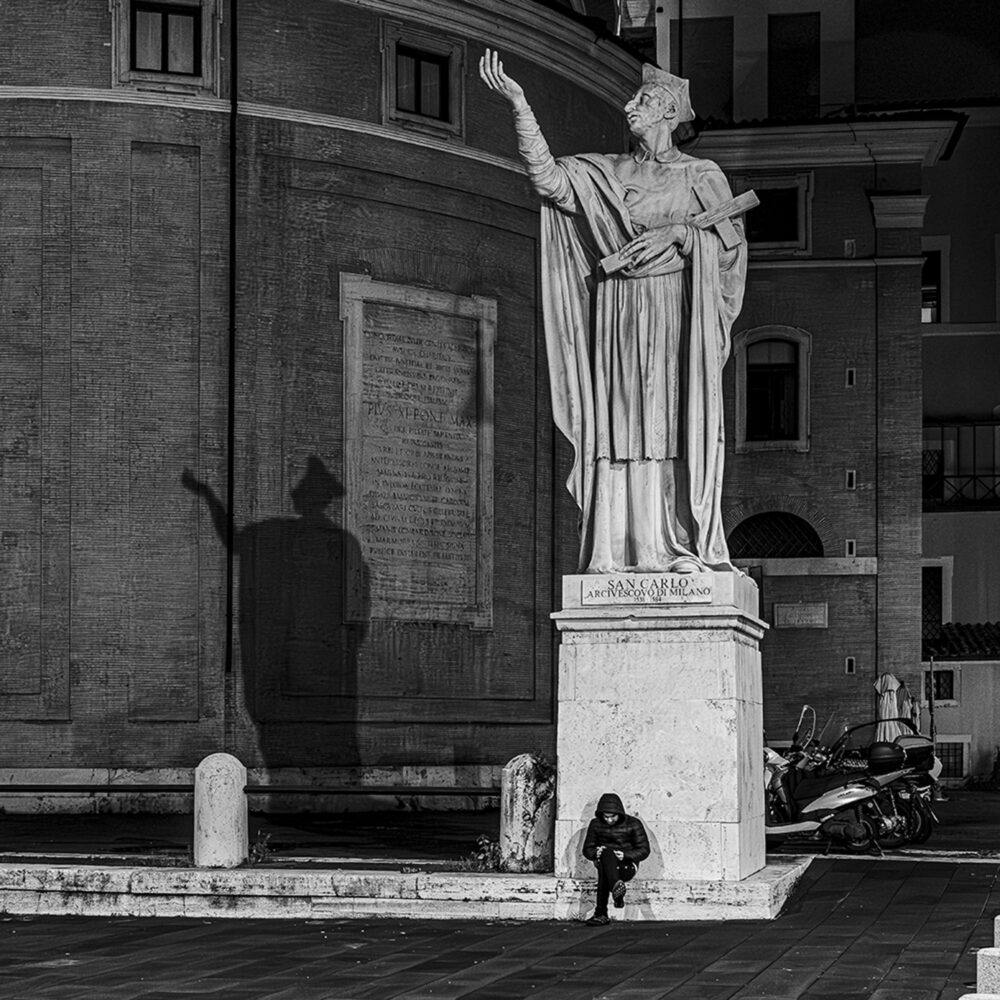
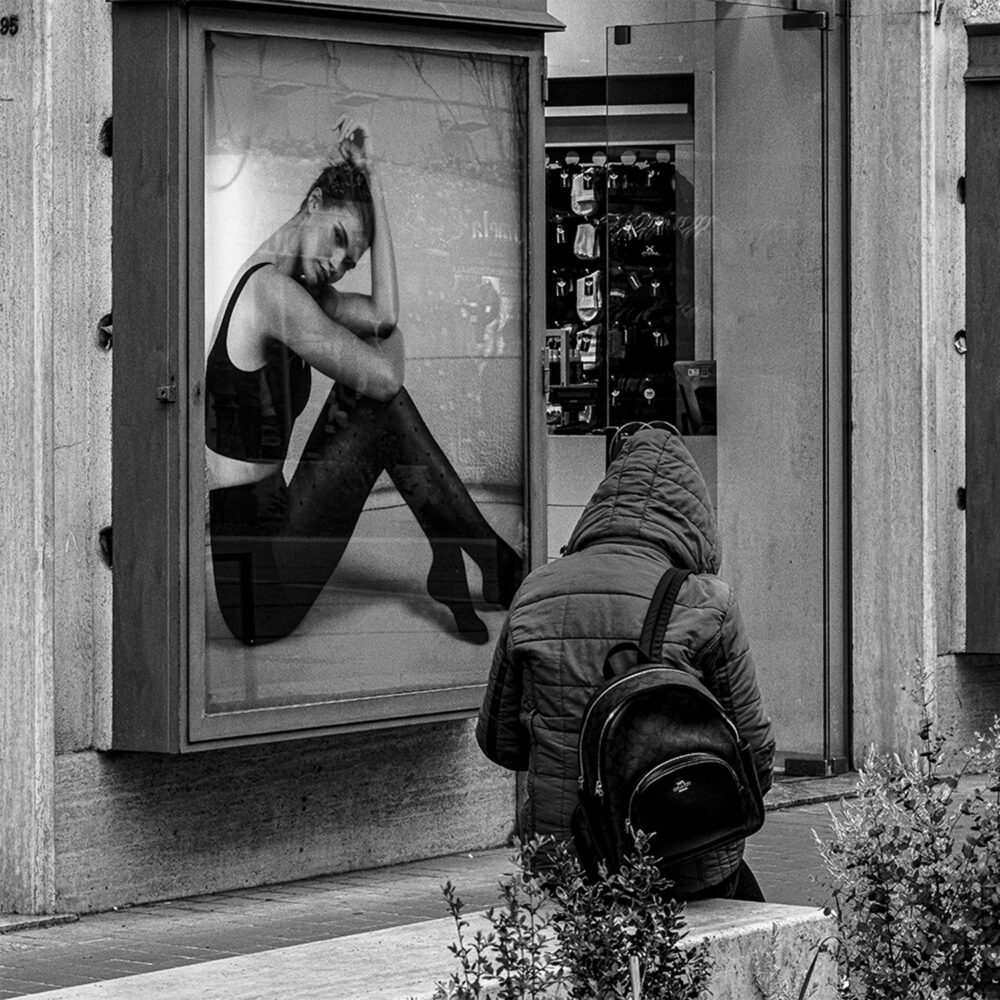
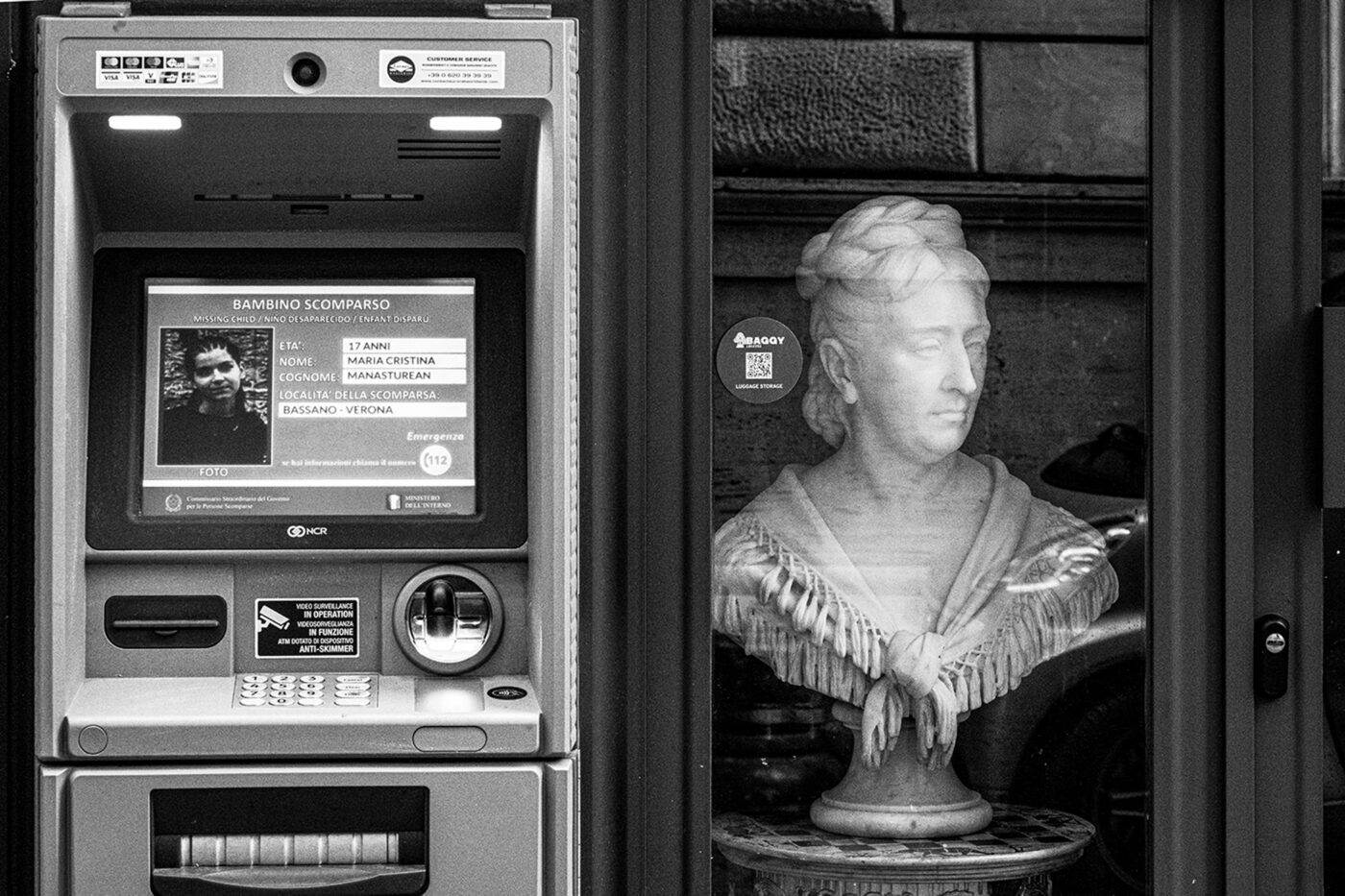
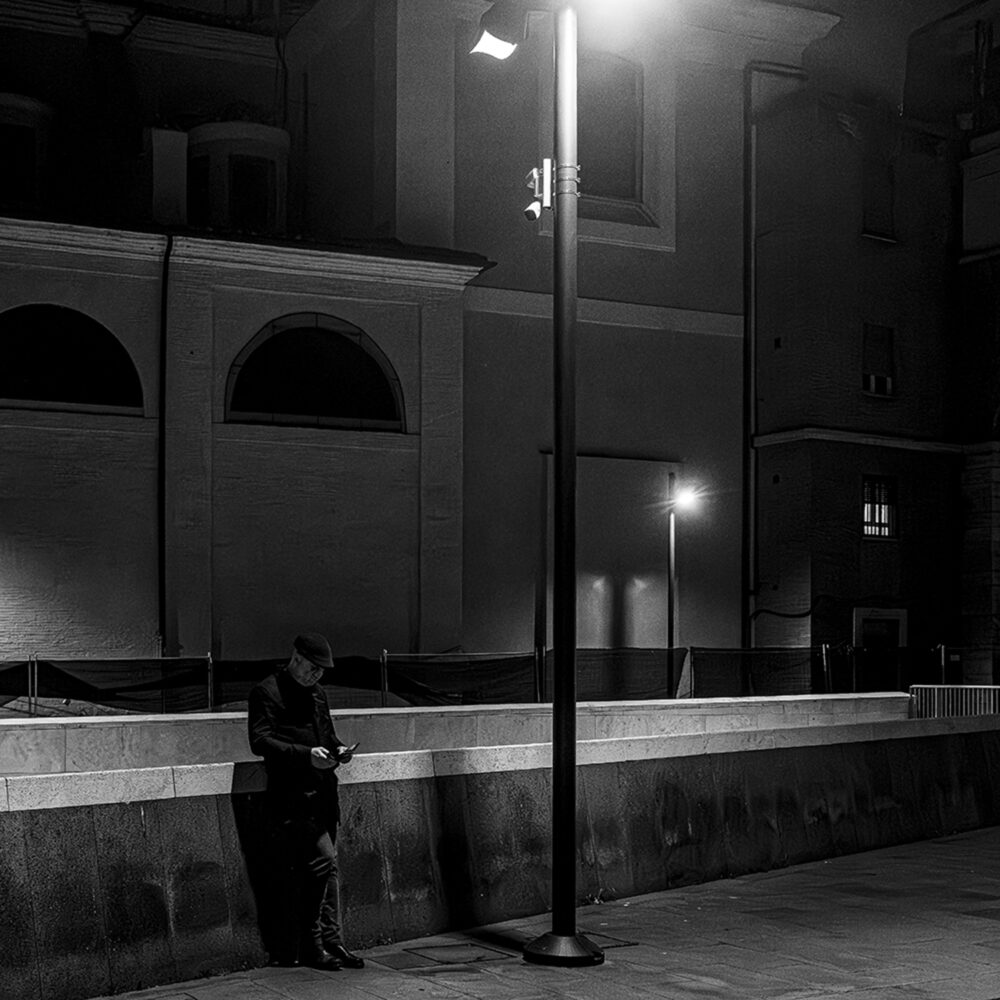
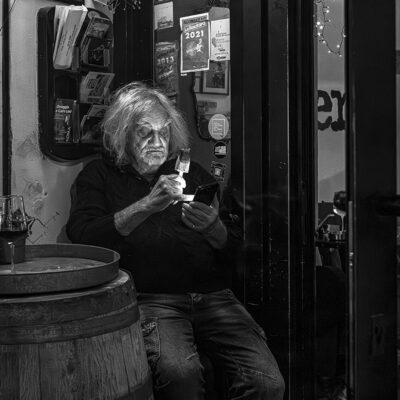
This is why I have always thought that it is the most ambiguously surreal of the arts and lends itself wonderfully to the production of paradoxical and ironic images. With this in mind, I have compiled this collection of images that in various ways evoke an idea of a change of state—of metamorphosis, in fact.