STOP WAR



Heroes are those people who, by performing extraordinary deeds, sacrificing themselves for some ideal or belief or for the common good, without perhaps questioning too much what exactly that means, illuminate an era and become models and cautionary tales for their contemporaries and for future generations, who award them effusive praise, poems, tributes full of rhetoric and tacky, redundant monuments.
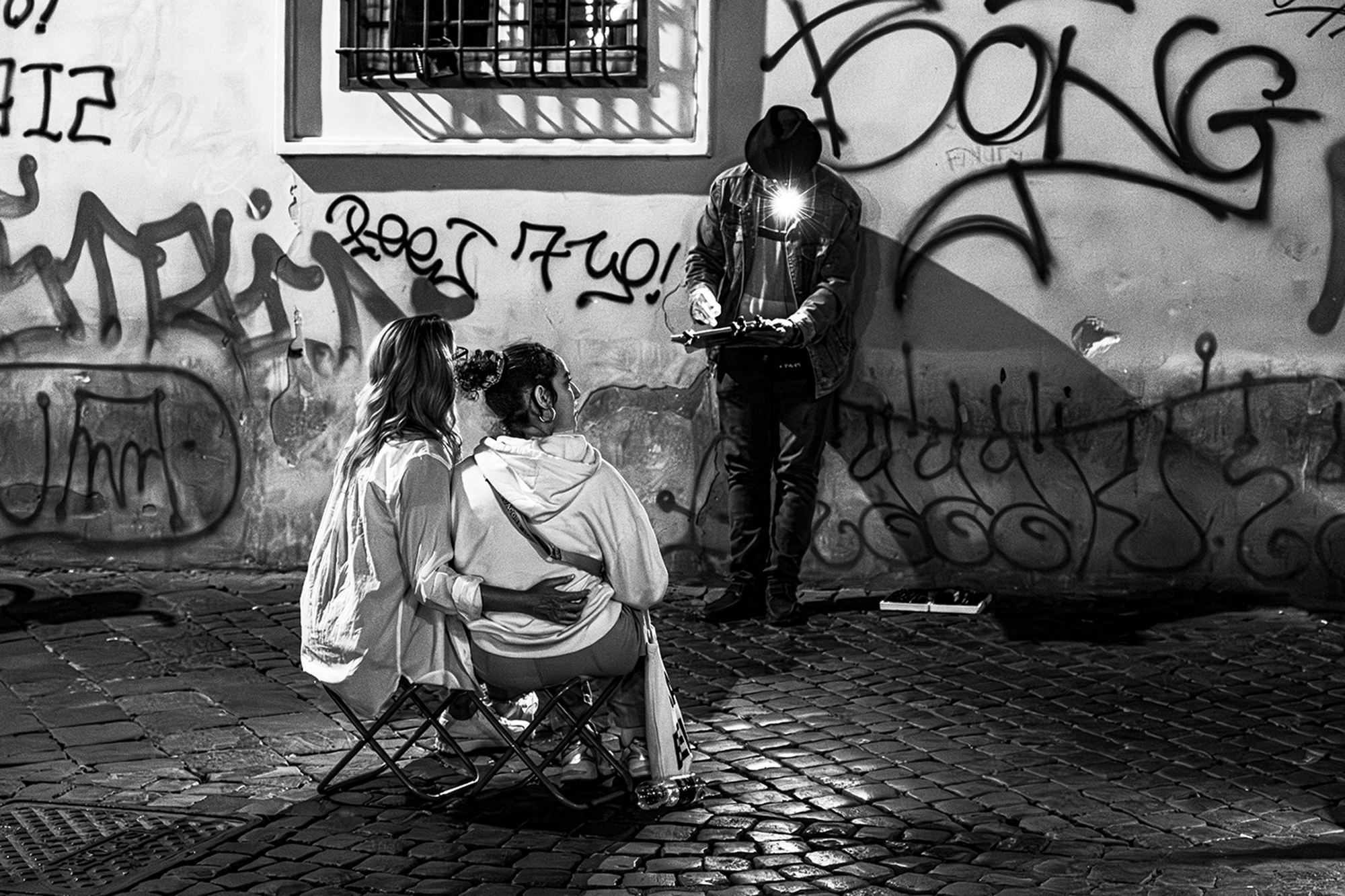
In another sense, a hero is an ordinary man, one who does not perform spectacular deeds, but in the toil of daily life expresses all his stubbornness, resistance to adversity, and moral integrity; but even this is a dramatic character who becomes an emblem and symbol to be held up as an example.
But in such a disenchanted age of plenty, in a part of humanity that is old, arrogant, self-satisfied and incapable even of perceiving, let alone participating in, the problems and dramas of the rest of the world, there is no longer any place for pure and altruistic heroes, or for Faustian anti-heroes, who remain only as rhetorical simulacra or pretexts for conveying unhealthy ideas.
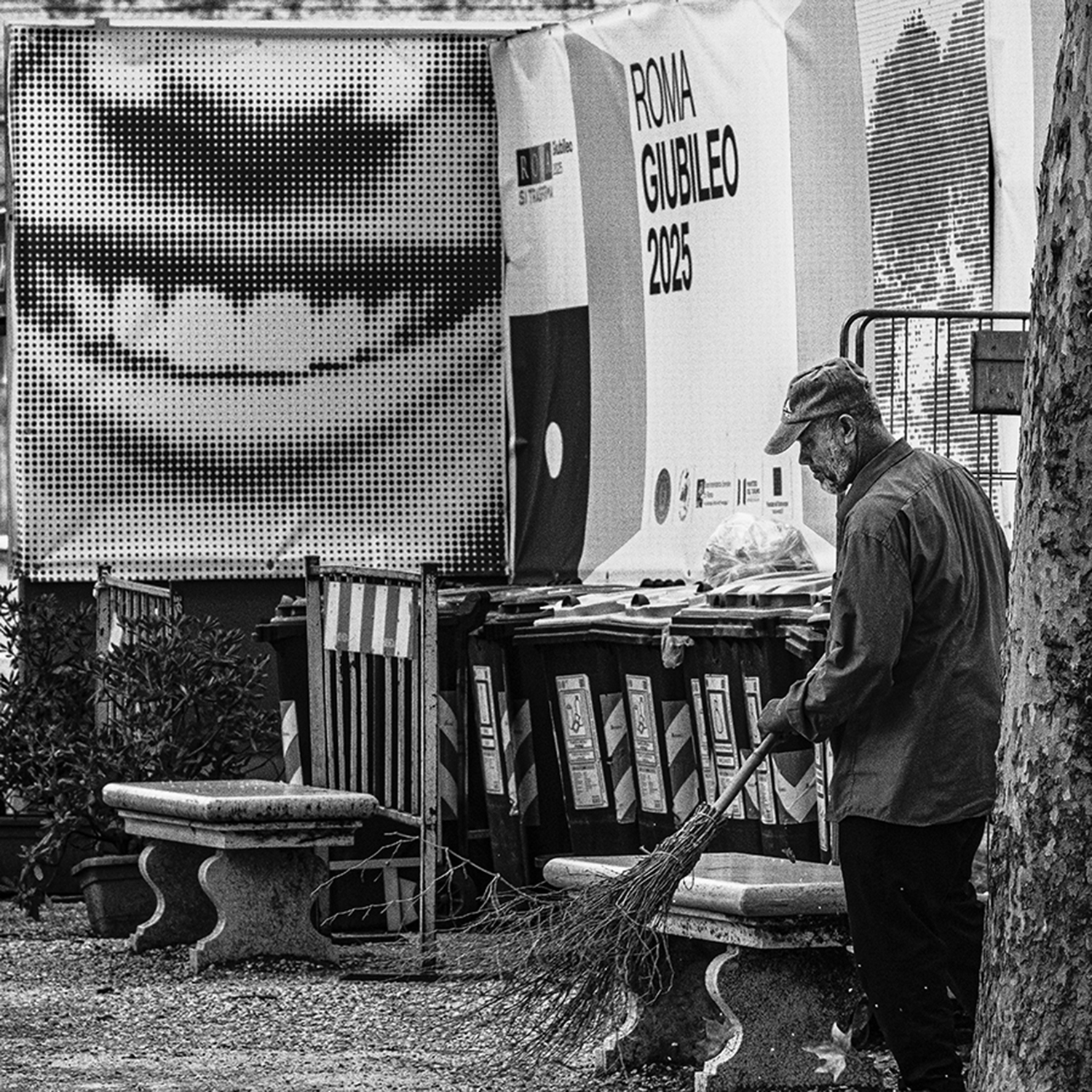
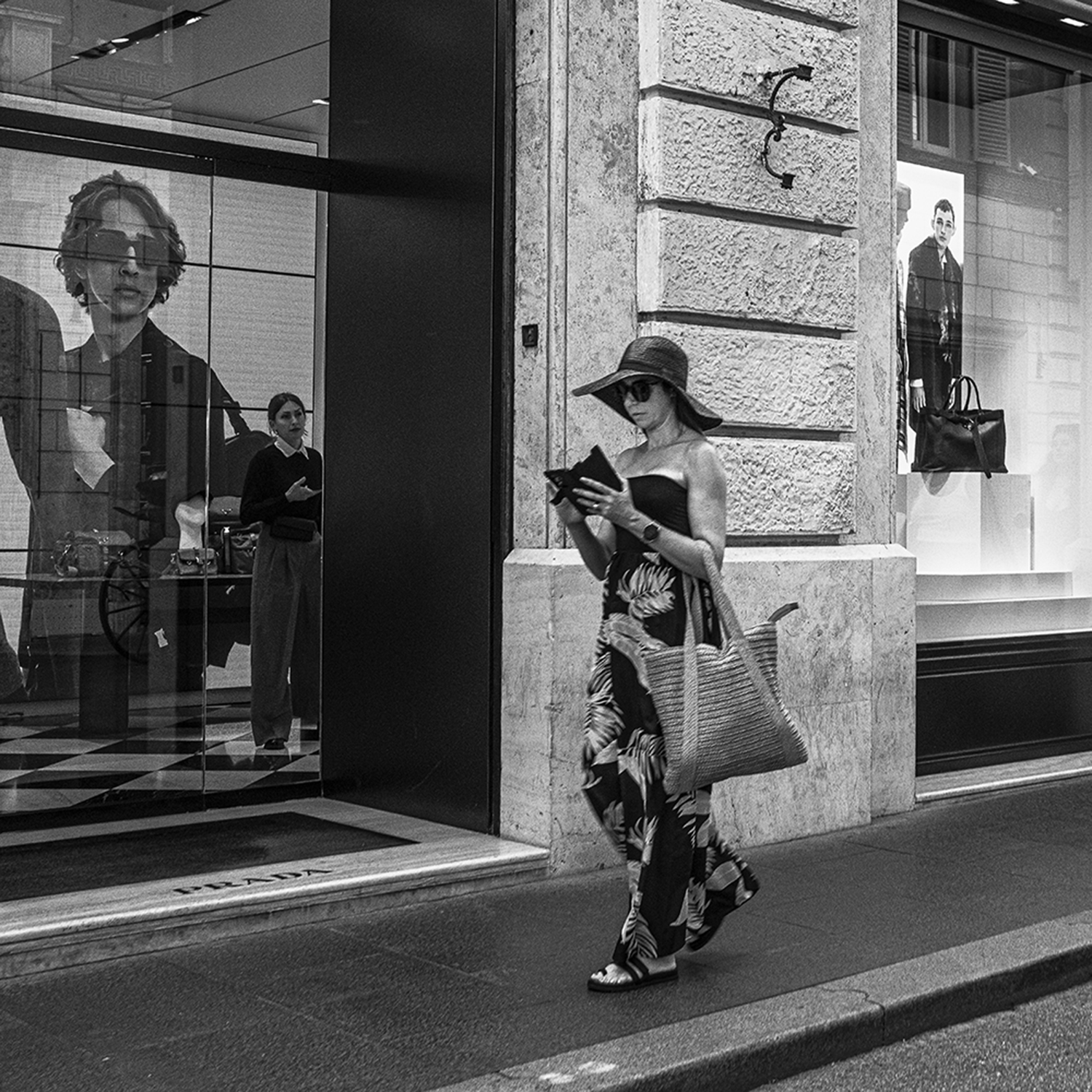
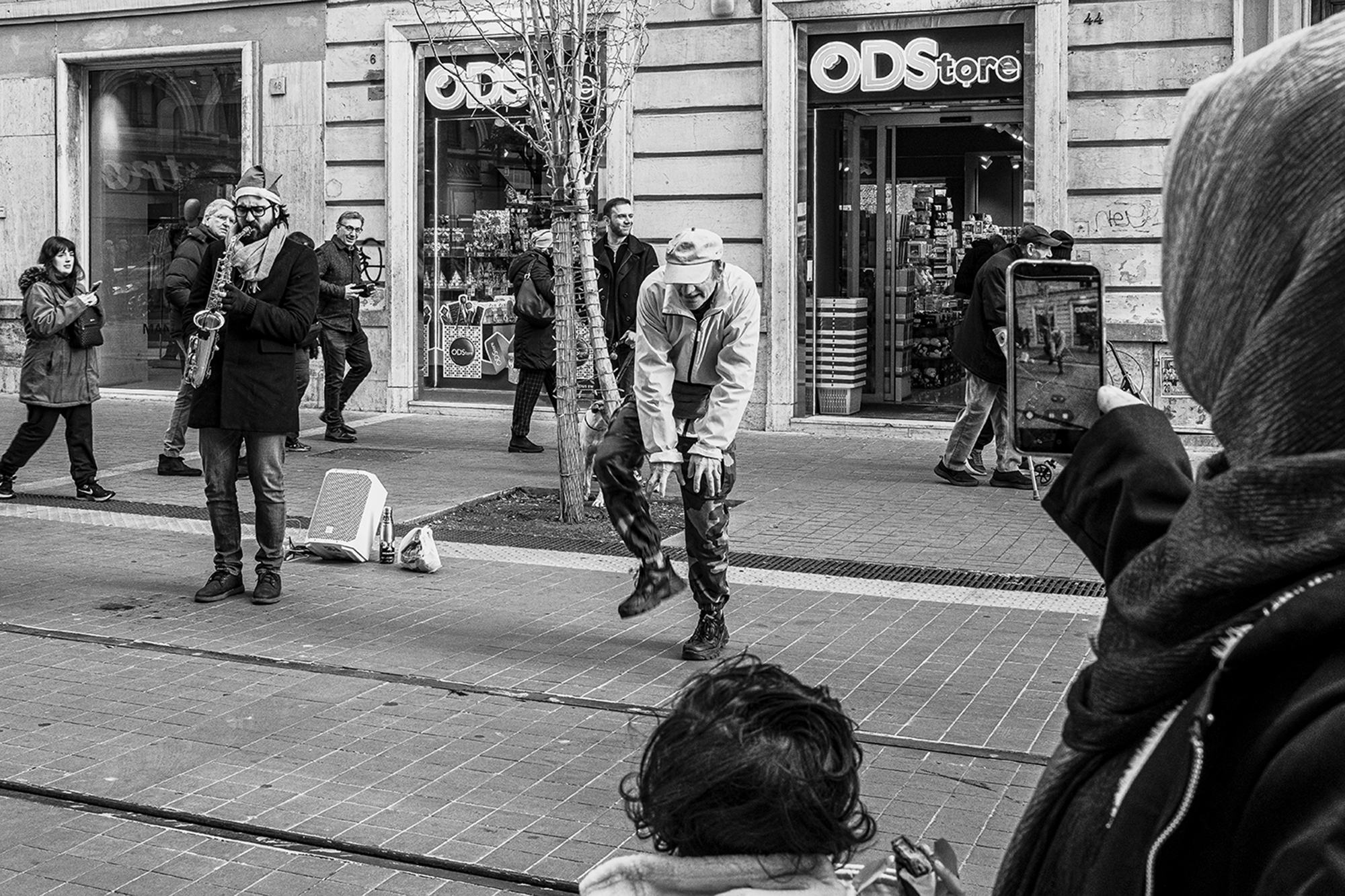
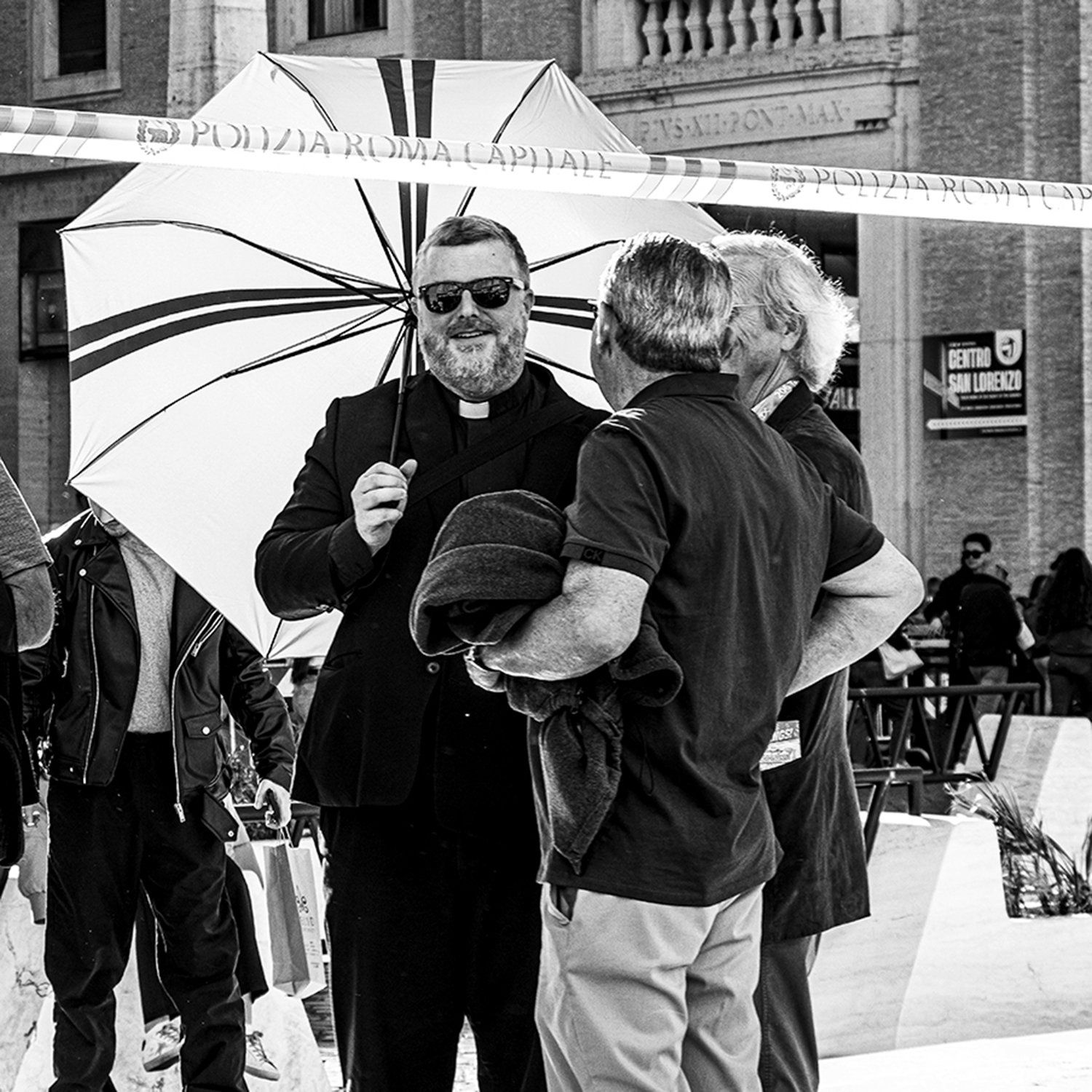
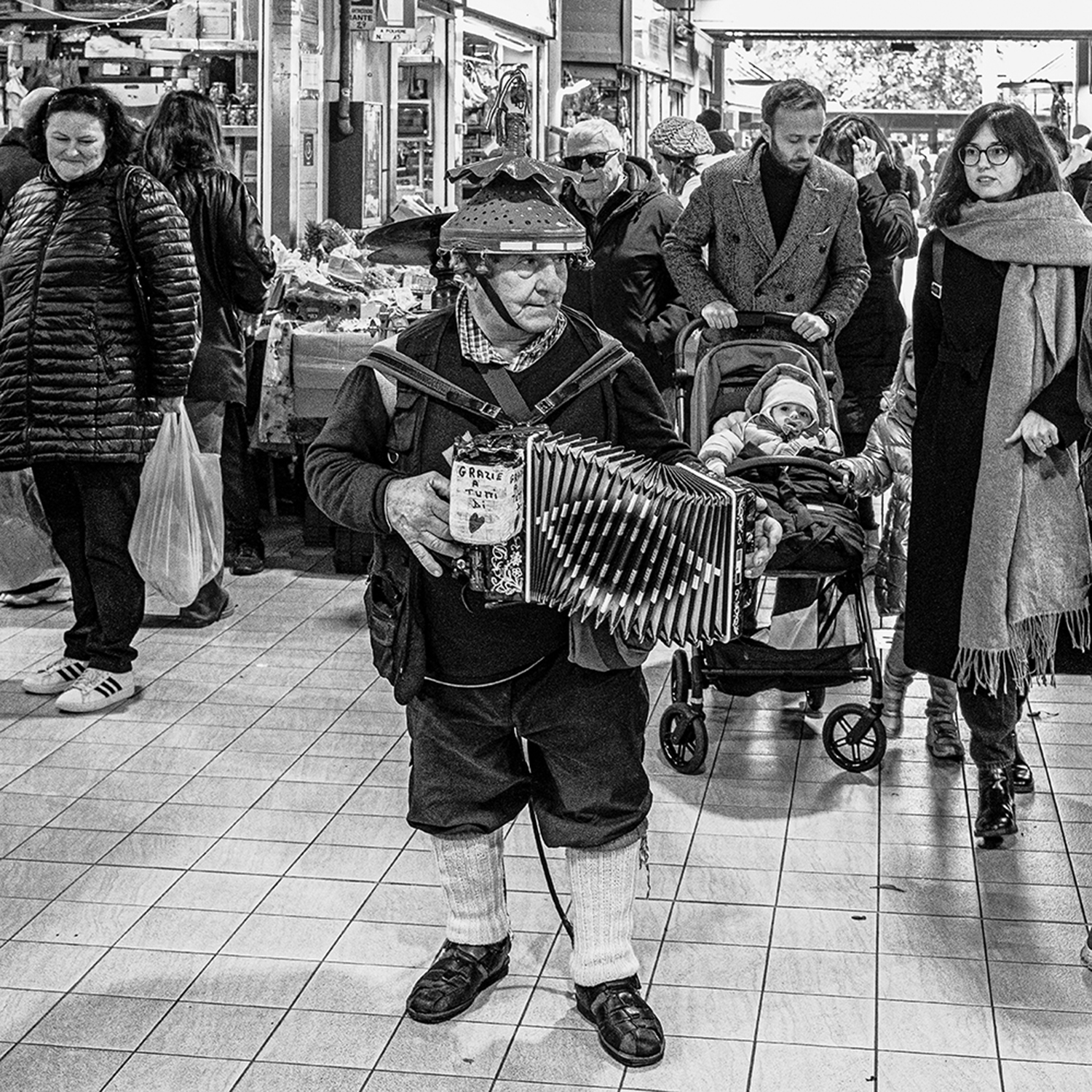
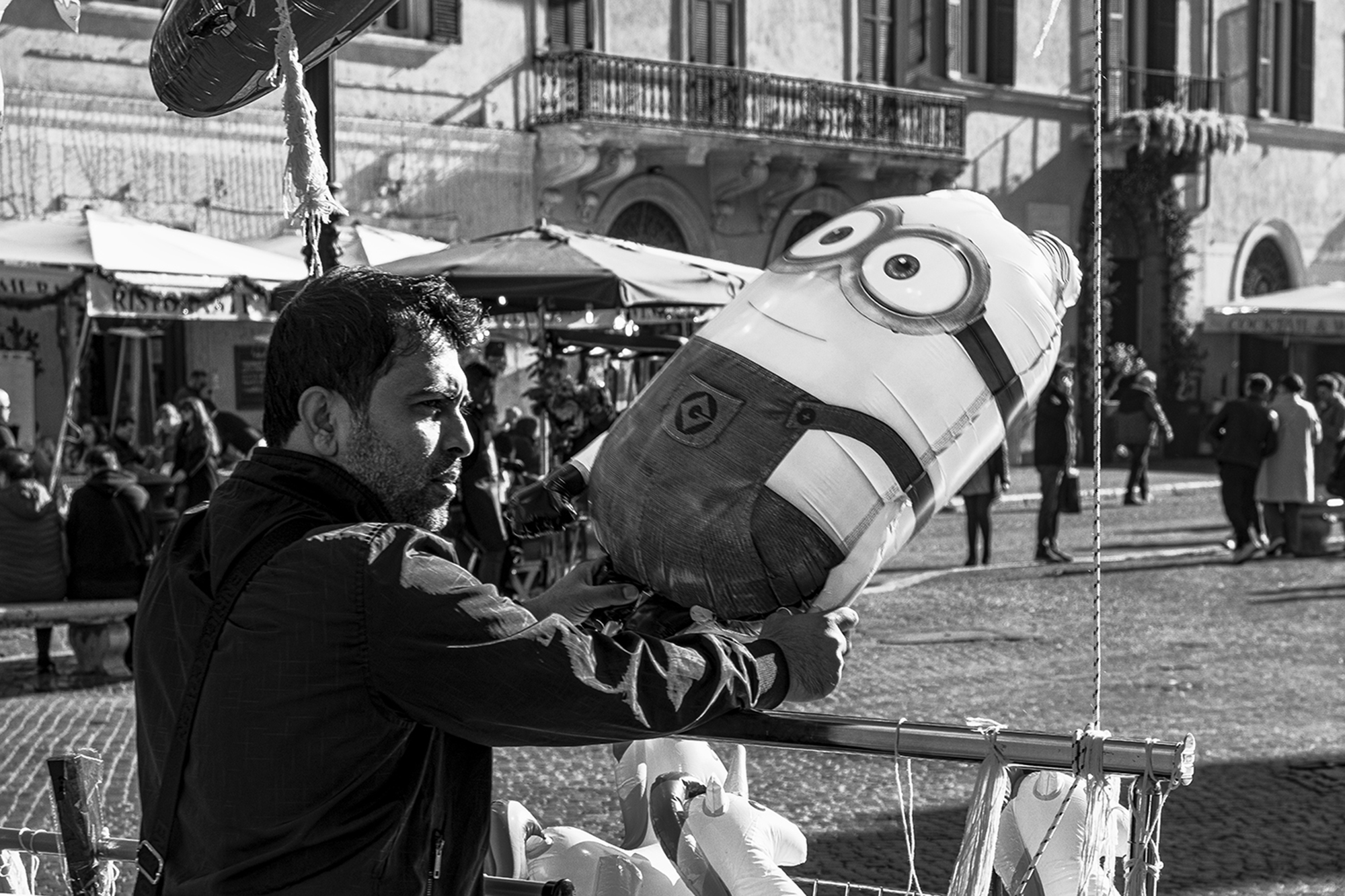
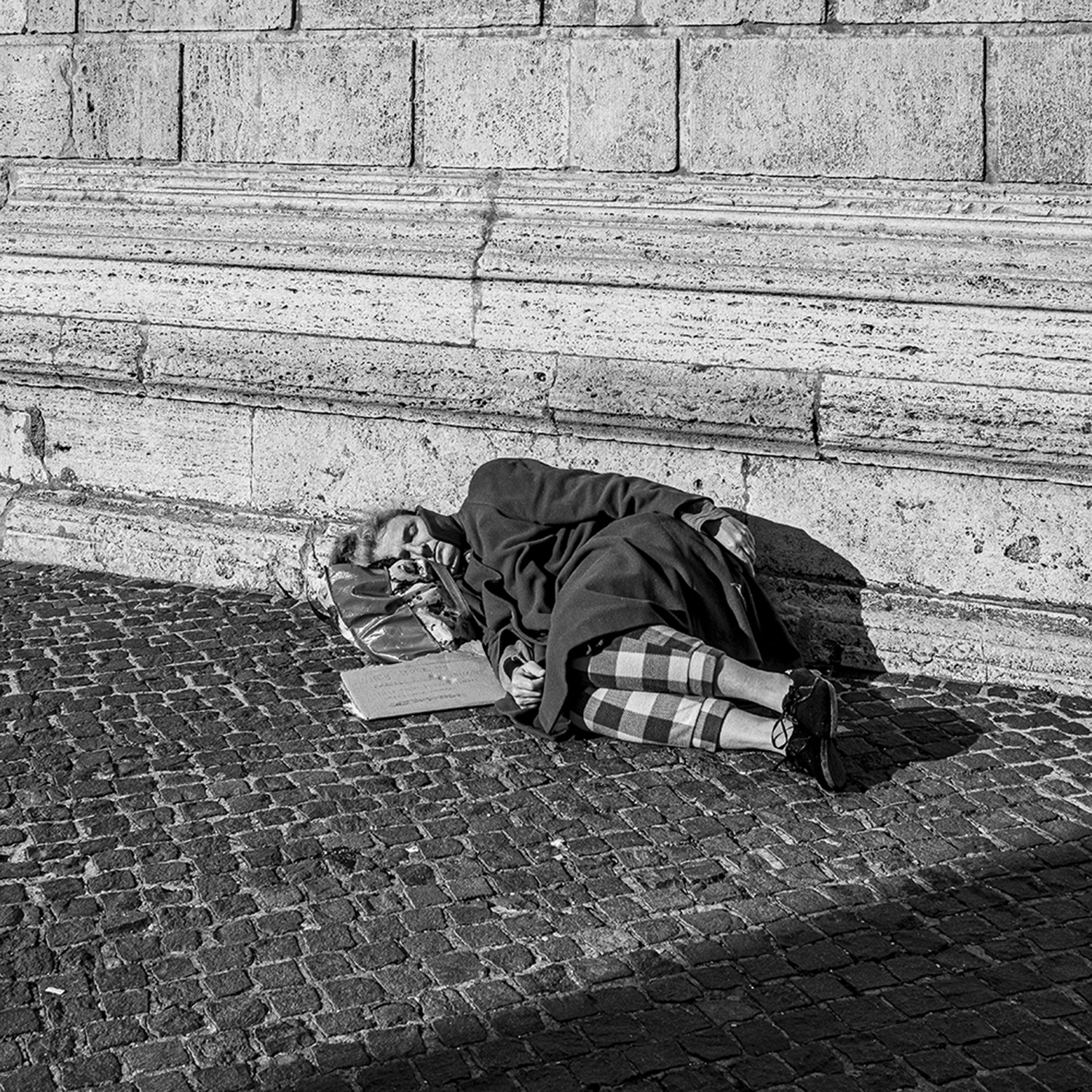
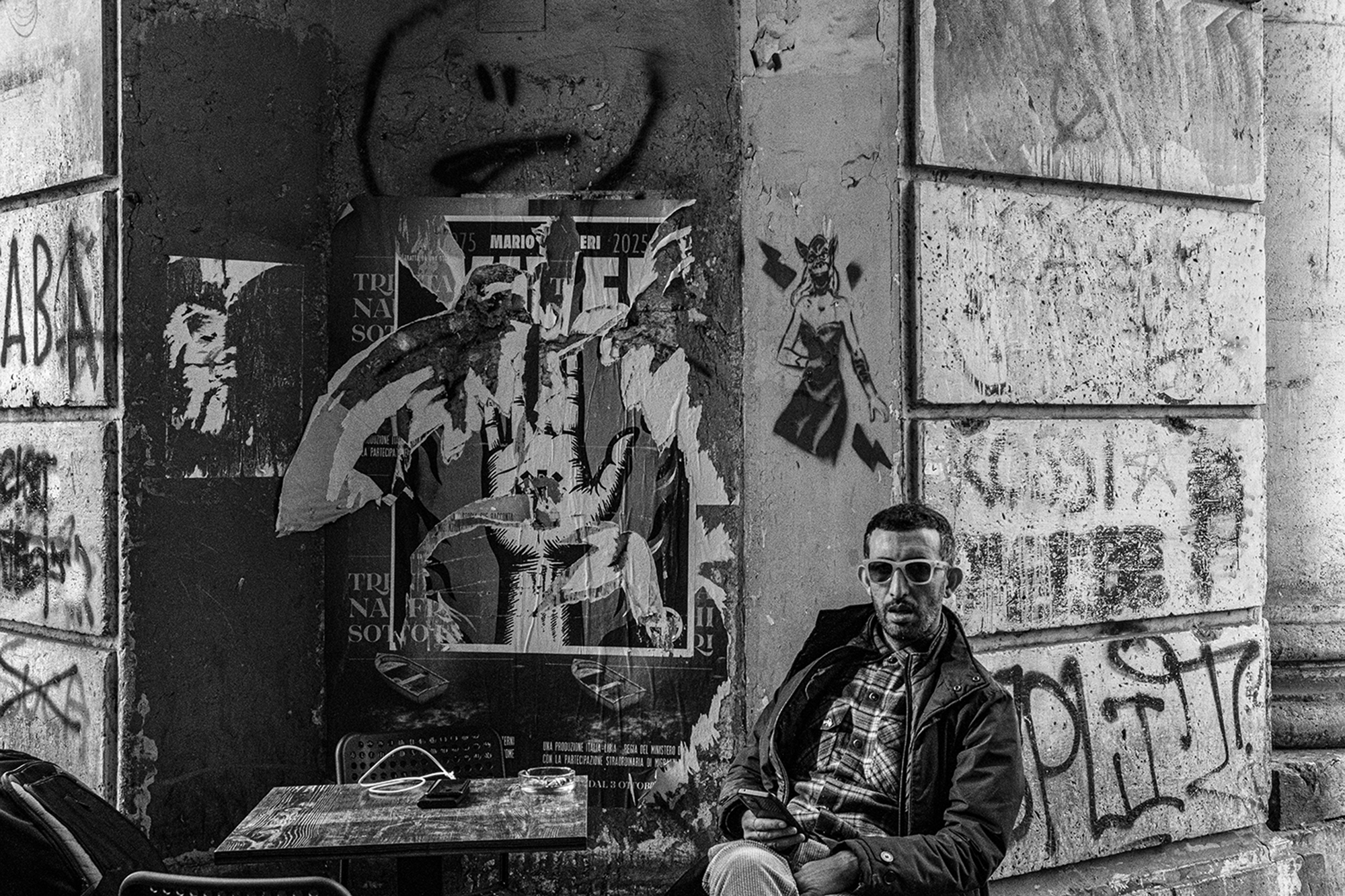
And so the protagonist can no longer be the Romantic and Luciferian Pjechorin of Lermontov’s novel, from which the title of this collection is taken, but instead a series of anonymous and superfluous characters, ridiculous or melancholic heroes of a sort of Opera Buffa, character actors in the farce of a new frivolous Belle Epoque that dances on the deck of the Titanic; minor characters who distractedly turn their backs on the underground rumblings heralding the unspeakable upheavals that I fear will soon overwhelm us all.