STOP WAR


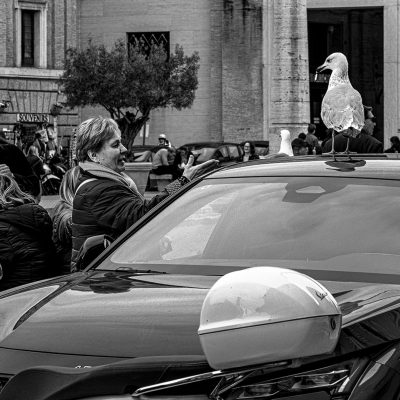
Photography, by its very nature and from its earliest manifestations dating back nearly two centuries, frames and crops a small piece of reality—obviously chosen by the photographer—and transforms it into something else: a photographic image that, by the very fact of having been taken—altering and interrupting the space-time flow of the reality it seeks to faithfully reproduce—becomes something radically different, manipulating it more or less consciously.
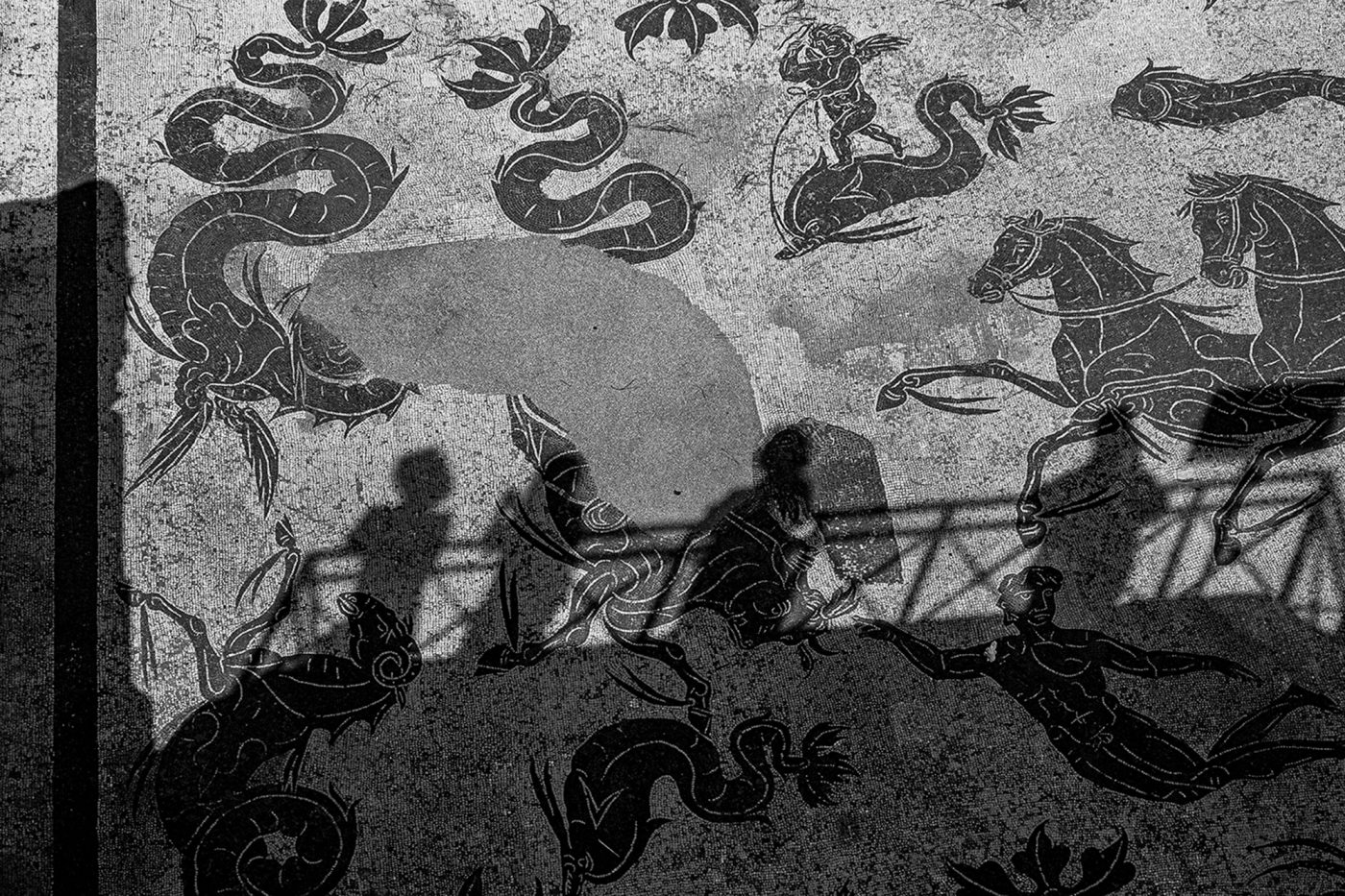
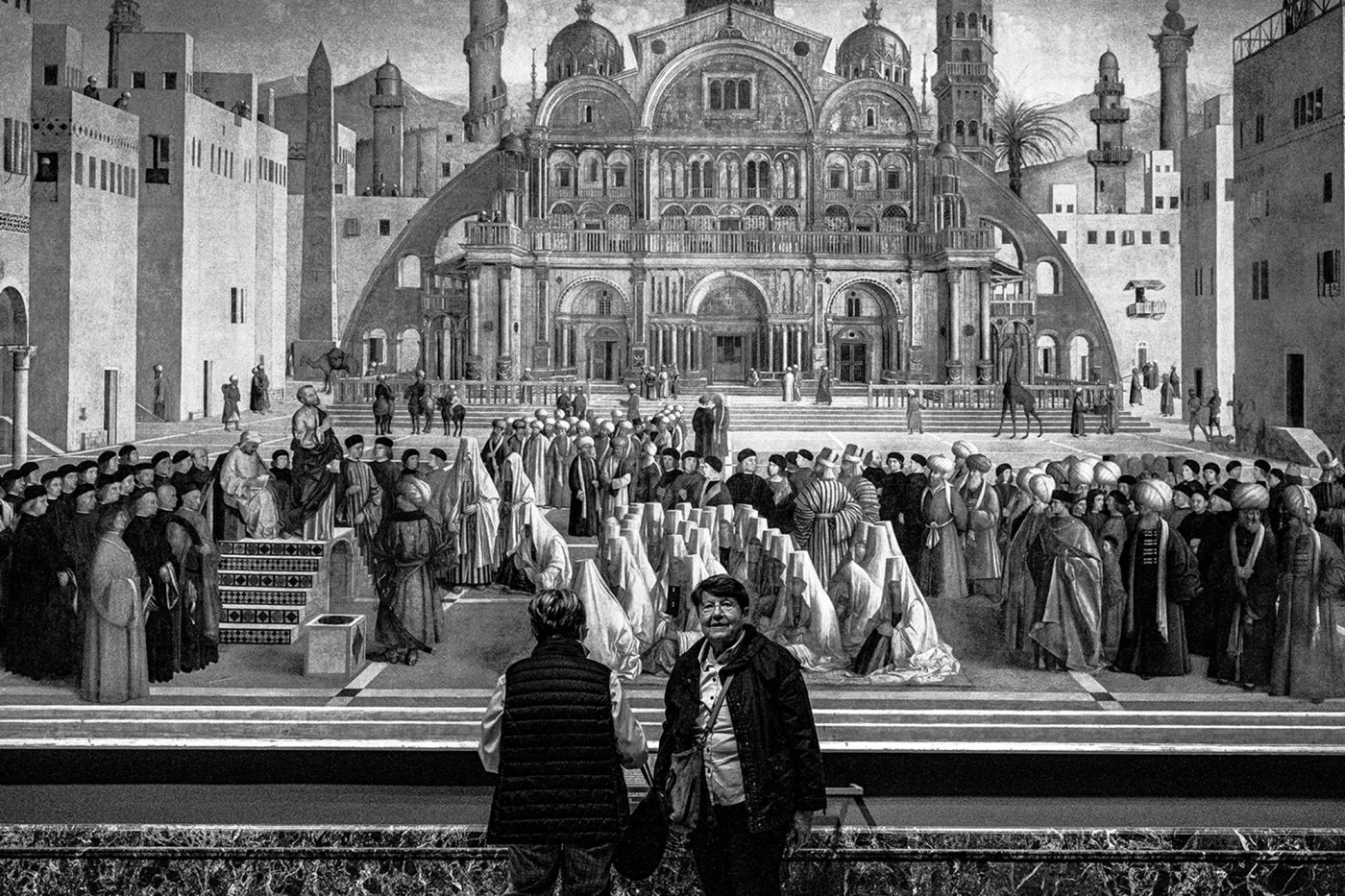
And at the same time, by choosing the background elements to relate to one or more subjects—which are themselves related to one another—a relationship obviously suggested by a proximity that may be purely coincidental, or by the framing, or by the suspension of the flow of time, the photographer smuggles in elements of a composition that derive solely from his or her way of seeing and depicting, so that even the eye of the viewer of that image passes through those elements to reconstruct it as the author intends.
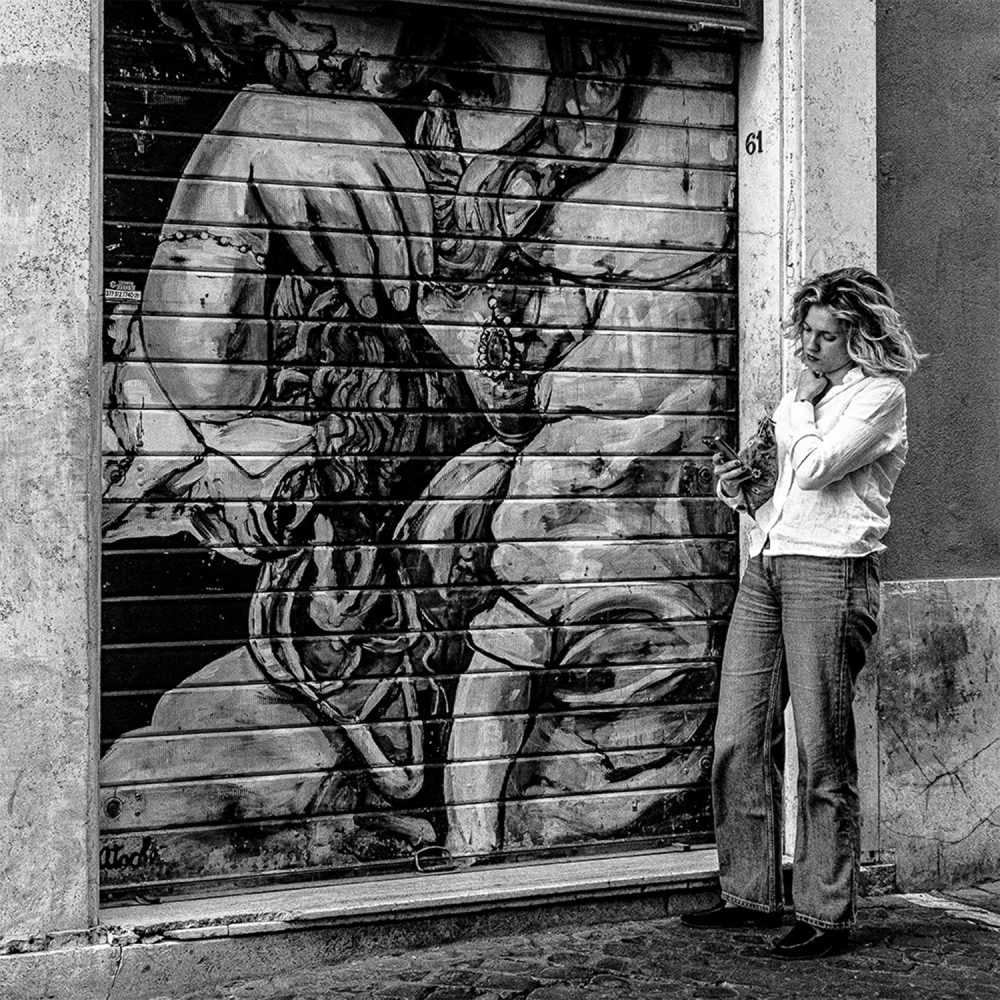
It is in this tension between the desire for faithful reproduction and documentation, on the one hand, and more or less deliberate alteration based on one’s own perspectives and convictions, on the other—in this shifting and elusive boundary—that the ambiguous allure of every photograph lies.
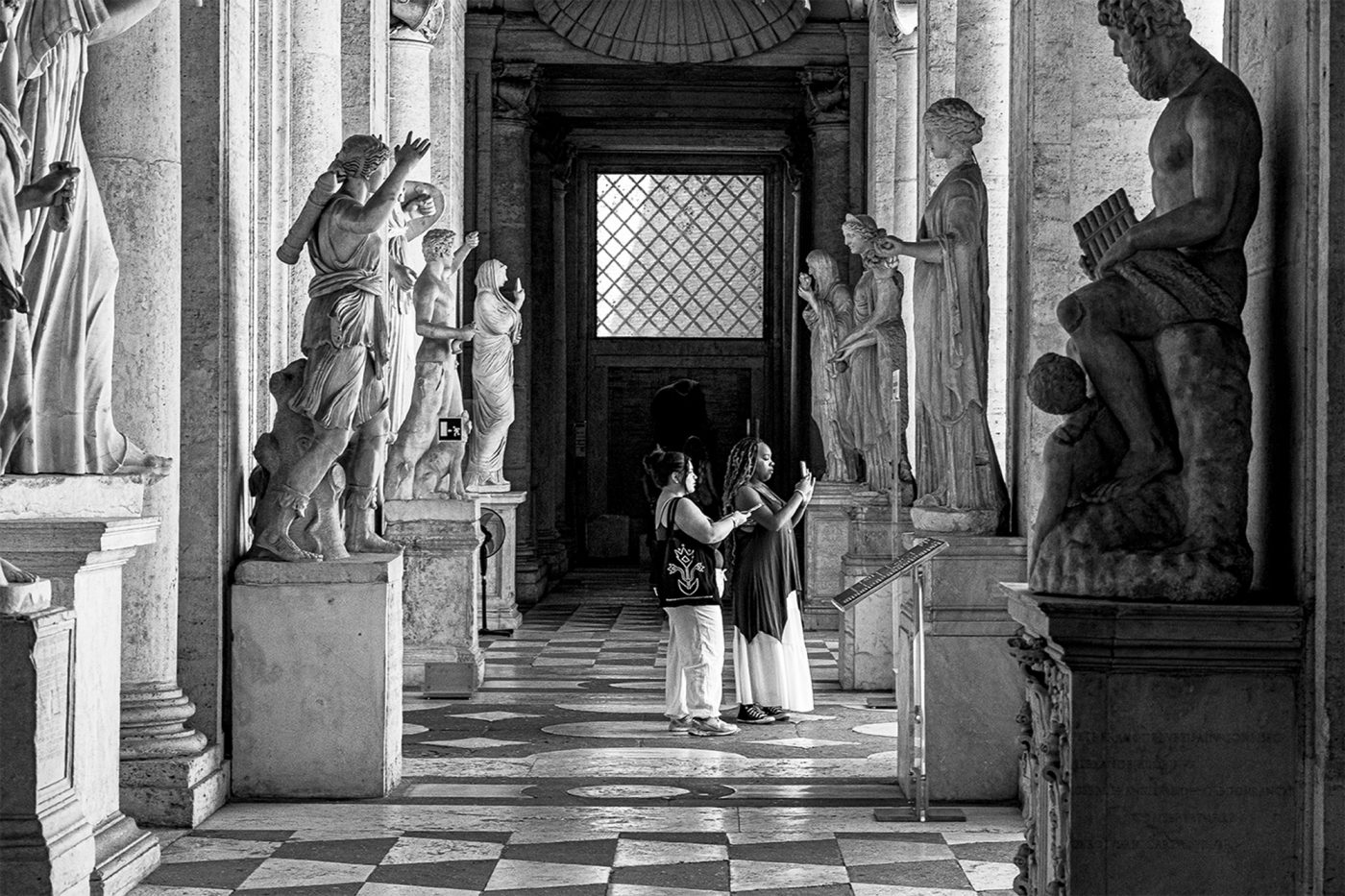
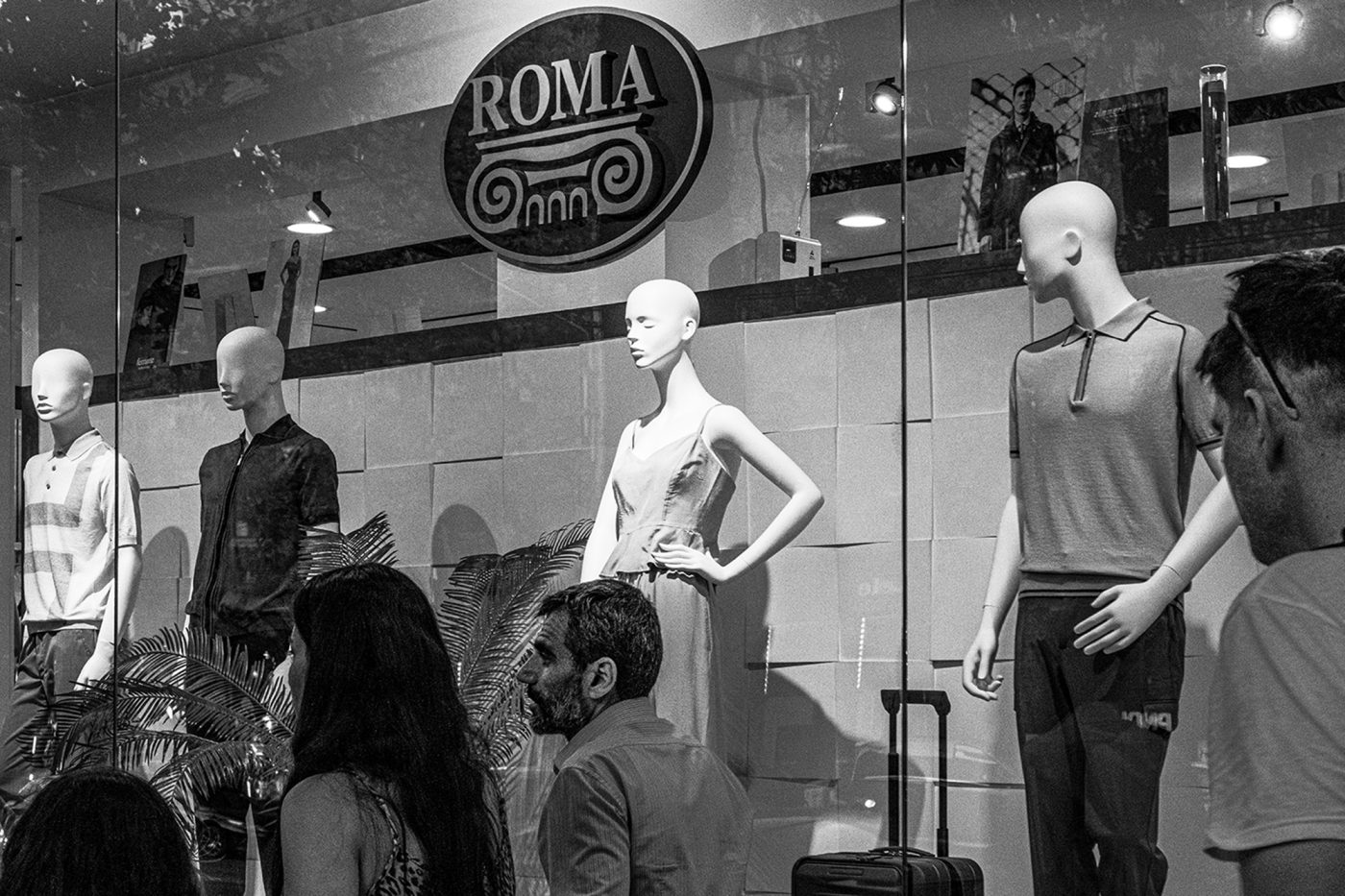
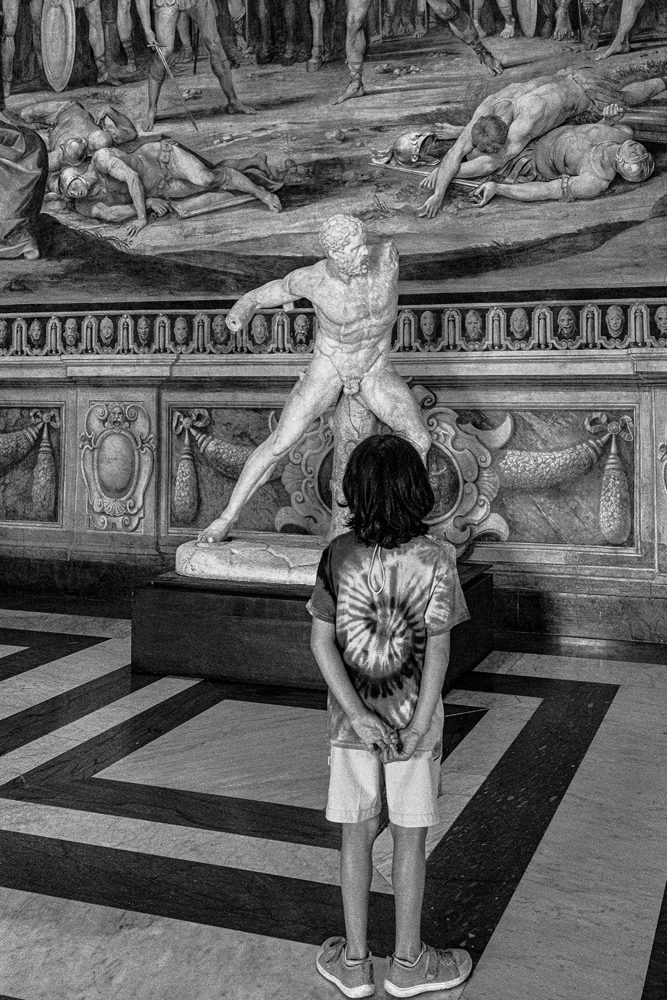
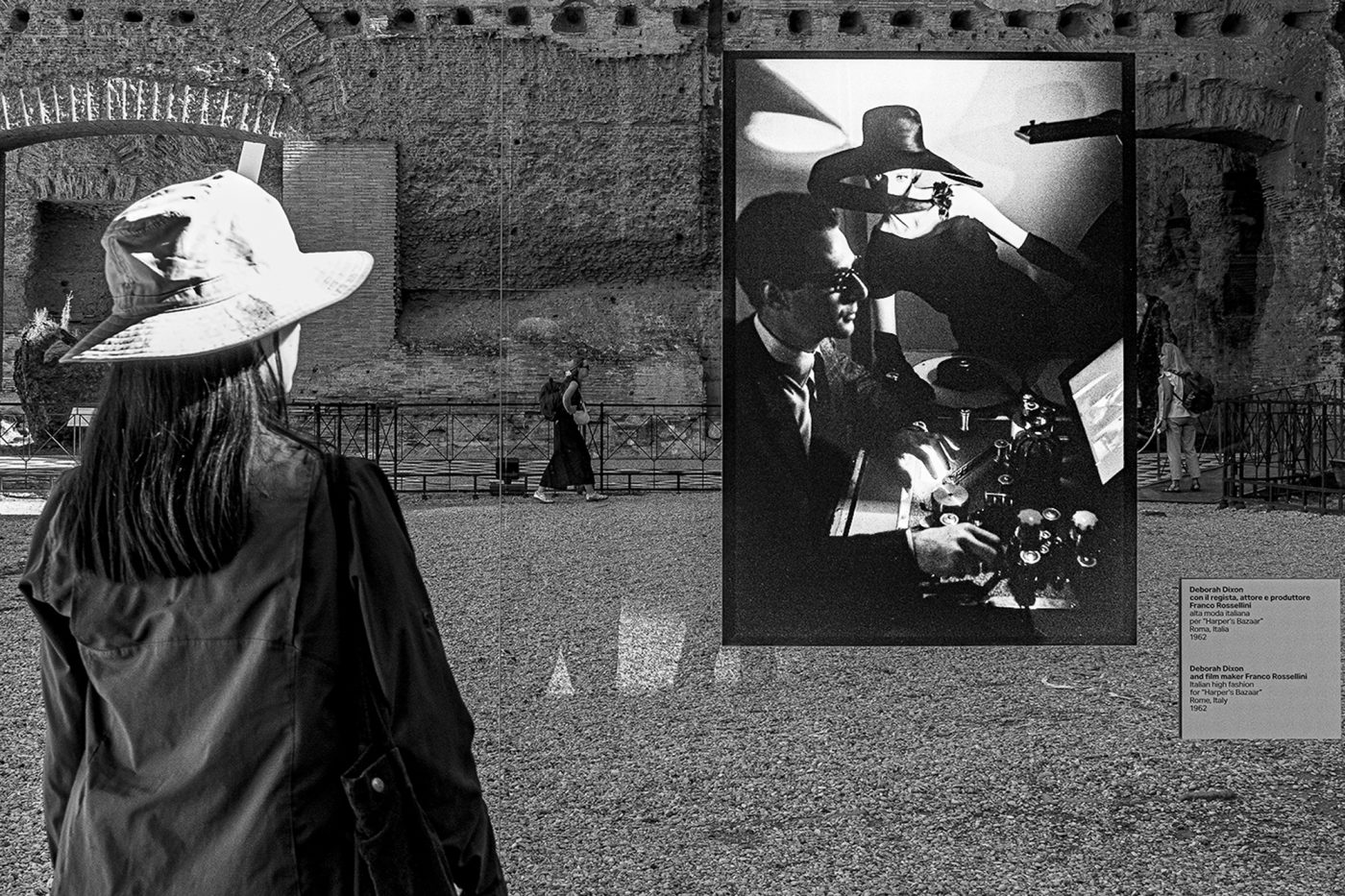
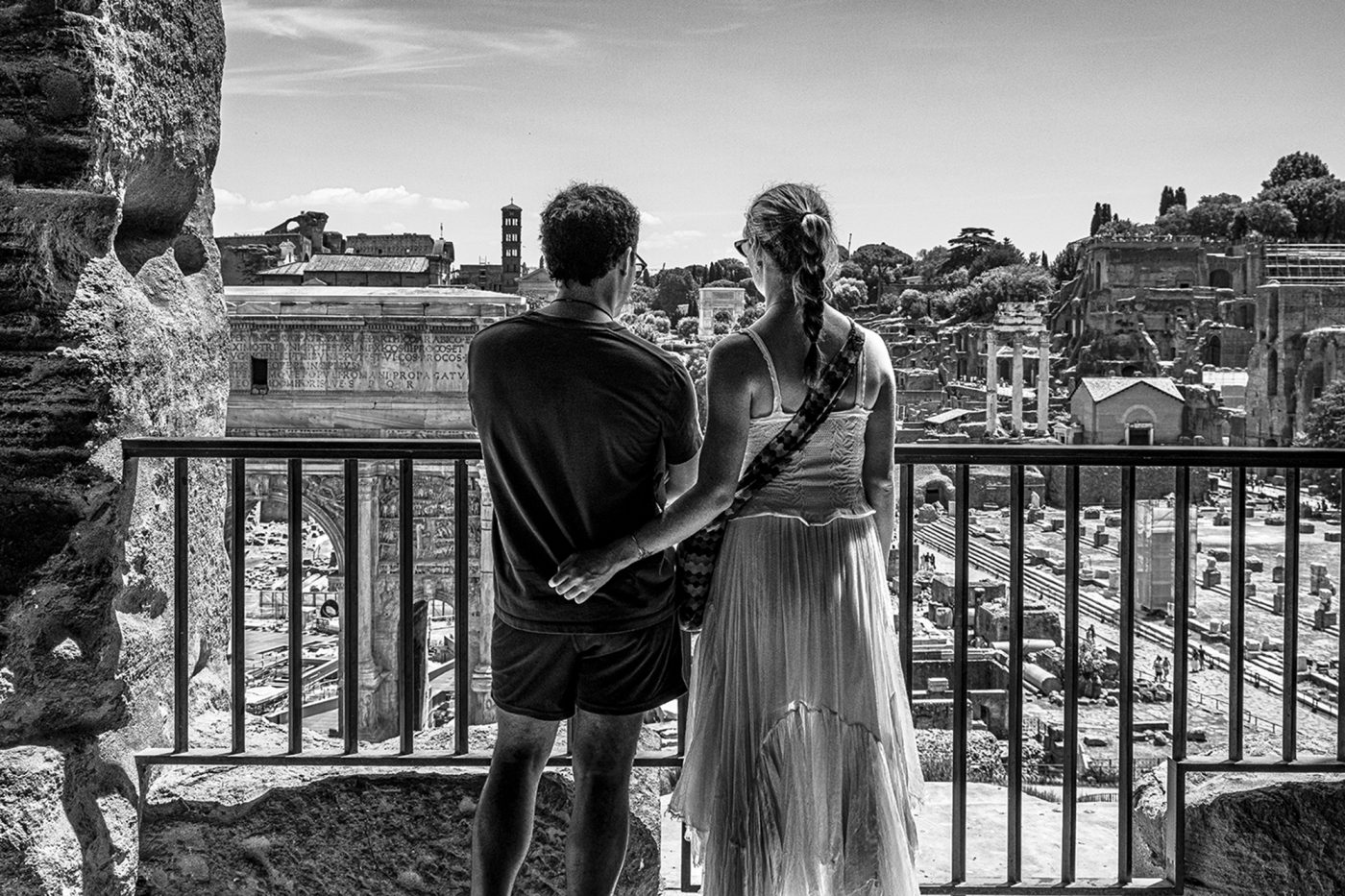
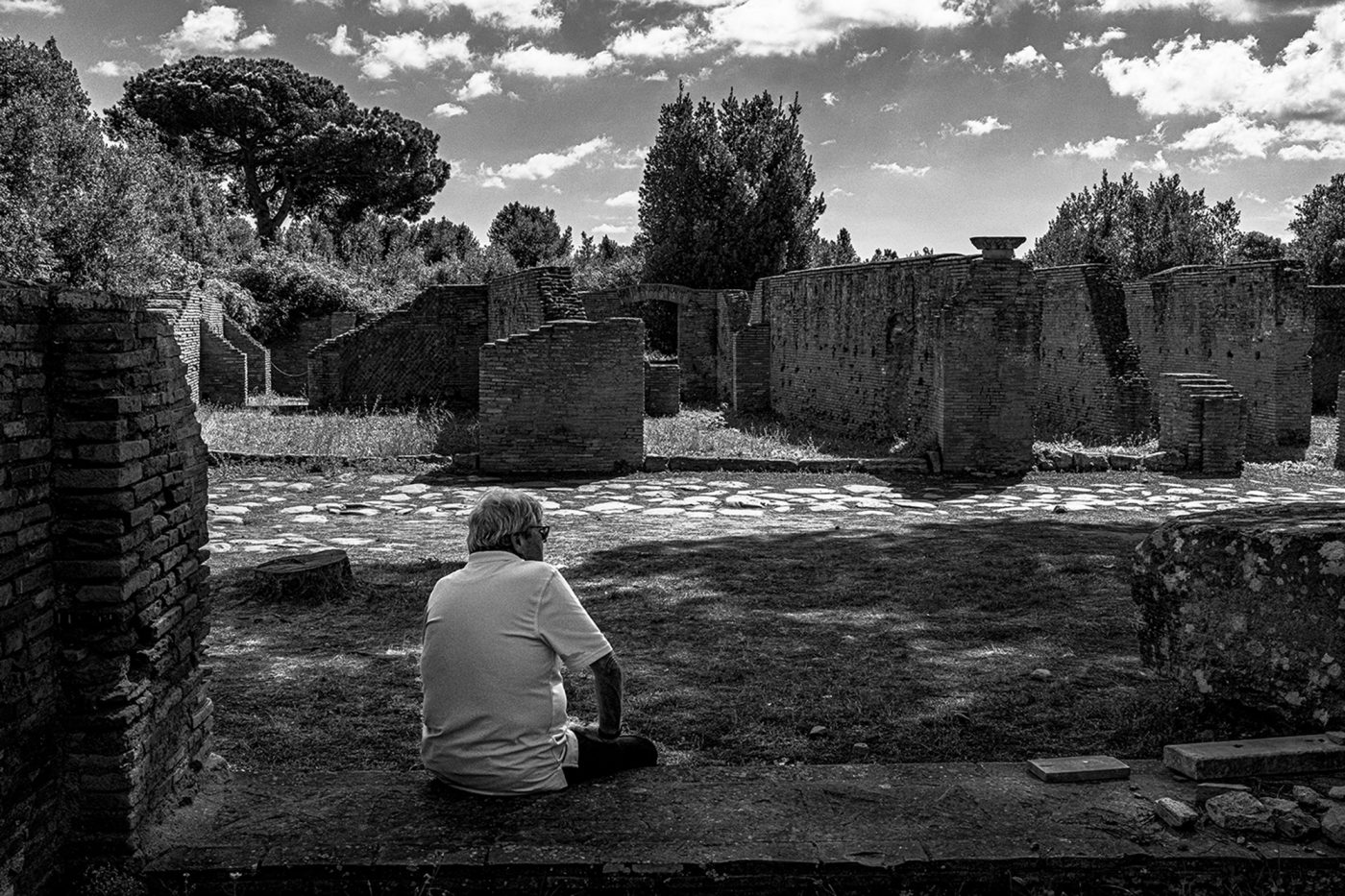
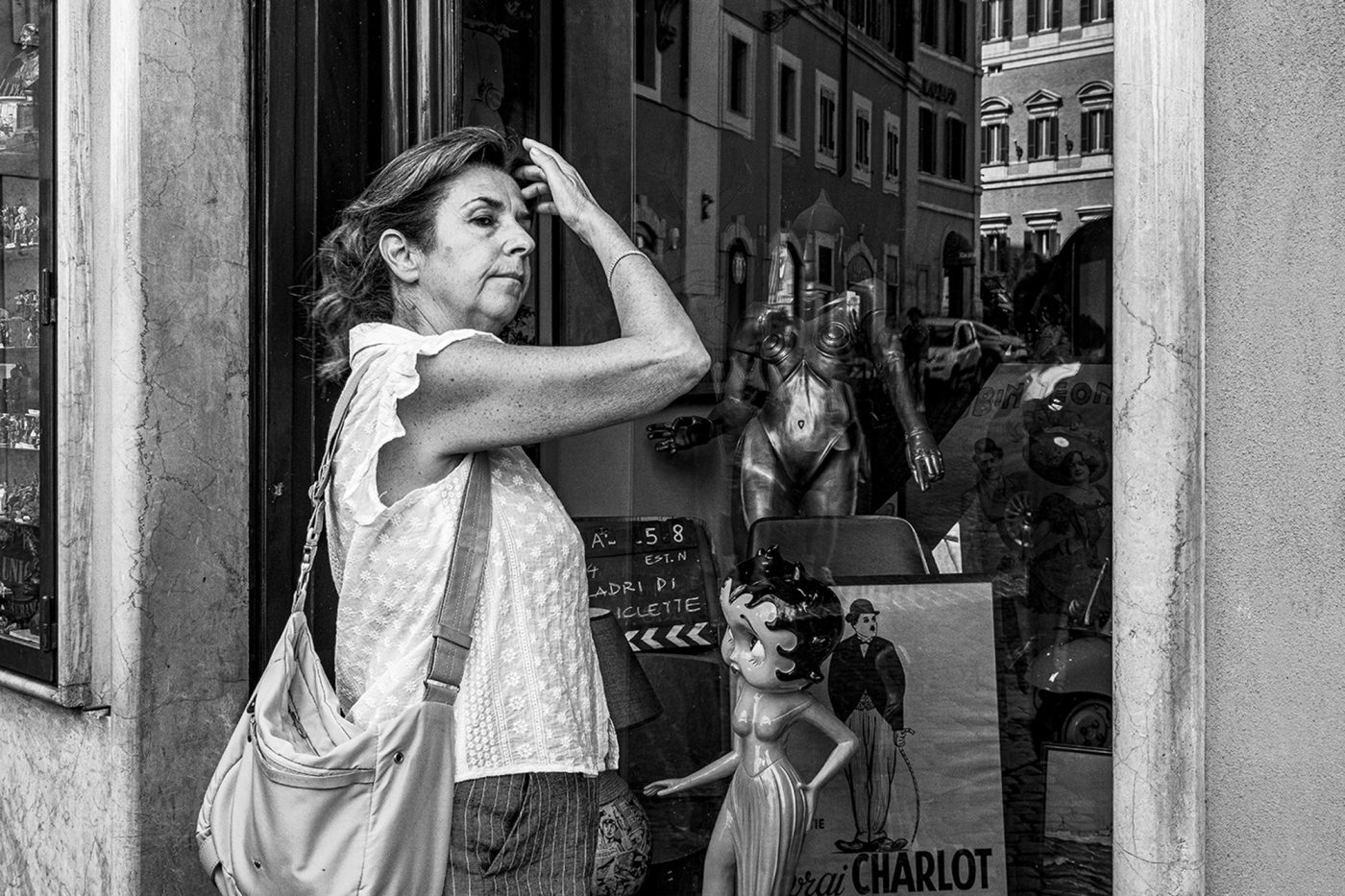
These, however, are serious and weighty topics; they could be mistaken for parodies of a treatise on image theory. I, on the other hand, prefer not to take myself too seriously and instead offer this small series—composed of photographs taken at different times and places—as food for thought, with a touch of irony and lightheartedness, on the theme of “looking through” a photographic image.