STOP WAR



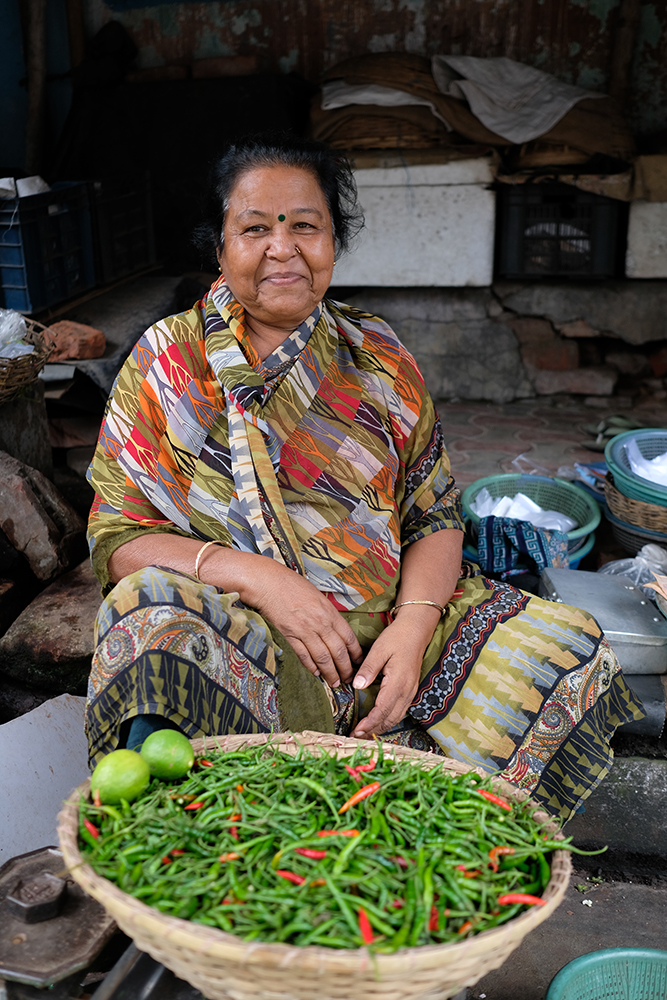
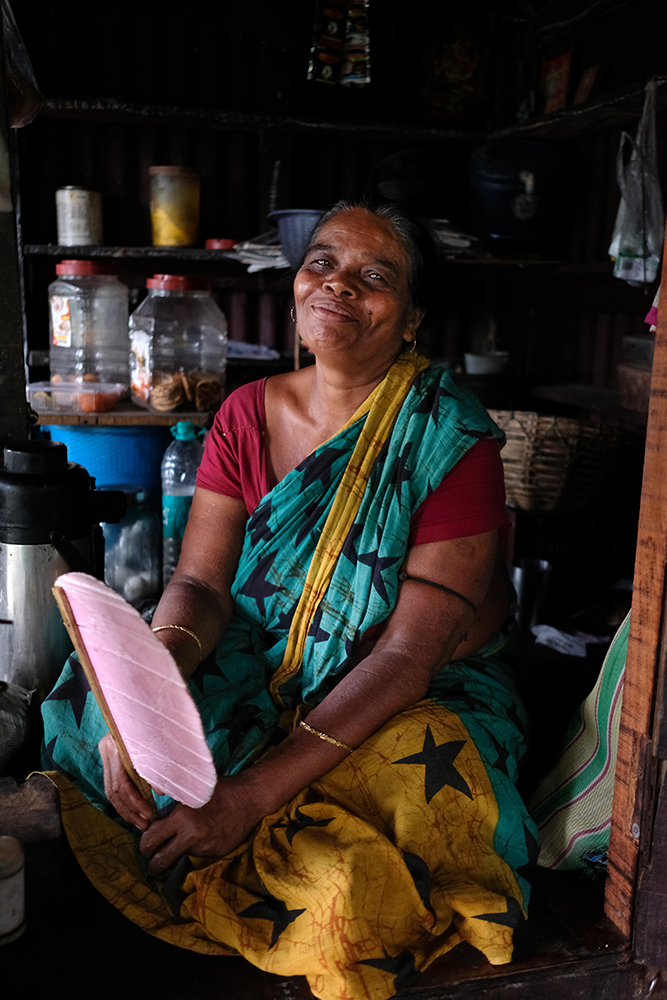
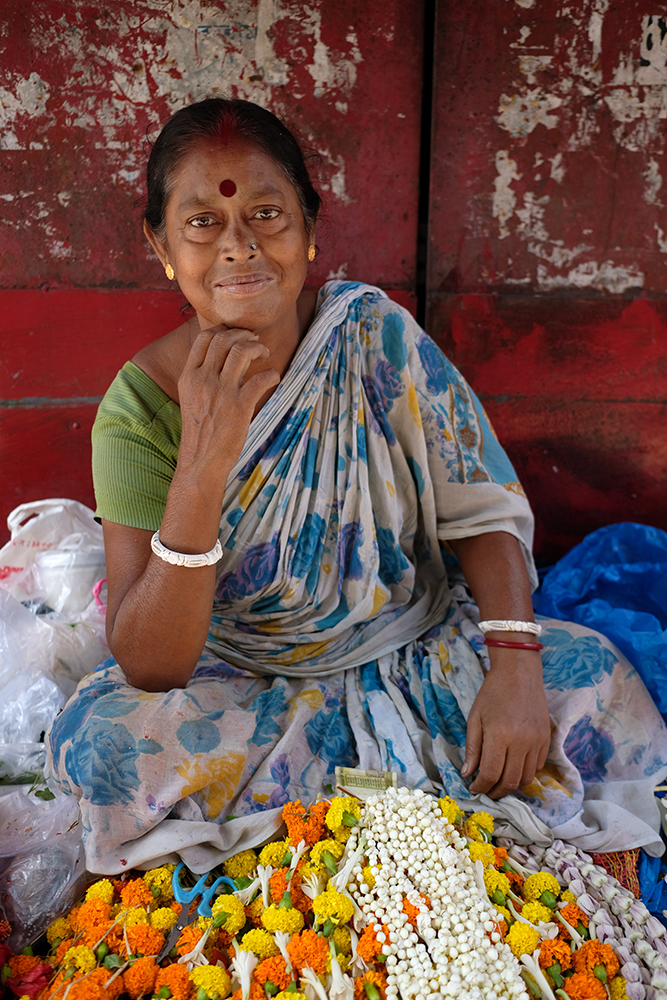
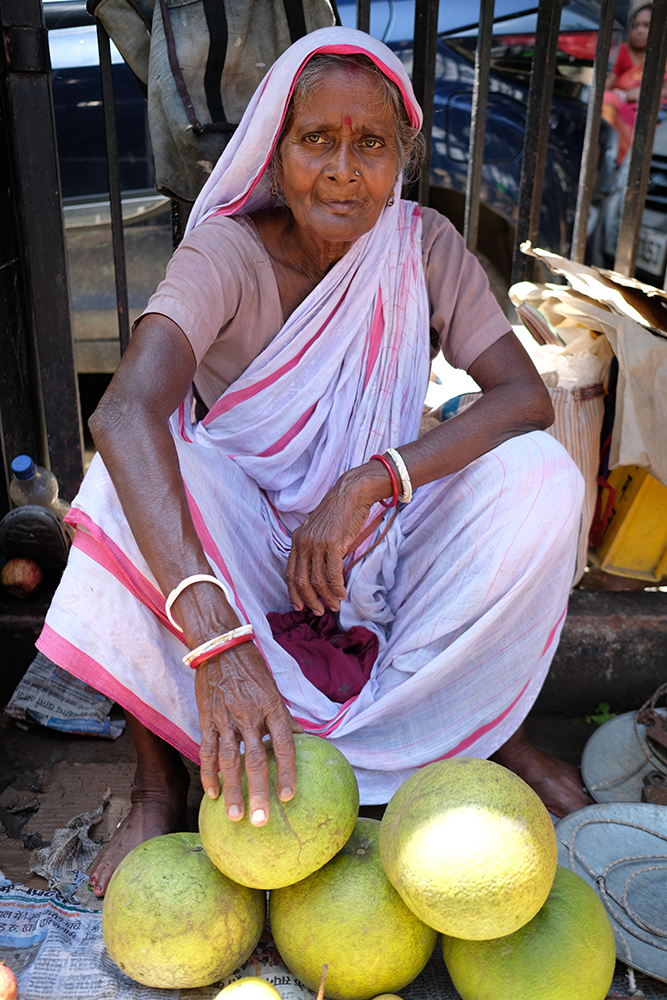
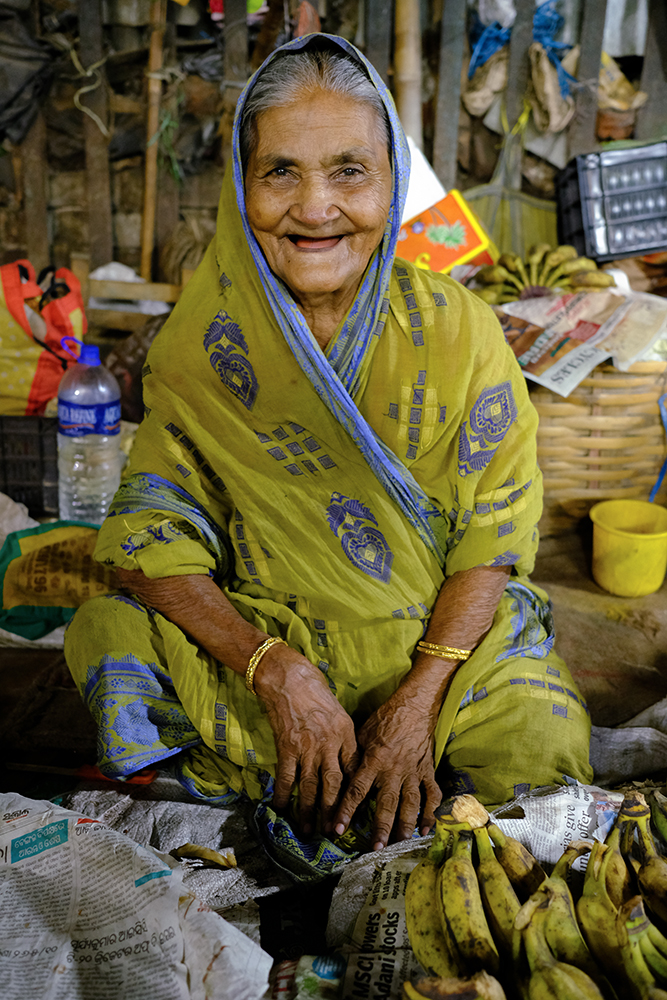
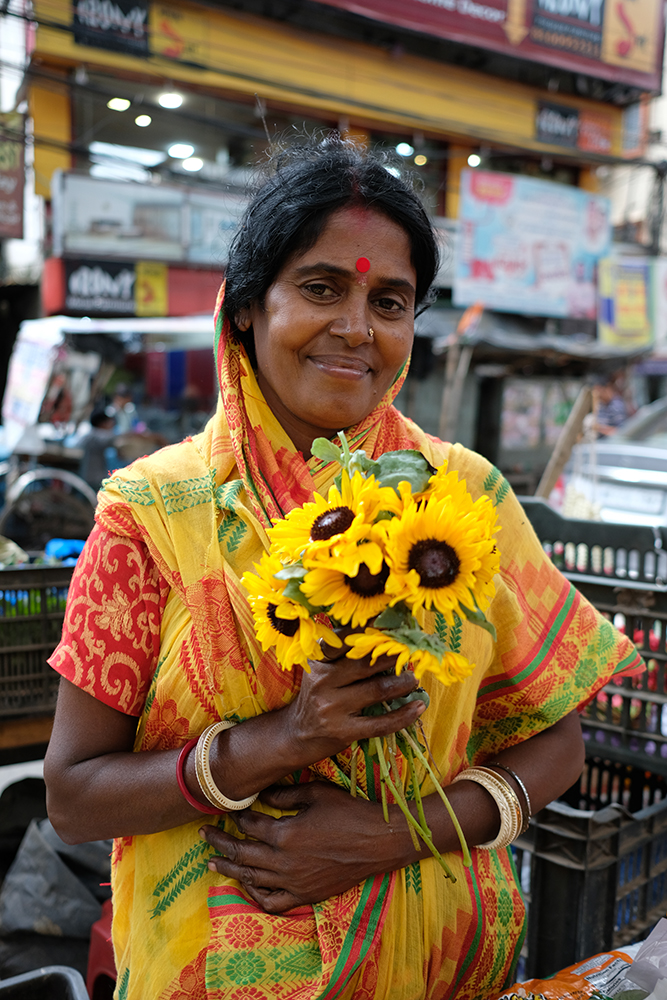
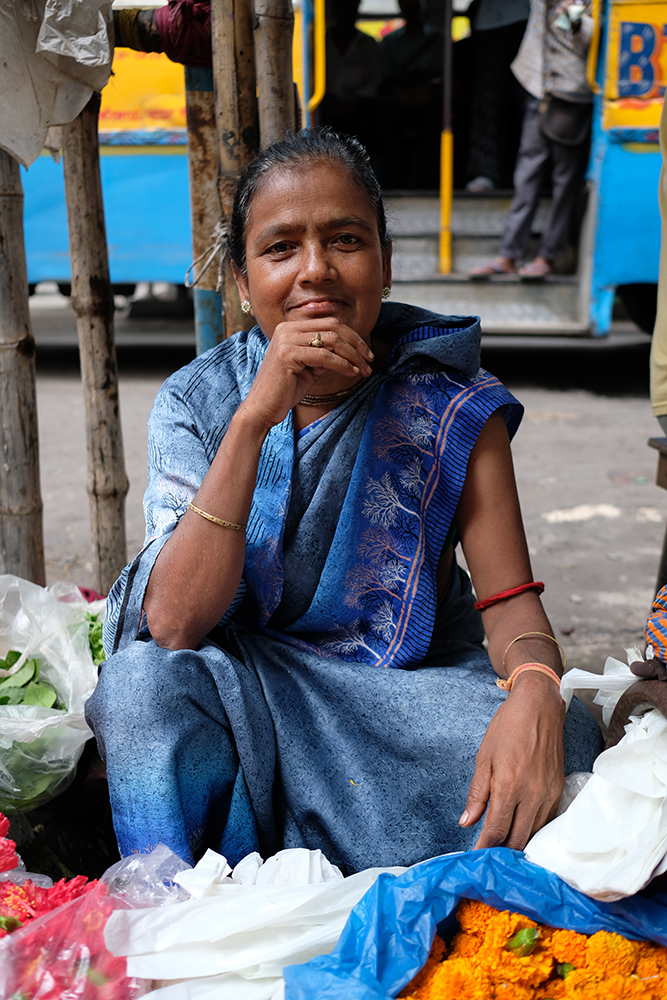
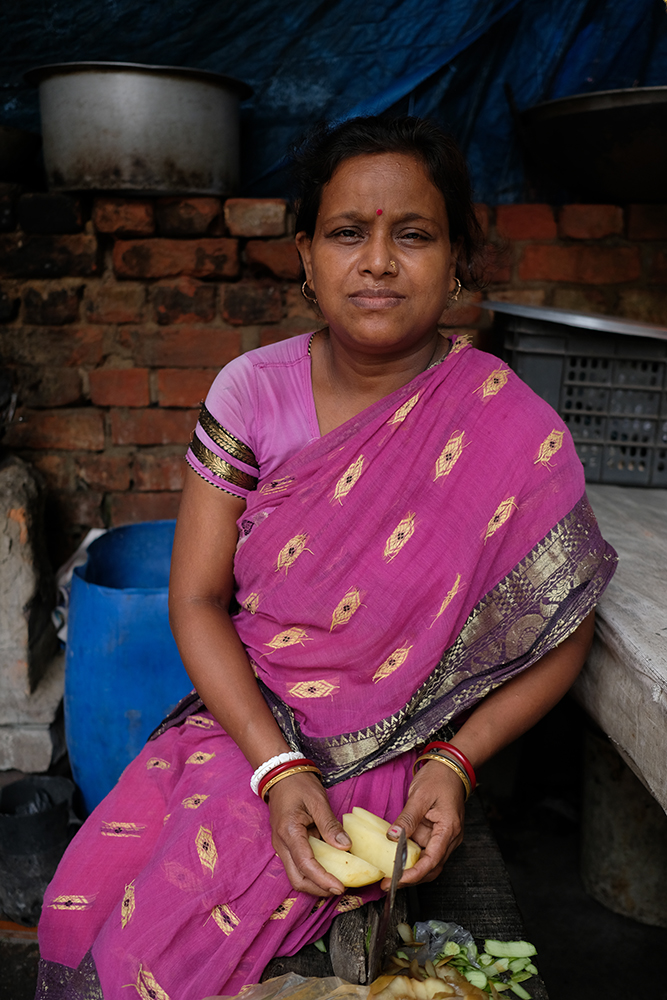
In the bustling streets and markets of Kolkata, women sit behind baskets of vegetables, flowers, fruits and everyday necessities, earning their livelihoods amid the relentless movement of the city. Their presence is woven into the fabric of everyday urban life. Thousands of people encounter them daily, buying their produce, exchanging a few words, or simply passing by. Yet beyond these brief encounters, their individual identities often remain unnoticed.
This photographic documentary was undertaken during a seven-day documentary photography workshop conducted by the distinguished Bangladeshi documentary photographer Abir Abdullah and organised by Photography A Passion, a photography group based in Kolkata, India.
My objective was to create a series of environmental portraits of female street vendors, capturing not only their faces but also the surroundings in which they spend much of their working lives. Rather than photographing them discreetly from a distance, I wanted to establish a personal connection and invite them to participate in the making of their own portraits.
The process began with conversation. I approached each woman, introduced myself and explained why I wished to photograph her. Some were curious, others hesitant, and gaining their confidence required patience and sincerity. Many had seldom, if ever, experienced the opportunity to have a portrait taken especially for them.
Once they agreed, I encouraged them to pose as they might for a formal portrait, looking directly into the camera and smiling if they felt comfortable. I wanted each woman to experience the attention and consideration ordinarily associated with a carefully arranged portrait, rather than becoming another anonymous face in a crowded marketplace.
Their workplaces became their studios. Baskets of vegetables, colourful flowers, fresh fruits, modest stalls and the surrounding streets formed the backgrounds against which their individual personalities emerged. I deliberately retained these environmental details because they were inseparable from the women’s everyday lives and occupations.
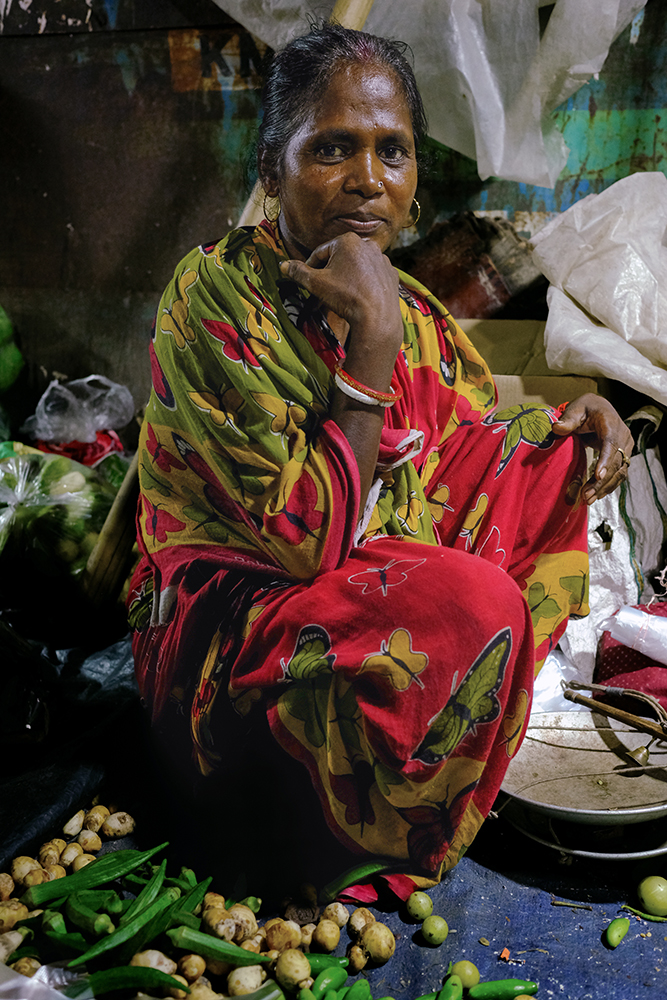
As the project progressed, I became increasingly aware of how a simple conversation could change the relationship between photographer and subject. Initial uncertainty often gave way to curiosity, conversation and eventually a smile. These moments of trust were as important to me as the photographs themselves.
The intention was never to romanticise economic hardship or present poverty as a spectacle. I wanted to photograph these women with the same care, respect and attention that I would bring to any formal portrait. Their expressions revealed warmth, confidence, humour, resilience and individuality—qualities that cannot be reduced to their economic circumstances.
An essential part of my commitment was to provide each woman with a printed copy of her photograph, without charge. I felt that the portraits should not exist solely for the purpose of completing my documentary assignment. The women had generously given me their time and trust, and I wanted them to have something tangible from our encounter.
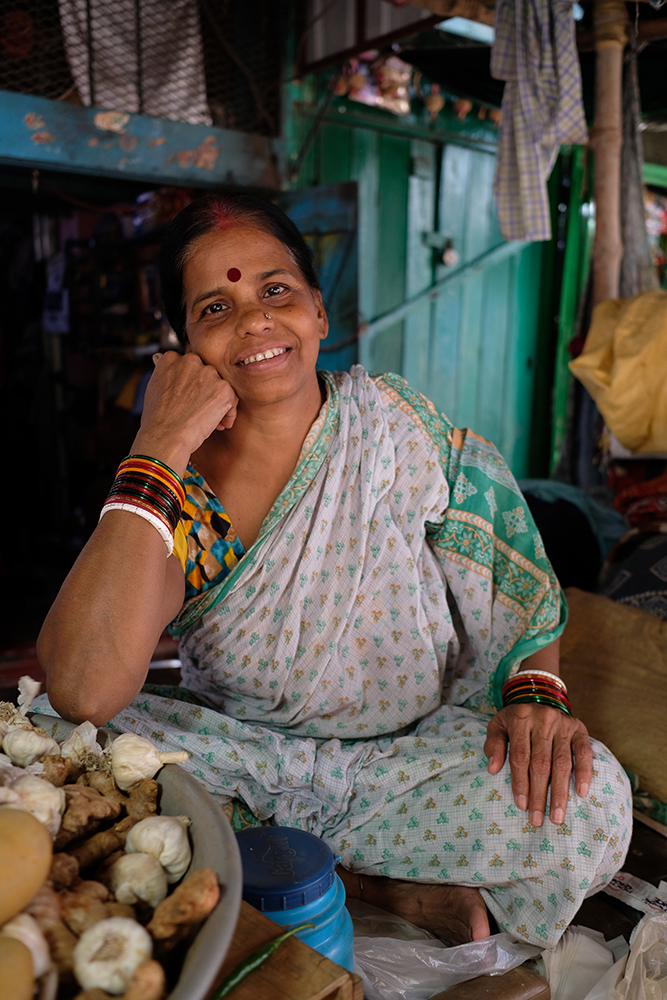
After completing the workshop, I arranged for the photographs to be printed and spent my final available day searching for the women at their respective locations. I managed to find some of them, but others were no longer at the places where we had met. With my flight back to Bangladesh approaching, I was unable to deliver every portrait. It remains one of the unfinished aspects of an otherwise deeply meaningful experience.
Looking back, what stays with me most is not simply the collection of photographs, but the encounters that made them possible. I remember the conversations, the moments of hesitation, the gradual emergence of trust and the expressions that appeared when the women realised that the camera was focused entirely on them.
Documentary photography is often associated with extraordinary events, dramatic circumstances or visible hardship. Through this project, I wanted to explore something quieter: the significance of recognising individuals whose contributions are so deeply embedded in everyday life that their presence is frequently taken for granted.
These women are part of the living character of Kolkata. They contribute to its markets, its streets, its colours and its daily rhythm. Yet beyond their roles as vendors, each possesses a personal identity, a history and a life that extends far beyond the boundaries of her workplace.
For a brief moment, each woman became the central figure in her own portrait—not merely someone selling flowers, vegetables or fruits, but an individual whose presence deserved to be acknowledged.
I did not seek to give these women dignity through photography. That dignity was already theirs.
I simply wanted to recognise it.
Project: Portraits of Female Street Vendors of Kolkata
Photographer: Pablo Khaled
Workshop mentor: Abir Abdullah
Organiser: Photography A Passion, Kolkata, India