STOP WAR


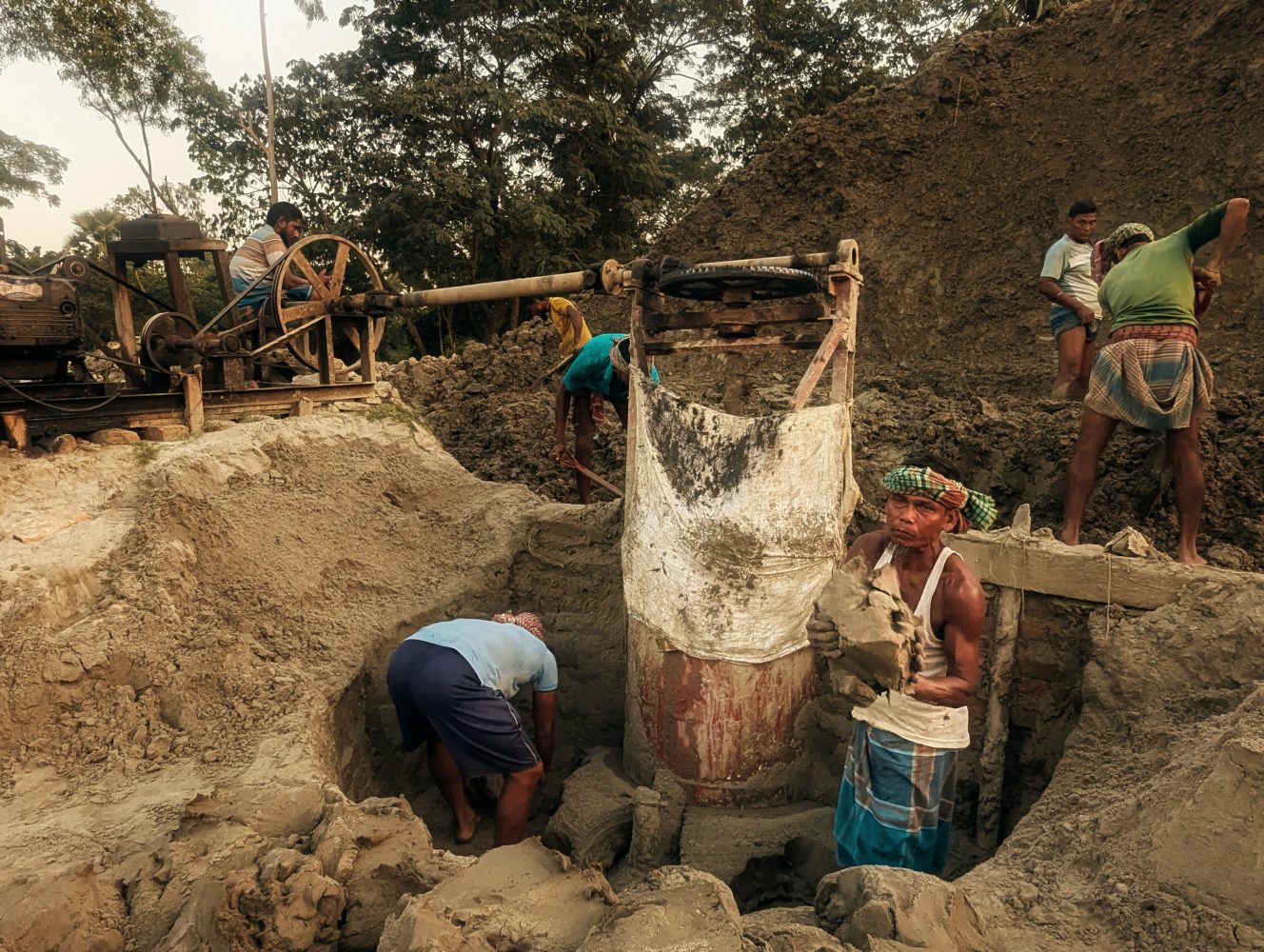
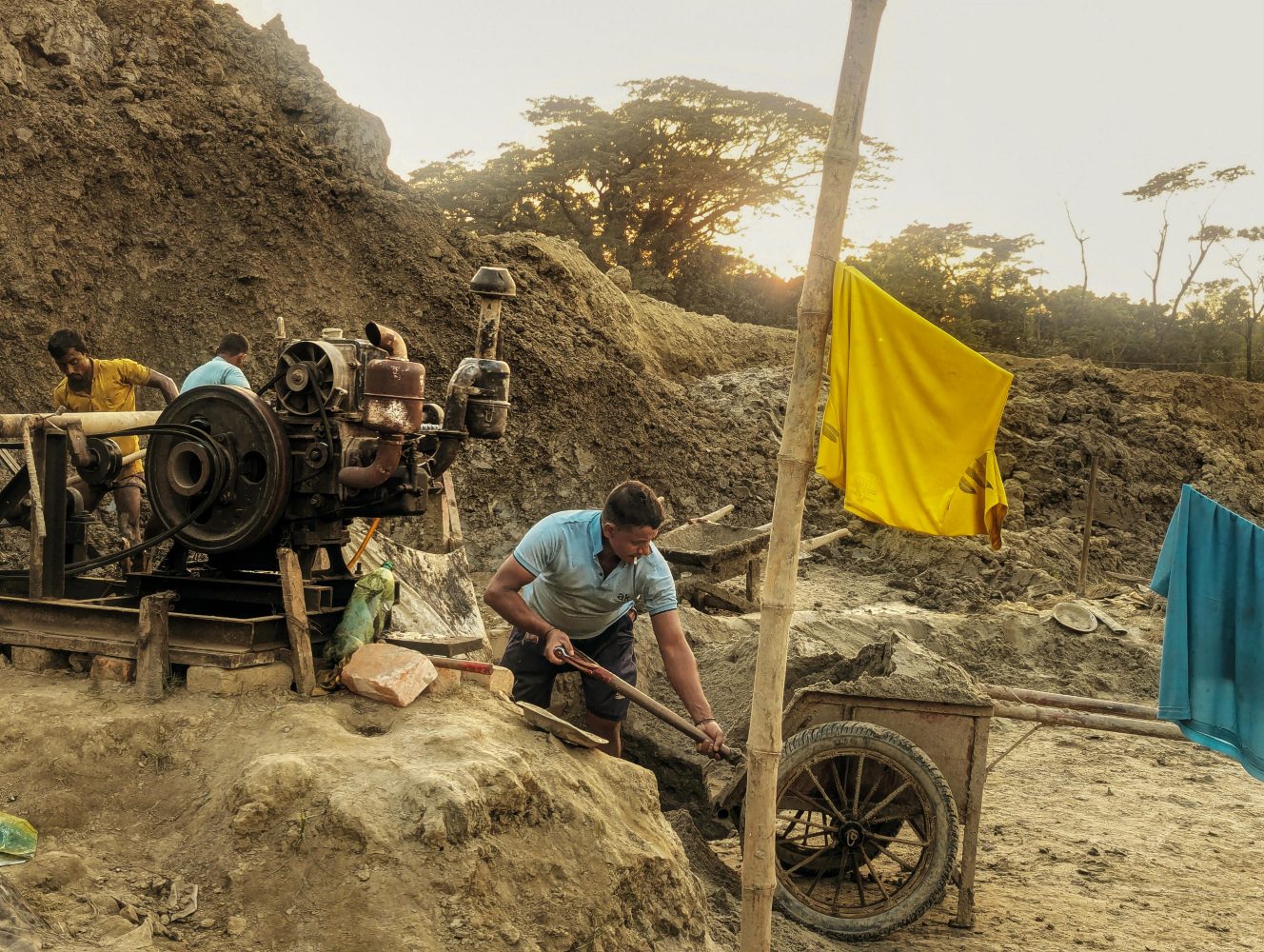
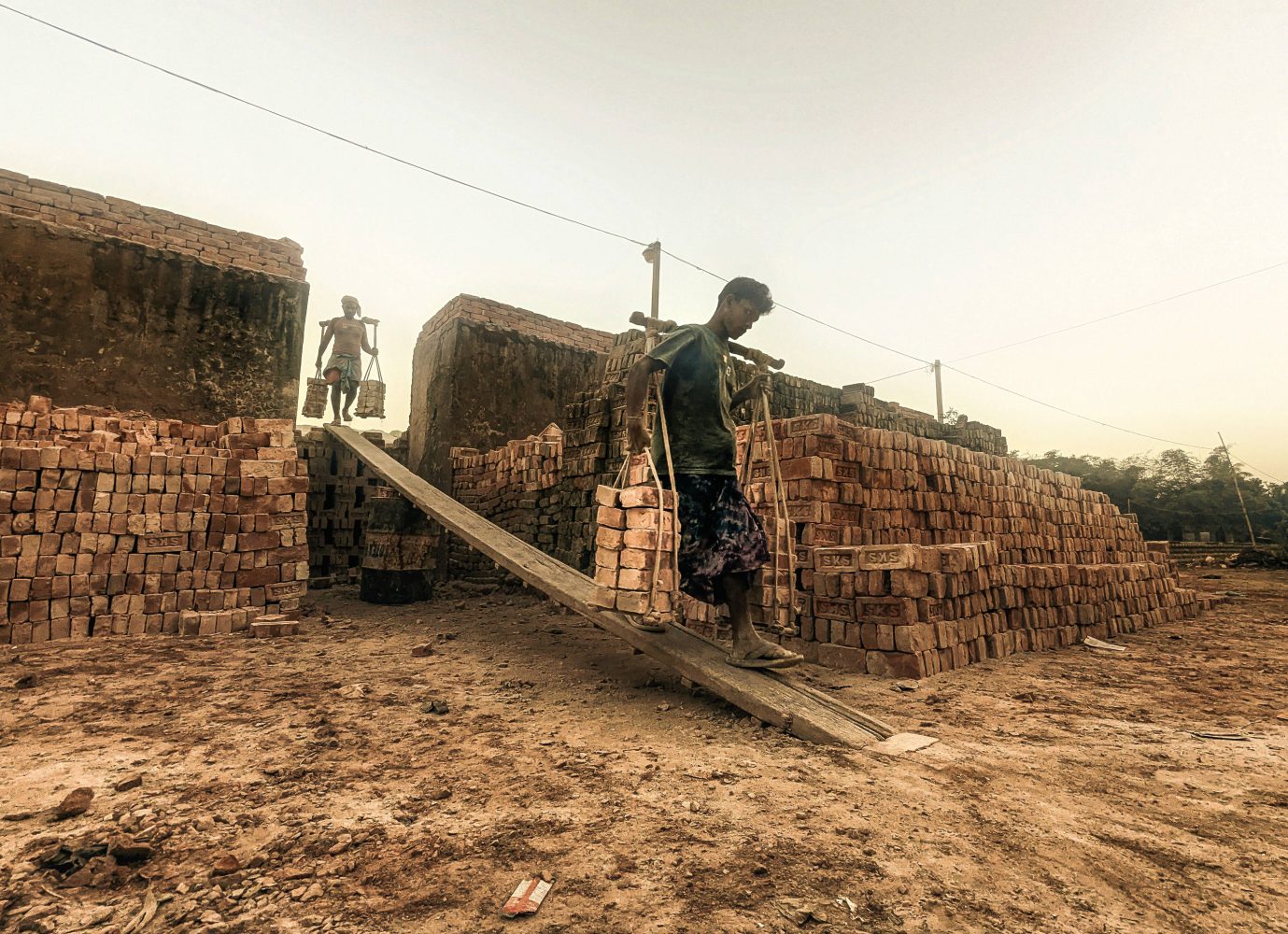
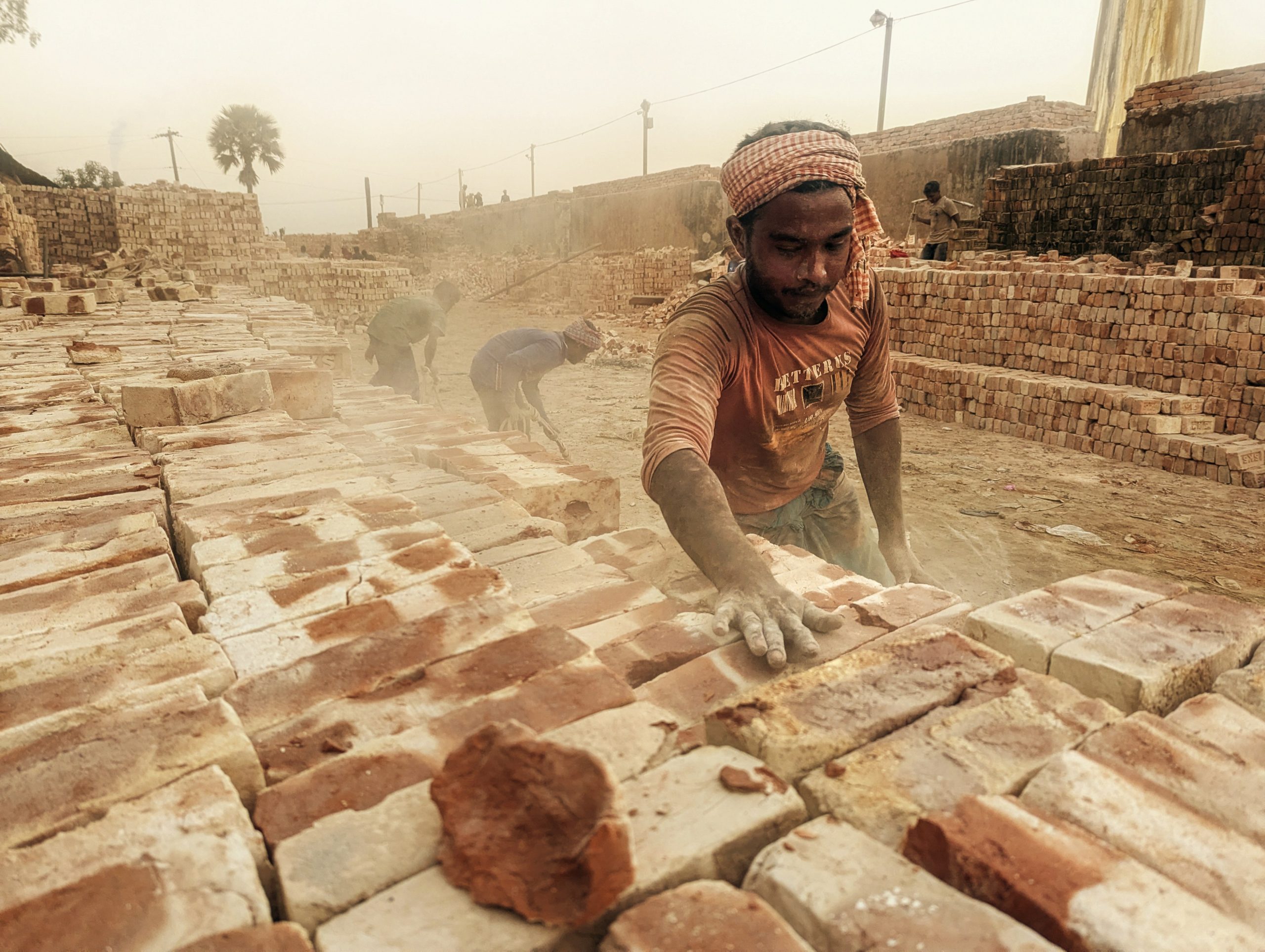
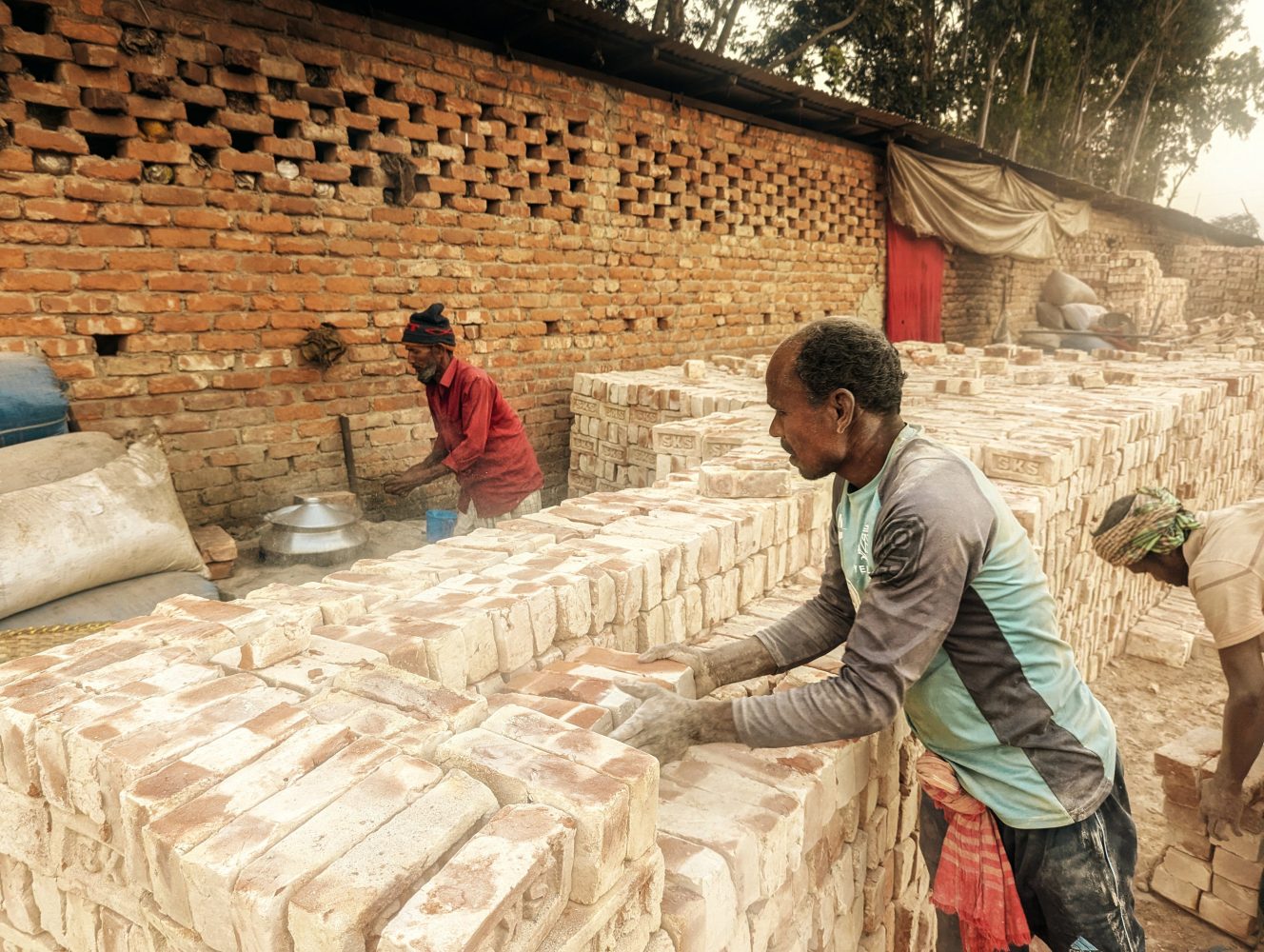
The story from Feni, Bangladesh starts deep in the mud. Long before any buildings can rise in the city, men dig the raw earth by hand in the sweltering heat. Loud machines run continuously all day long, setting a heavy, relentless rhythm for the workers. They carry huge, crushing loads of raw bricks up steep, narrow wooden planks. It is exhausting work, and every single time they stack a newly molded brick, a thick cloud of dust fills the heavy air, coating their skin and lungs.
There is no boundary here between where the grueling work ends and normal life begins. The workers live right in this same dirt. Small cooking pots boil over open fires right next to the towering, endless piles of bricks. They eat, they rest, and they survive in the exact same dust they work in from dawn until dusk. The brickyard is their entire world.
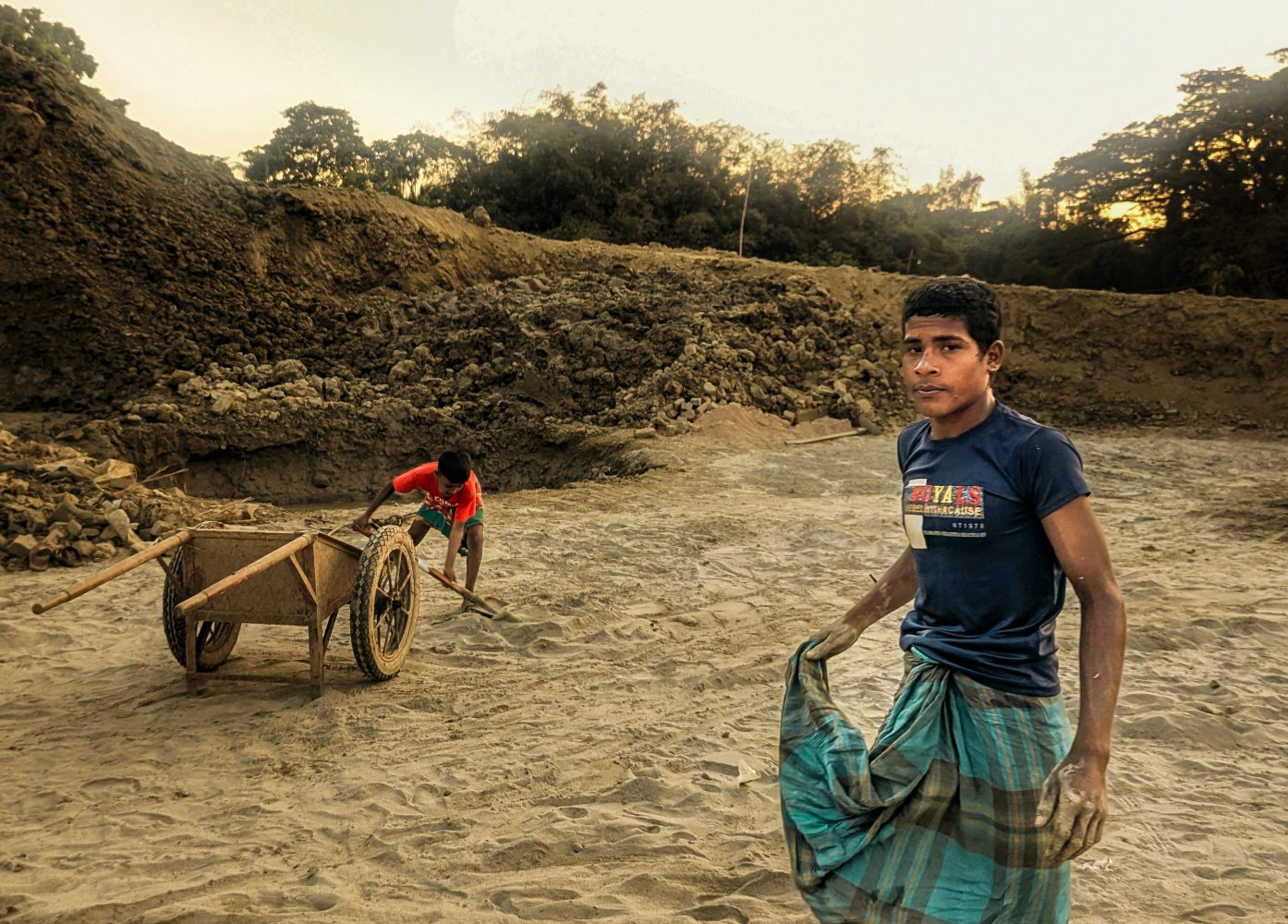
But the hardest reality to face in this landscape is the children. Instead of playing or going to school, they do this heavy, tiring work for a very small daily wage. Small shoulders are forced to carry the massive weight of the adult world. You can see it clearly in their eyes and their weary movements—their precious youth is being traded away, brick by brick, just to survive another day.
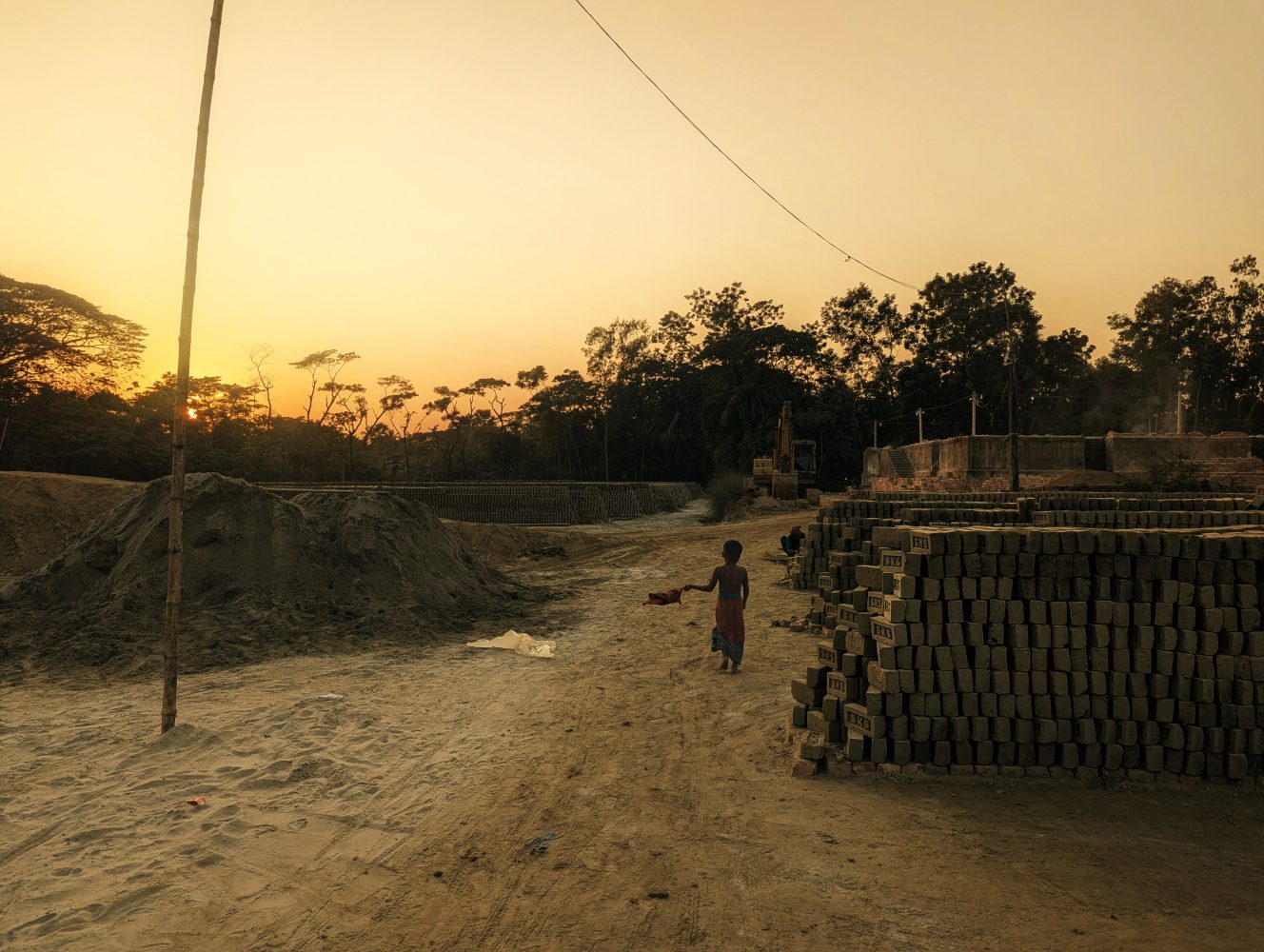
When the sun finally goes down and the sky turns a hazy, golden color, the heavy machines finally stop. A young boy walks away alone into the thick, settling dust. He looks incredibly small next to the giant, imposing hills of dirt he just spent all day helping to build. It is a harsh, quiet finish to a very hard shift, and a heartbreaking picture of a childhood lost to the brickyard.