STOP WAR


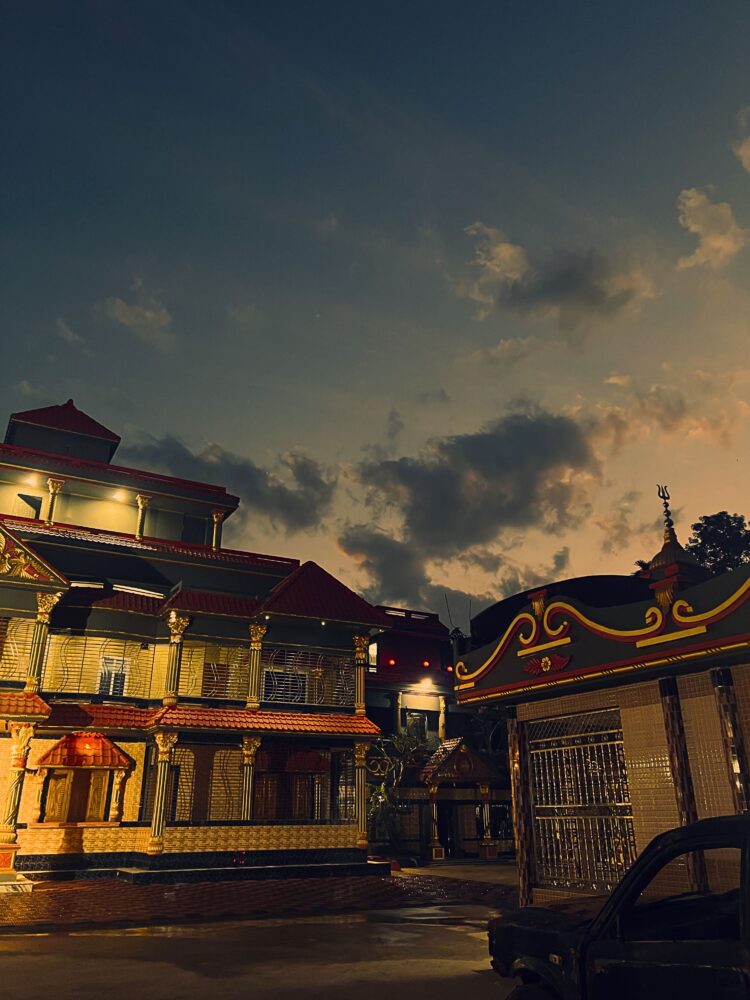
Urban Halo started as a quiet obsession — a desire to see beyond the familiar and to find cinematic beauty in moments the city usually swallows up. Myself Oviul Maruf Together with Manob Saha, I set out to observe my surroundings not as static streets, walls, or crowds, but as environments pulsing with light, emotion, and unspoken stories.
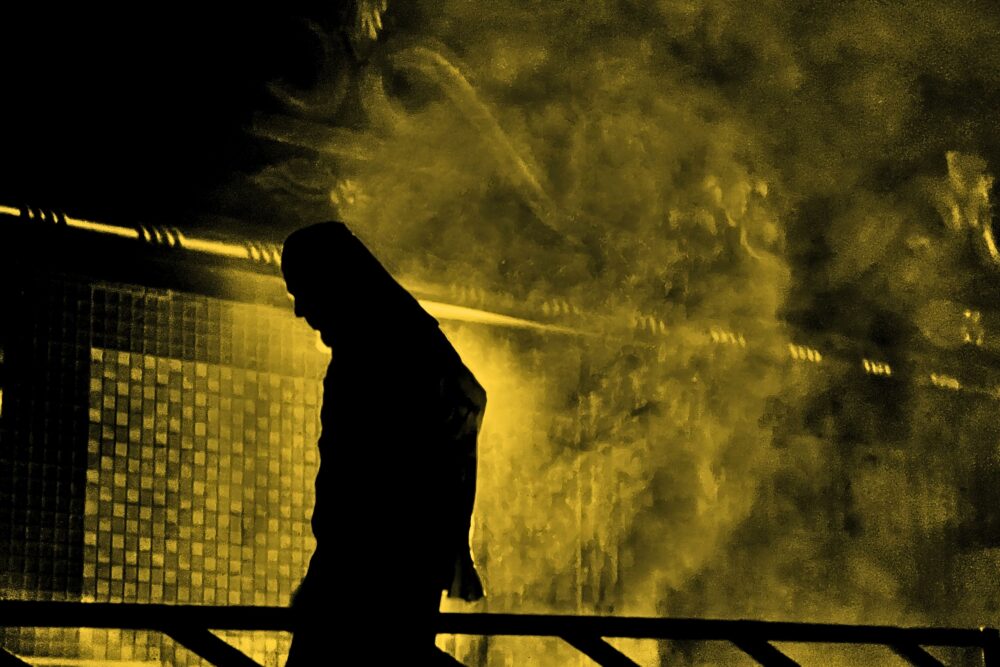
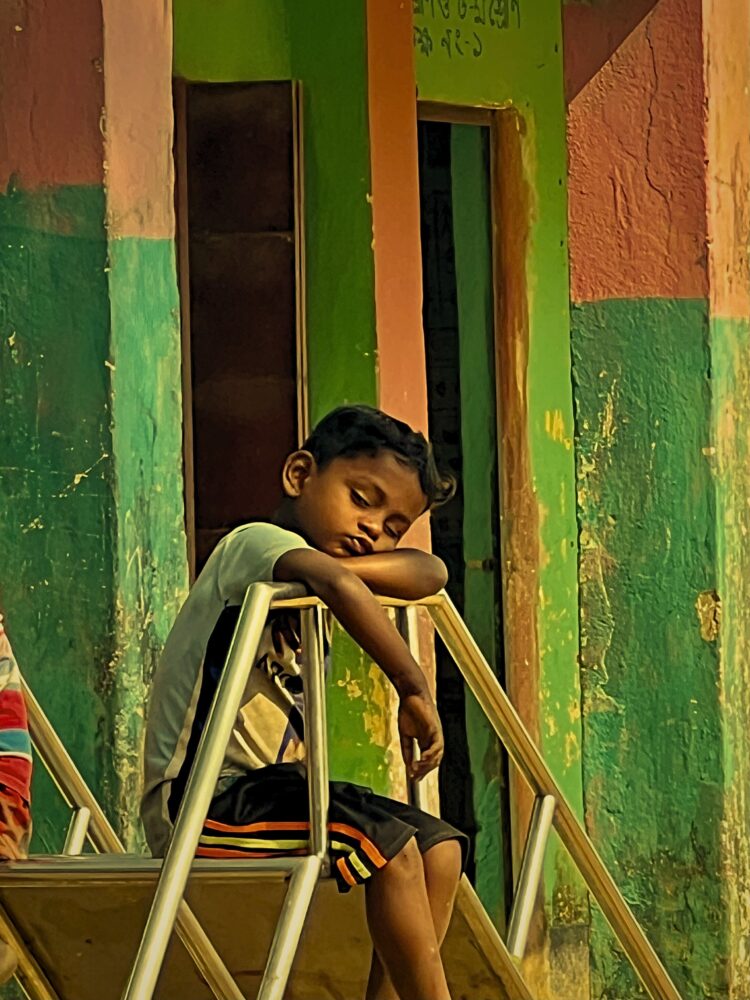
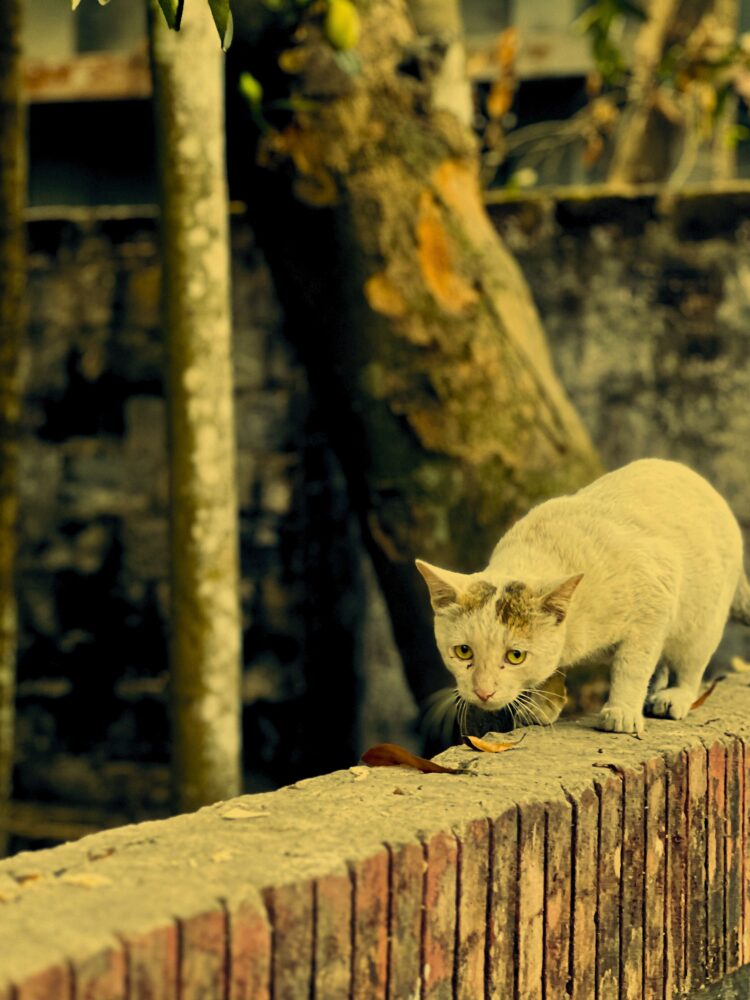
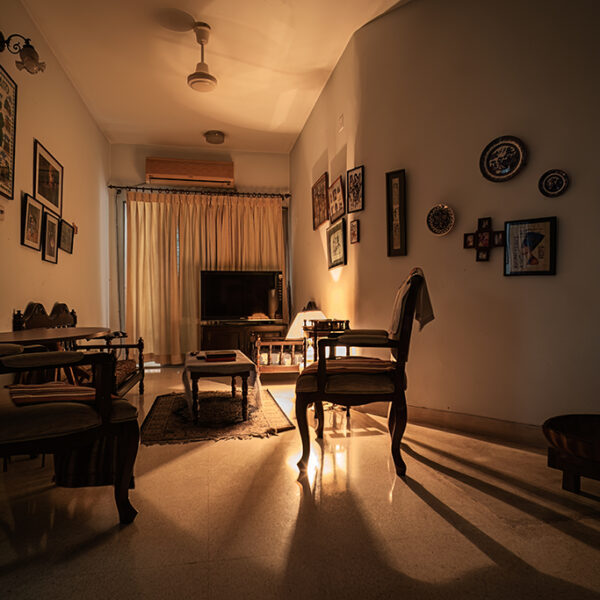
This project isn’t about staged moments or contrived scenes. It’s about being present in the city — waiting, watching, and recognizing that what makes a photograph meaningful isn’t always what you plan, but what the city gives you. Late afternoons when buildings glow golden, silhouettes slide through shadows, and quiet alleys hum with an unexplainable warmth — those are the seconds that stop me in my tracks.
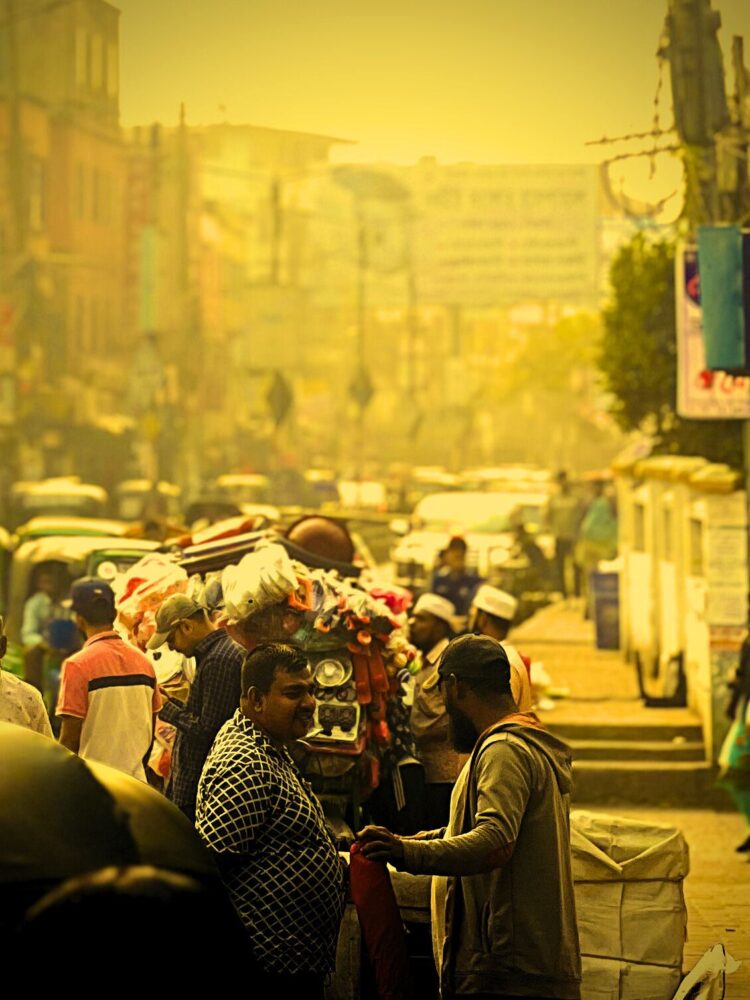
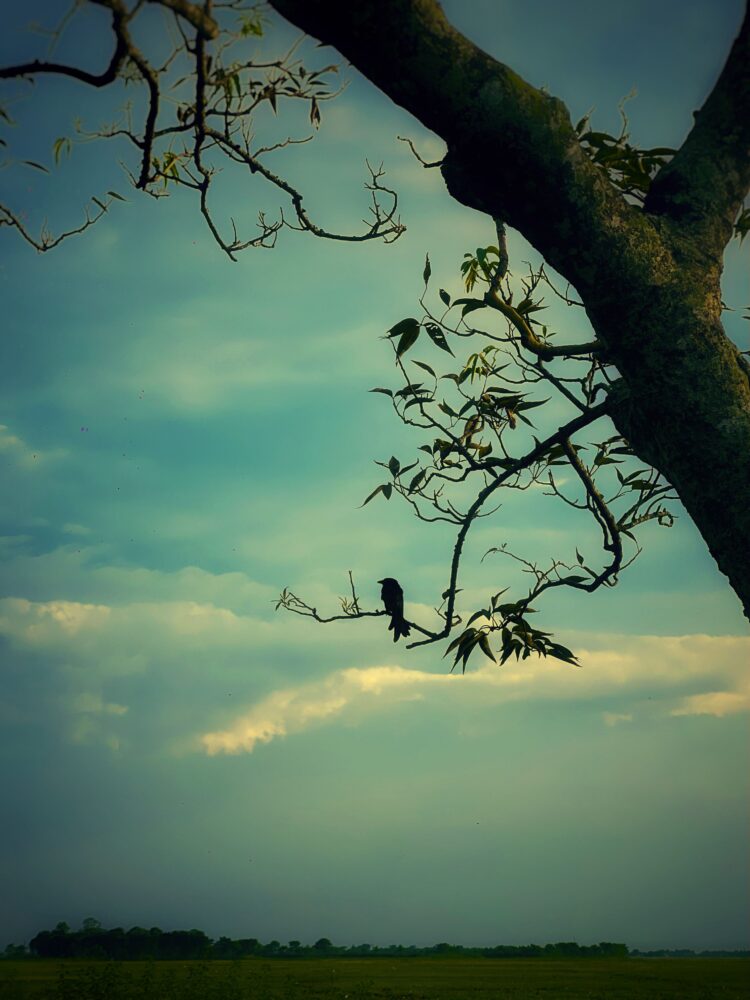
Light as storyteller. Urban Halo is grounded in light — its warmth, its edge, its halo. There’s something almost spiritual in the way golden tones cradle a passerby or how shadows stretch and whisper around architecture. Light doesn’t just expose; it transforms. Ordinary traffic feels poetic, mundane corners feel calm, and fleeting moments become lasting impressions. It’s in those halos — in that warm, reflective glow — that the city feels most alive.
The everyday is often overlooked, but there’s a kind of magic in slowing down. In letting time stretch just long enough that a street corner feels like a stage, or a passing stranger feels like part of your narrative. Urban Halo invites you — the viewer — to pause. To breathe with the light. To notice those quiet seconds between moments of rush and blur. What if beauty isn’t something distant or exotic, but something right in front of us — hidden in the ordinary, illuminated just right?
In the end, Urban Halo is more than a series of photographs — it’s a reminder. That even beneath concrete and chaos, the city has gentle rhythms waiting to meet us if we’re patient enough to look.