STOP WAR



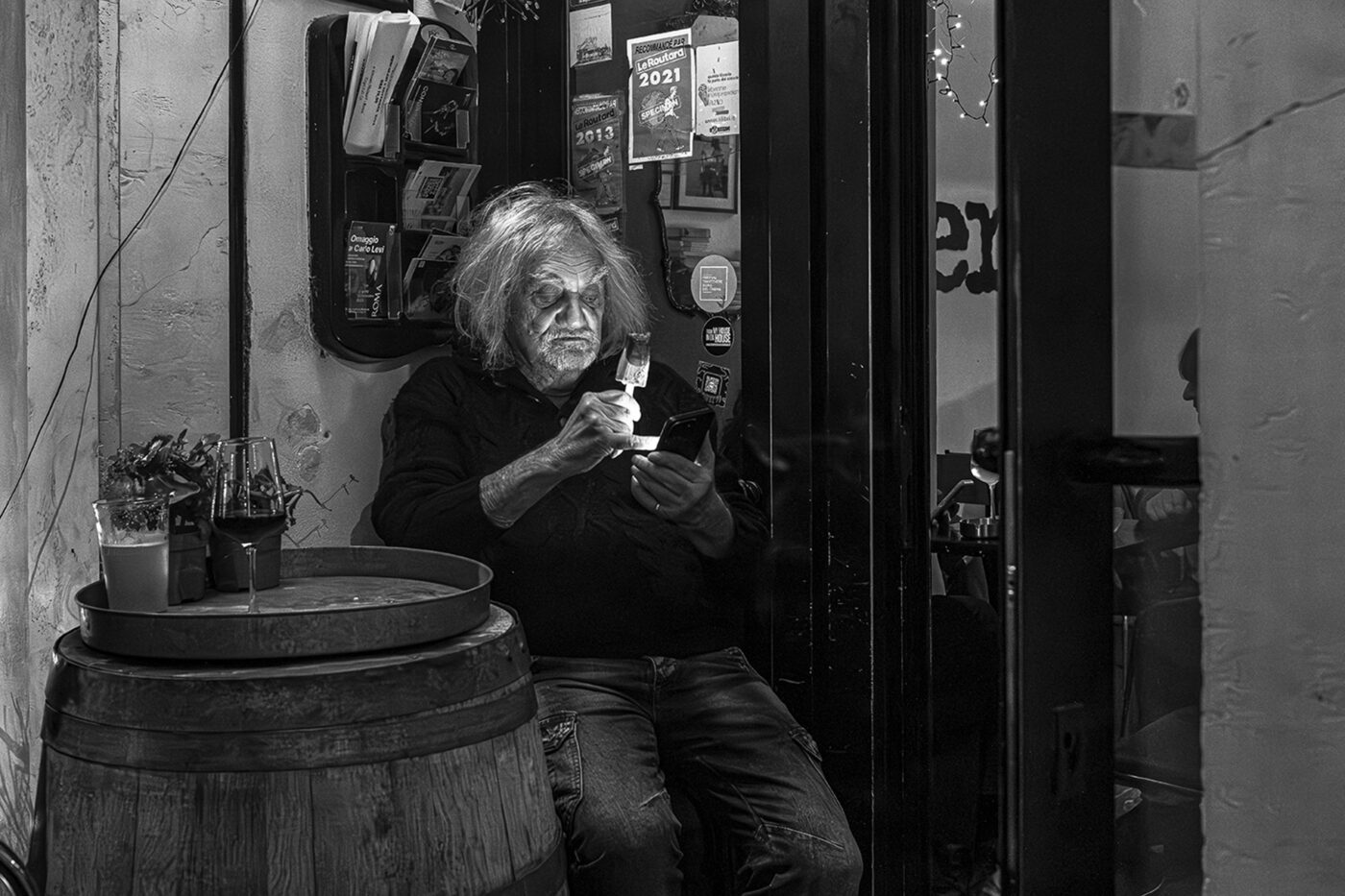
Seeking out rare and original images in distant and diverse countries is certainly useful and enjoyable, just as it is human and understandable to hope that something extraordinary will happen in our presence, allowing us to take the photo of the century. However, if this does not happen, it is pointless to bemoan the boredom of our daily lives or to lament the fact that, after two centuries of photography, every theme, subject and situation has been thoroughly explored by the great masters and myriad amateurs of varying skill.
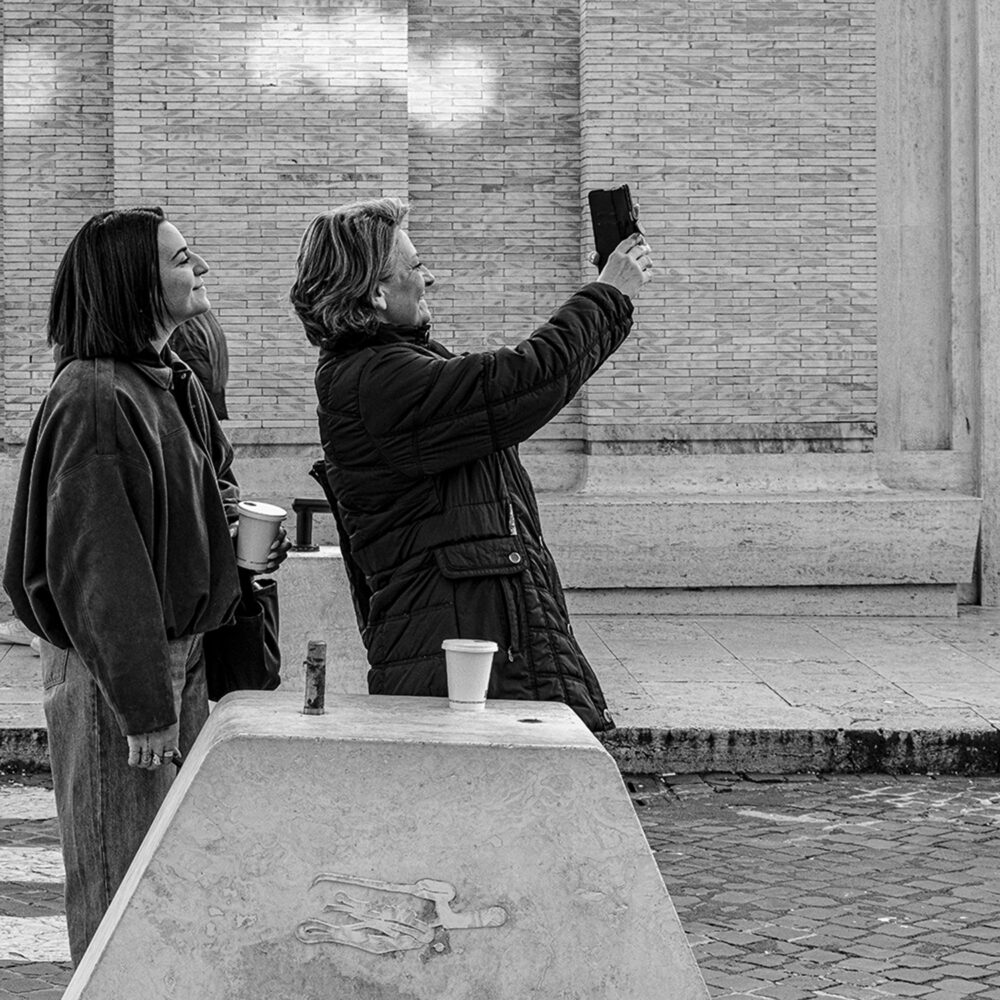
This is all the more true in an age when photography has become a mass phenomenon and we are besieged by photographic images of all kinds, most of which are useless or redundant.
Conversely, I believe that the ‘monstrum’ (in the sense of ‘something incredible and worthy of being shown’) in photography is everywhere. With a bit of luck, an eye for detail and a touch of irony, it is possible to extract interesting images even from the most banal and tedious aspects of daily life.
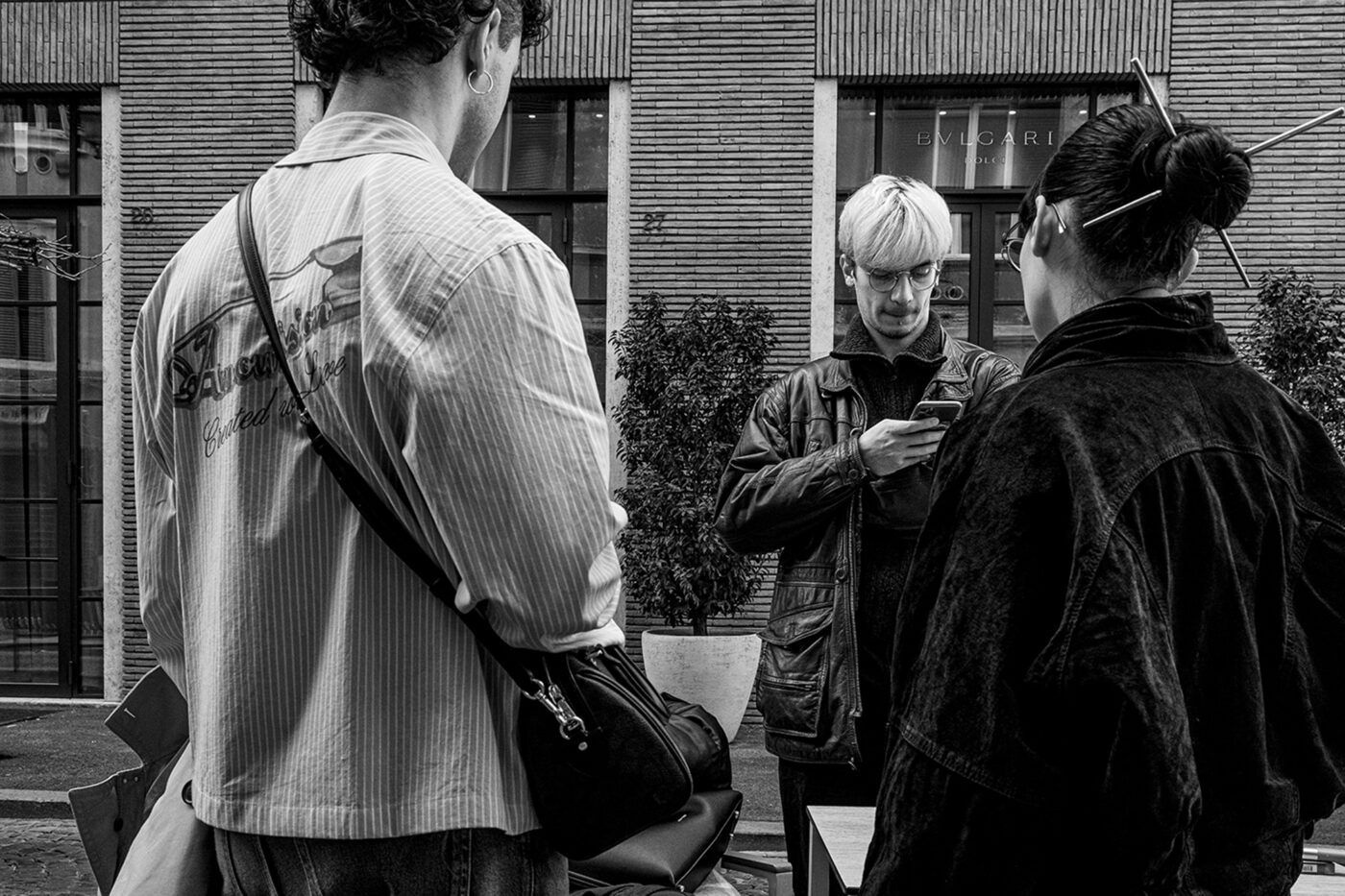
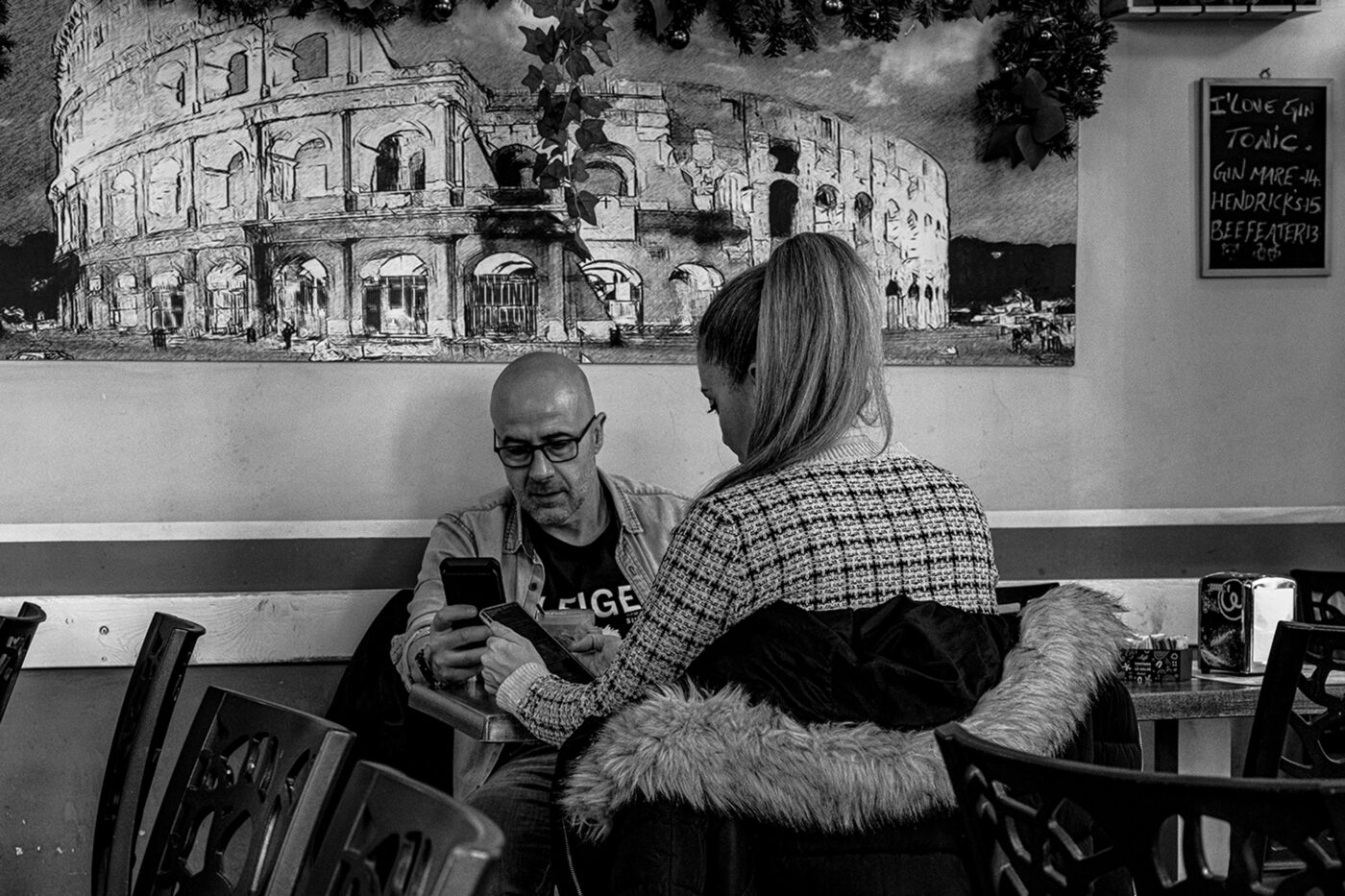
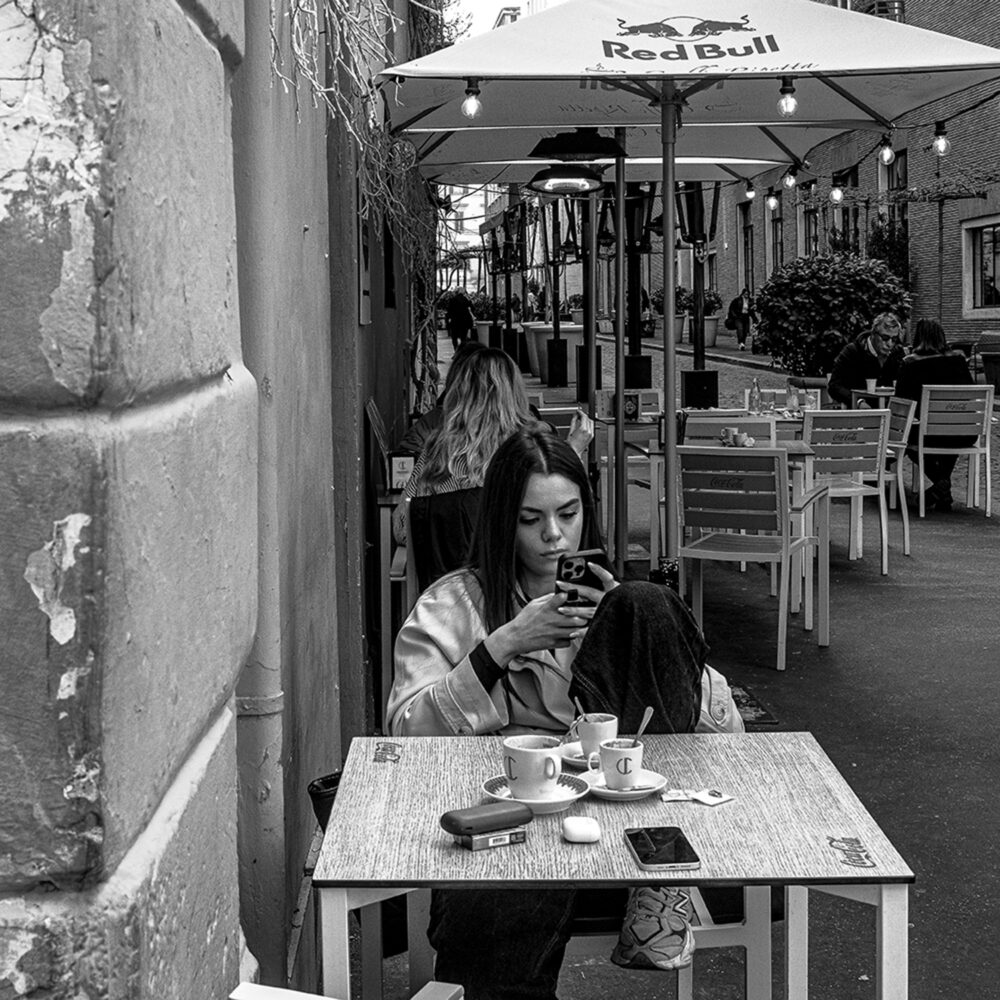
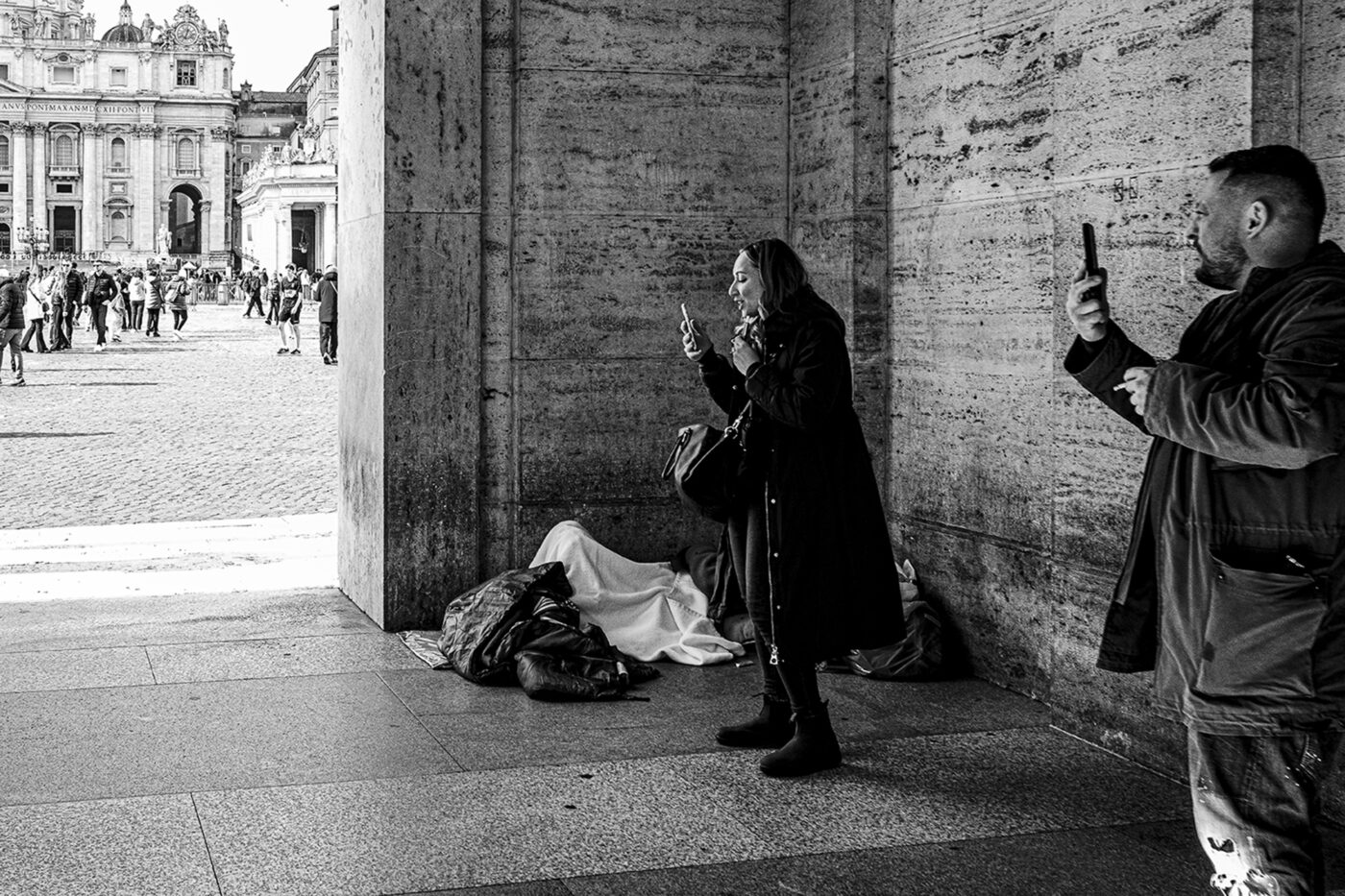
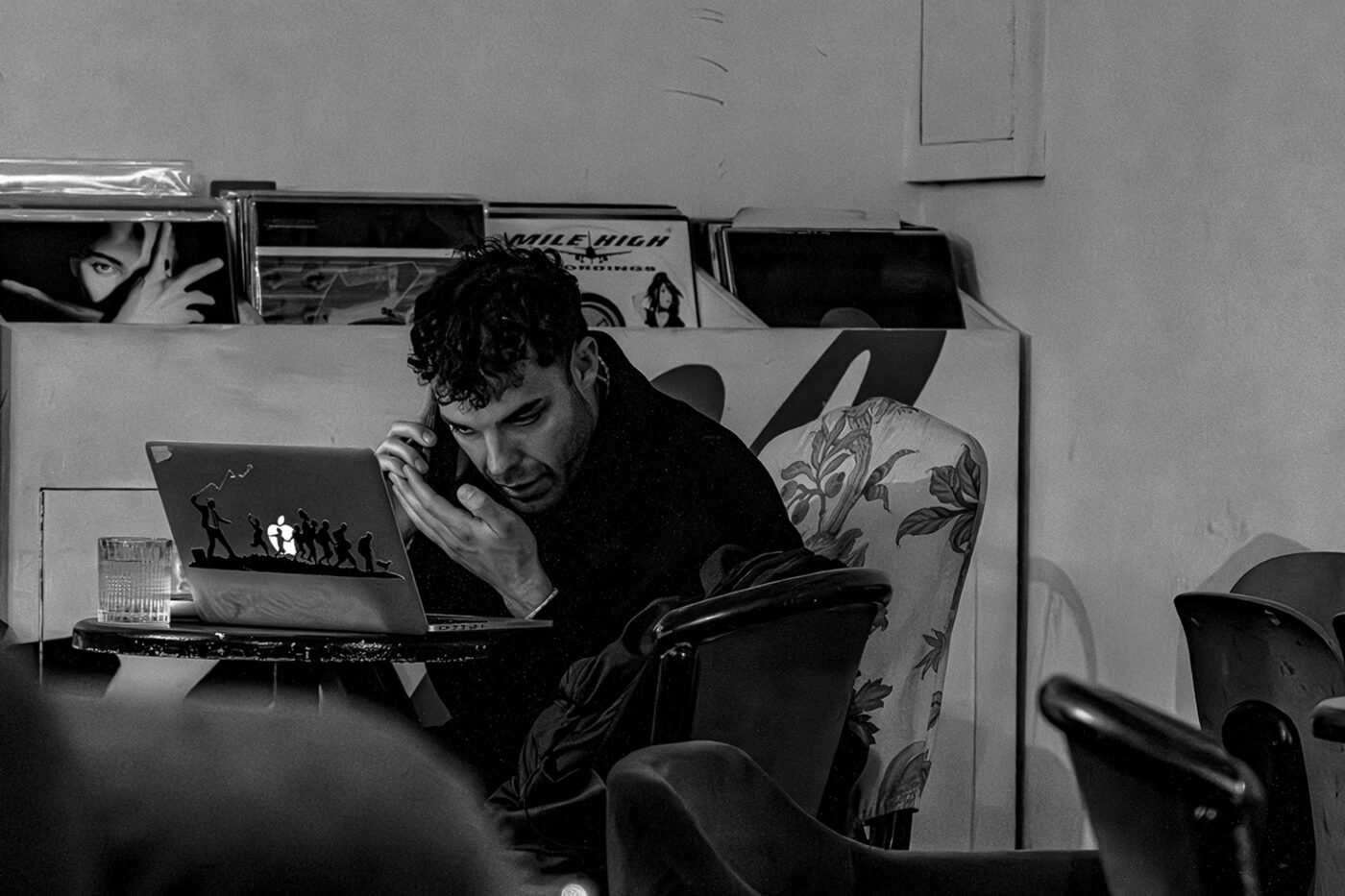
With this idea in mind, I tried to compile a small collection centred on one of the most widespread practices in our daily lives: the use and abuse — to the point of addiction — of the little sacred idol of contemporary civilisation: the mobile phone.
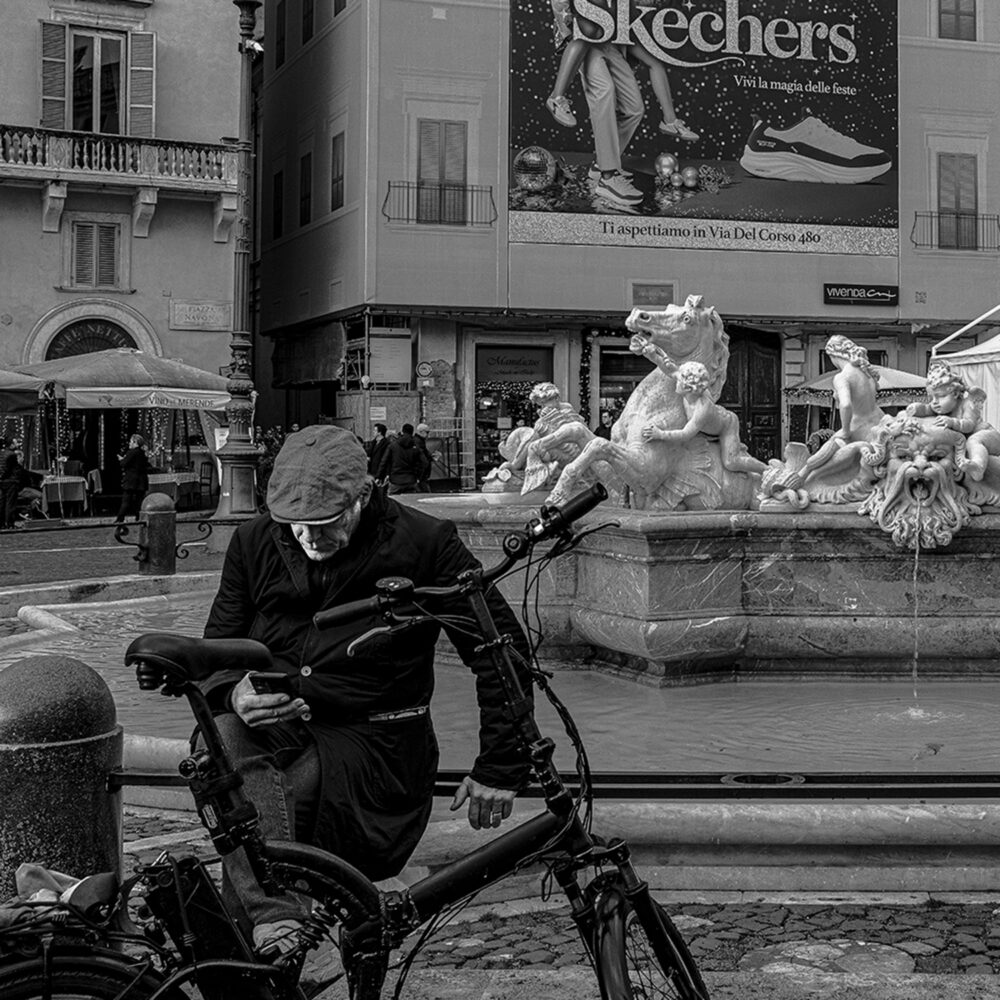
I use the term ‘idol’ advisedly, as a street where every passer-by holds a smartphone like a talisman or a subway carriage full of passengers with their heads bowed in adoration before a small screen makes me think of a ritual or a new religion spreading among the people.
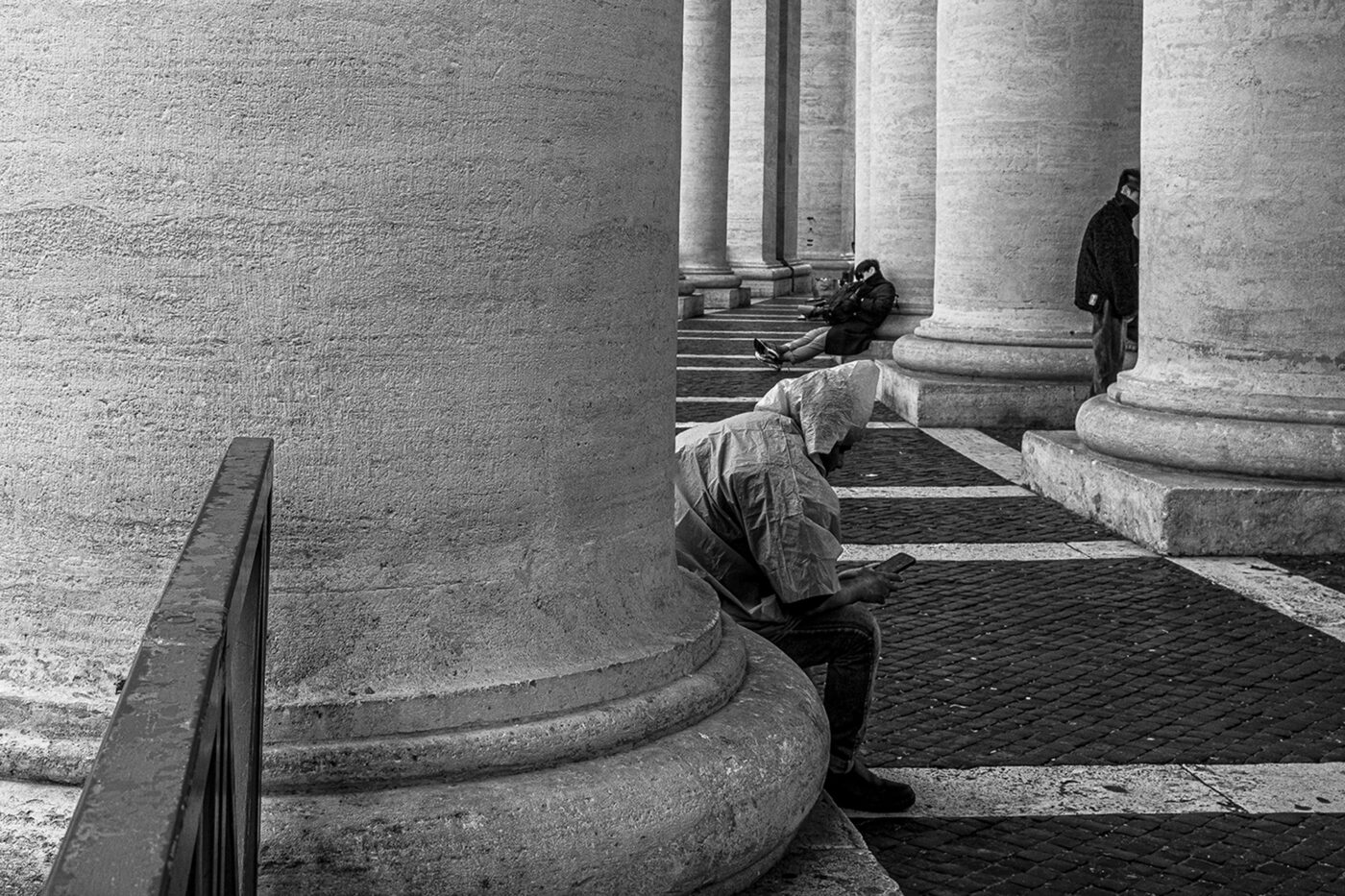
According to an old but still valid definition, it is the opium of the people; or, as Machiavelli said further back in the centuries, it is instrumentum regni. Unfortunately, however, today it is an instrument of government for a kingdom no longer fully human, but rather one formed by algorithms.