STOP WAR



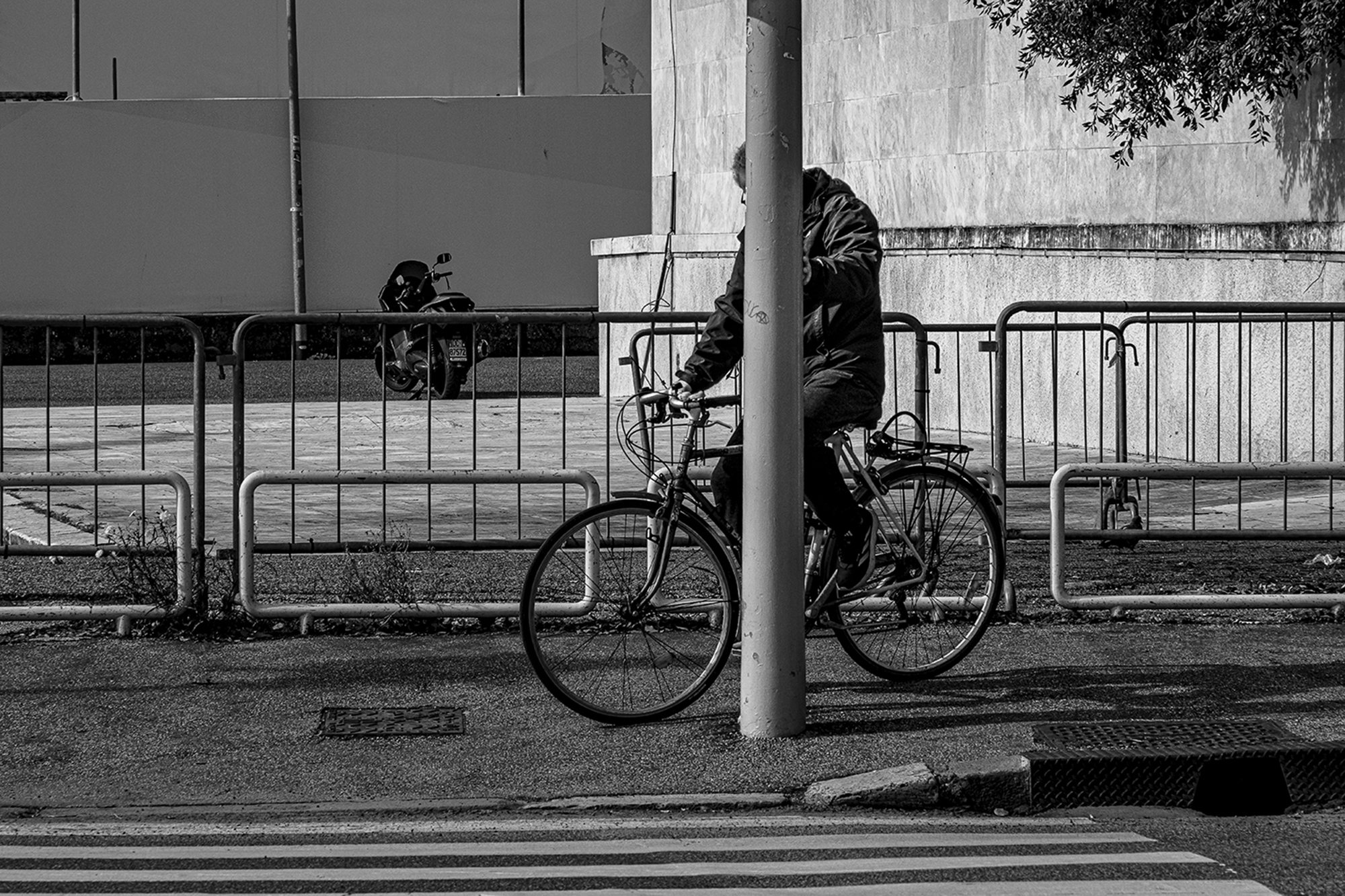
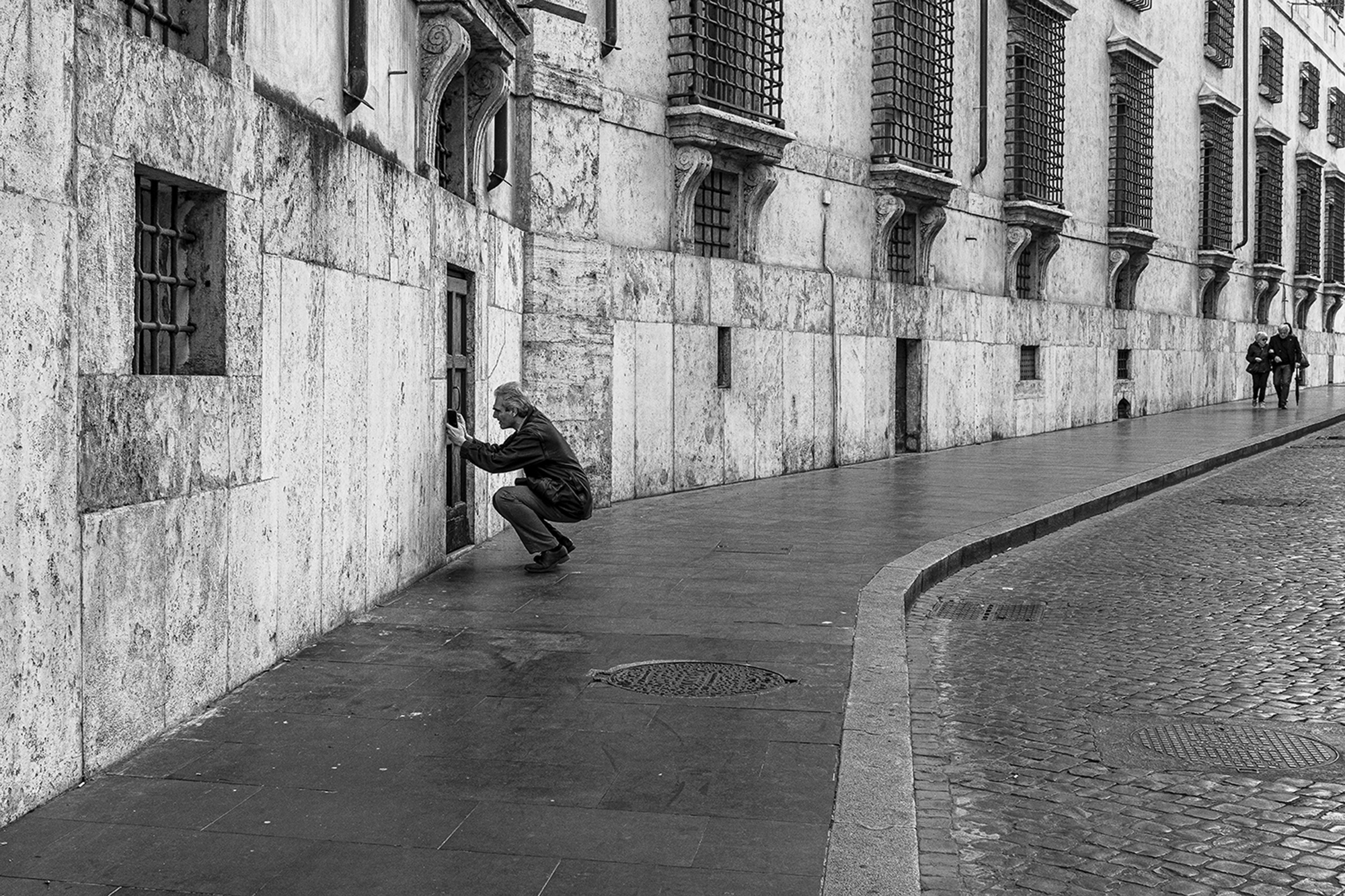
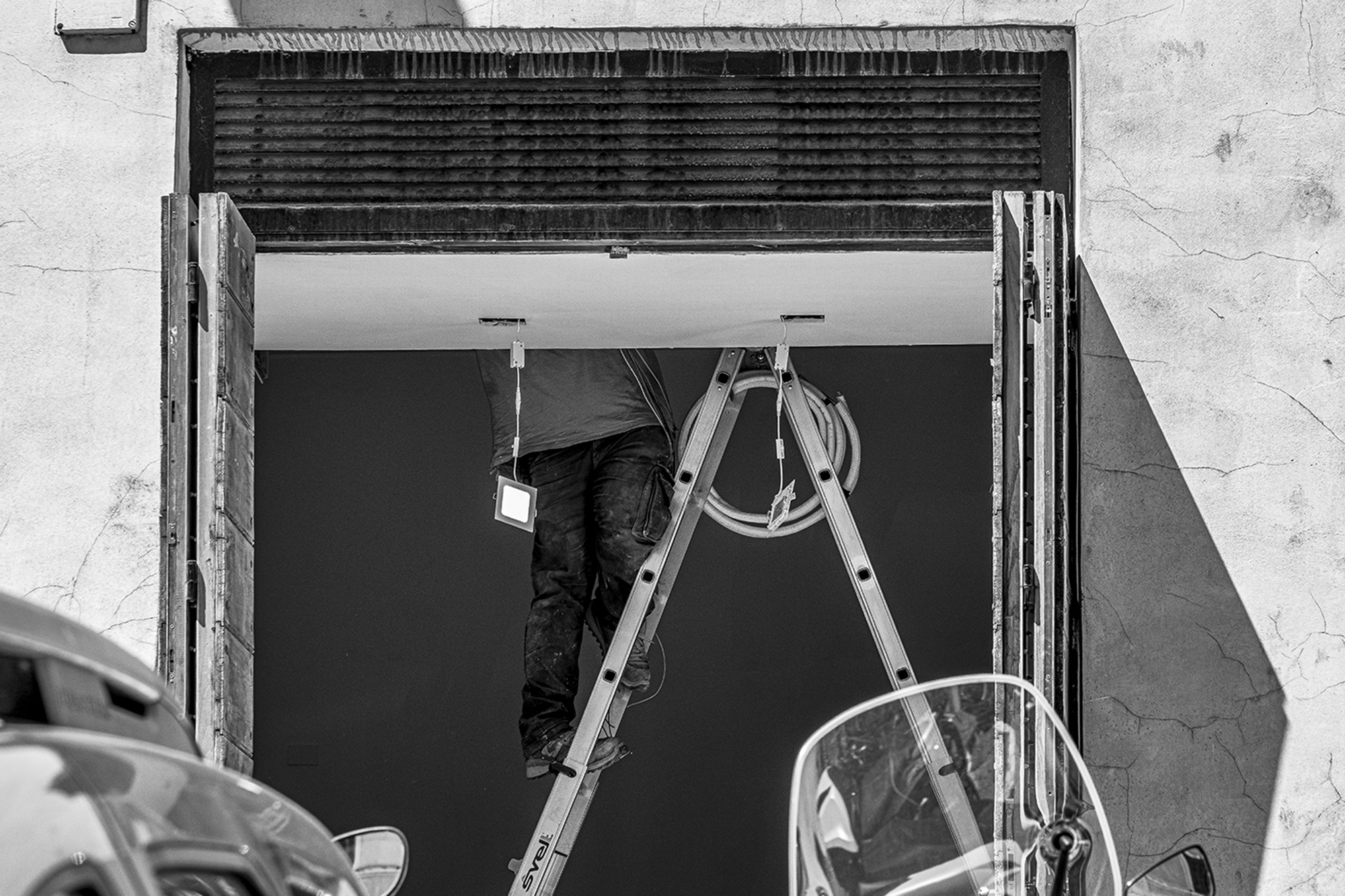
Waiting. Rome, Lungotevere Federico Fellini, 16 February 2026.
Everything flows, as the ancient pre-Socratic philosopher said, and changes – and almost always not through a gradual flow of events but through catastrophes (etymologically from the Ancient Greek katastrophè – upheaval, overturning).
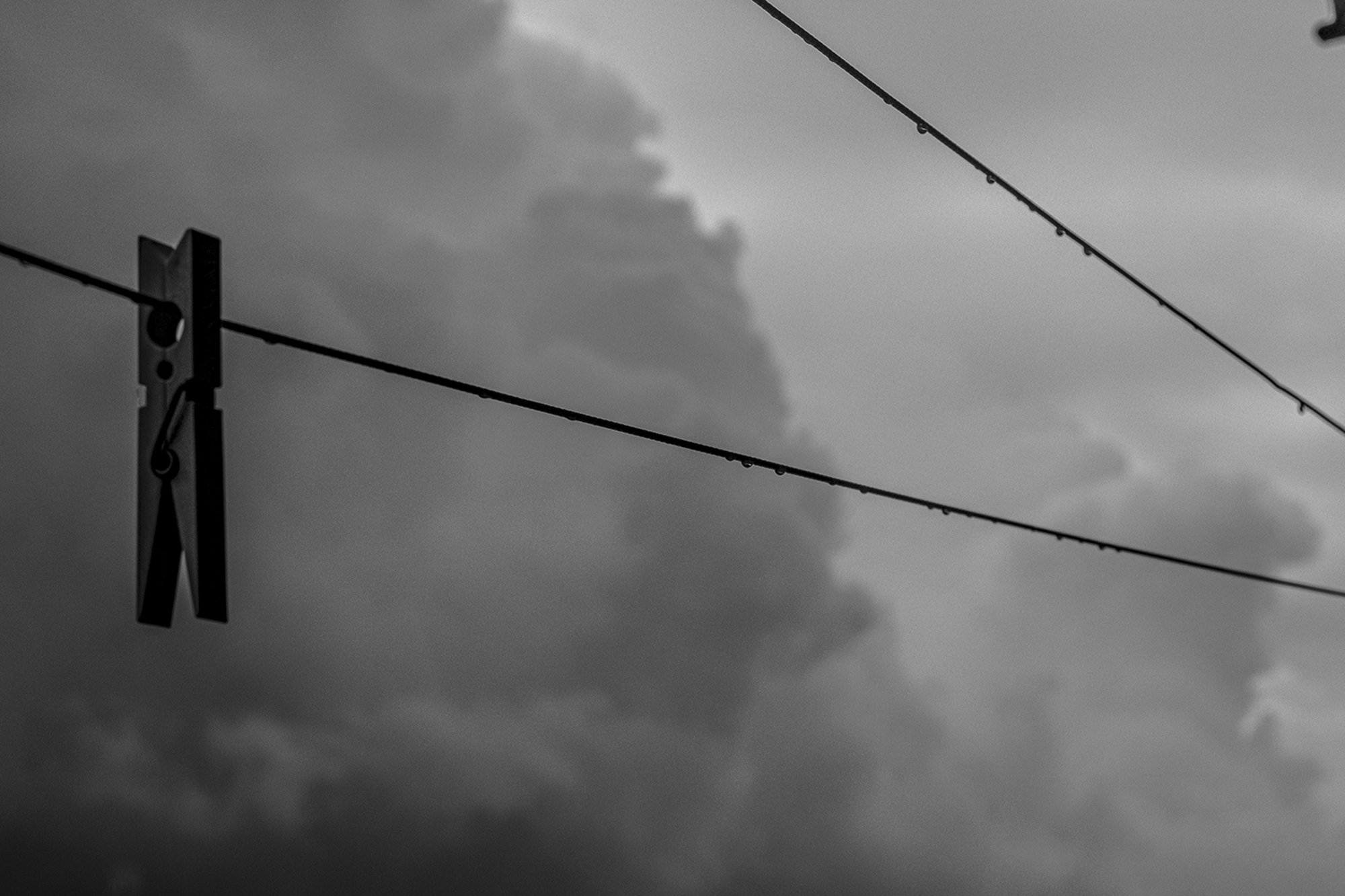
Before the upheaval occurs, everything seems frozen in a precarious equilibrium of which things and people seem unaware: raindrops on a thread are completely still until, suddenly and for no immediately apparent reason, they fall; just as a man precariously perched on a ladder might remain there for eternity – or, more likely, until he feels like coming down – without imagining that, all of a sudden, his foothold might spring open like a compass.
There is an entire branch of mathematics, catastrophe theory, which studies the formulas and models to describe how these discontinuities occur. And there is a certain irony in the unexpected ruptures of a precarious balance, like a joke – sometimes a rather heavy-handed one – played by fate.
Photography, by isolating a fragment from a continuum of time and space, is well-suited to producing images that capture this moment of ironically unstable equilibrium, of anticipation of which the subjects are unaware.