 STOP WAR



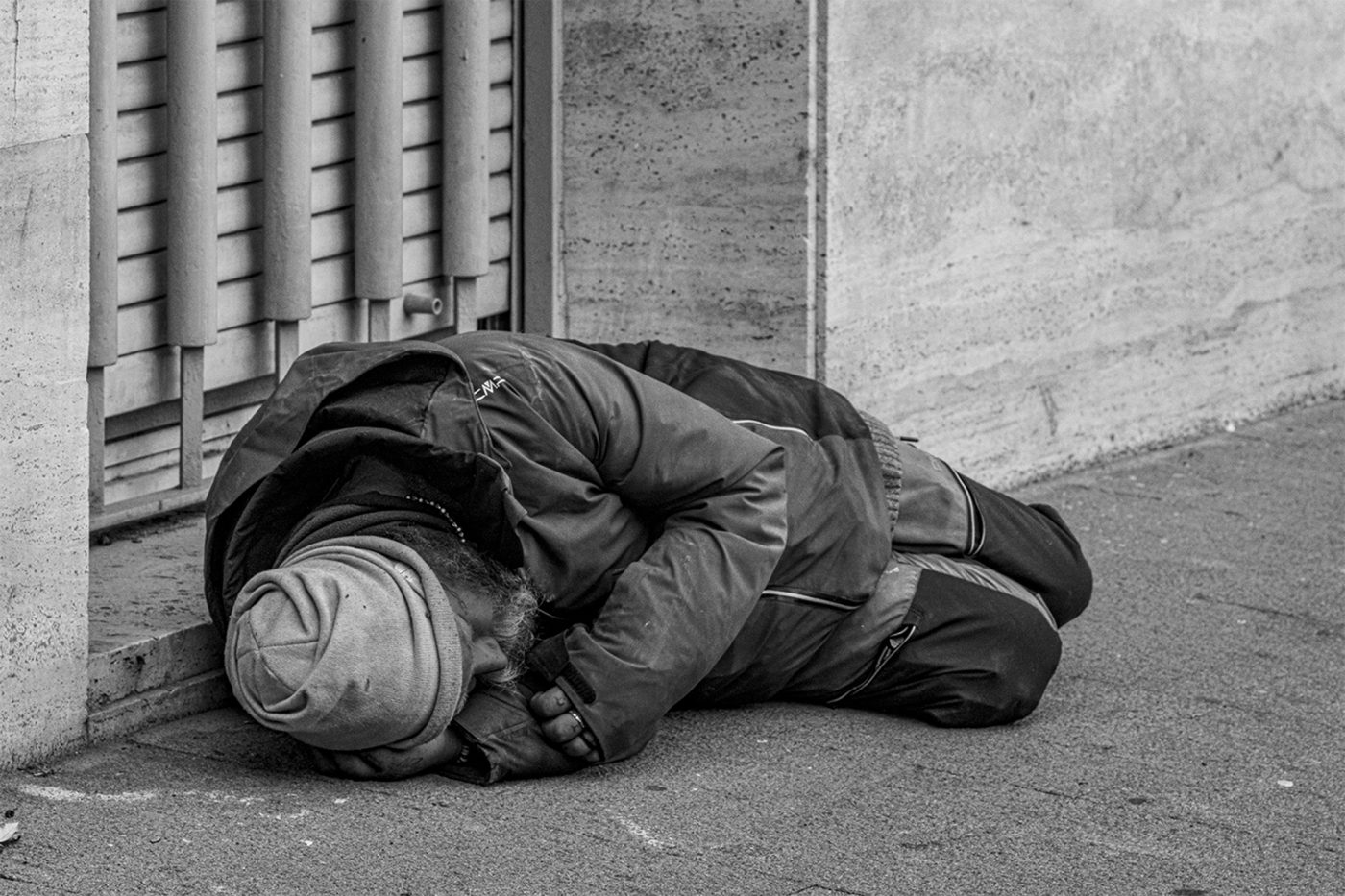
Suave, mari magno turbantis aequora ventis
E terra magnum alterium spectare laborem;
Non quia vexari quemquamst iucunda voluptas,
Sed quibus ipse malis quia cernere suave est.
(Lucretius, De Rerum Natura. Book II, lines 1–4)
Lucretius had already intuited, as early as the 1st century BC, just how fascinating—and perhaps even a little morbid—it could be to contemplate, from the height of one’s own security, whether material or intellectual, the struggles, tribulations, misfortunes or shipwrecks of others: a bit like those who slow down on the motorway to savour every detail of the fatal accident that has occurred in the opposite lane.
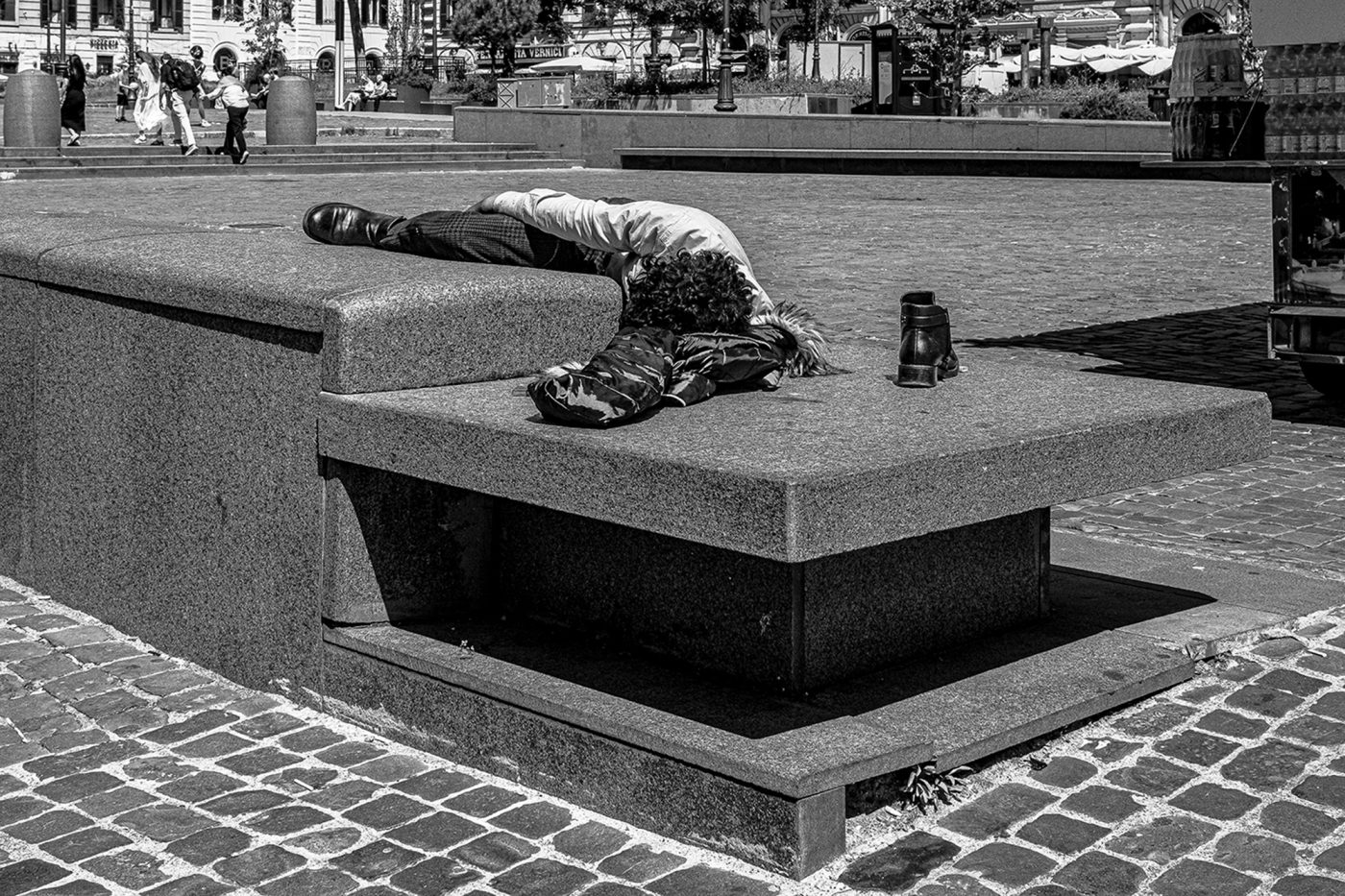
And yet, all literature and the visual arts have always been peppered with disastrous shipwrecks—whether metaphors or descriptions of a precarious human condition—which terrify us, like Gericault’s The Raft of the Medusa, yet attract and simultaneously reassure us simply because we are not the direct protagonists.
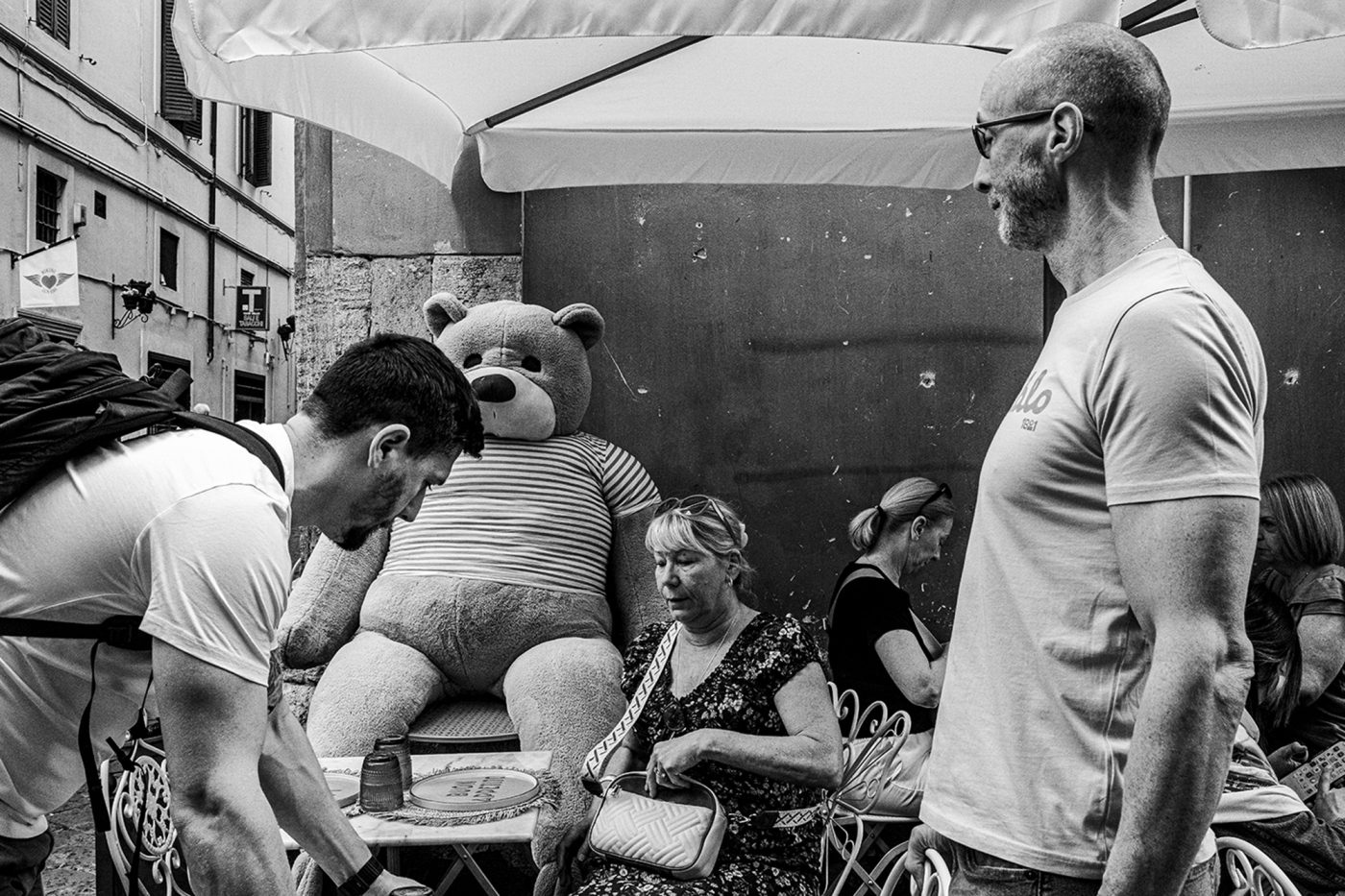
Starting with Odysseus, the first great castaway, who, having resisted with ingenuity and willpower the numerous disasters inflicted upon him by the Homeric gods—almost a foreshadowing, in other terms, of Defoe’s ambiguous hero— ends with Dante’s final shipwreck, an irrevocable punishment, despite Dante’s obvious admiration for the character, for the hubris of having sought to know the unknowable, which takes us forward through the centuries to another symbolic shipwreck of a more recent era: that of the Titanic.
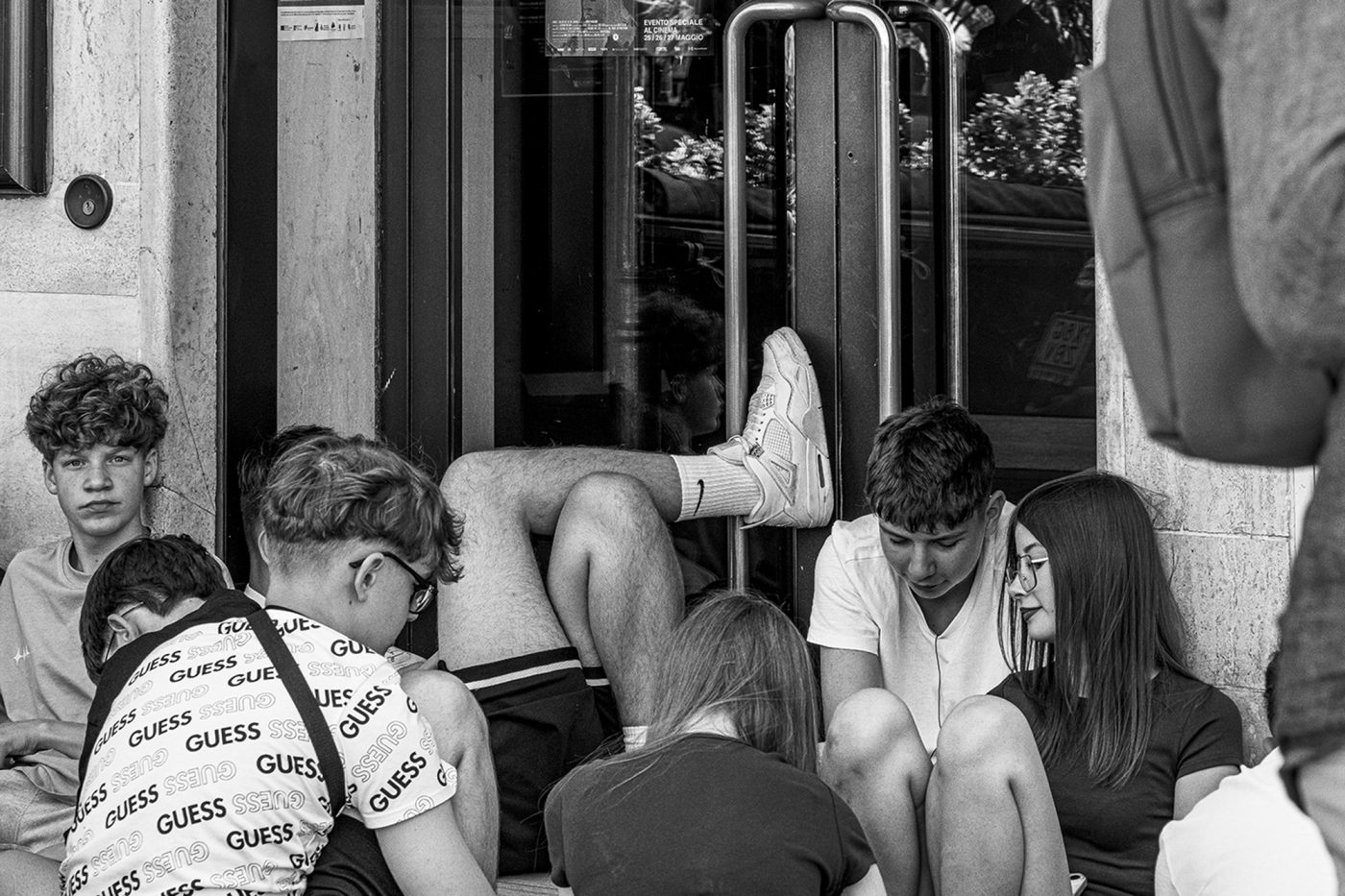
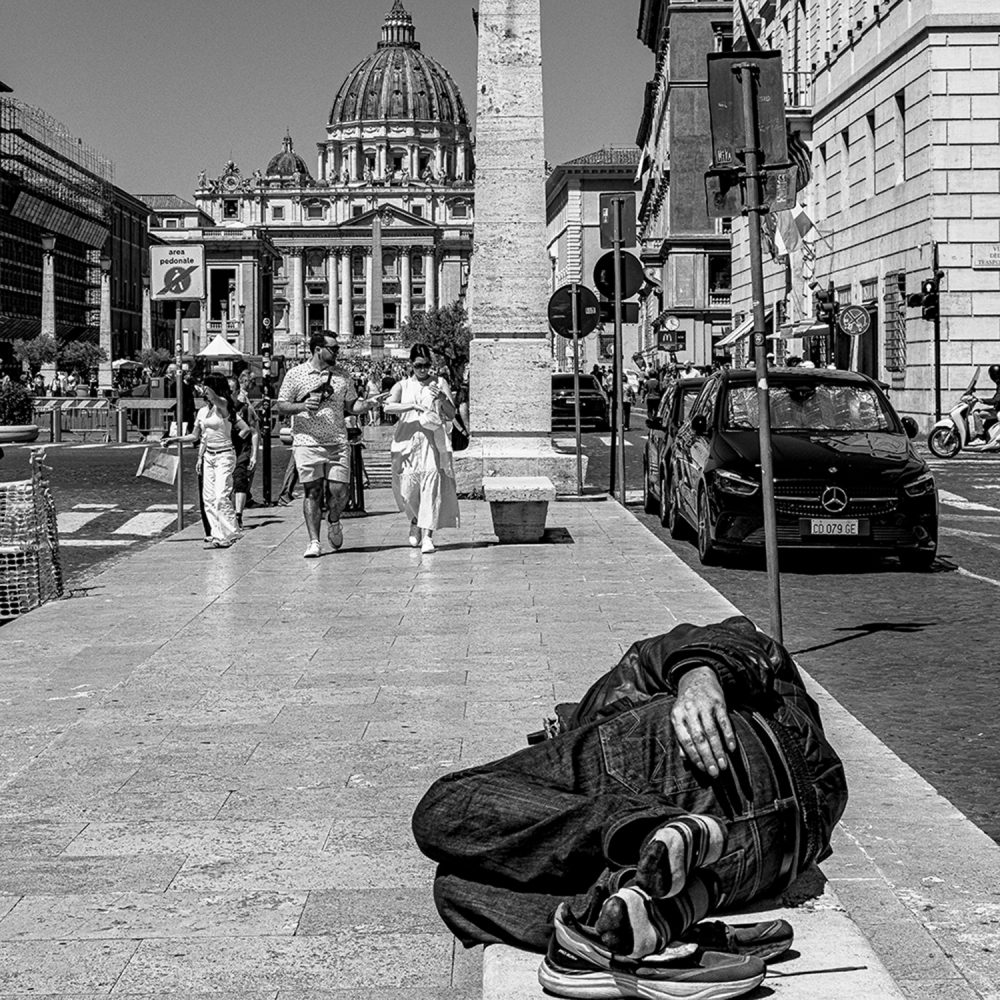
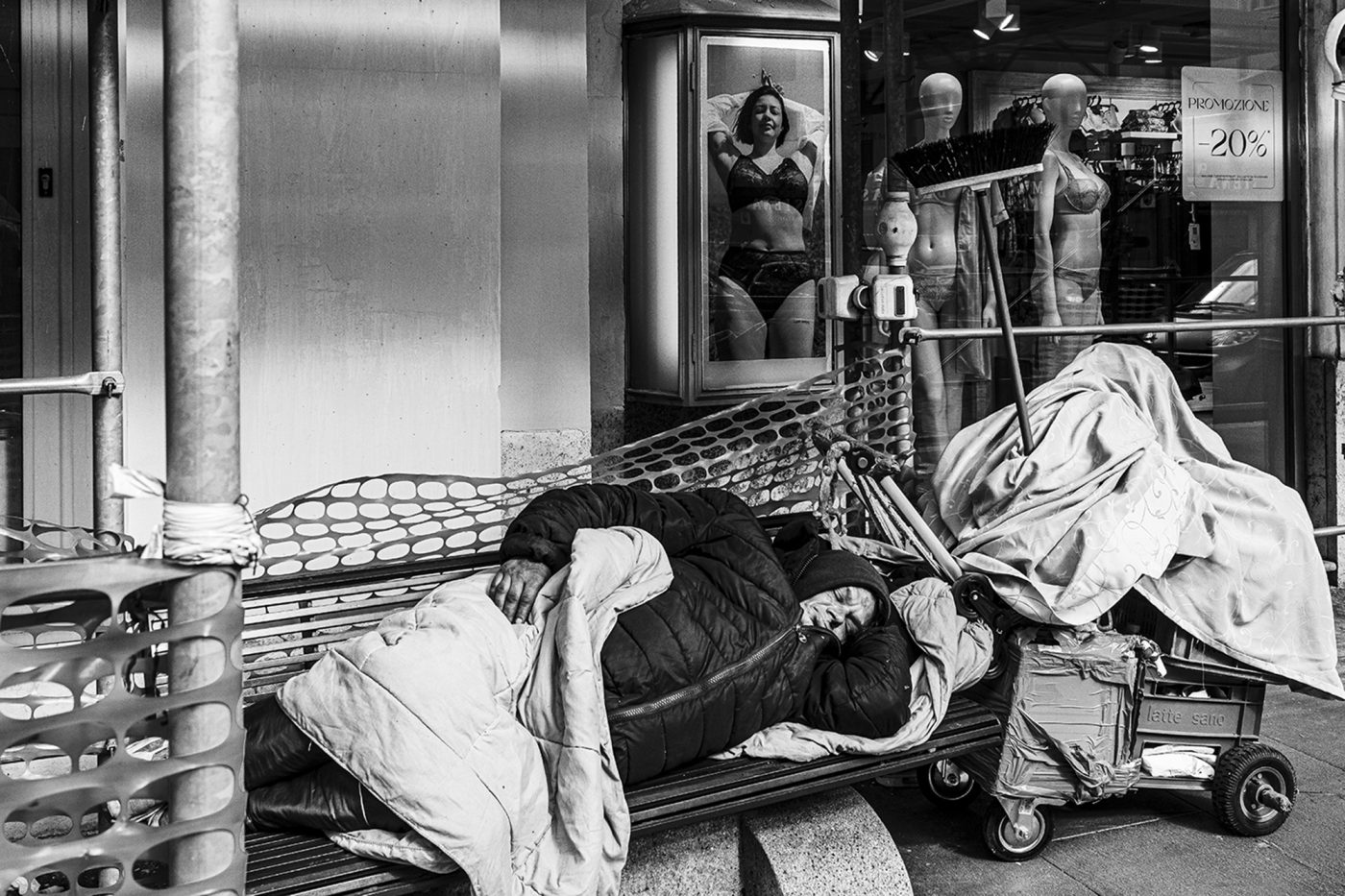
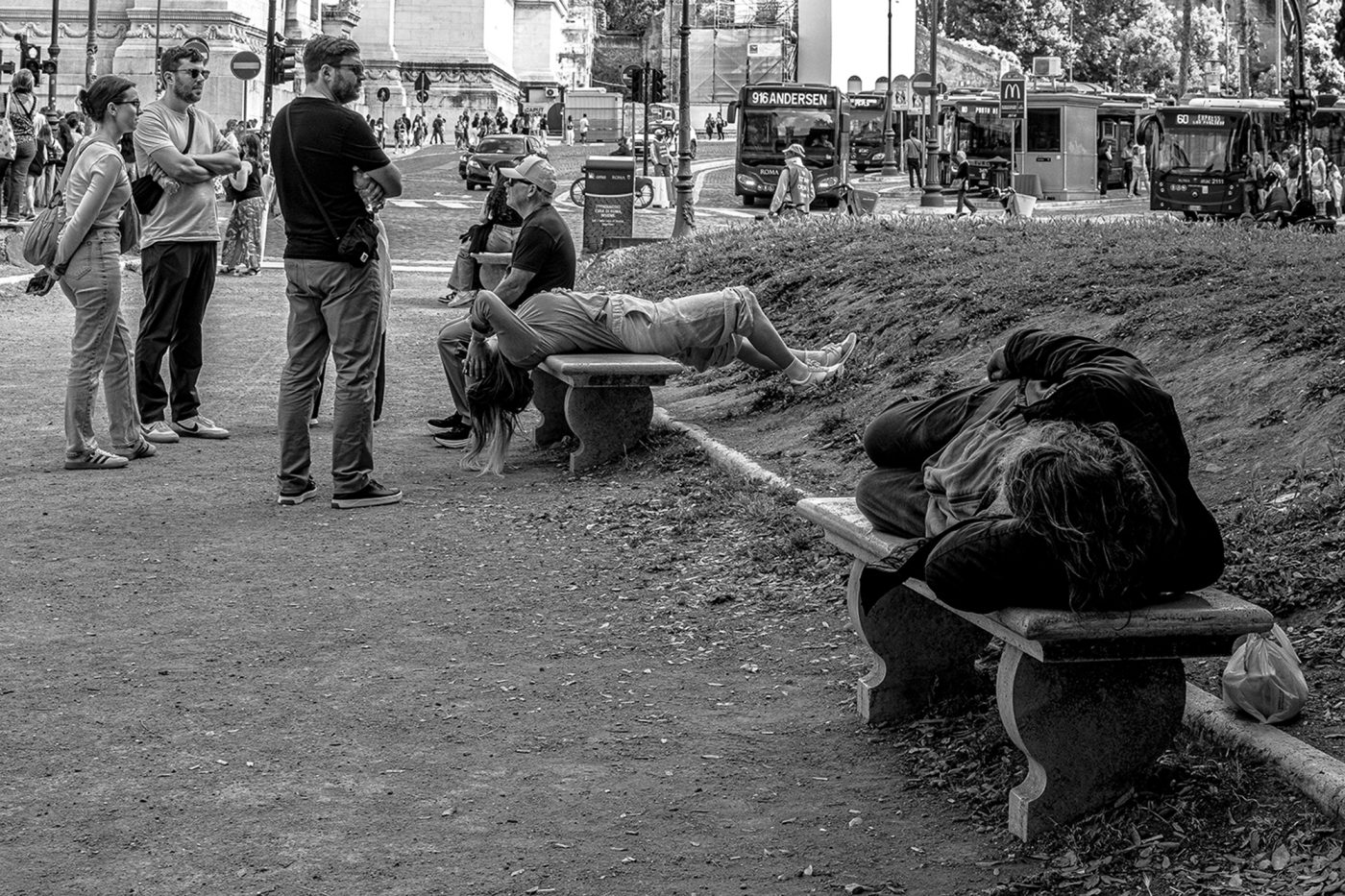
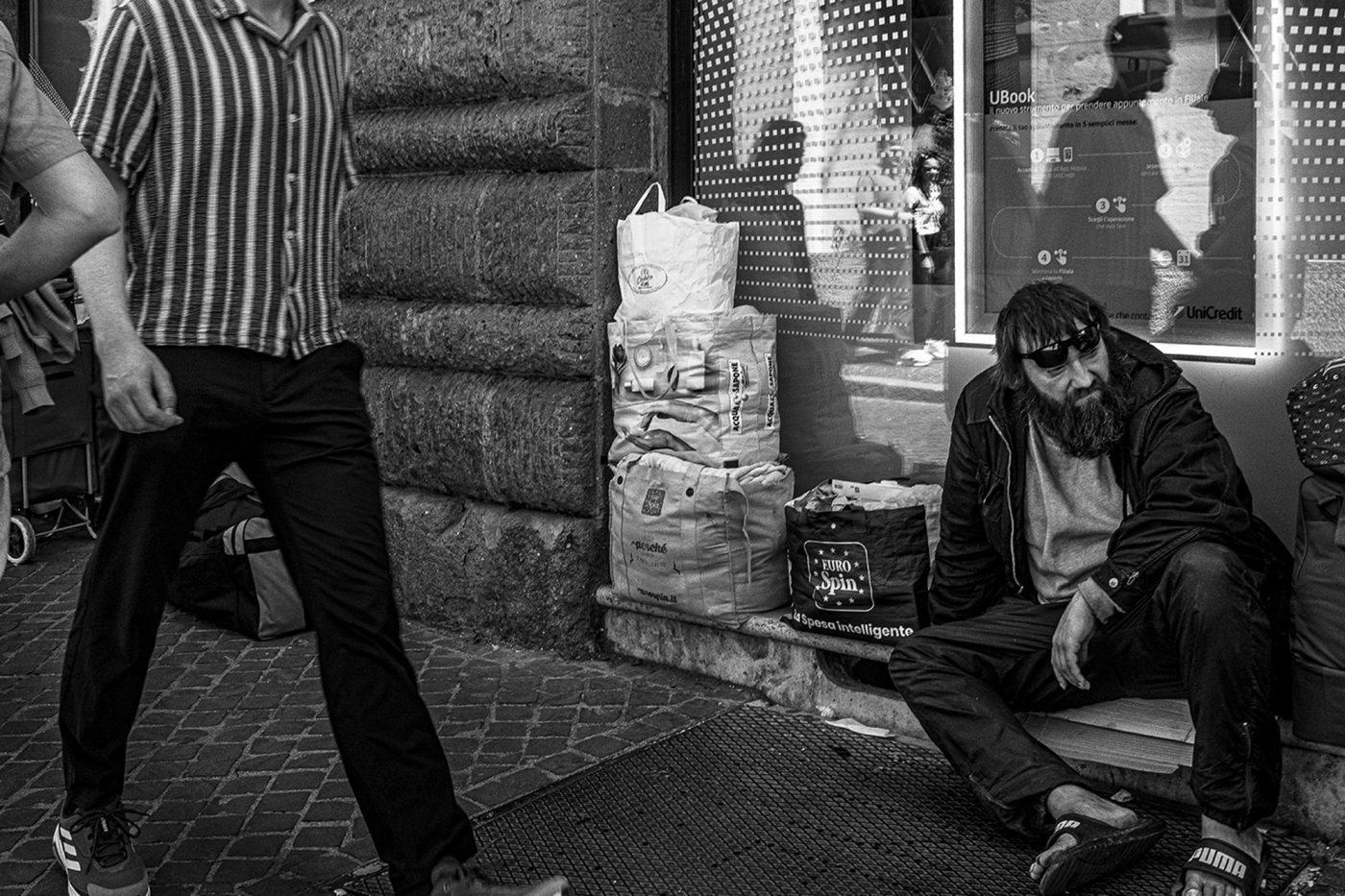
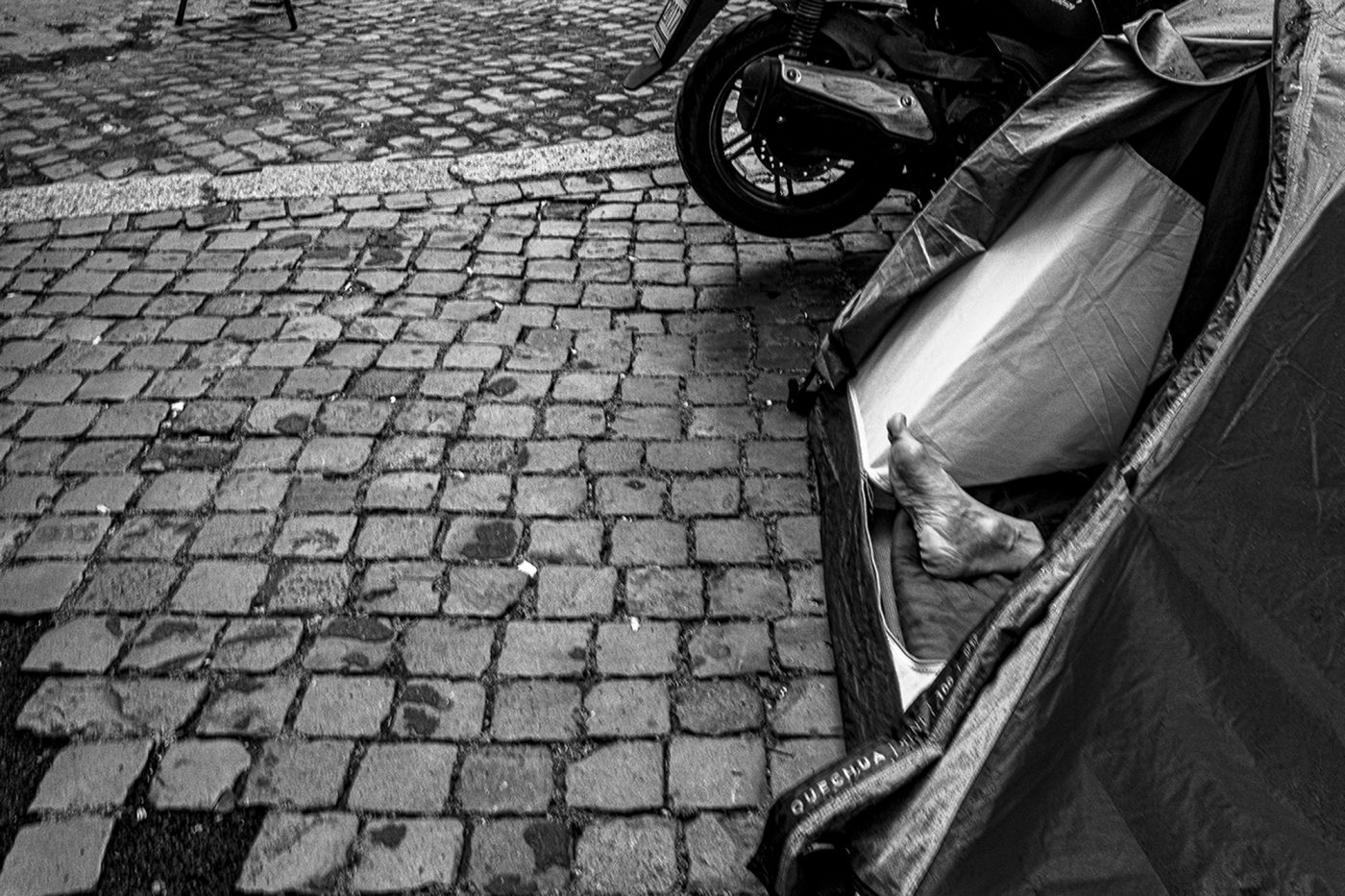
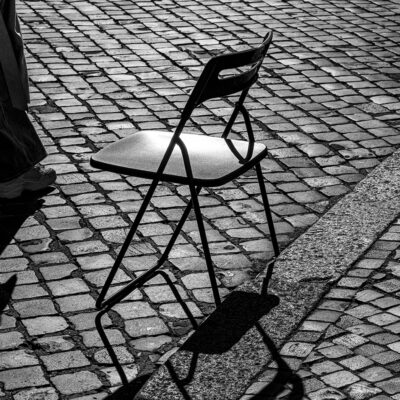
And just as in that era, so too today this city in decline seems to dance unconsciously on the deck of the Titanic with its throng of visitors, dwarves and dancers, tramps and sleepers, immersed in a daily shipwreck less visible and striking than others, but of which I would like to convey, through the images I present, the thrill it provokes in me.
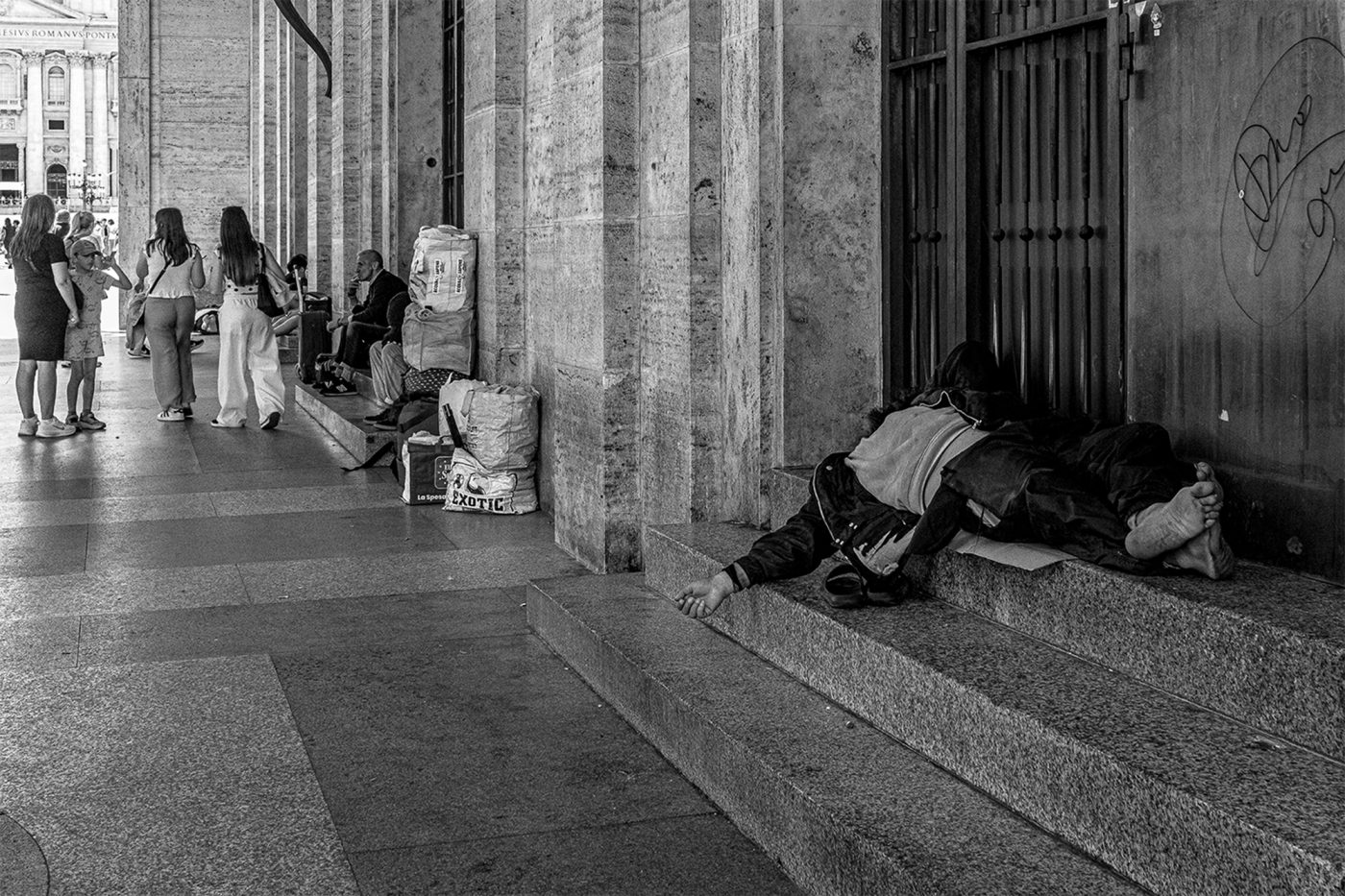



Nel pomeriggio, discutevo con mia mamma per le dimensioni del suo “sgabuzzino”, in terrazza, che non consentono di riporre in ordine i vari strumenti per le pulizie domestiche. lei è del 1936, ed ho avuto l’impressione che le persone che hanno comunque vissuto momenti molto difficili nella loro vita, basti pensare al Conflitto mondiale, non vogliano piu’ considerare situazioni di difficoltà. Poi, le ho mostrato le foto, ci siamo abbracciati e siamo scoppiati a piangere. Grazie.
Grazie a te Filippo, la tua è una considerazione molto toccante.
Interessante e bella rassegna fotografica sui “margini” della città (nonostante le vie centrali)
Grazie Giuliano, in effetti è il centro della città ad essere diventato marginale.