STOP WAR



Upon returning from a trip to the Caucasus, I began reviewing the photographs I had taken and reflecting on my impressions—fleeting and incomplete, as is only natural, after just a few days as a tourist. And from my brief stay in Armenia, I brought back some contrasting and contradictory impressions: on the one hand, a faint sense of being in an unresolved, precarious, somewhat disappointing place.
Yerevan has been the capital since the 1920s, during the Soviet era, and the most interesting buildings, as well as the urban layout, date back to the Stalinist era; the rest of the country, despite the presence of many fascinating vestiges of a past rooted in millennia, has the air of a somewhat sleepy province.
One need only know a little about the history of these regions to realize that present-day Armenia is an area—albeit a rather peripheral one—that, having been occupied by the Tsar’s armies in the early nineteenth century and later annexed to the Russian Empire, escaped the ethnic cleansing and genocide that, about a century later, the Ottoman Empire, under the leadership of the Young Turks, by eliminating every Armenian ethnic, cultural, or linguistic presence from the eastern provinces of Anatolia that constituted historic Armenia.
To draw a comparison, it is as if all Italians had been exterminated and their language and culture eradicated everywhere except in Abruzzo—a region certainly full of beautiful things, but one that would struggle, even if renamed “Italy,” to convey the full complexity of the rest of the lost country.
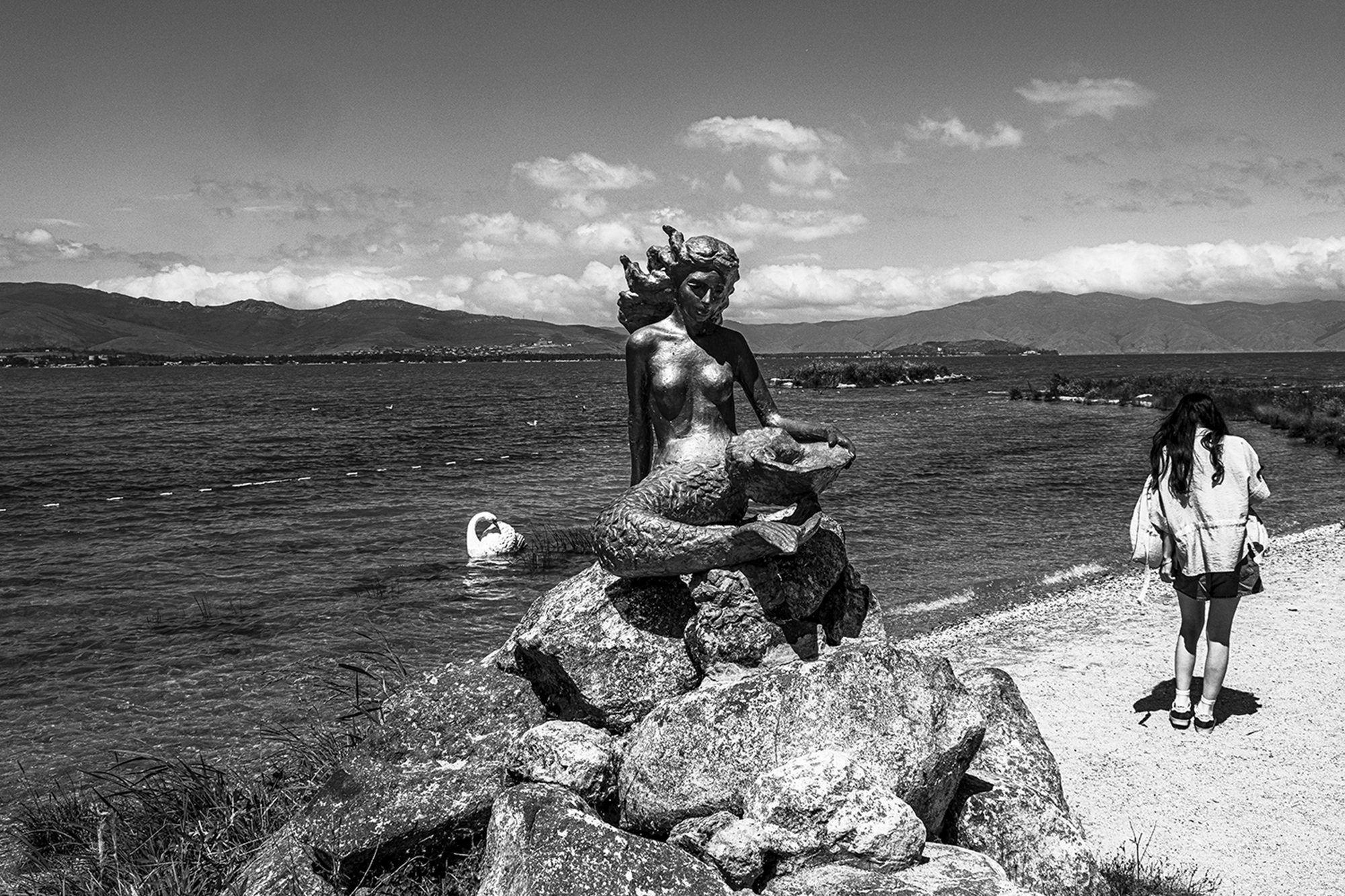
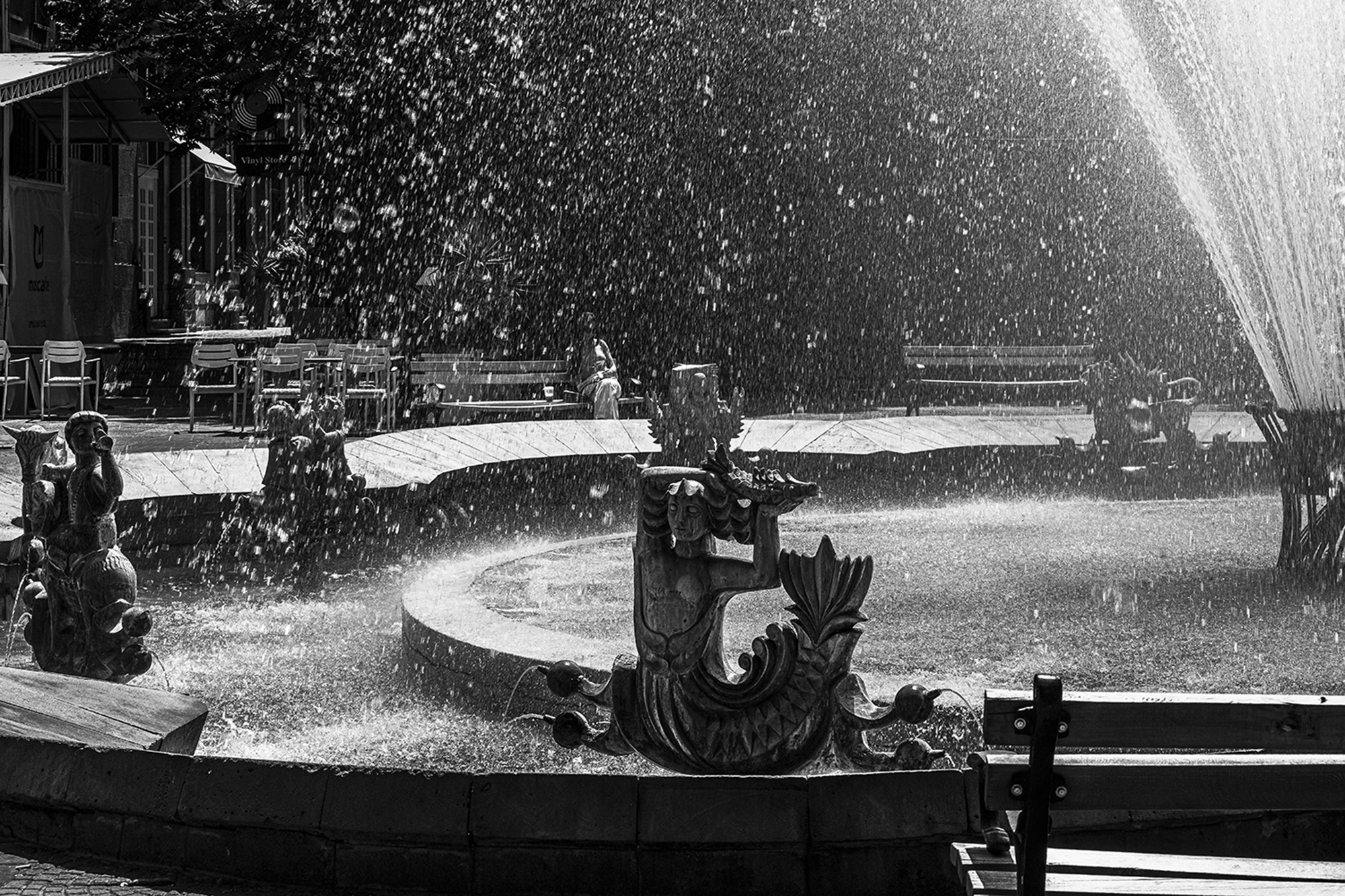
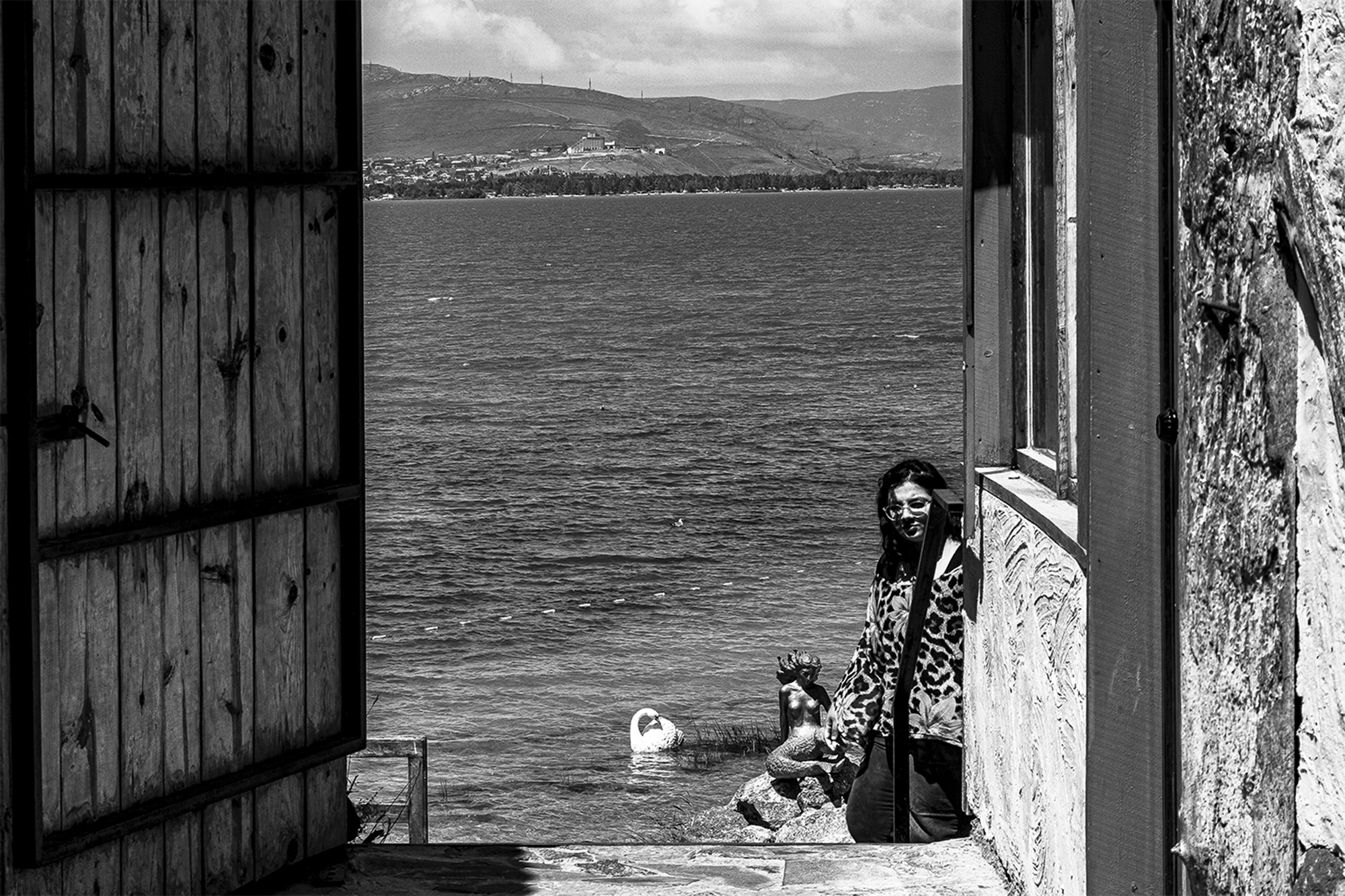
On the other hand, however—and contrary to first impressions—it seems to me that it is precisely this fact of being a residual, precarious, and incomplete fragment of something else that lends charm and depth, like a distant siren’s song, to the atmosphere one breathes in the country.
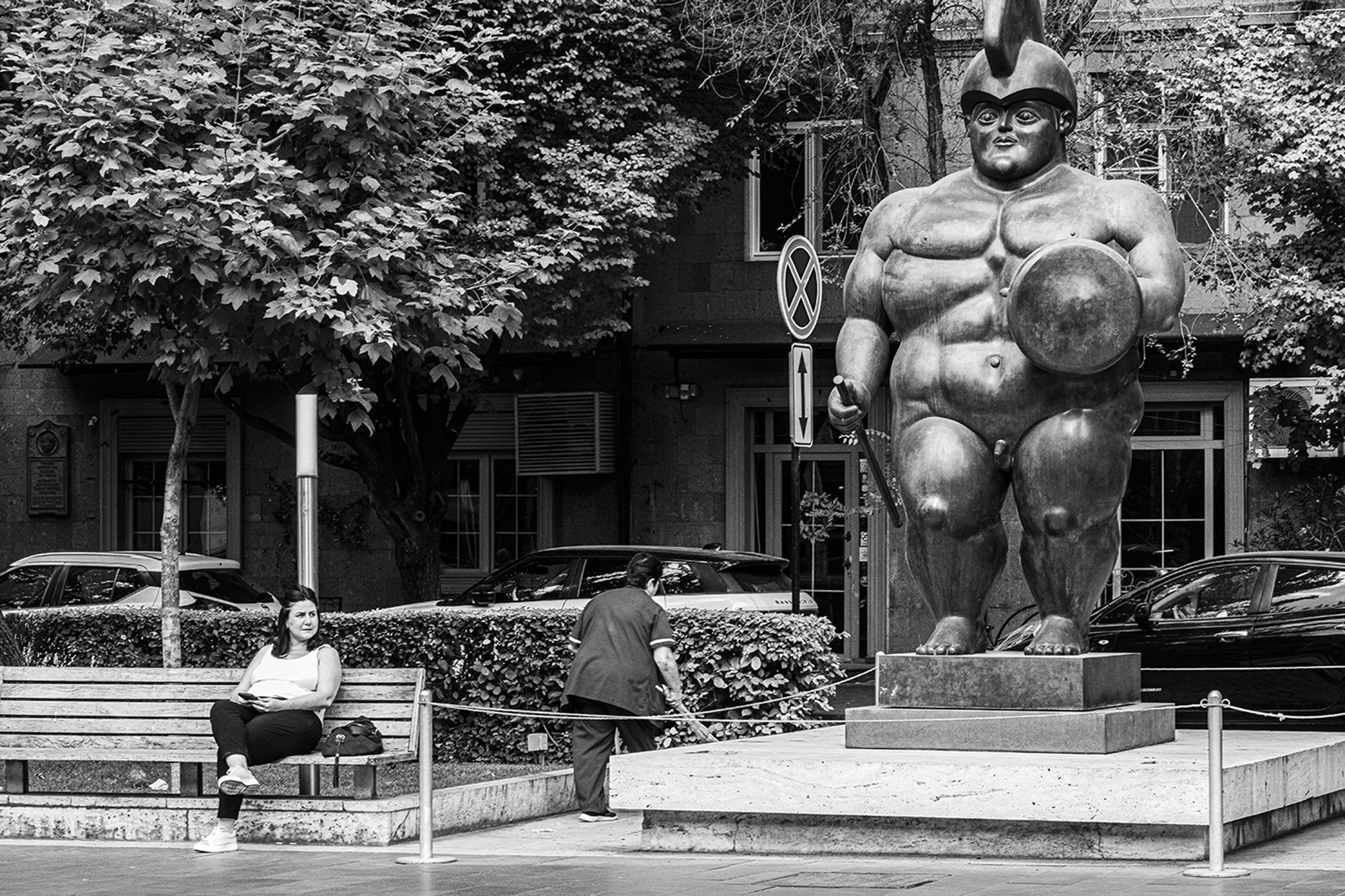
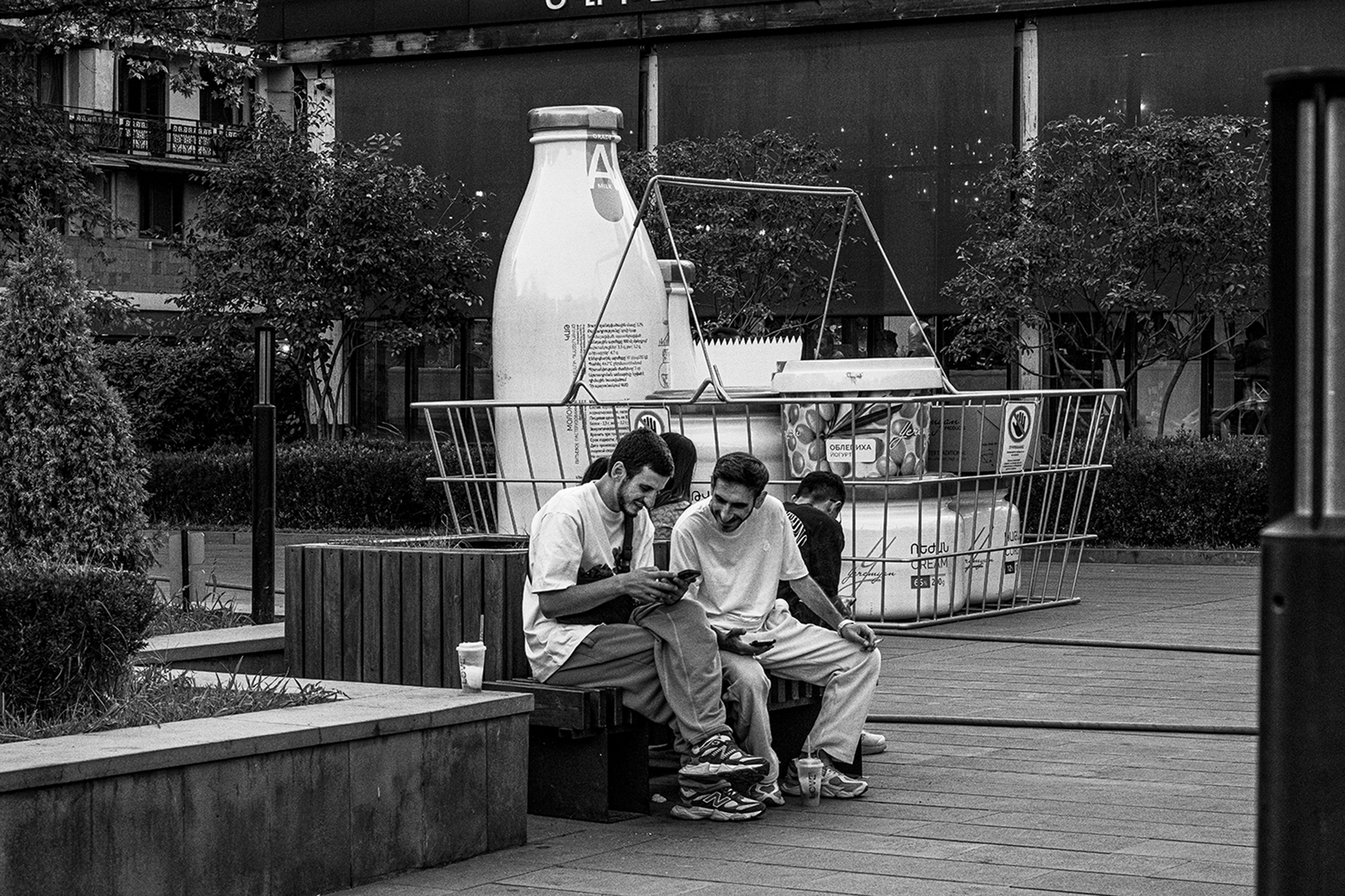
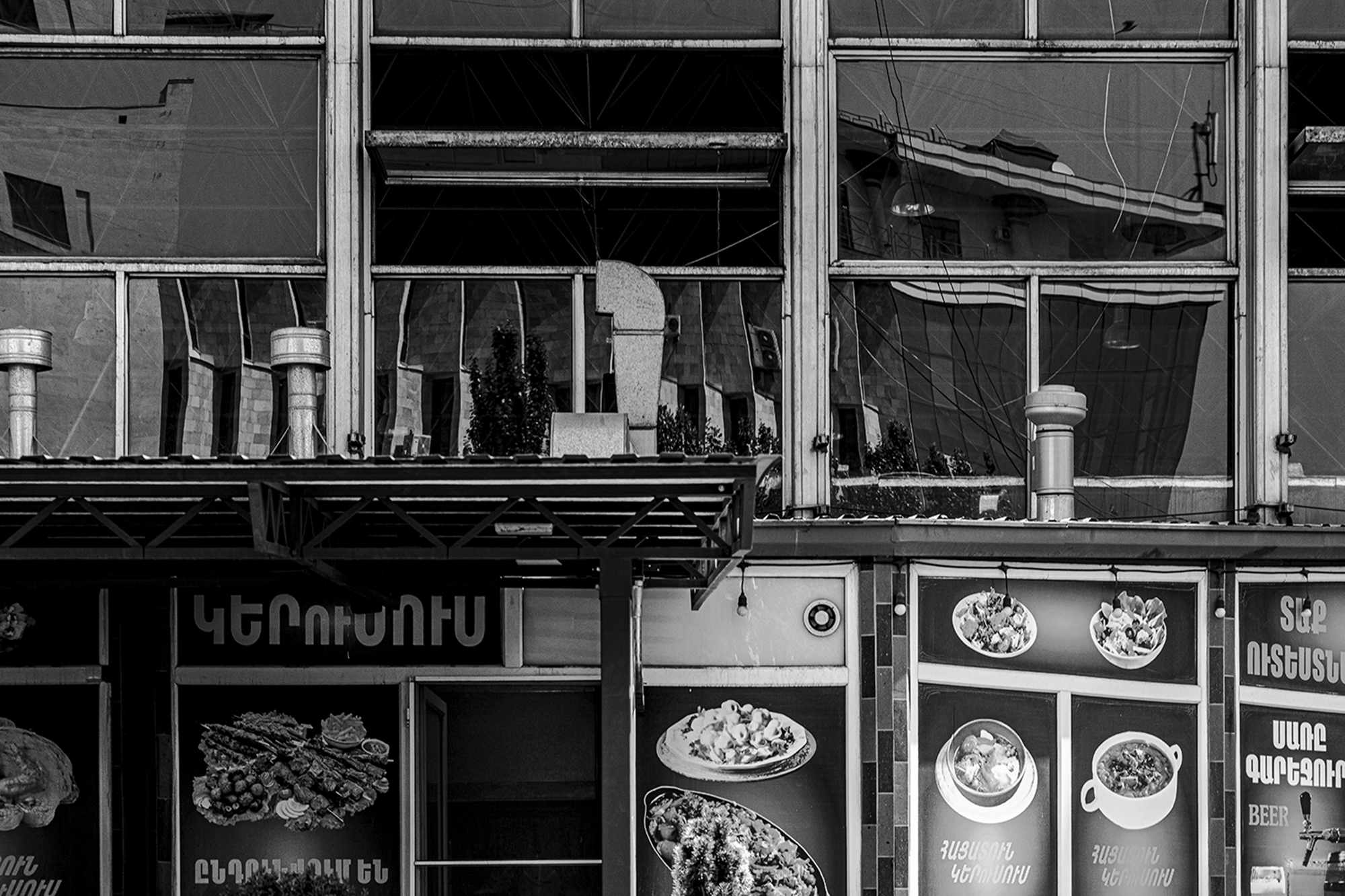
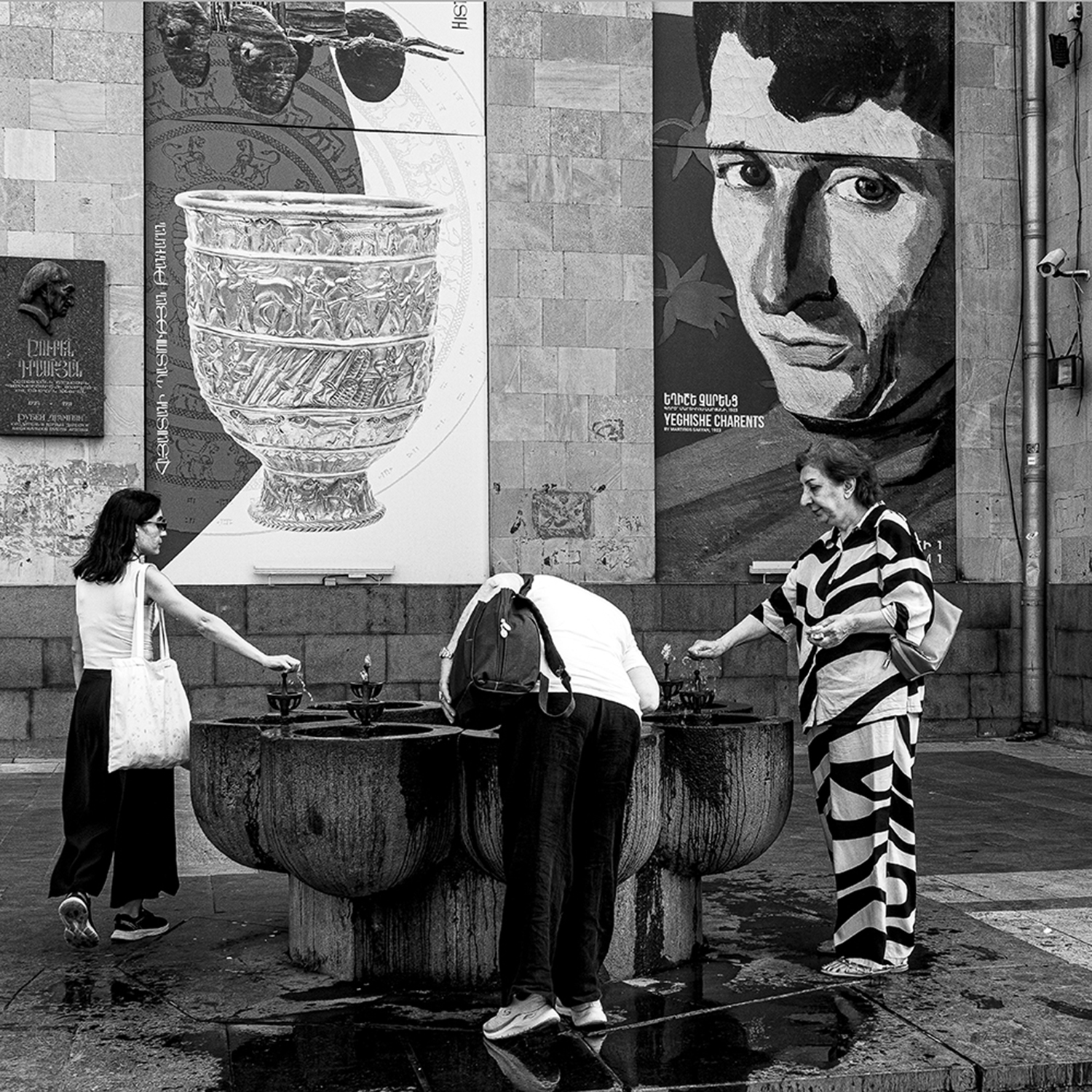
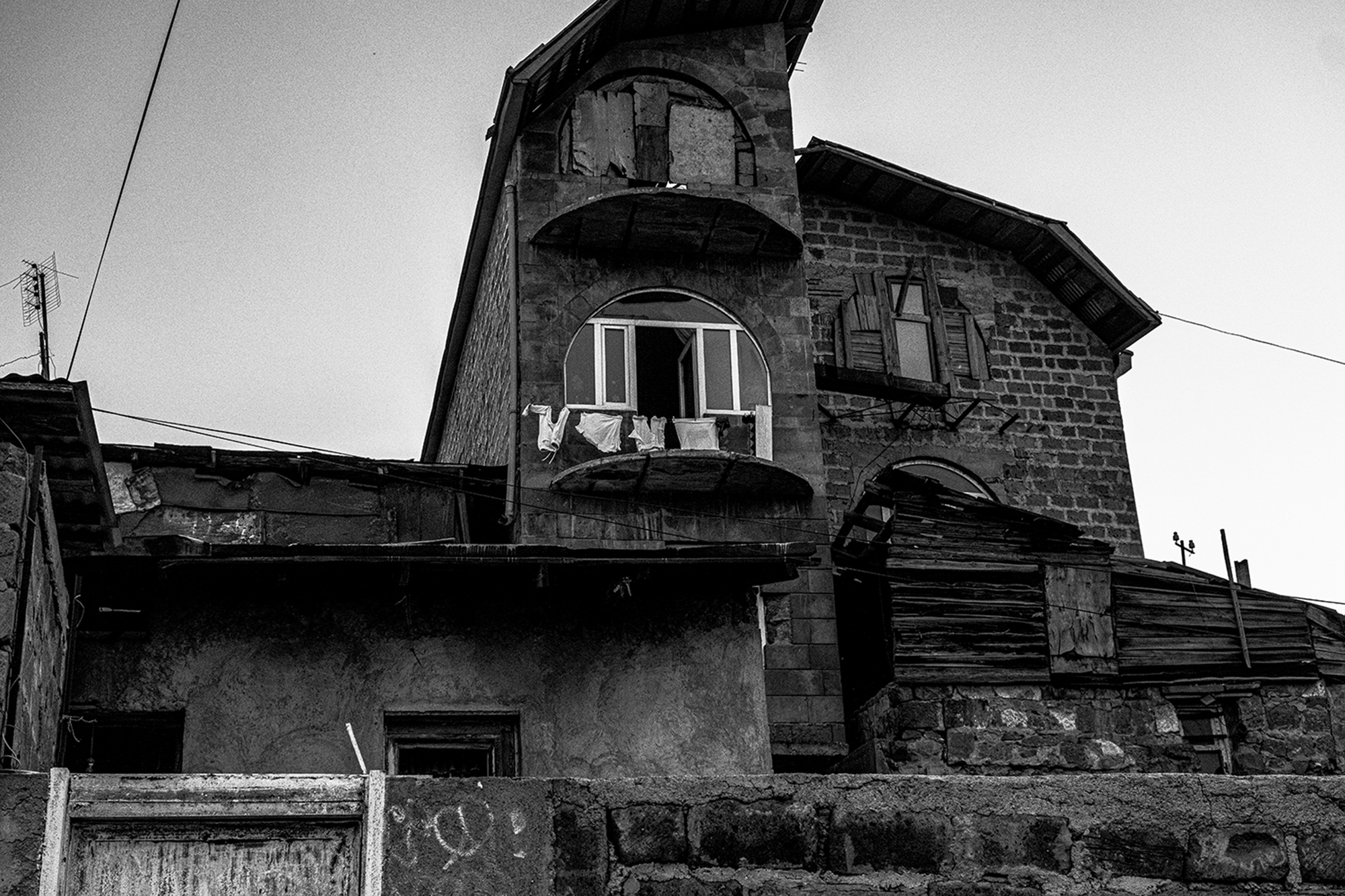
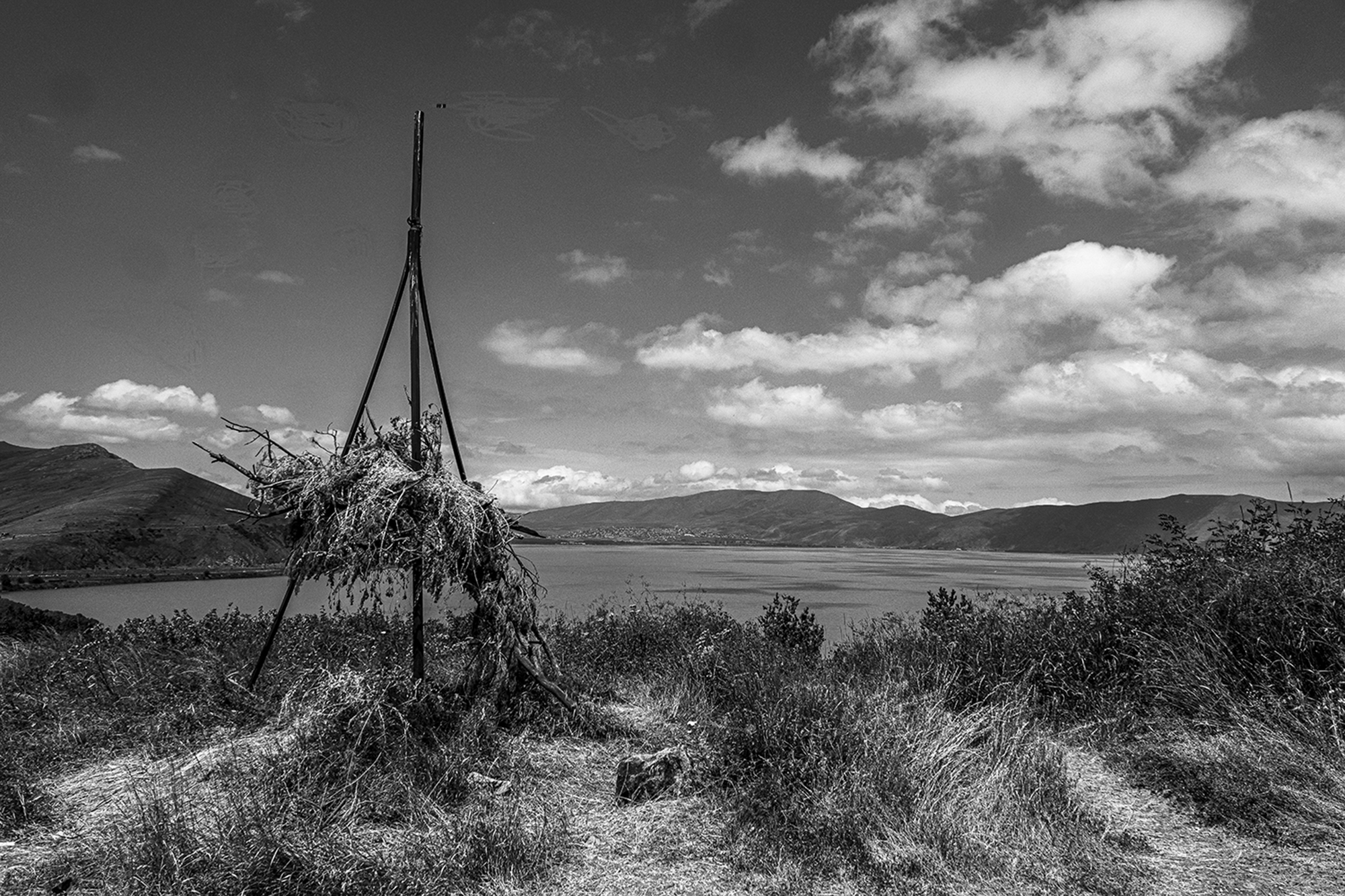
In these photos from Armenia, therefore, there will be no explicit references to the traumas of the more or less recent past (even independence following the dissolution of the Soviet Union was not without tensions and armed clashes with neighbors), but only an attempt to capture a vaguely surreal atmosphere—that of the “last remaining,” torn between regret for lost places and a present with an uncertain future, between the bitterness of those whose wrongs are not even acknowledged by the descendants of those who committed them and a feigned, superficial indifference.
A dissonant siren song—and it’s a shame that Armenia doesn’t even have a sea to justify its presence.