STOP WAR



Konnagar boasts a long and ancient history, tracing its origins back some 700 years as a settlement in Bengal. Situated on the western bank of the Ganges, it is an ancient highland surrounded by wetlands. During the 9th or 10th century, this region fell under the dominion of the Bhurishreshtha kings of South Bengal.
Due to the area’s difficult terrain, neither the Pathans, Mughals, nor Turks were able to establish complete hegemony over it. According to a land survey conducted during Emperor Akbar’s reign in 1582, the area was part of the ‘Bor Pargana,’ with ‘Konnagar’ designated as the specific ‘Mouza’ (revenue village).
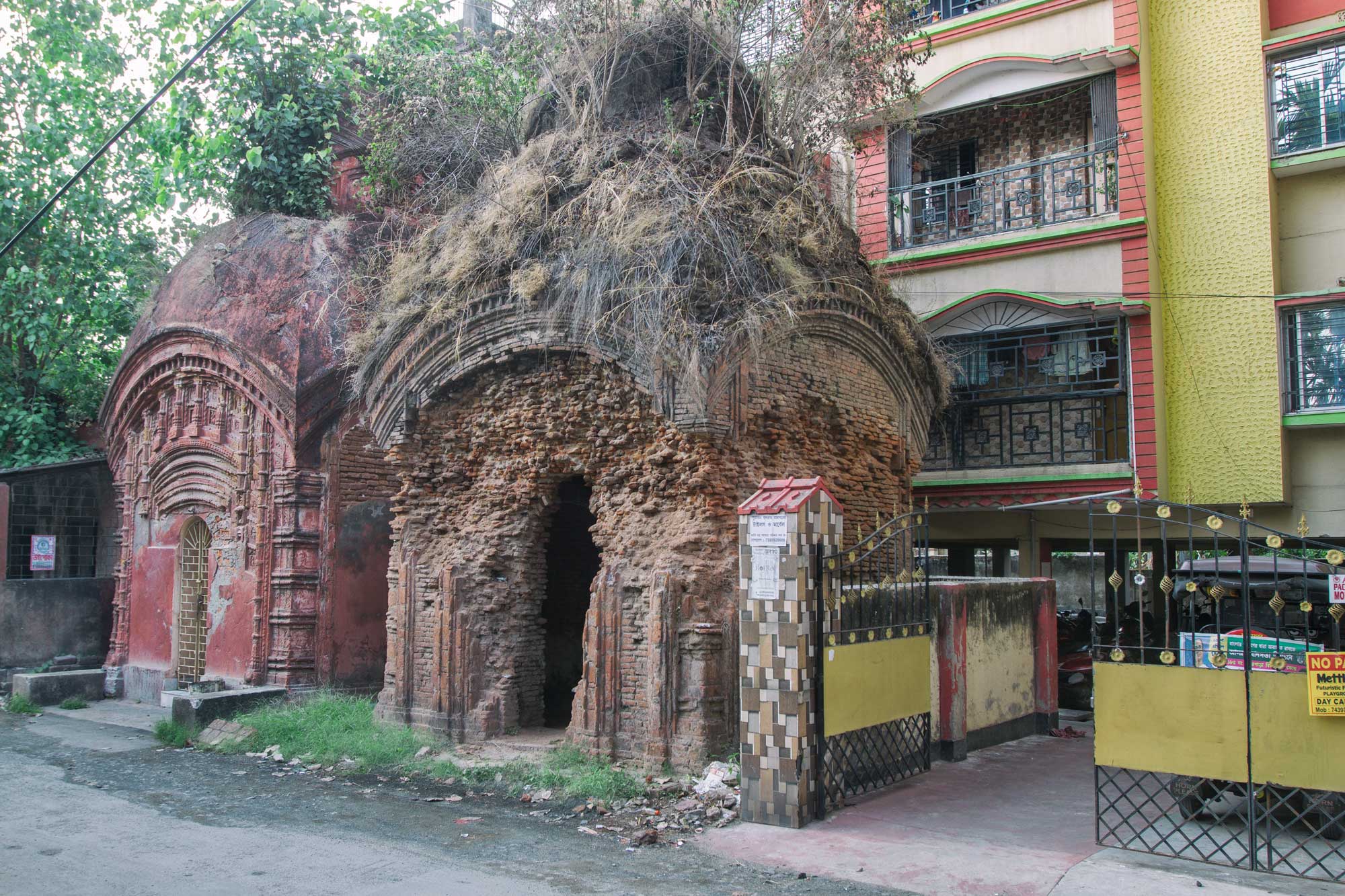
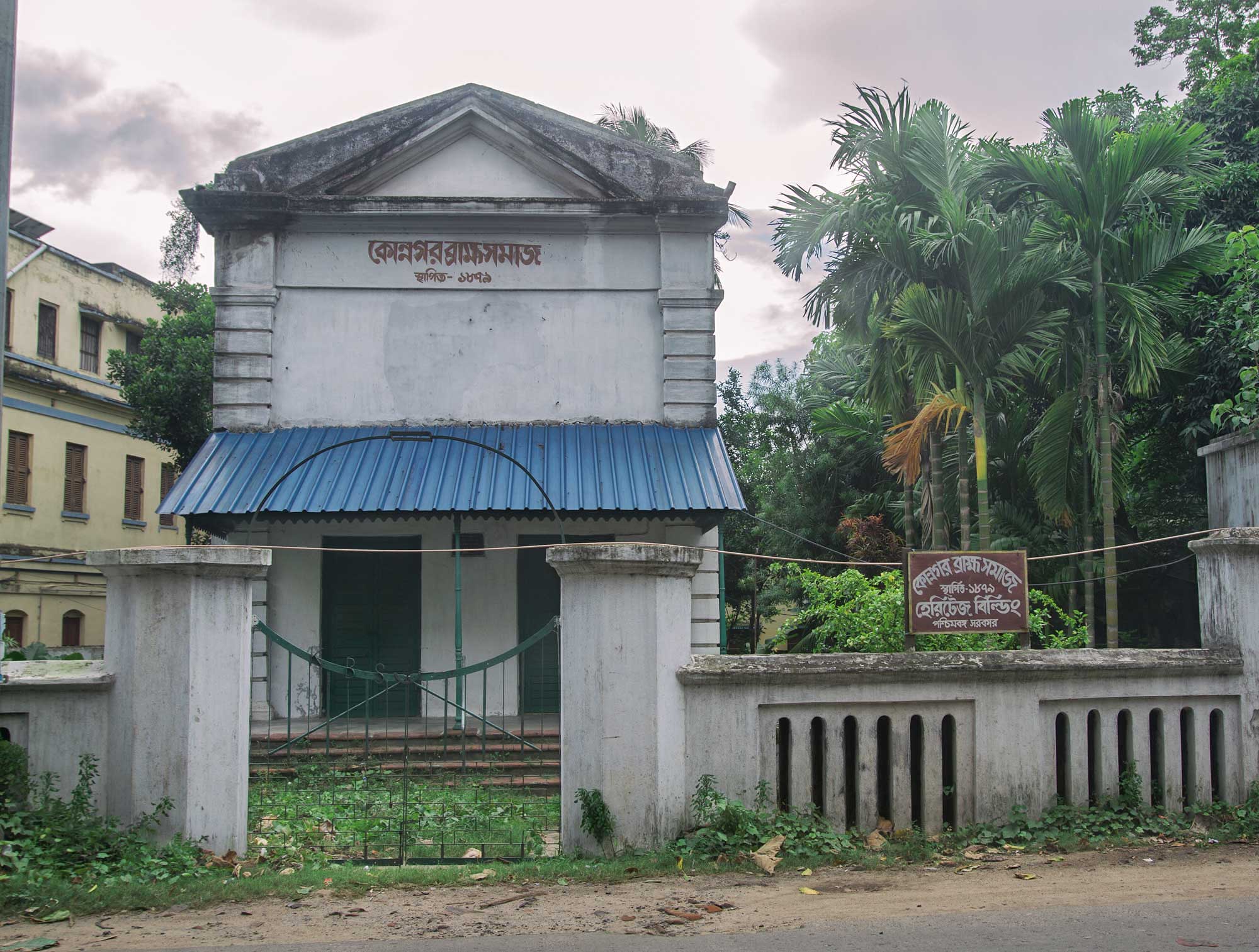
Settlement in Konnagar
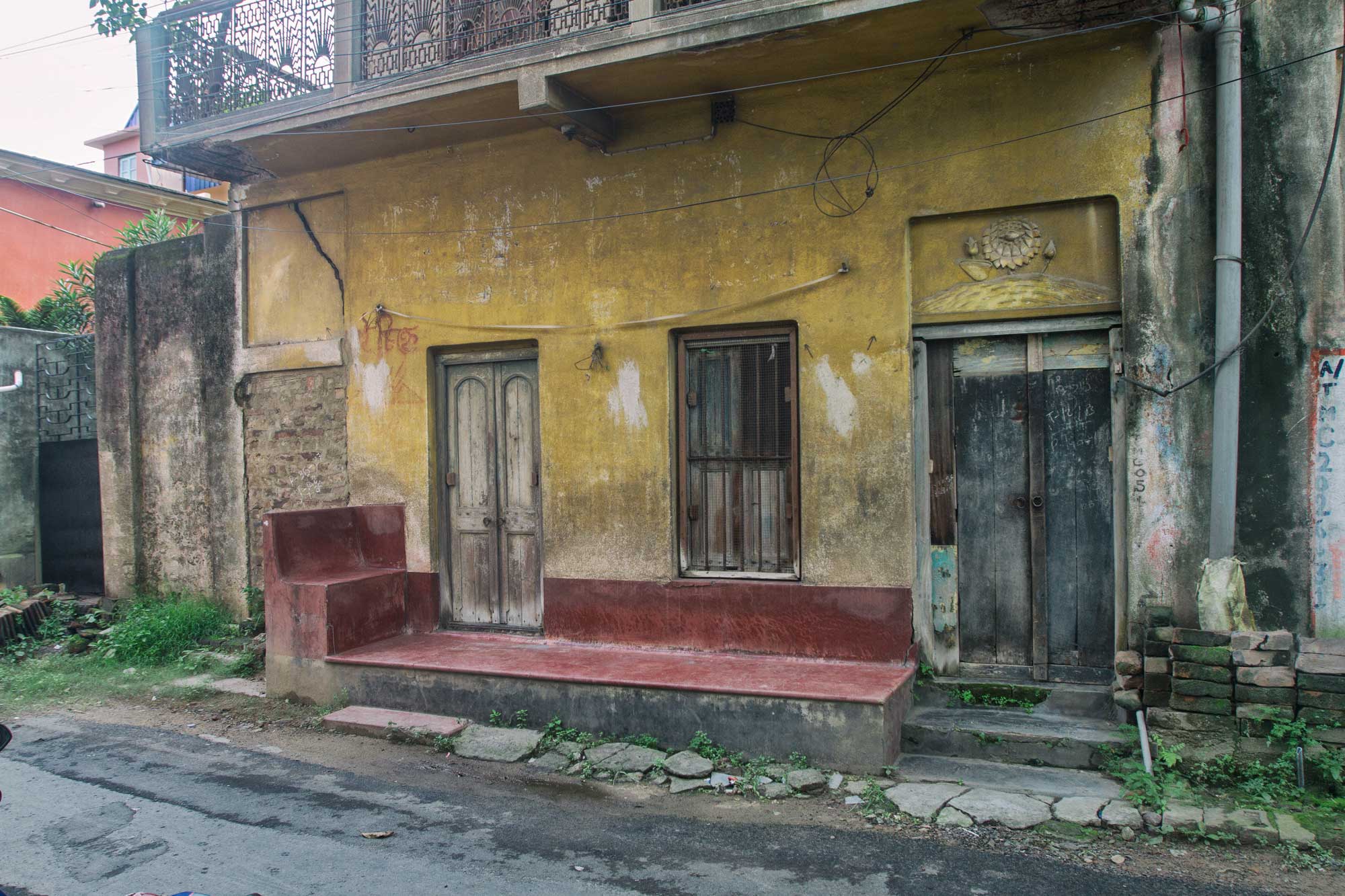
Settlement in Konnagar first began in the late 12th century, during the reign of Ballal Sen, through the efforts of two individuals—Makaranda Ghosh and Kalidas Mitra. This marked the genesis of modern Konnagar. Mahatma Shibchandra Deb, born here in 1818, is hailed as the father and architect of modern Konnagar; he was a social reformer who spearheaded the establishment of the local post office, railway station, a high school, and a girls’ school known as ‘Balika Shiksha Sadan.’ As an ancient settlement, Konnagar is home to numerous old temples and historic ‘Ghats’ (riverfront steps) along the Ganges. The influence of European architecture from the British era is also evident in many of the town’s old, aristocratic Bengali homes.
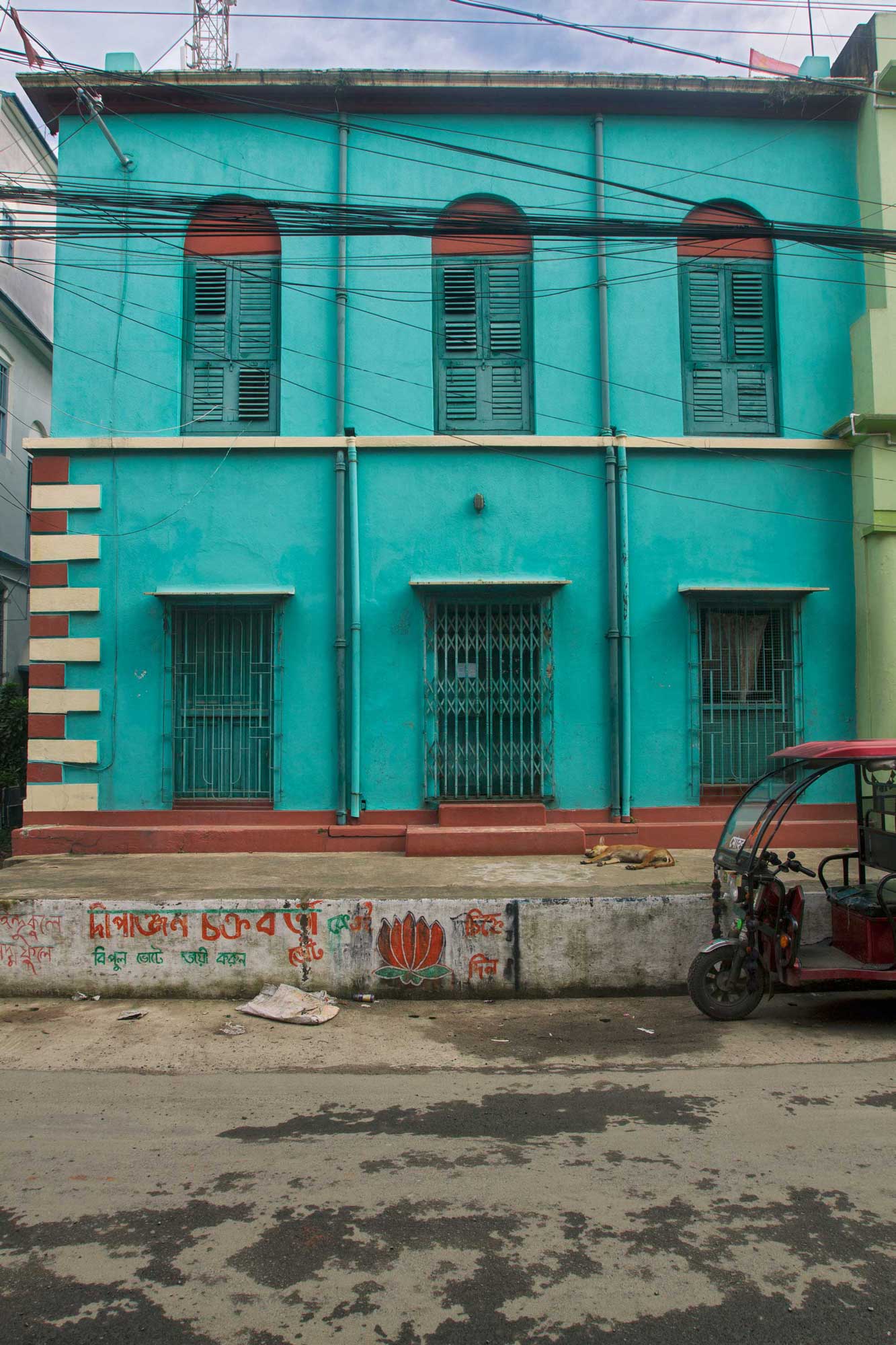
Although the Portuguese began establishing trade and settlements in Bengal during the 16th century—particularly in coastal regions like Bandel, Chilka, and Chittagong—they brought their own architectural styles with them. It was primarily through them that European architecture was first introduced to Bengal. These sprawling mansions stand proudly today, reflecting the opulence of a bygone era. They serve as local examples of the palatial residences built by the wealthy Bengali zamindars and merchant class of British-era Kolkata. Architecturally, they represent a magnificent blend of European and Indian styles, featuring elements such as Corinthian and Ionic columns, as well as louvered shutters or Venetian blinds on windows to provide protection against sun and rain.
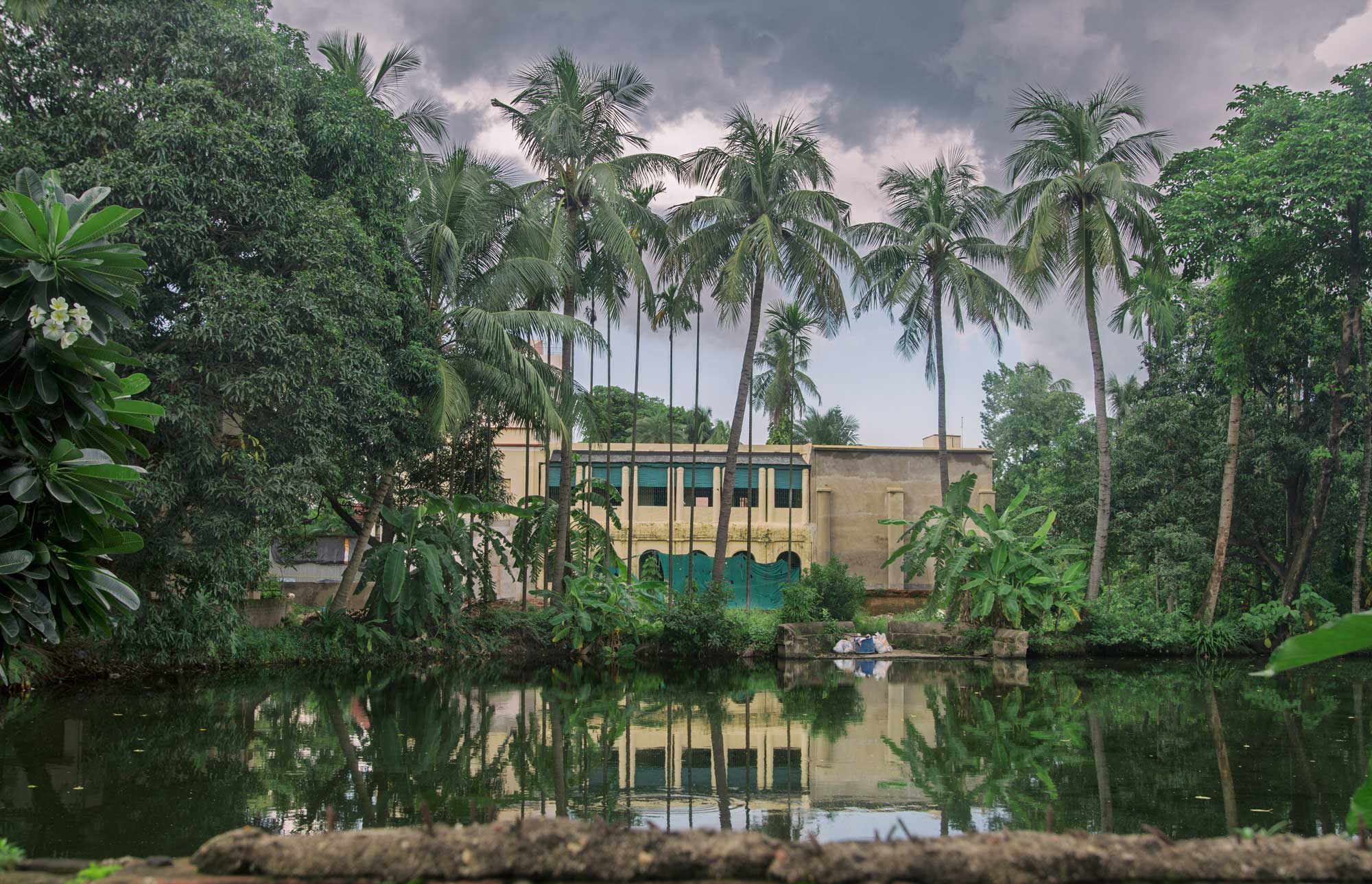
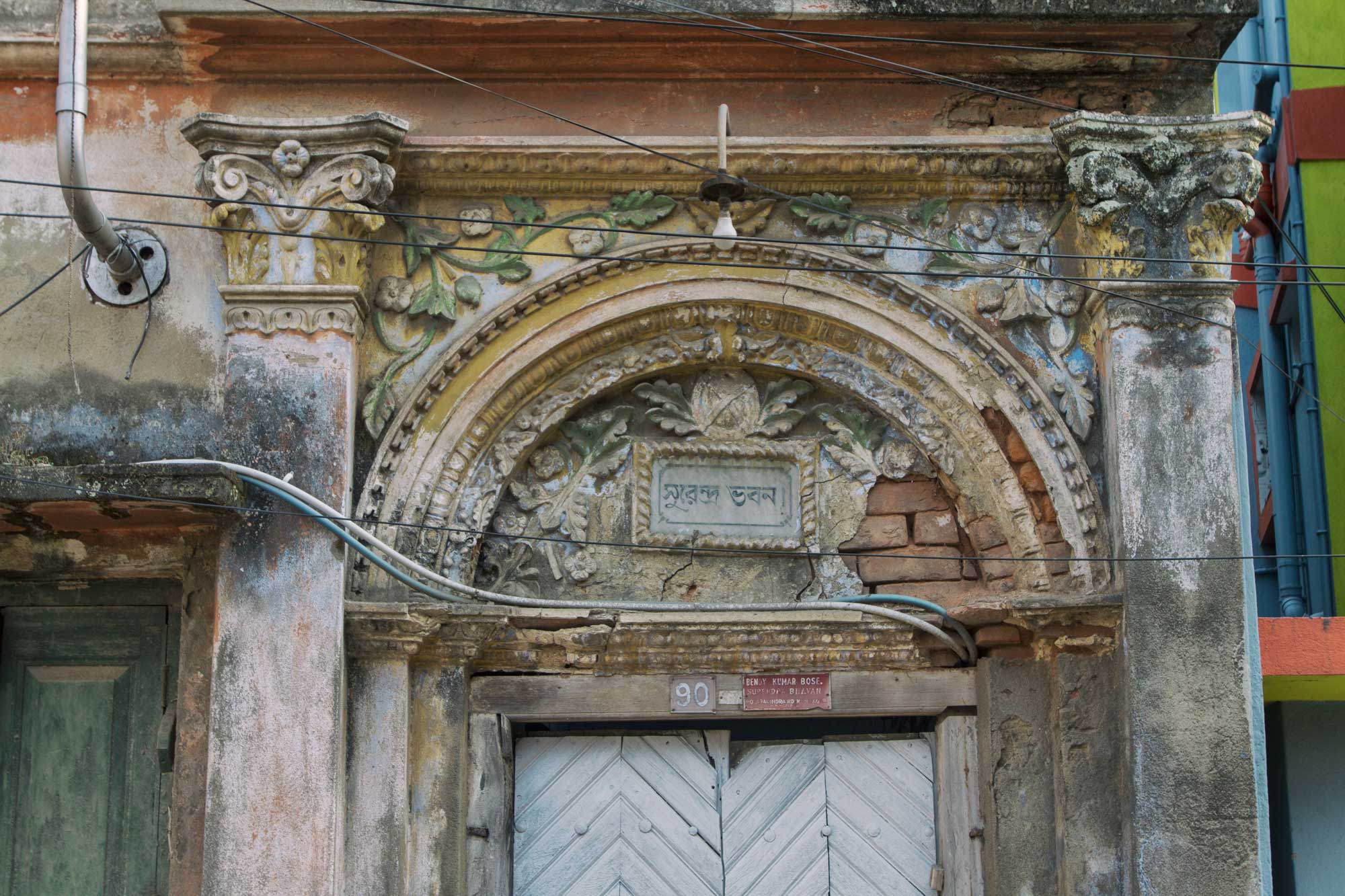
The main entrances and verandas often feature semicircular arches reminiscent of Roman architecture. Indeed, this architectural grandeur was a reflection of the time when Bengal’s economy had reached its zenith, driven by Kolkata’s status as the capital. Due to the sycophancy of the British by a certain segment of society, wealth remained concentrated within a handful of Bengali families.
Although the capital of India
Although the capital of India had shifted to Delhi in 1911, Kolkata remained the country’s primary commercial and industrial hub and its most populous metropolis throughout the 1930s. Educated middle-class Bengalis—or the ‘Bhadralok’—predominantly worked as clerks or accountants in British government offices, railways, post offices, banks, and private commercial firms. Meanwhile, a significant number of highly educated Bengalis pursued careers in law, medicine, teaching, journalism, and high-ranking government positions. Consequently, an affluent, educated middle-class ‘Bhadralok Babu’ stratum began to emerge during this period.
The Art Deco-style houses
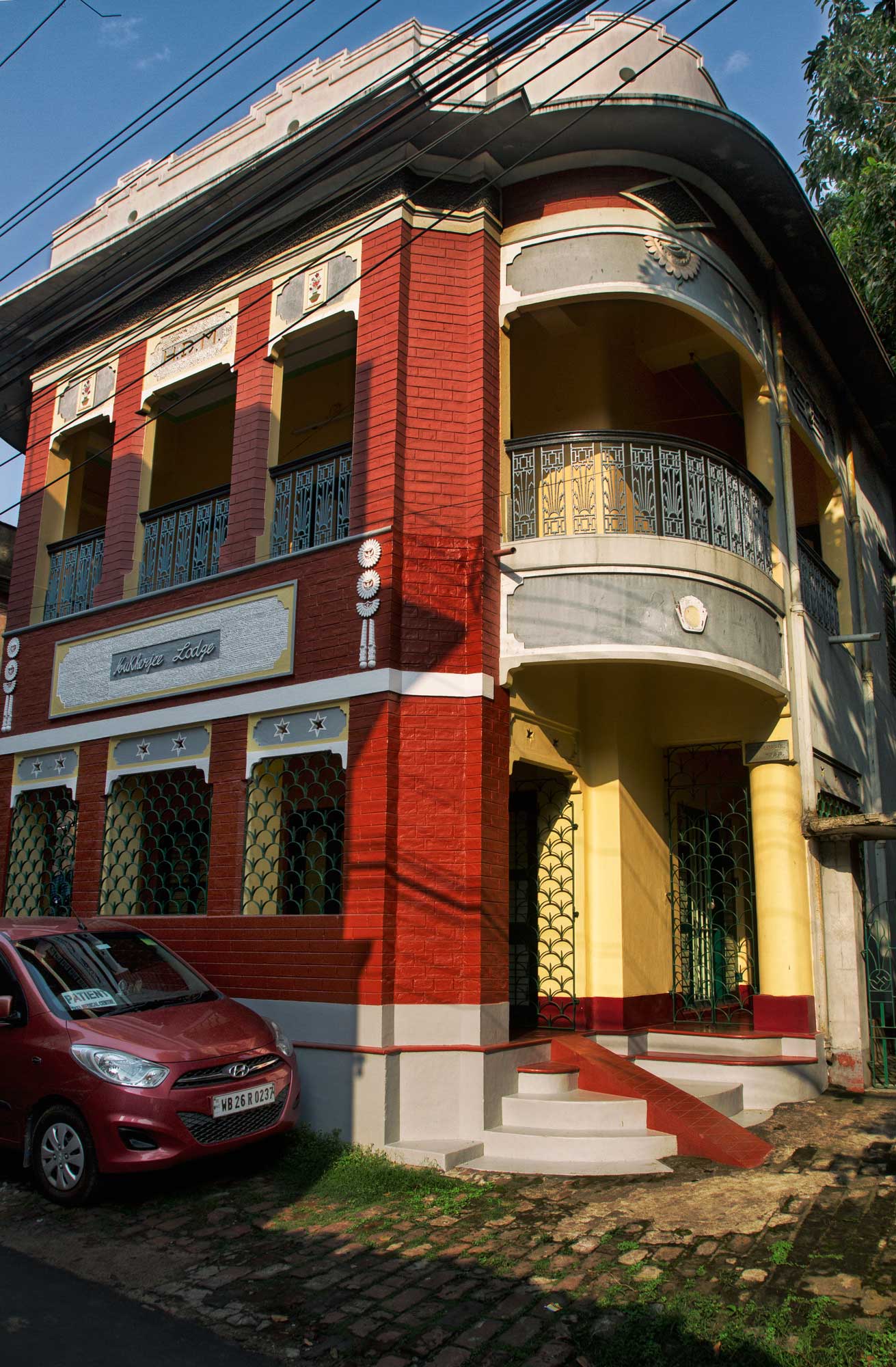
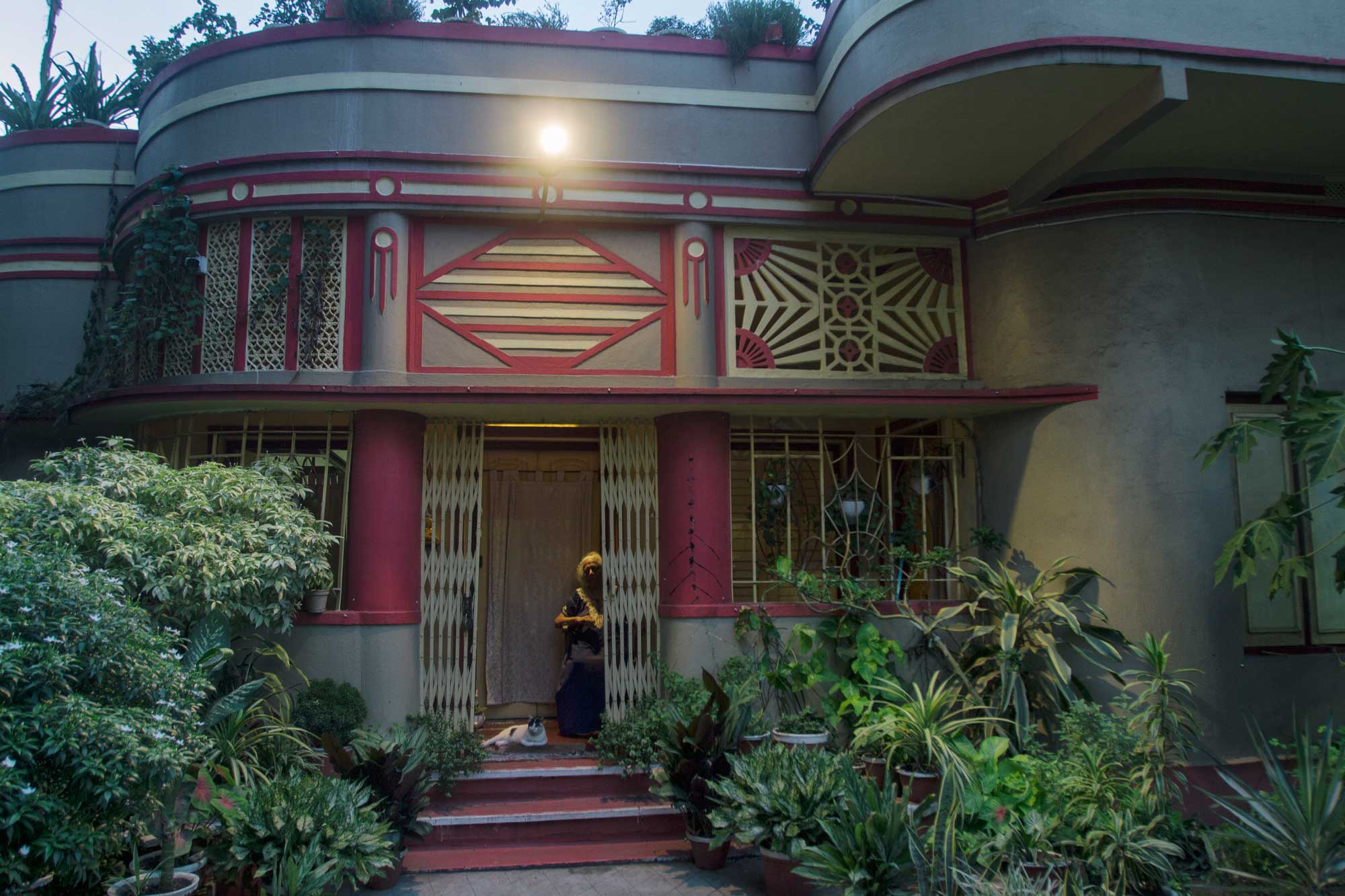
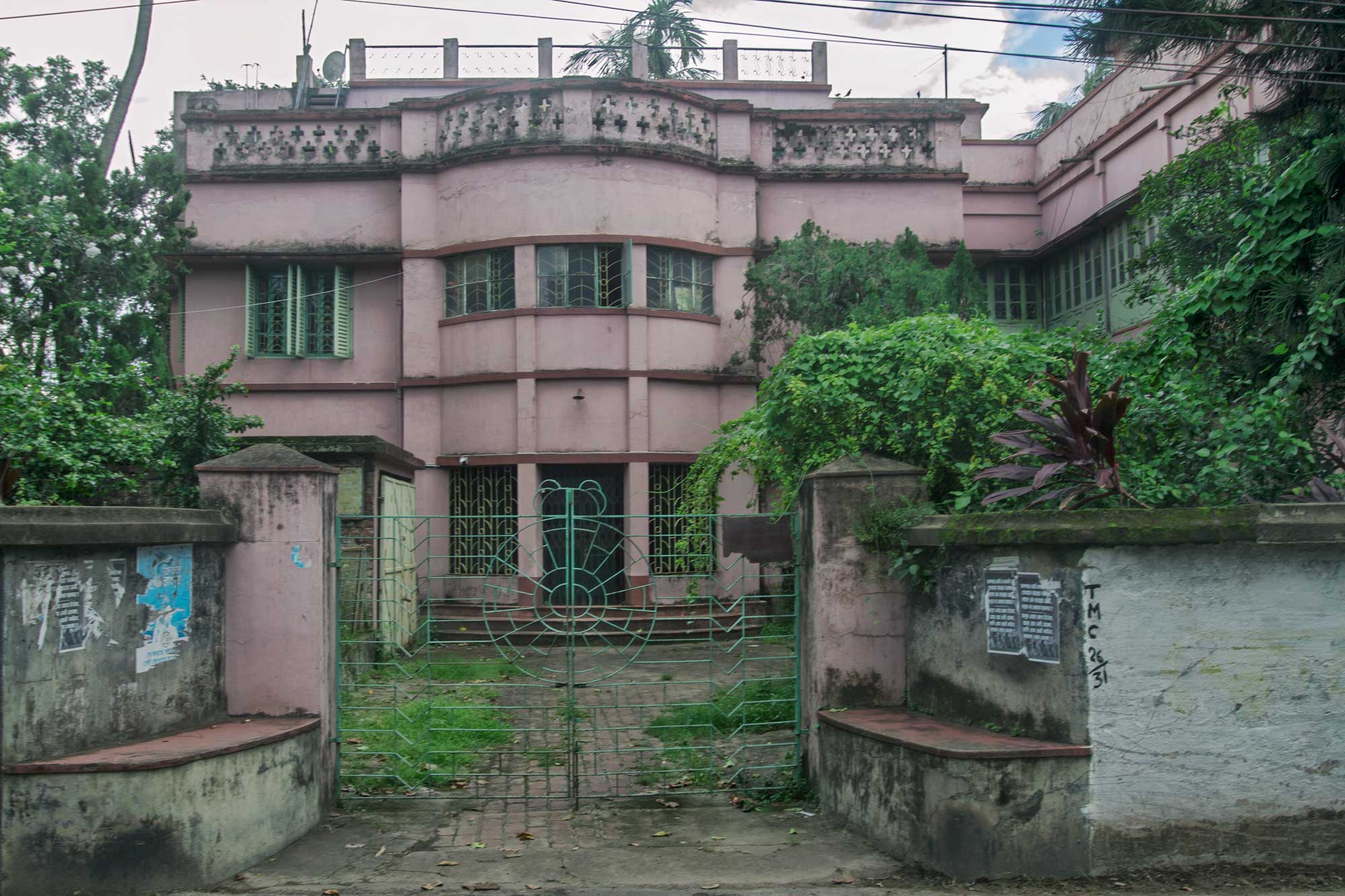
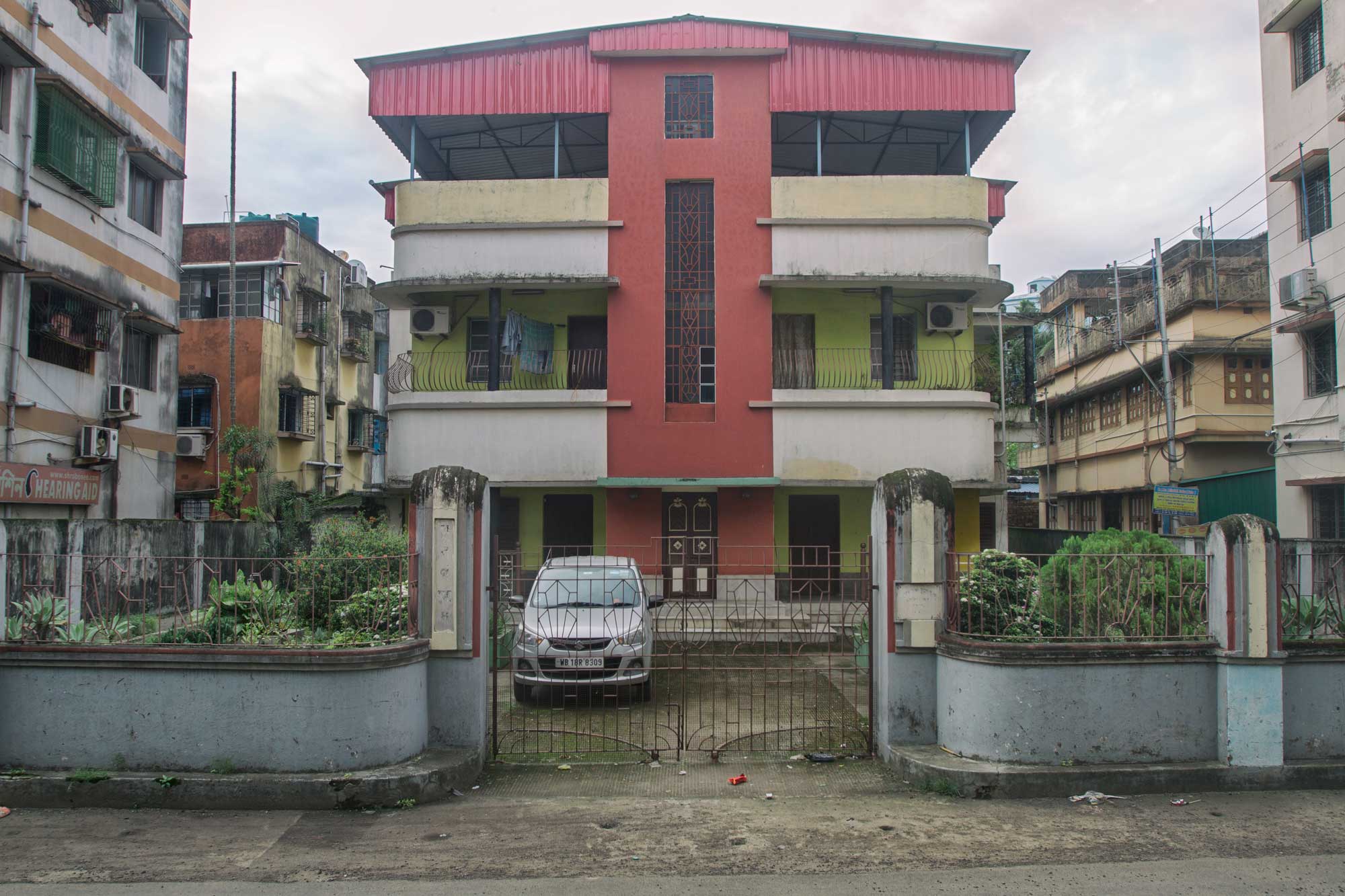
The Art Deco-style houses built in Kolkata in the 1930s stood in contrast to British colonial architecture, serving instead as symbols of the modern mindset shared by the Bengali middle and upper classes. The influence of this architectural style later manifested in several homes in Konnagar—specifically between 1950 and 1956, following India’s independence. The ancestors of these homeowners were largely representatives of that educated, non-aristocratic middle class. Their descendants constructed tasteful, bungalow-style houses in Konnagar; the owners included lawyers, doctors, high-ranking officials in British tea estates, and executives at the jute mills lining the Hooghly River.
A few examples of these Art Deco houses still survive in Konnagar today. It is more accurate to call these ‘Bengali Art Deco’ rather than strictly European Art Deco. They feature straight lines alongside rounded shapes, triangles, circles, and lattice patterns, with large wooden doors and windows made of clear glass. The houses are painted in off-white, cream, or pale blue, and feature a white marble nameplate on the exterior.
Subsequently, starting in the 1990s, economic liberalization, globalization, and technological advancements brought about rapid changes in lifestyle and culture across Bengal. Driven by economic and professional factors, large joint families began to fragment into nuclear families. The rising number of working women, coupled with the advent of television and later the internet, led to a visible Western influence on dietary habits, clothing, and lifestyles. Multi-storied apartment complexes began to replace the older single- or double-story houses that featured courtyards and gardens. Due to its proximity to Kolkata, Konnagar experienced these societal shifts very rapidly. Here, too, there is mounting pressure from an influx of people arriving from various regions. It was during the 1990s that an economic decline began to set in for the region.
Konnagar’s old houses
Before long, many of Konnagar’s old houses—which once occupied vast plots of land—began to be sold off; a major reason for this was the inability or failure to maintain them. Gradually, subsequent generations of the educated middle class migrated to cities like Mumbai, Bangalore, and Chennai for employment. Due to West Bengal’s recent economic climate and industrial stagnation, the job market for young Bengalis has faced a profound crisis.
A vast section of the state’s educated youth is currently grappling with severe unemployment, driven by a lack of heavy industry and private investment on one hand, and protracted delays in government recruitment processes on the other.
Today, Konnagar is rapidly transforming into a cosmopolitan city, increasingly defined by high-rise buildings. Yet, amidst this change, the town’s old houses seem to preserve a continuity with the past.