STOP WAR



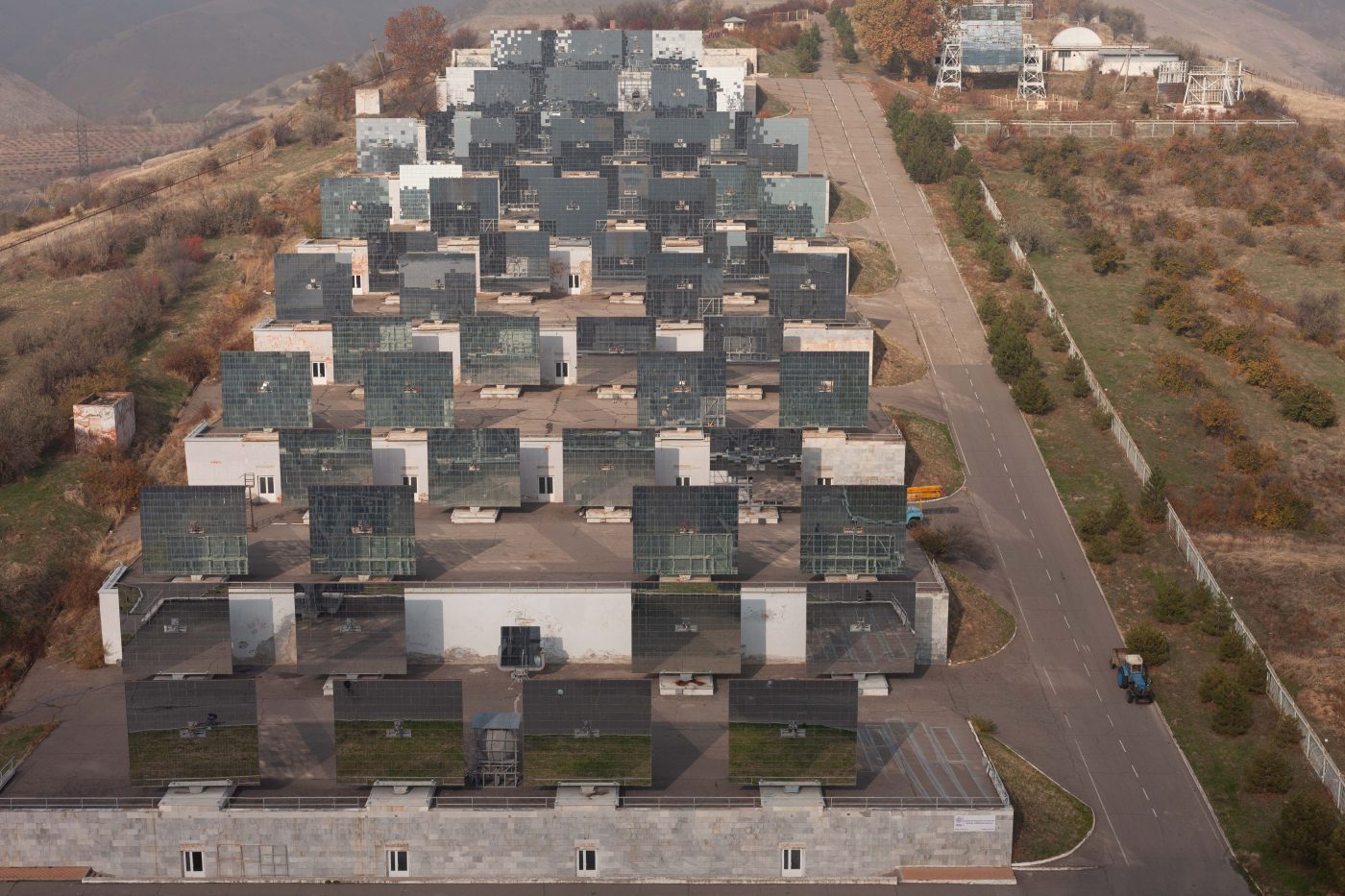
About 45 km from Tashkent, the capital of Uzbekistan, there is a futuristic solar furnace belonging to the Physicotechnical Institute “Physics-Sun.” Locals usually call it simply the Sun Institute.
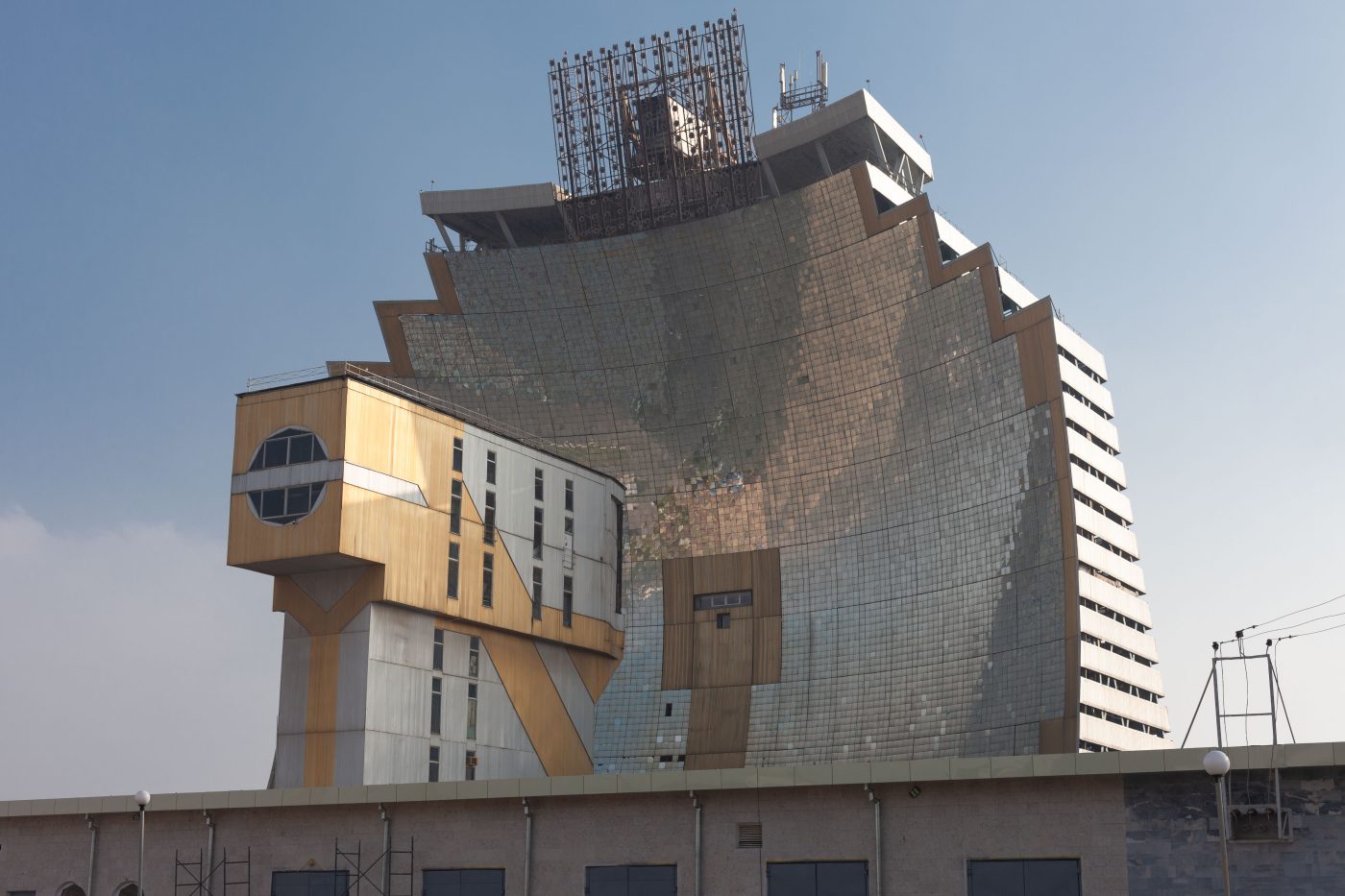
Autumn 2024
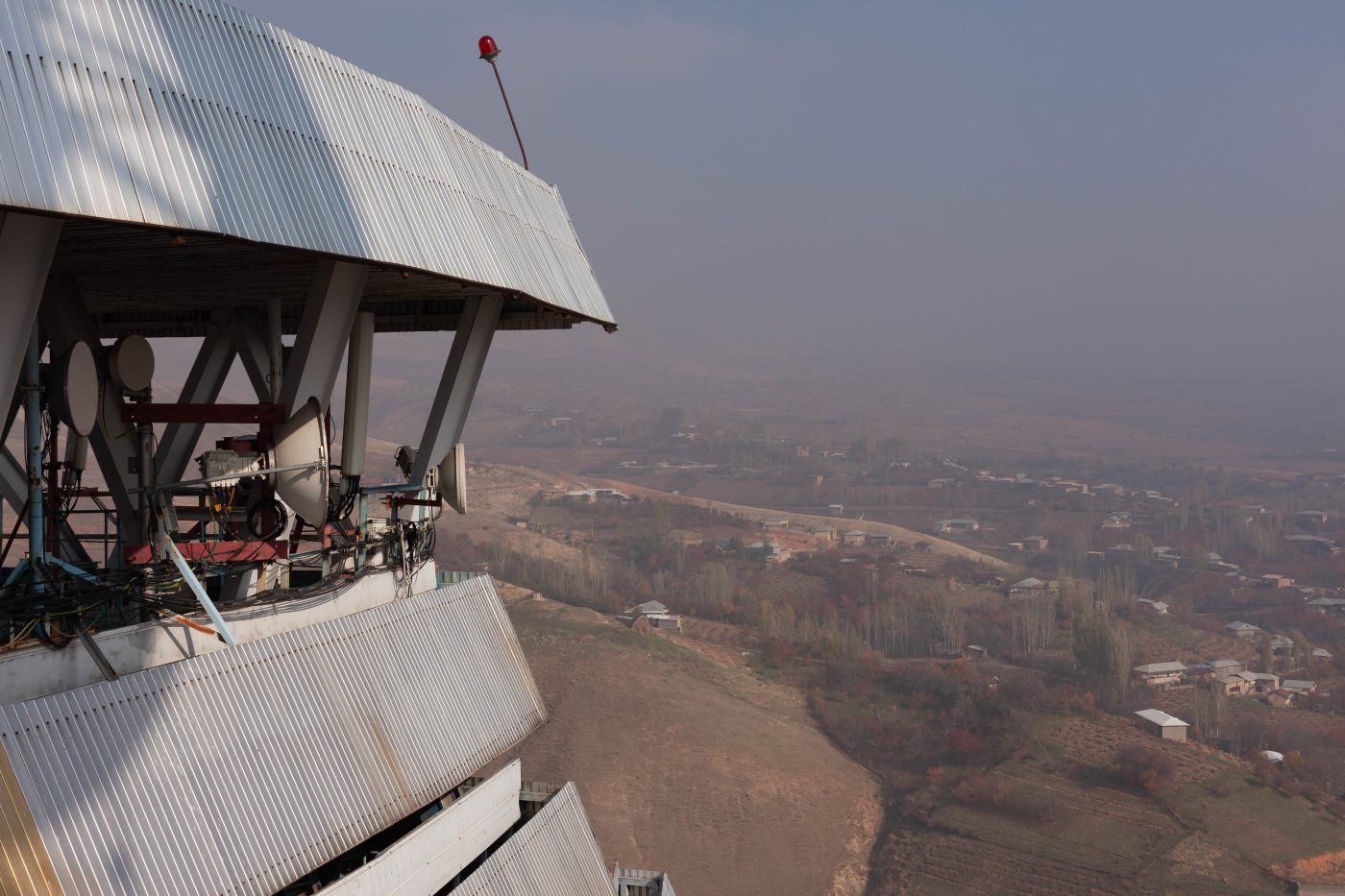
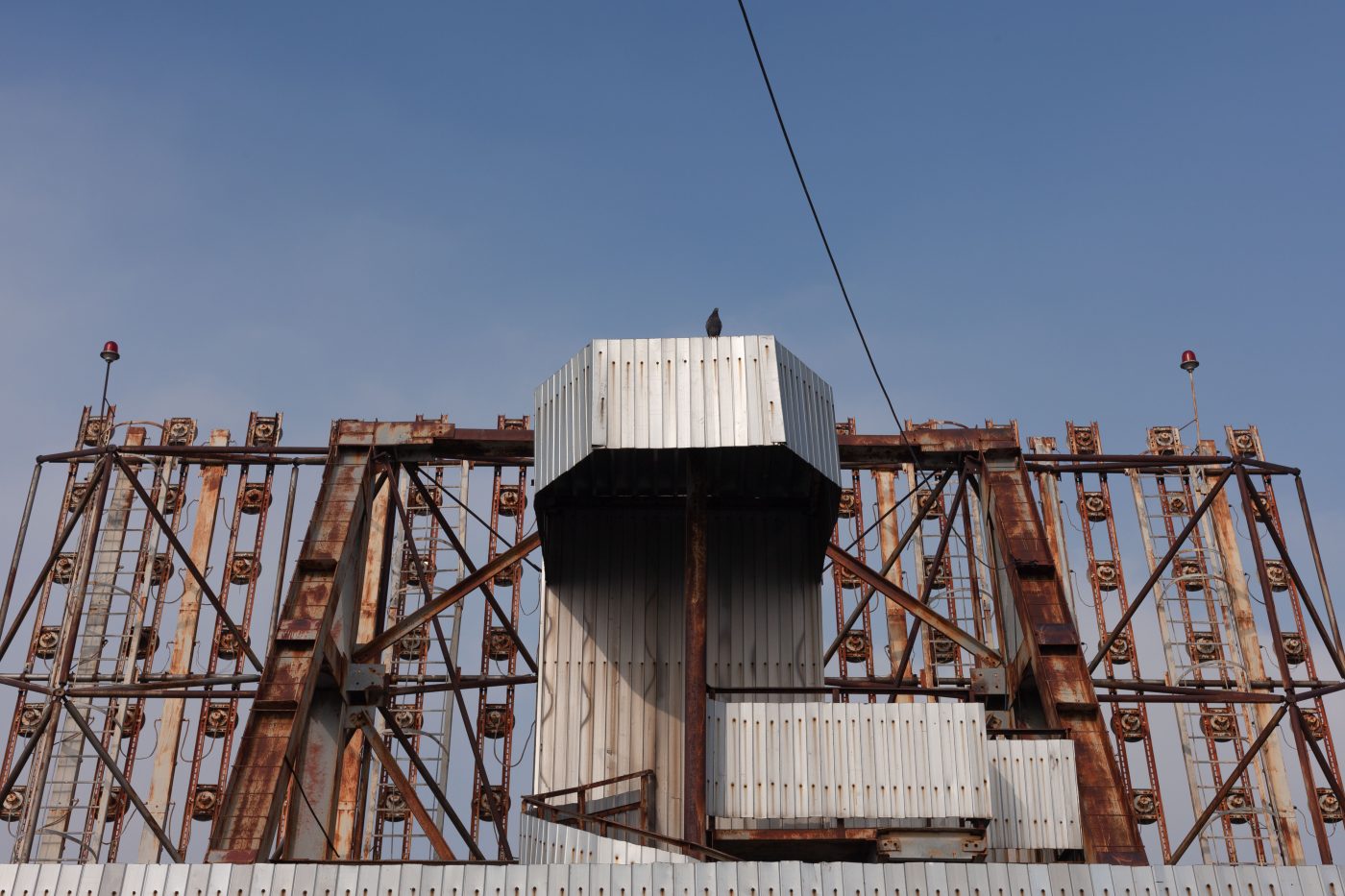
The research center was founded in the Soviet Union in the 1940s, while construction of the large solar furnace began in 1981 and lasted about six years. During this time, a complex optical-mechanical system was built, consisting of 62 heliostats, a parabolic concentrator, and a technological tower. The tower contains the focal point where the sun’s rays are concentrated – the place where all the “magic of the sun” happens. Within just a few seconds, the temperature there can reach 3,000°C.
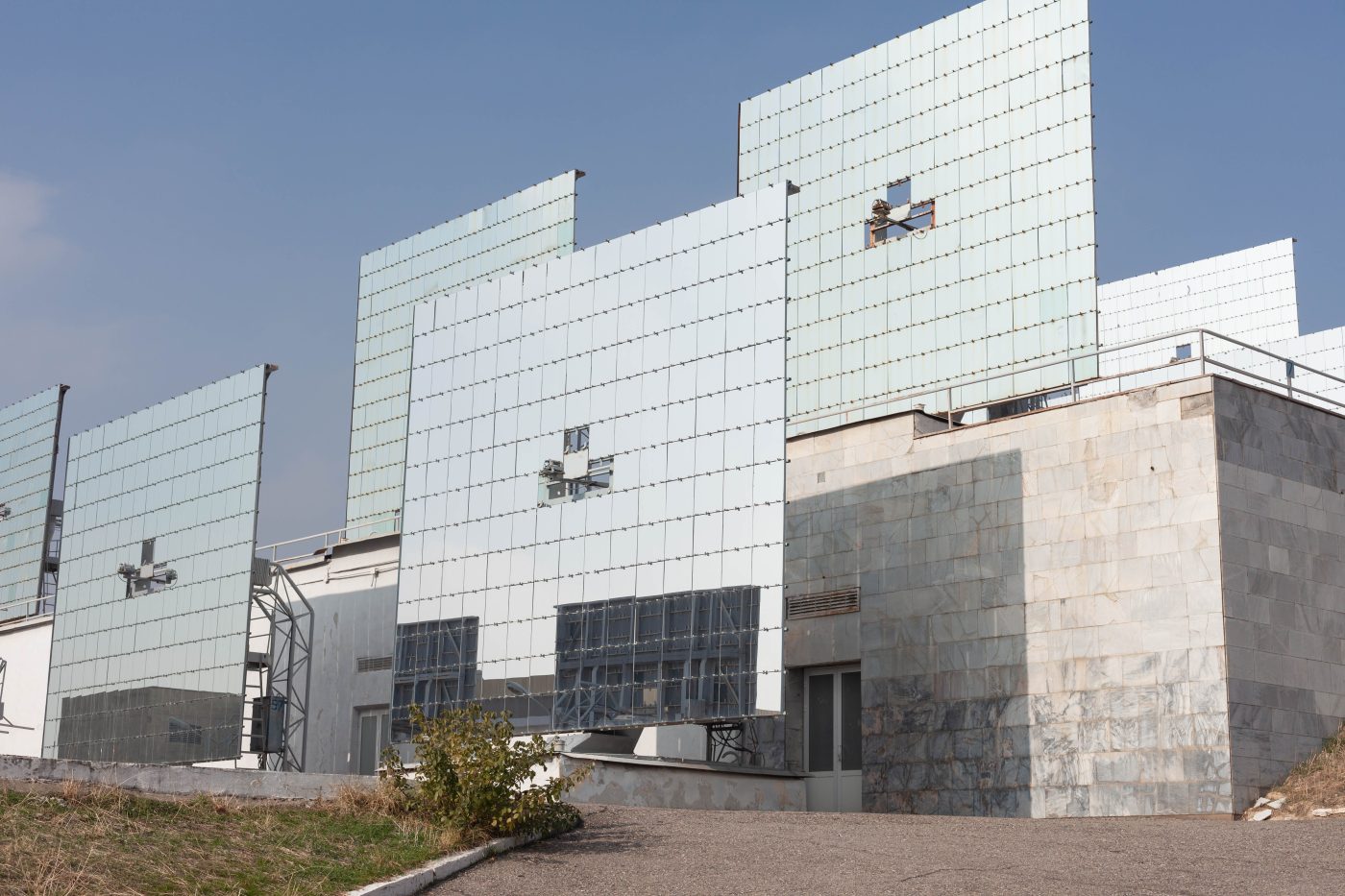
Autumn 2024
The solar furnace allows scientists to recreate extreme conditions similar to those found in outer space and in the upper layers of the Martian atmosphere. In other words, it helps researchers understand how different materials behave under intense heat and radiation. During the Soviet period, the complex was used to test heat-resistant materials for the aerospace industry. For example, materials connected to the Buran space shuttle were tested here. After the collapse of the Soviet Union, large-scale state projects came to an end, but the Sun Institute continued its work. Today, it still conducts research and develops practical materials – including ultra-strong polyethylene for greenhouses and a special welding flux used in aviation.
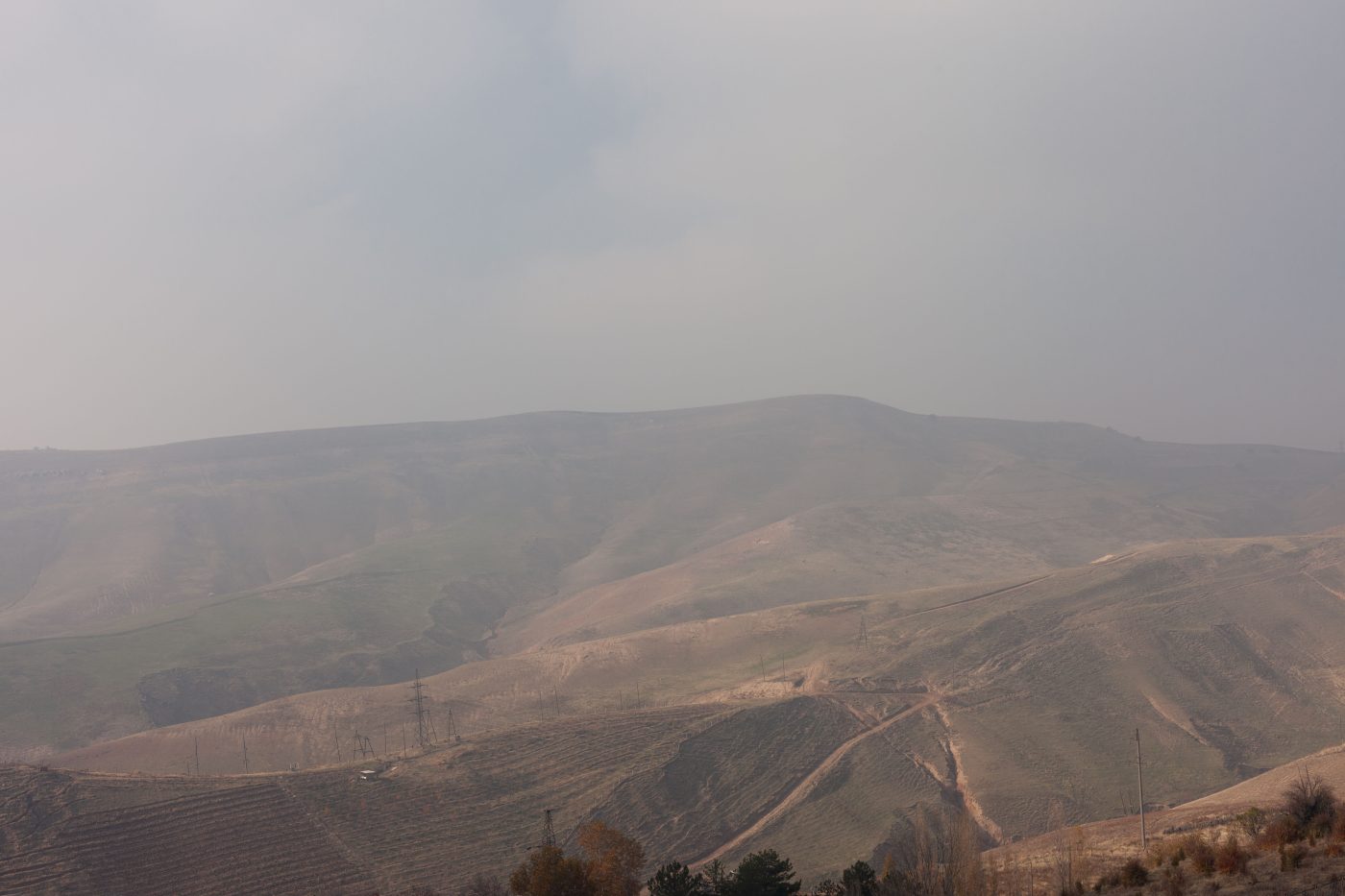
For many years, the complex was a restricted facility, open only to scientists and state security agencies. Today, tourism is actively developing here. Many tour companies now offer trips to the Sun Institute, but it’s also possible to get there independently. My friend and I reached it using a mix of minibuses, taxis, and walking – and it was absolutely worth the effort. We spent several hours wandering around the heliocomplex in complete fascination. It felt as if I had stepped onto the set of a sci-fi film or into an abandoned spaceport. All around were the endless Tian Shan mountains and enormous weathered structures of strange shapes. Only the occasional voices of tourists reminded me that I probably wasn’t going to meet any aliens there.
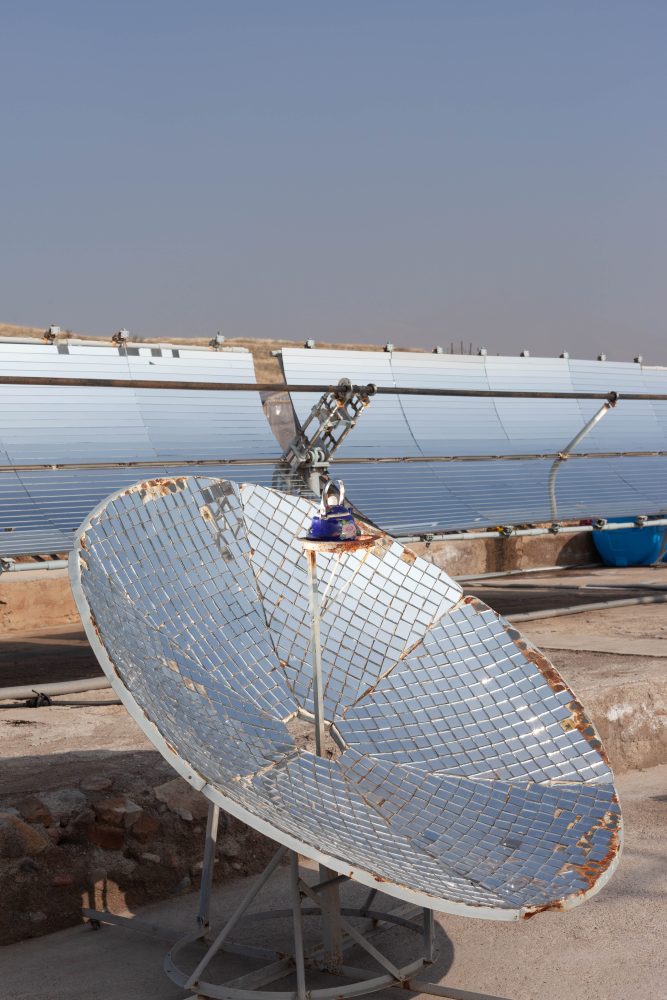
Autumn 2024
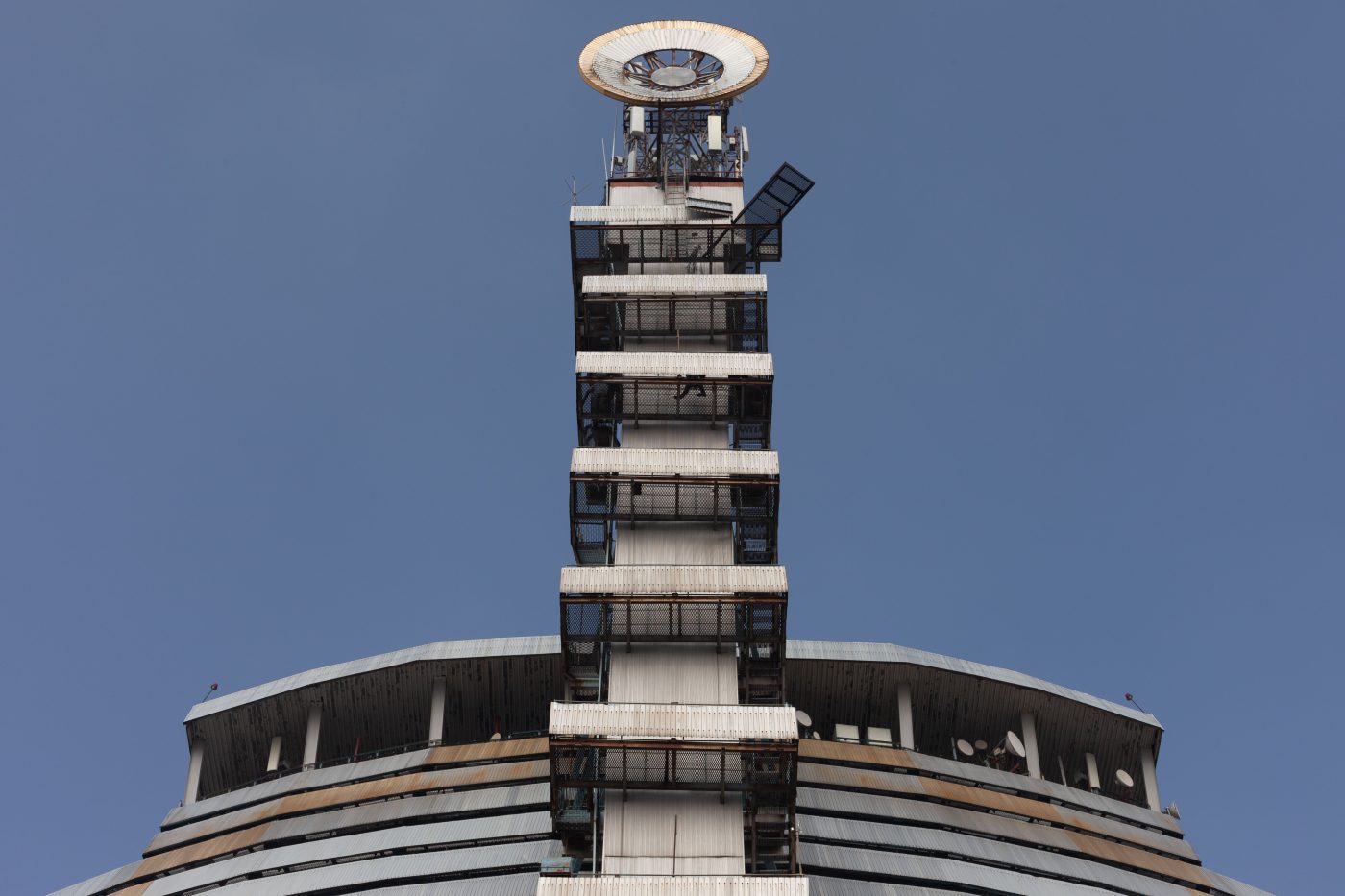
Autumn 2024
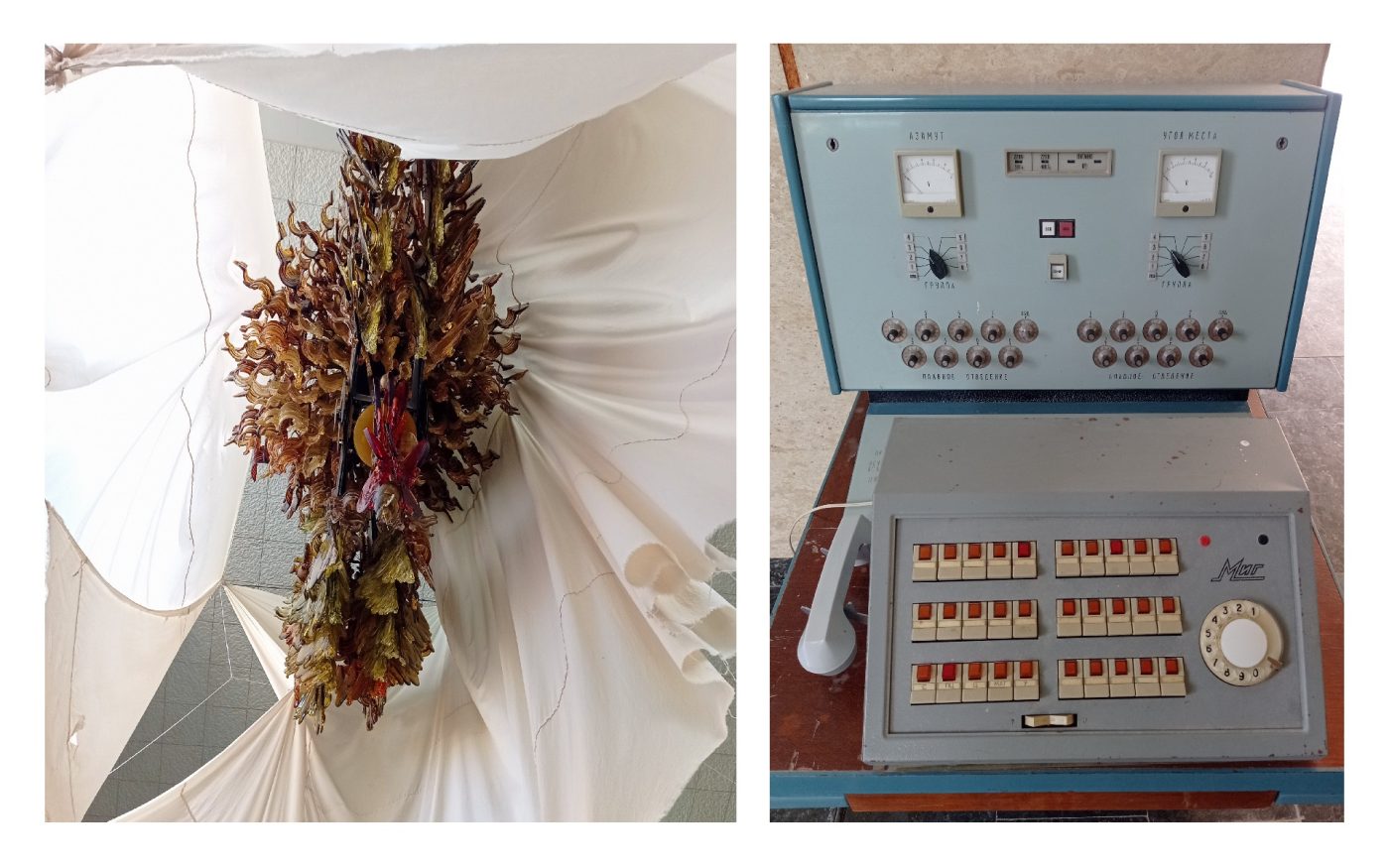
Right: A Soviet-era control and guidance panel for the helioconcentrator.
Autumn 2024
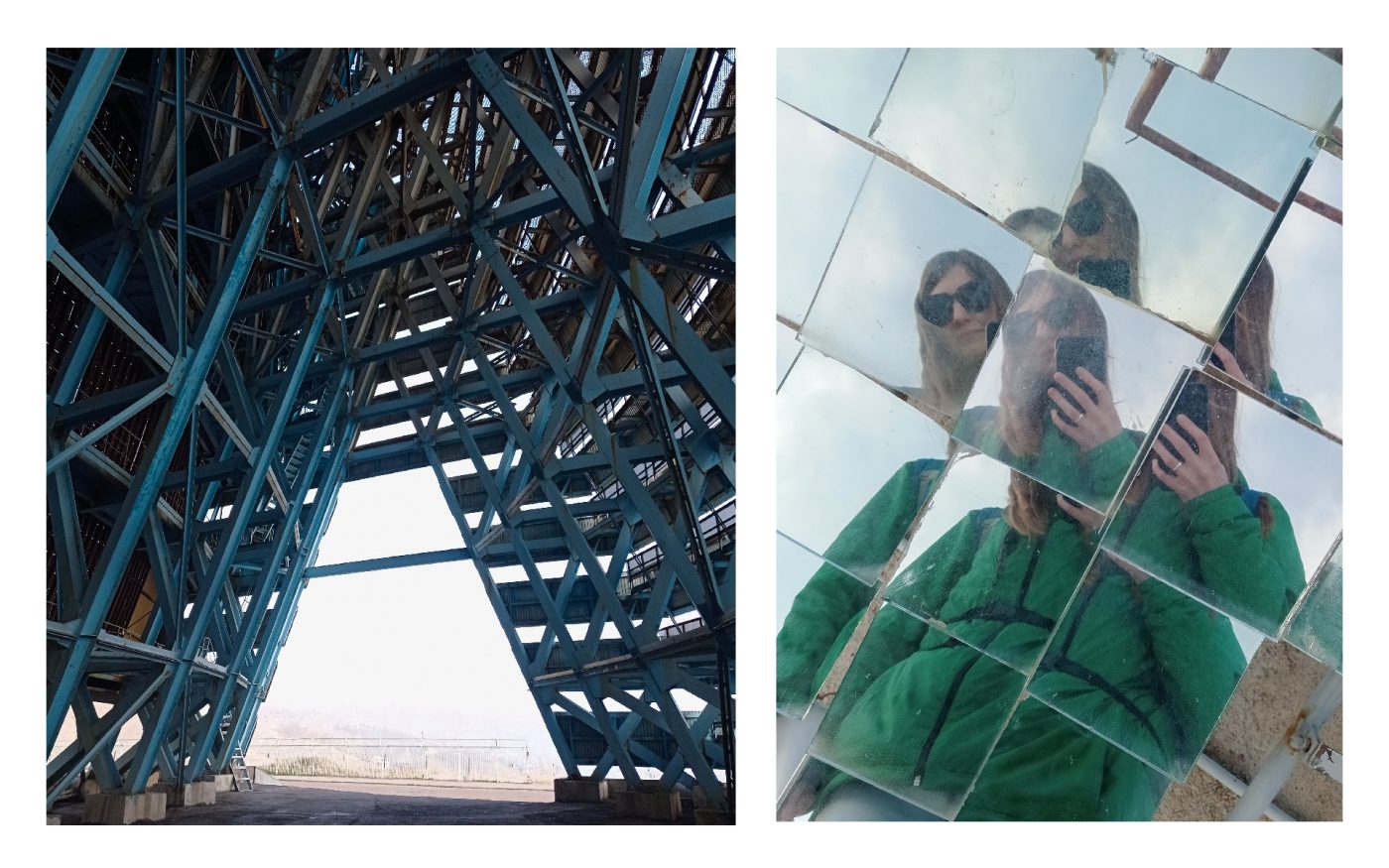
Right: A tourist moment – taking selfies in the reflective mirrors of the concentrator.
Autumn 2024
Autumn 2024
Autumn 2024
Autumn 2024
Autumn 2024