STOP WAR



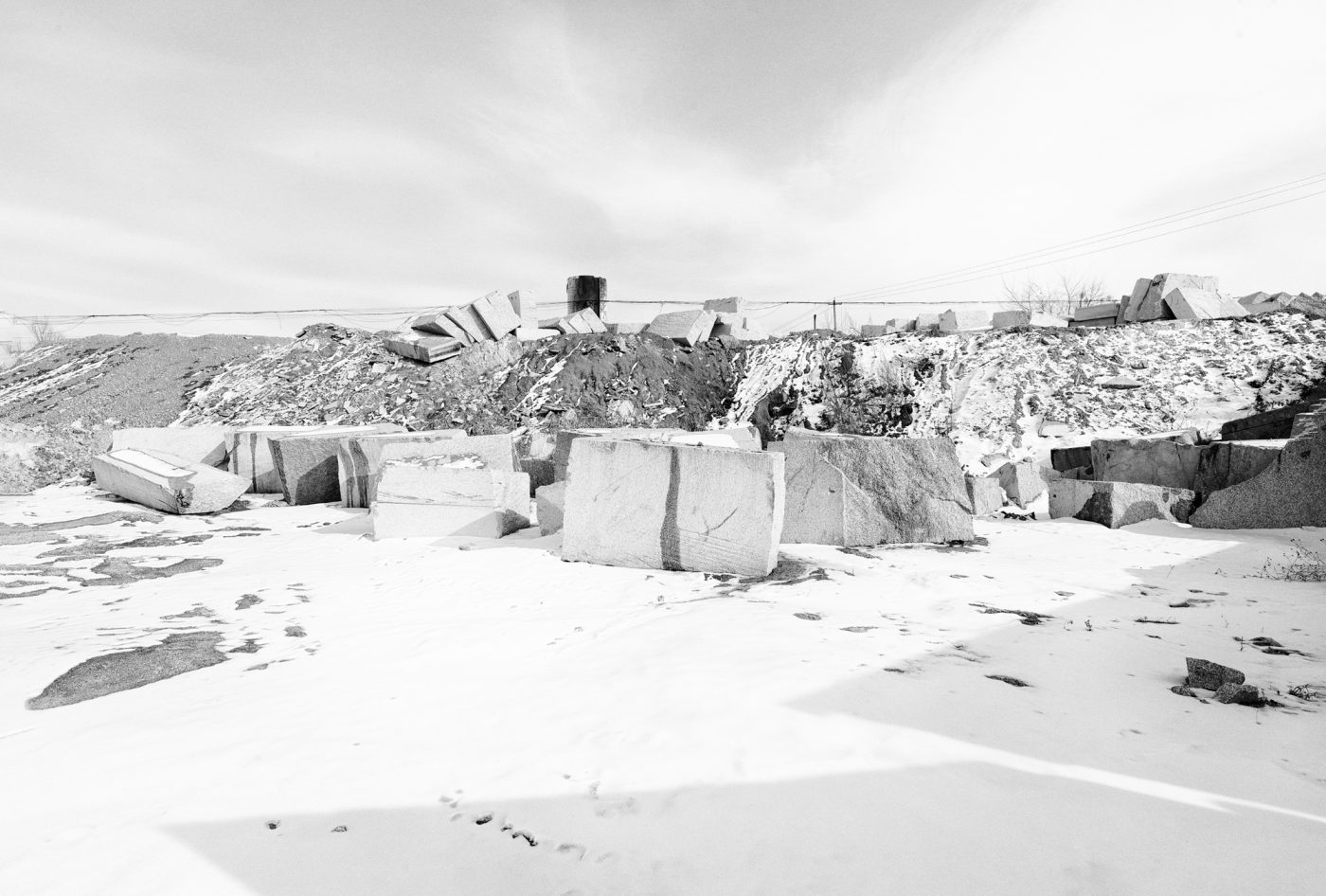
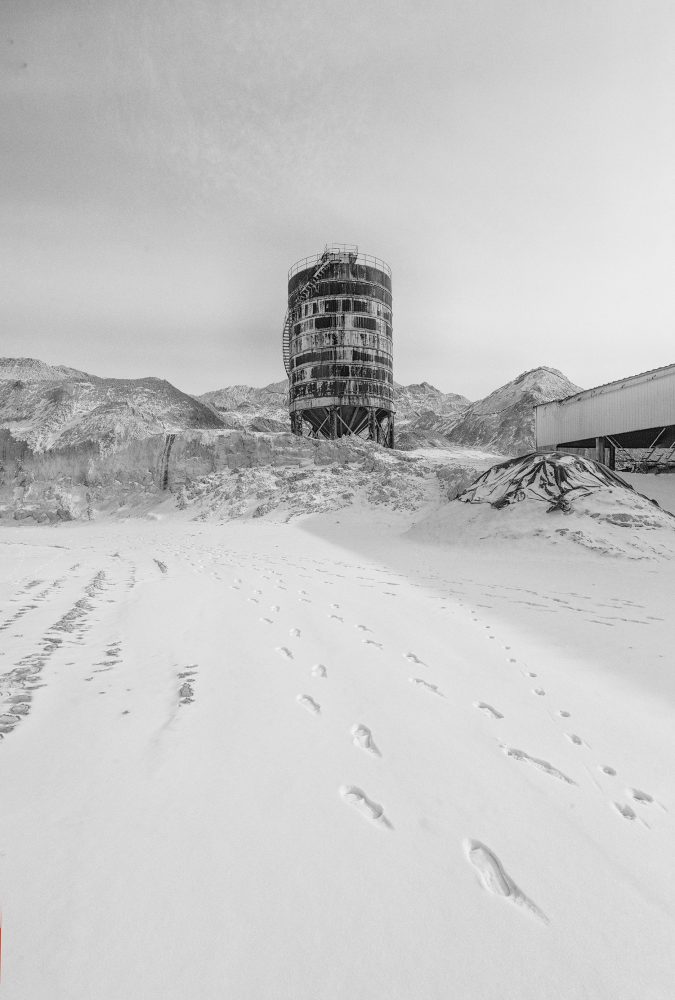
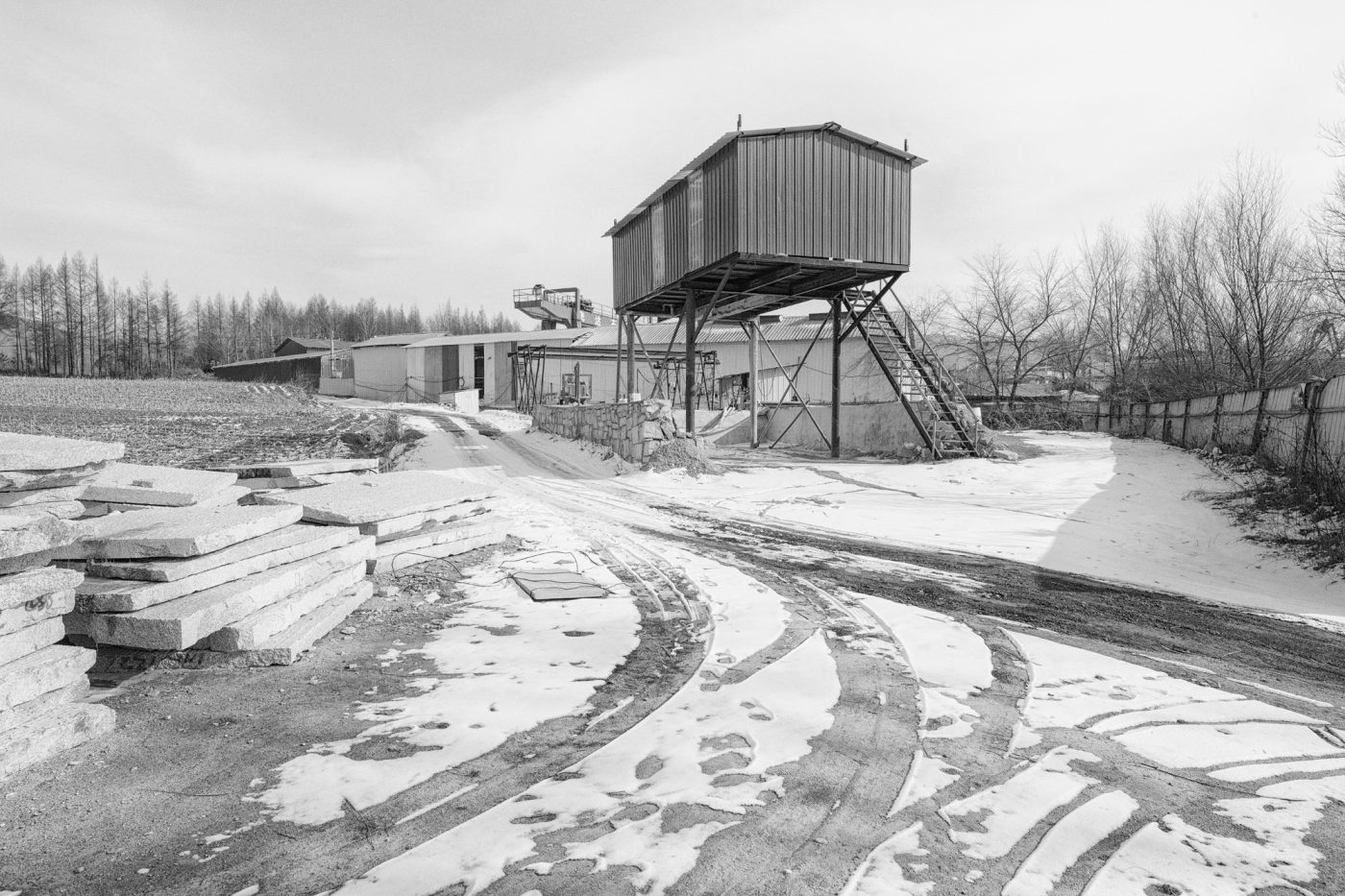
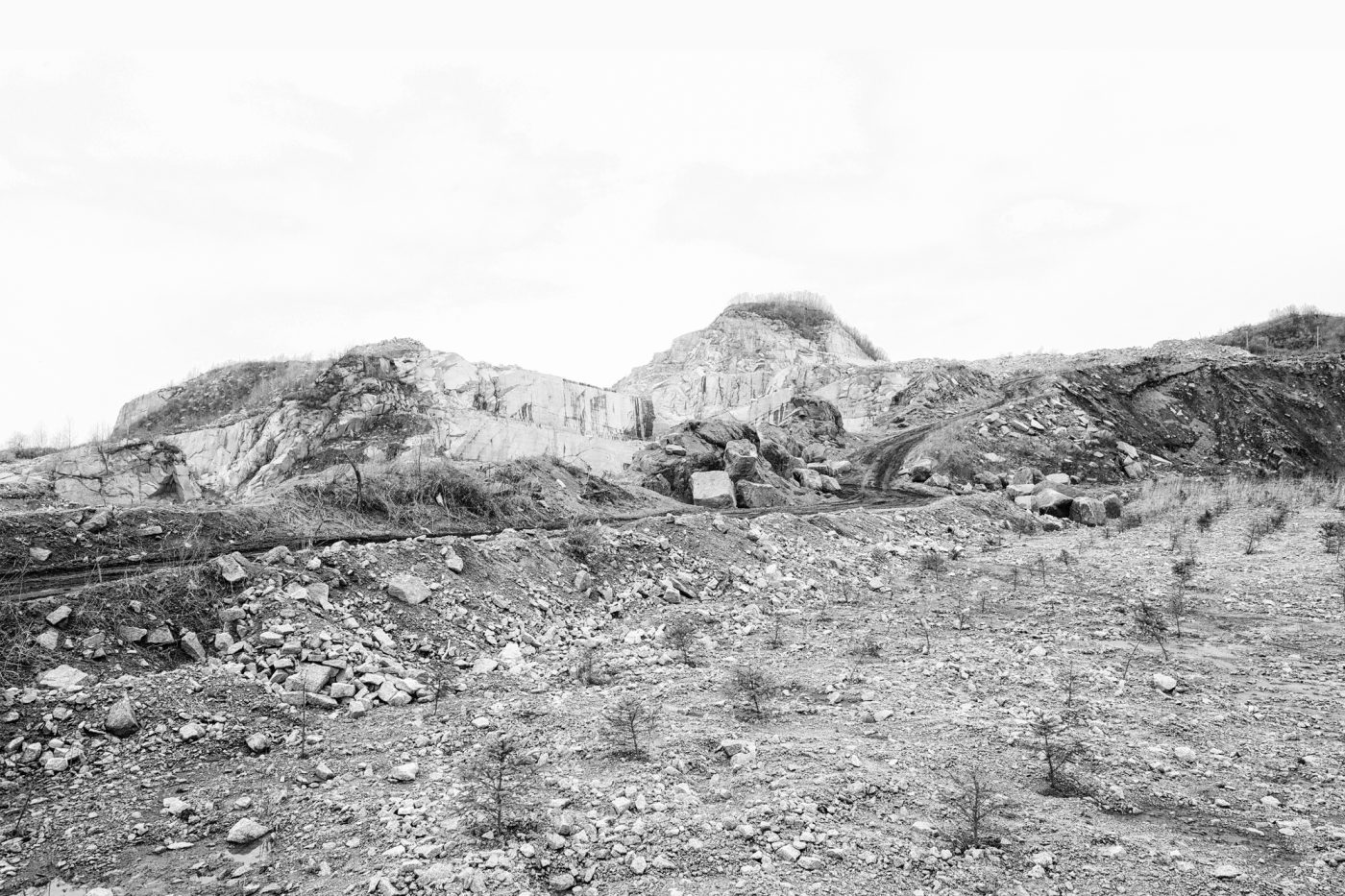
In the context of contemporary photography, the stone field has long surpassed the recording function of industrial production scenes and become a visual carrier that carries the relationship between humans and nature, technology and the game of life. Photographer Edward Burdingsky once said, “When I photograph industrial landscapes, I imagine them as buildings.” When the camera focuses on the split mountains and funnel-shaped mines, it presents not only the site of resource extraction, but also the “anti architecture” written by humans on the earth with technology – both the cornerstone of civilization and the wounds of nature.
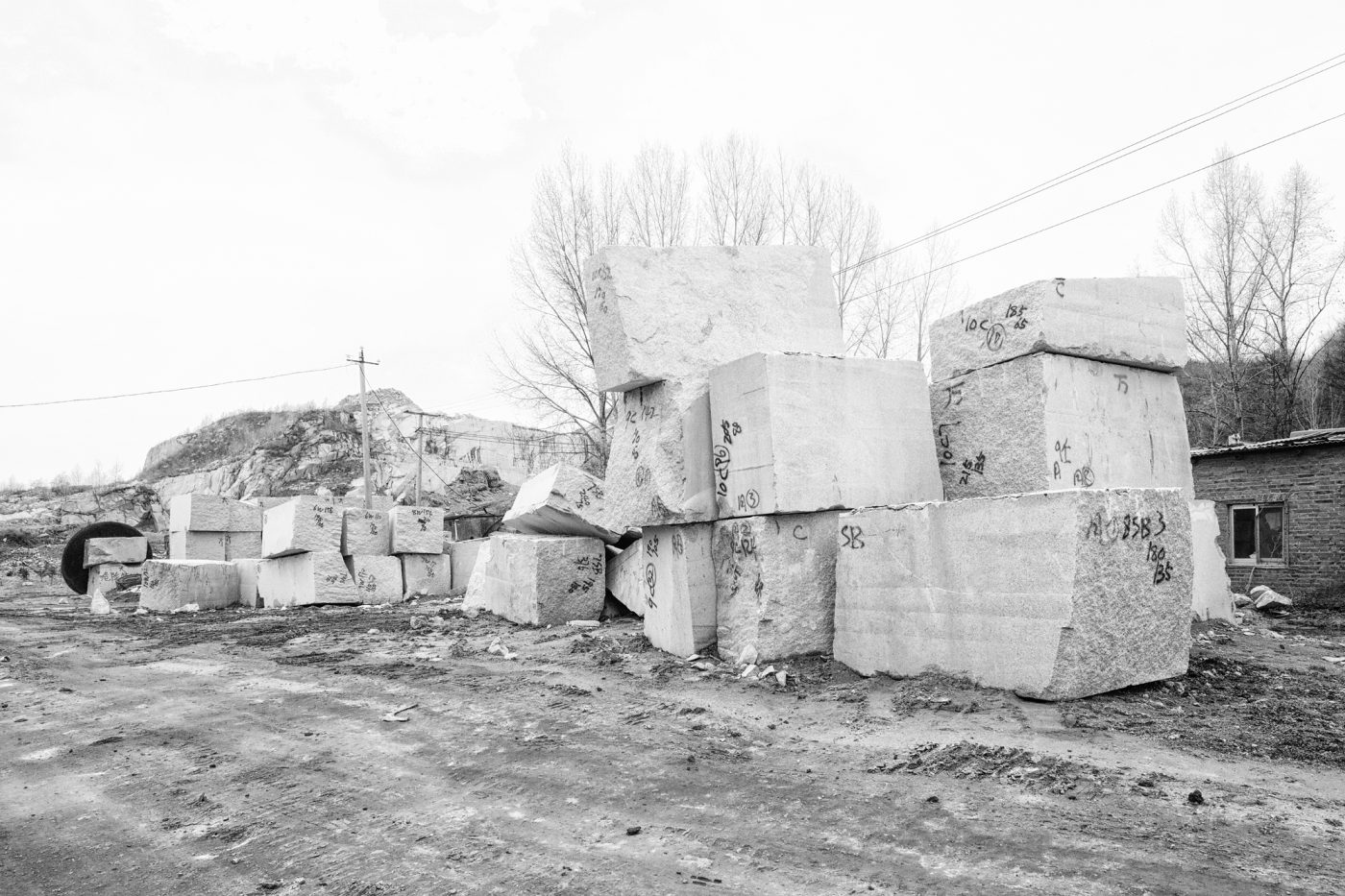
The subjective expression characteristics of contemporary photography give Shichang works rich interpretive dimensions. The photographer intervenes through the lens, injecting reflections on industrial civilization and concerns about ecology into the picture. At the Makrana quarry in Rajasthan, India, the small figures of workers contrast with the pristine whiteness of the Taj Mahal, revealing the “price behind beauty”; In a 450 foot deep mine in southeastern Portugal, the interweaving of copper green and chiseled marks on the rock walls creates a silent narrative of natural evolution history and human labor traces.
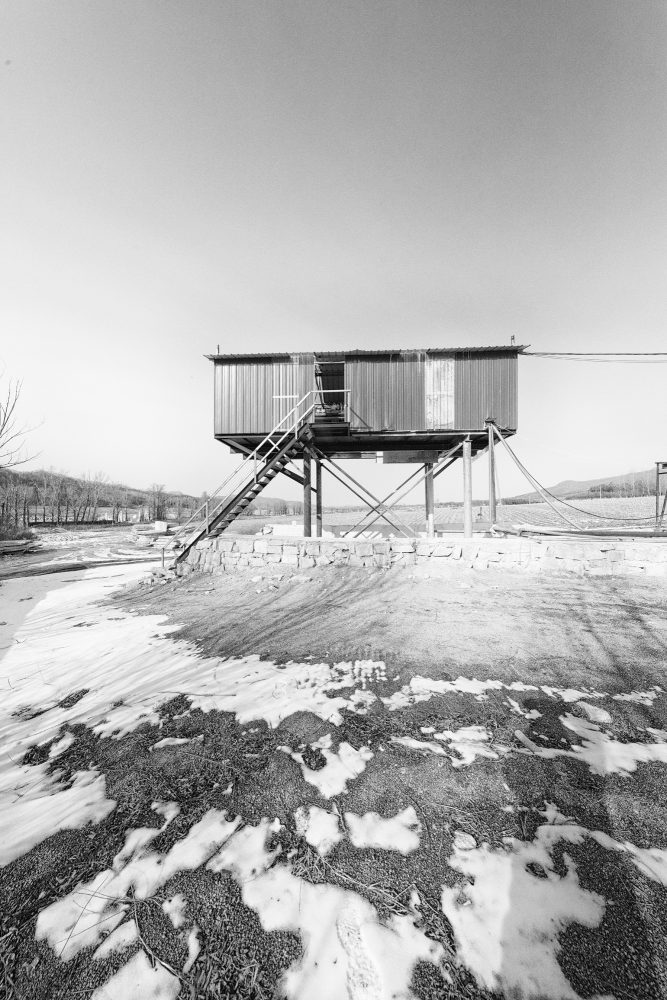
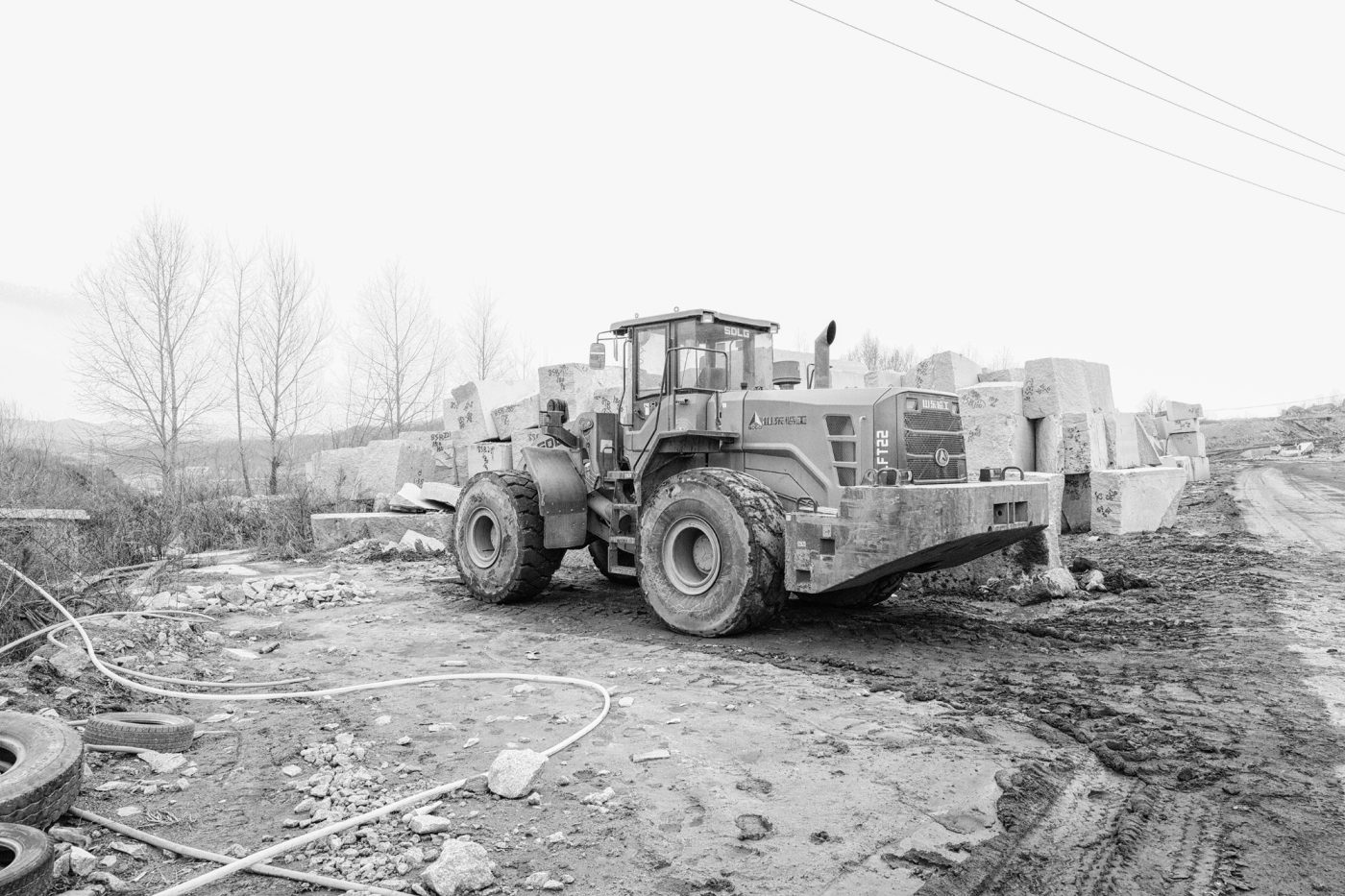
Contemporary photography also reconstructs the visual language of the quarry through diverse expressive techniques. The wide-angle lens is close to the rock wall for shooting, enhancing the sense of oppression caused by the tearing of the mountain. The photographer captures the collision of colors between stone and machinery, oil and water, and enhances the emotional tension of the image through contrast; By controlling the light and depth of field, finely depicting the texture of rocks and the depth of chisel marks, conveying the hardness and temporal traces of the stone. The integration of digital technology has further expanded the boundaries of expression, such as the dialogue between light and shadow projection and rock walls in the abandoned rocks of Jinyun, Zhejiang, bringing ancient spaces back to life in contemporary art.
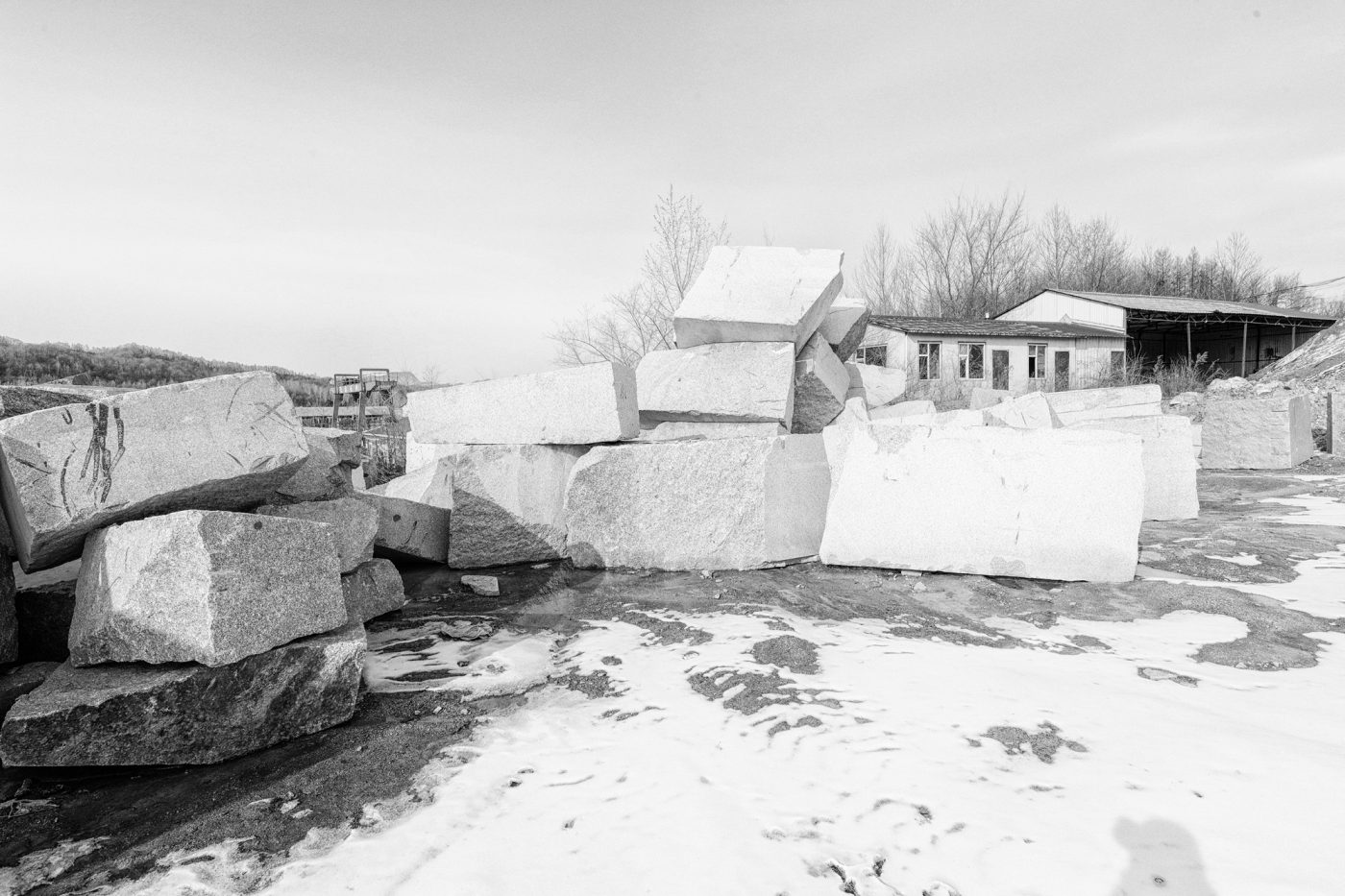
Stone field photography bears the contemporary significance of ecological warning, humanistic care, and heritage reconstruction. The camera records the damaged mountain and the process of restoration, focusing on the working scenes of quarry workers, excavating the cultural value of abandoned quarries, and making the cold industrial landscape full of warmth, becoming an important force for reflecting on reality and exploring the future.