STOP WAR



There are moments when a photograph stops you—not because of its composition or subject, but because it carries something far deeper than what is visible. It lingers, unsettles, and quietly reshapes perception. That enduring power—to move beyond the frame and enter human consciousness—defined Raghu Rai. His passing is not merely the loss of a celebrated photographer; it is the fading of a vision that shaped how a nation—and the world—has learned to see.
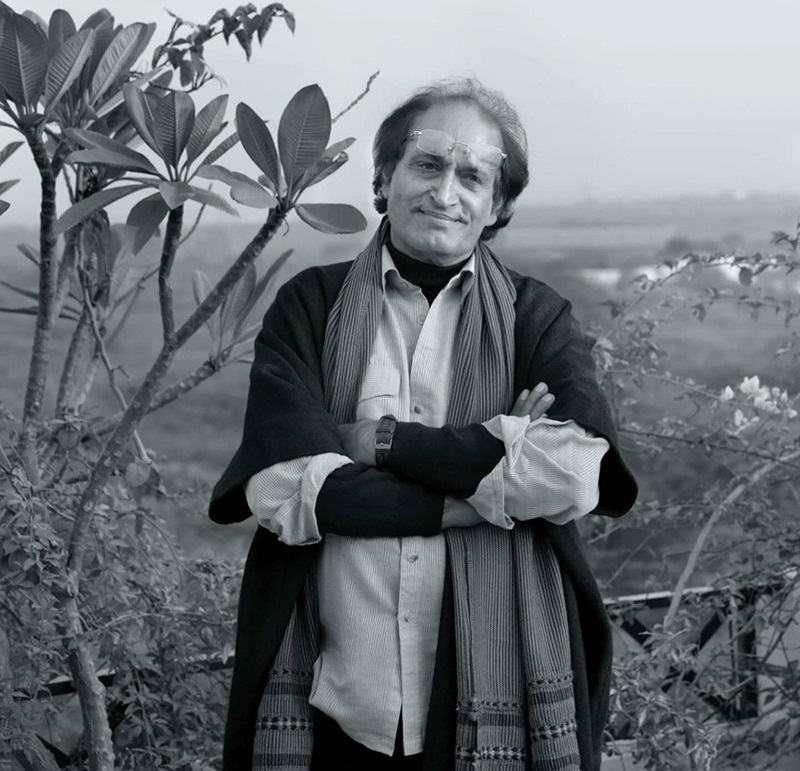
Born in 1942 in Jhang, in undivided Punjab, Rai’s life unfolded alongside a nation in transition. Partition fractured not only geography but memory, identity, and belonging—echoes that would later surface in his images with quiet poignancy. Photography did not arrive as a predetermined calling. Trained as an engineer, he approached life through structure and logic, yet something within him resisted containment. Guided by his elder brother, he picked up the camera out of curiosity, but what began as exploration soon deepened into an instinctive alignment with seeing—not merely looking, but perceiving with sensitivity, patience, and emotional depth.
When he joined The Statesman in the mid-1960s as chief photographer, India itself was searching for its voice. It was a country alive with contradictions—hope and hardship, aspiration and disillusionment, tradition colliding with modernity. Rai did not stand apart from this landscape; he immersed himself in it. His photographs were not distant observations but lived encounters. They carried silence, tension, humour, and fleeting truths. Even in his early work, one sensed that he was not interested in surfaces. He was searching for something beneath—something essential, unposed, and deeply human. His rise to international recognition came with his Paris exhibition in 1972, where Henri Cartier-Bresson recognised in him a rare depth of vision. In 1977, Rai became the first Indian to join Magnum Photos—a collective that represented the highest ideals of documentary photography. This was not merely an institutional milestone; it marked the arrival of an Indian visual sensibility on the global stage. Yet Rai remained untouched by the weight of recognition. For him, photography was never about validation—it was about engagement with life itself.
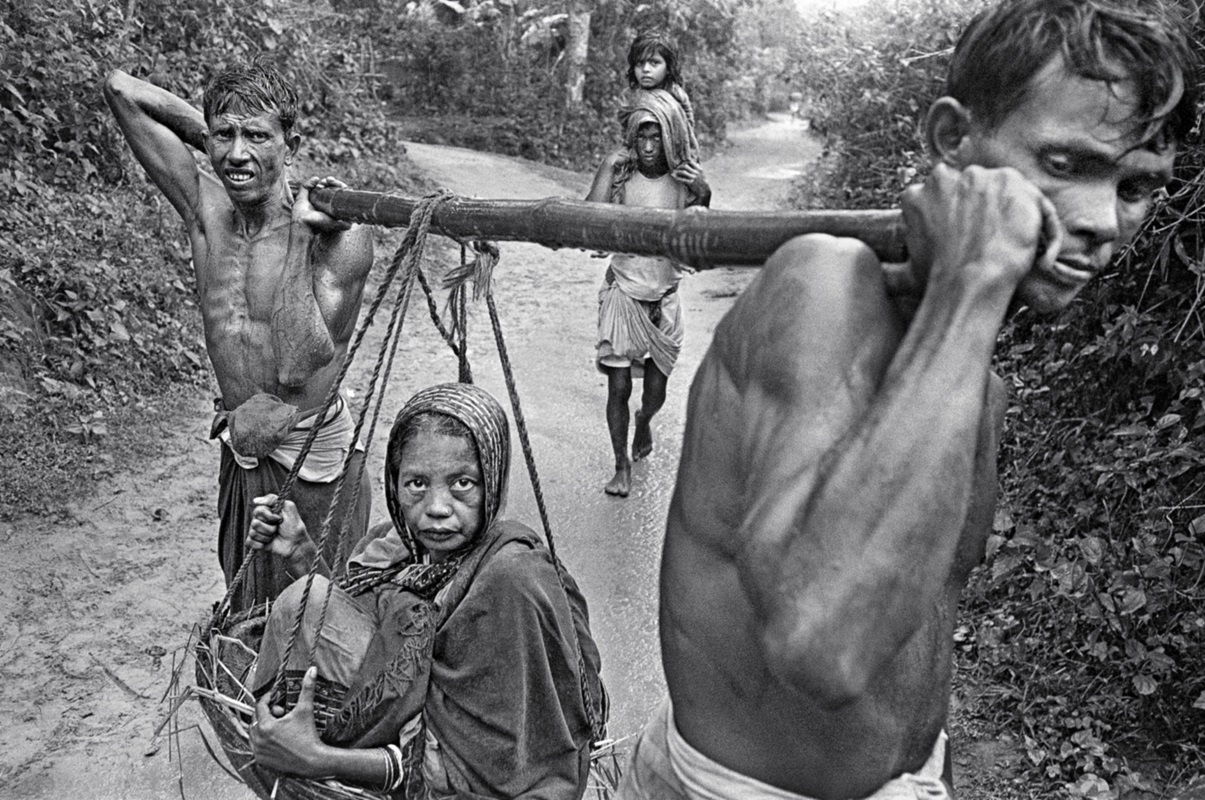
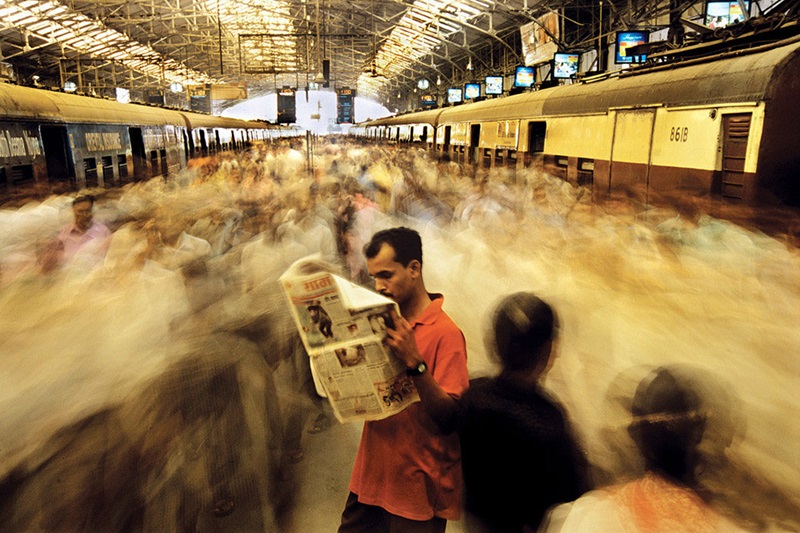
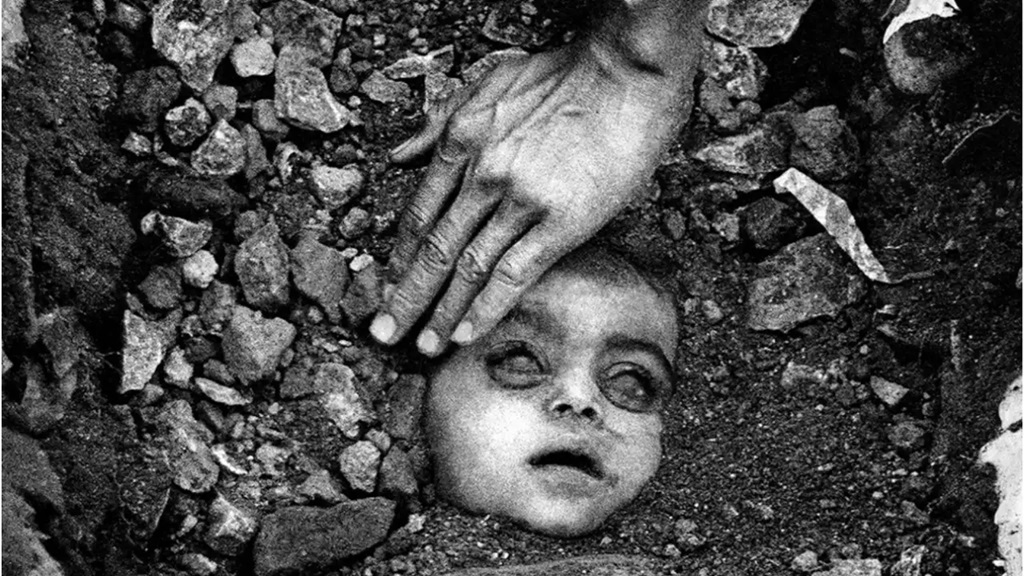
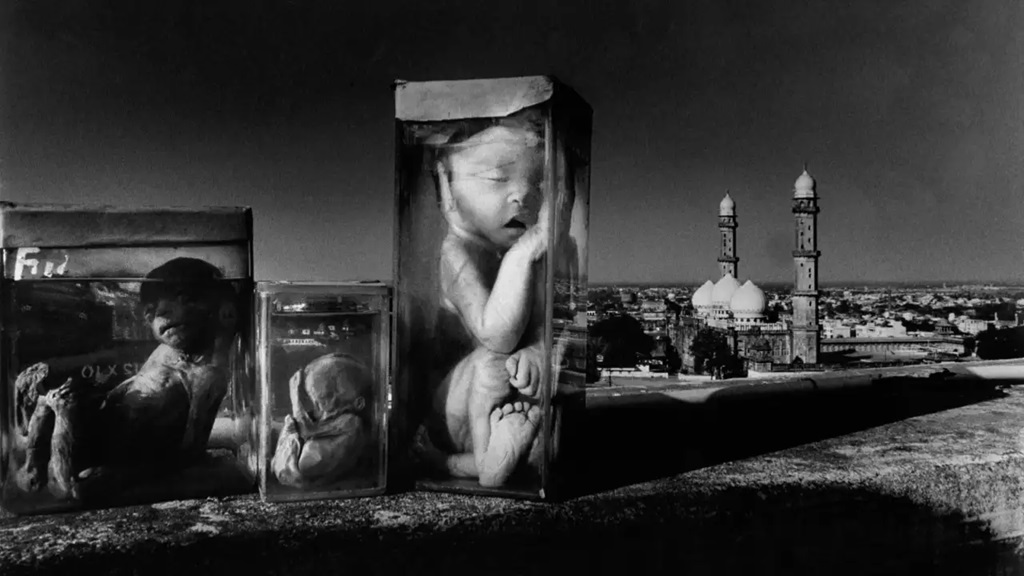
Rai photographed India not as spectacle, but as lived reality. From the Bangladesh Liberation War to the Bhopal Gas Tragedy, his images did not merely document—they bore witness. The haunting photograph of a grieving father holding his dead child from Bhopal stands as one of the most powerful visual testimonies of human suffering—an image that transcends journalism and becomes collective memory. He portrayed figures like Indira Gandhi, Mother Teresa, and Satyajit Ray with rare intimacy, capturing not their public personas but their human presence within larger narratives. And yet, beyond these defining moments, he returned again and again to the streets—because for him, the street was not chaos, but rhythm, theatre, and truth unfolding in real time.
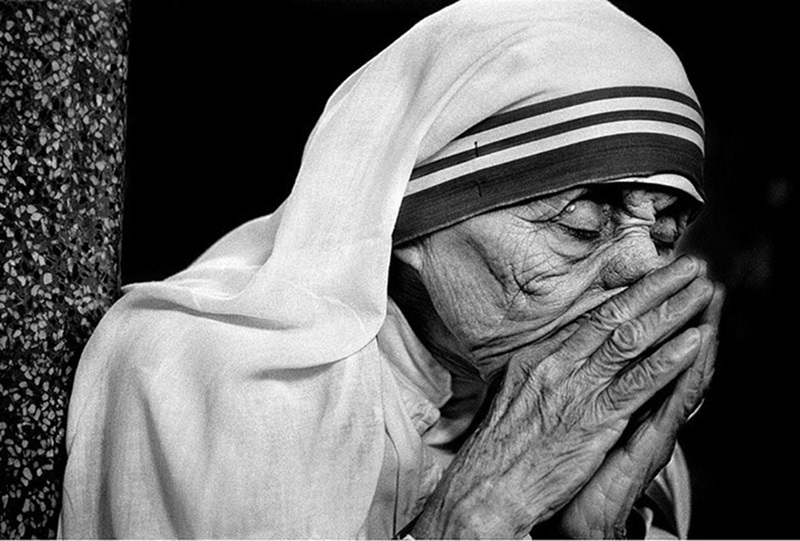
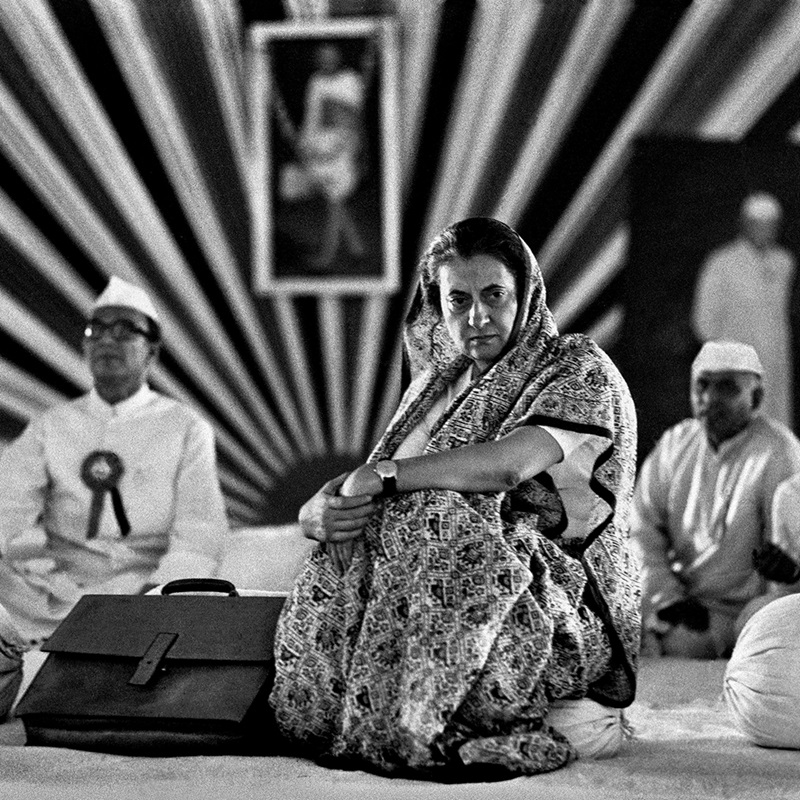
At the heart of his practice lay a philosophy both simple and profound: photography is not about taking pictures; it is about seeing. Most people look, he would say, but very few truly see. Seeing demands sensitivity, patience, and an openness to be affected. It requires the photographer to shed ego, to quiet the impulse to control, and to become receptive to what is unfolding. In this sense, photography becomes less an act of creation and more an act of discovery. One does not impose meaning; one allows meaning to reveal itself.
This approach naturally led him to value patience over immediacy. In a world increasingly driven by speed, Rai’s insistence on waiting feels almost meditative. He believed that a photograph emerges when the external moment and the internal readiness of the photographer align. This “decisive moment” was not merely technical precision—it was a state of presence. It demanded alertness, stillness, and intuition working in harmony.
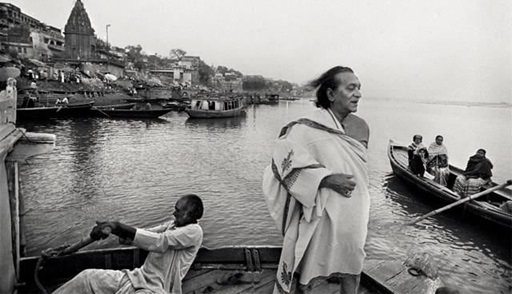
His philosophy carried a deeply spiritual dimension. Rai often described photography as darshan—a sacred act of seeing and being seen. To photograph was to enter a moment with complete awareness—mentally, physically, and spiritually. This required silence, not as absence of noise but as an inner stillness that allows perception to deepen. In that silence, gestures gained meaning, expressions revealed layers, and ordinary life transformed into something profound.
Yet his spirituality was never detached from reality. His photographs remained grounded—textured with dust, crowds, and human intimacy. Within apparent chaos, he found rhythm; within disorder, he revealed structure. This ability to uncover poetry within the everyday became one of his most defining qualities.
Closeness was central to his practice. “If you are not close enough, your photograph is not good enough,” he often said. But this closeness was not intrusion—it was empathy. He built trust, returned to subjects, and allowed relationships to evolve. His images feel intimate because they emerge from connection, not extraction. He did not take photographs; he received them.
Rai also saw photography as visual history. Unlike written narratives, which can be rewritten, photographs endure as evidence of lived truth. His work was never about aesthetic perfection; it was about honesty. In an age dominated by manipulation and spectacle, his images stand as a reminder of photography’s ethical responsibility—to bear witness, to preserve, and to speak truth across time.
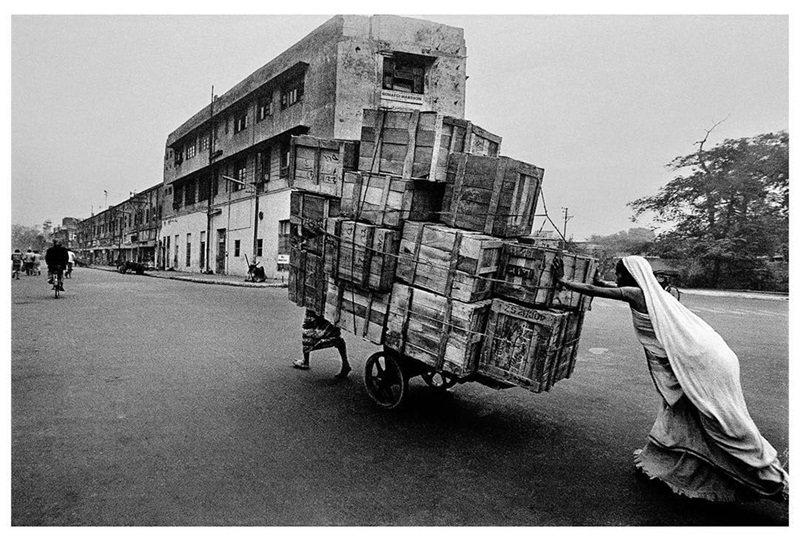
Beyond his work behind the camera, Rai played a transformative role as an editor and mentor at publications like Sunday and India Today. He encouraged intuition over formula, depth over speed, and emotion over technique. He searched for “soul” in images and in words—an intangible quality that cannot be manufactured but can be felt. His influence extended far beyond his own work, shaping generations of photographers who learned to see through his philosophy.
Despite global recognition, numerous awards, and a prolific body of work spanning decades, he remained restless, curious, and deeply engaged with life. He never claimed mastery. Instead, he embodied the idea of continuous learning—an artist in perpetual dialogue with the world. Even in his later years, he continued to create, explore, and question, driven by the same curiosity that had first drawn him to the camera.
What remains most striking, however, is his simplicity. There was no aura of distance, no performance of greatness. He spoke with humility, listened deeply, and shared generously. In his presence, one did not feel intimidated but inspired—to look closer, to feel more deeply, to question one’s own perception. He did not teach through instruction; he taught through being.
His passing marks the end of an extraordinary life, but not the end of his presence. His images remain—quiet, powerful, and enduring. They continue to speak, to challenge, and to reveal. They remind us of moments we might otherwise forget, of realities we might overlook, and of truths we might hesitate to confront. More importantly, they remind us of a way of seeing—attentive, empathetic, patient, and honest.
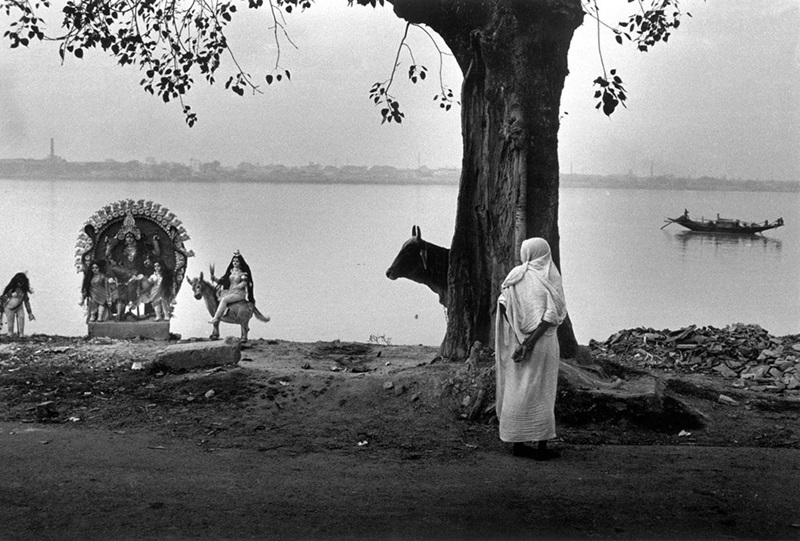
Perhaps the most meaningful tribute to Raghu Rai lies not in recounting his achievements, but in practicing what he embodied: to slow down, to observe, to remain open, and to engage deeply with life. To understand that the camera is merely a tool, and the true instrument is the mind and heart.
Some lights do not fade; they dissolve into perception itself. Raghu Rai was such a light. He did not merely show us the world—he transformed the way we see it. And in that transformation lies a legacy that will endure, quietly and eternally, in every frame that seeks truth, in every eye that learns to look beyond the surface, and in every moment where seeing becomes an act of understanding.