STOP WAR


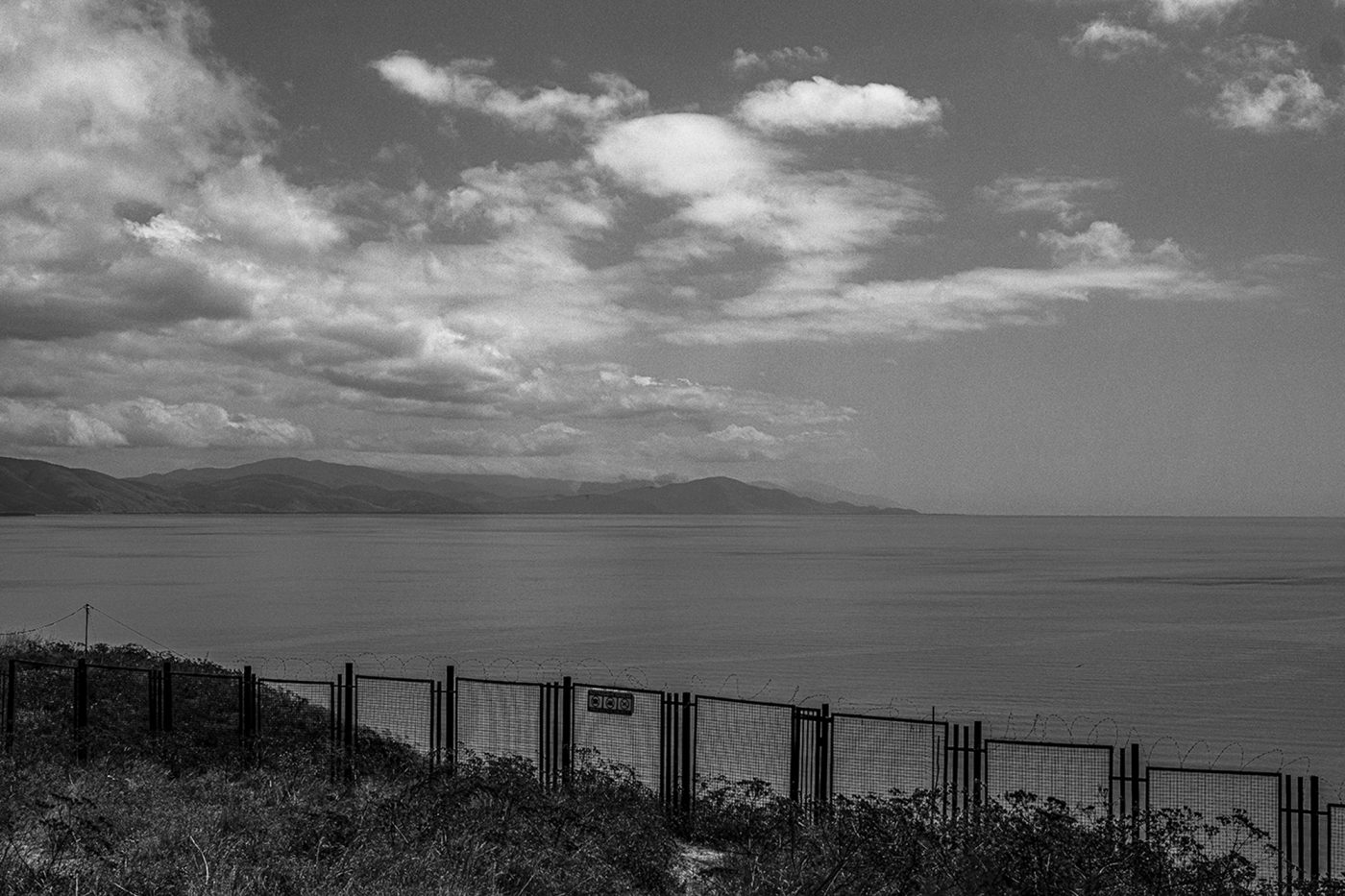
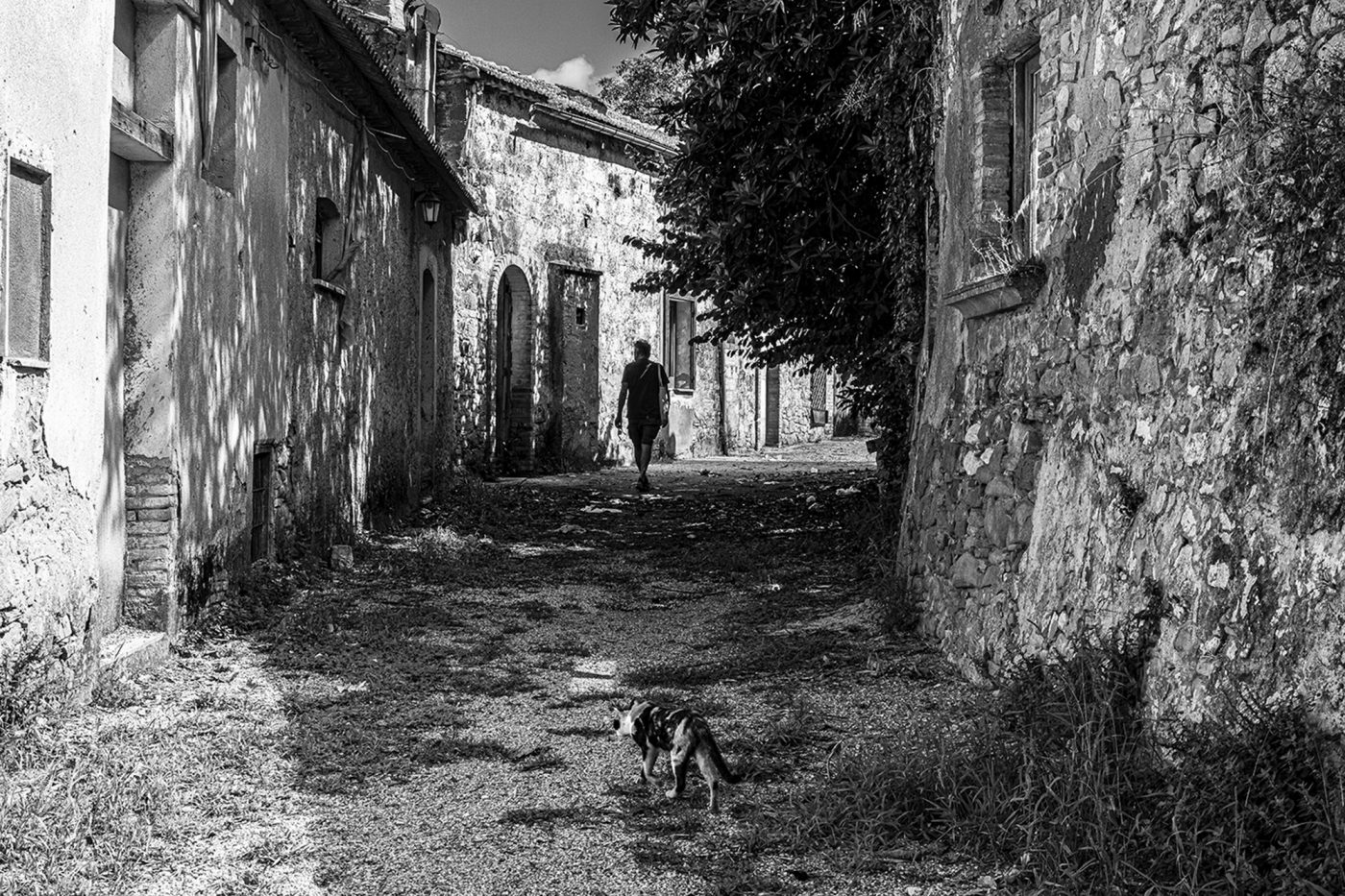
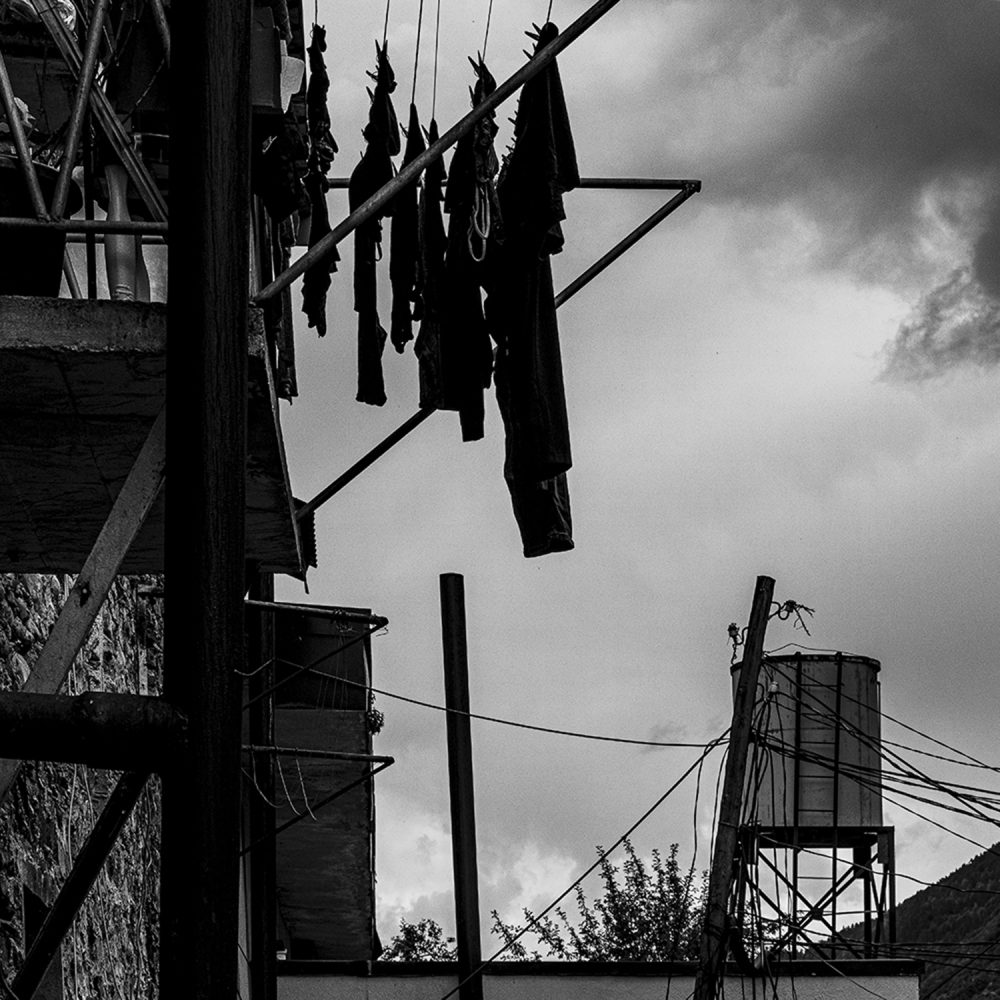
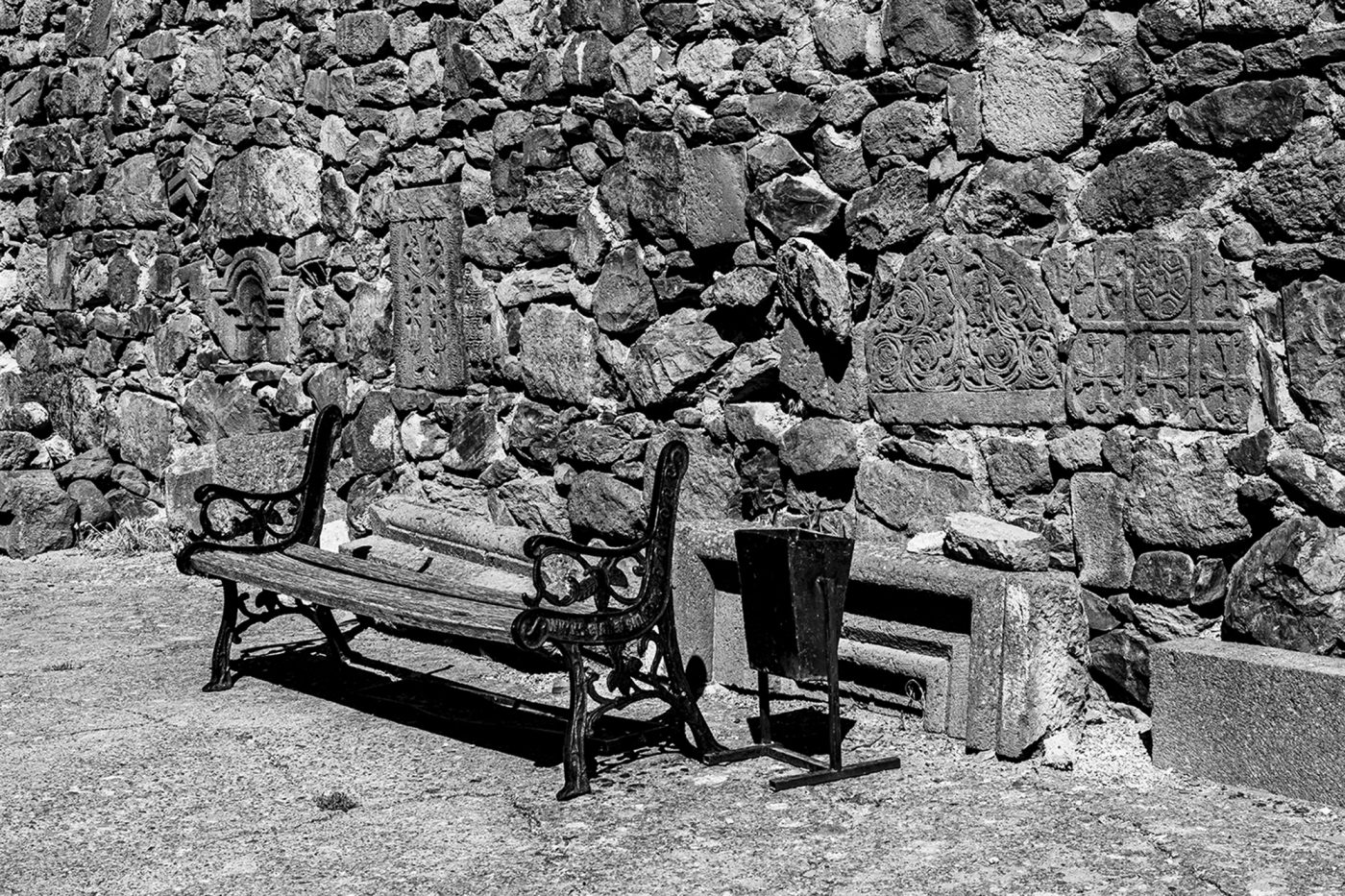
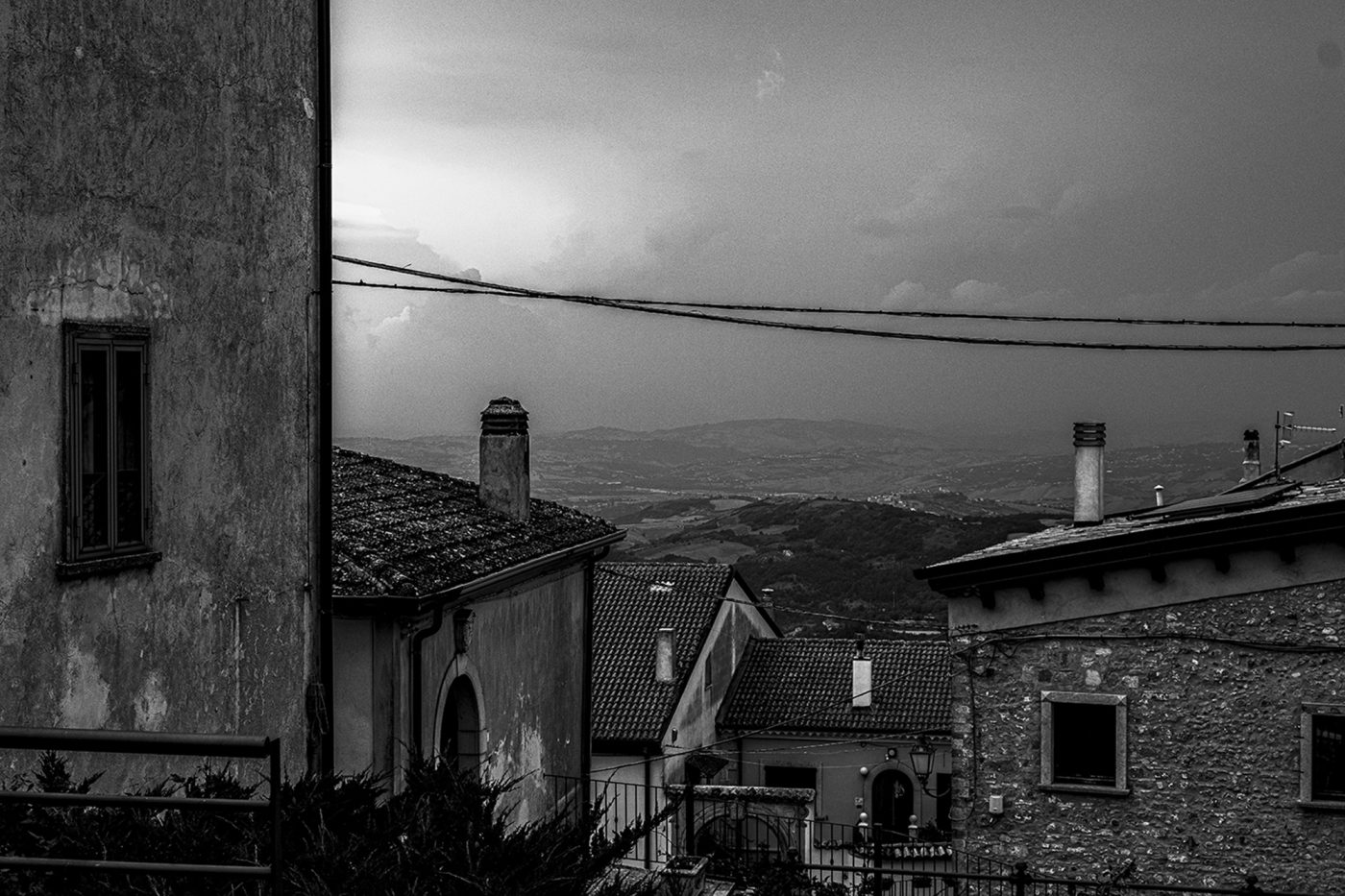
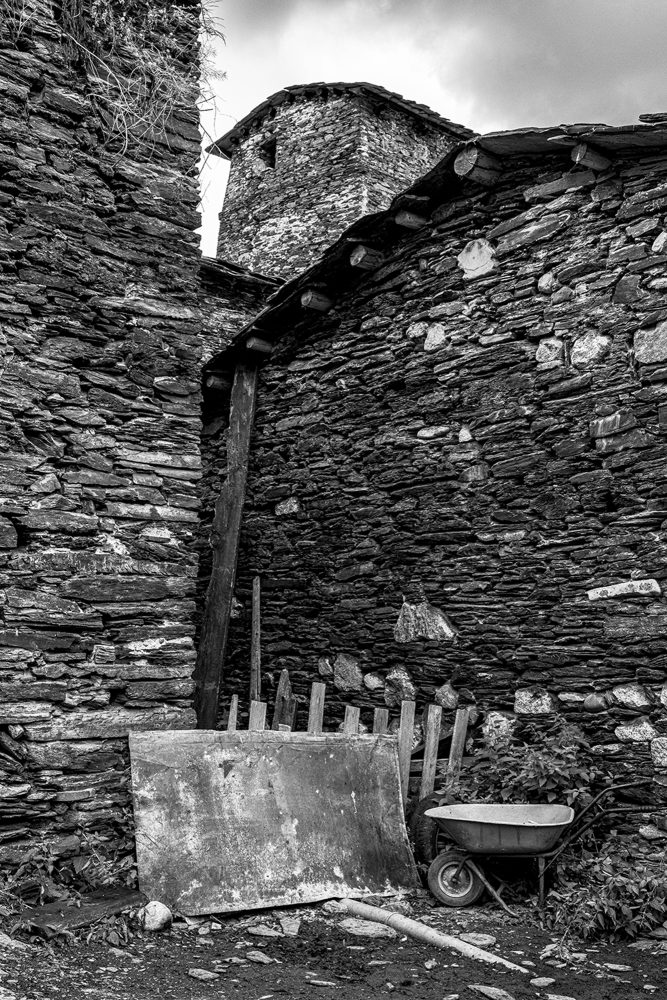
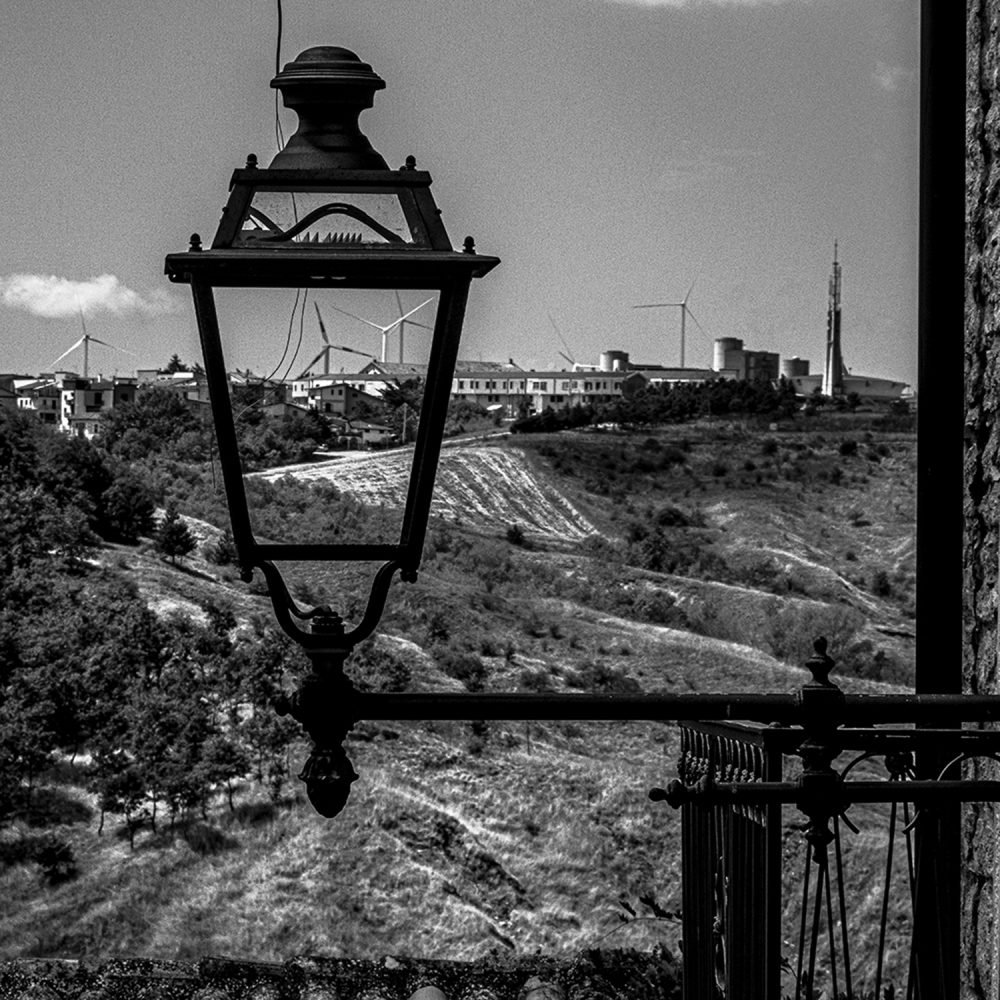
There’s one thing I’ve often noticed, and the trips I’ve taken this year in Italy and abroad have confirmed it once again: the small towns scattered throughout the countryside, in the mountains, or overlooking the sea all look somewhat alike.
Obviously not in their outward appearance—some are modern, others ancient; they may vary in size, architectural style, the charm or insignificance of certain views, and whether or not they offer a panoramic view—but rather, it is a general melancholic atmosphere that unites them.
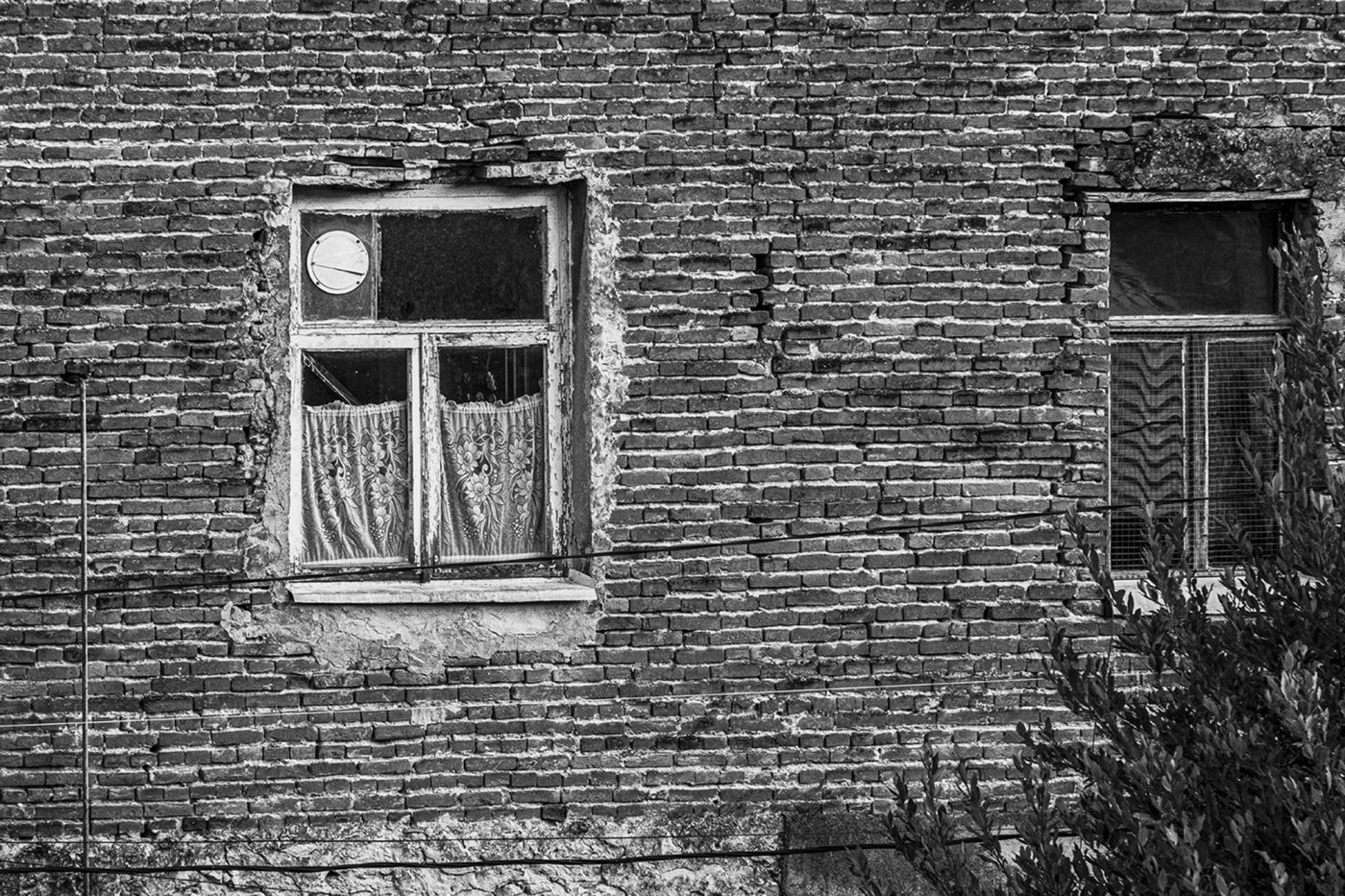
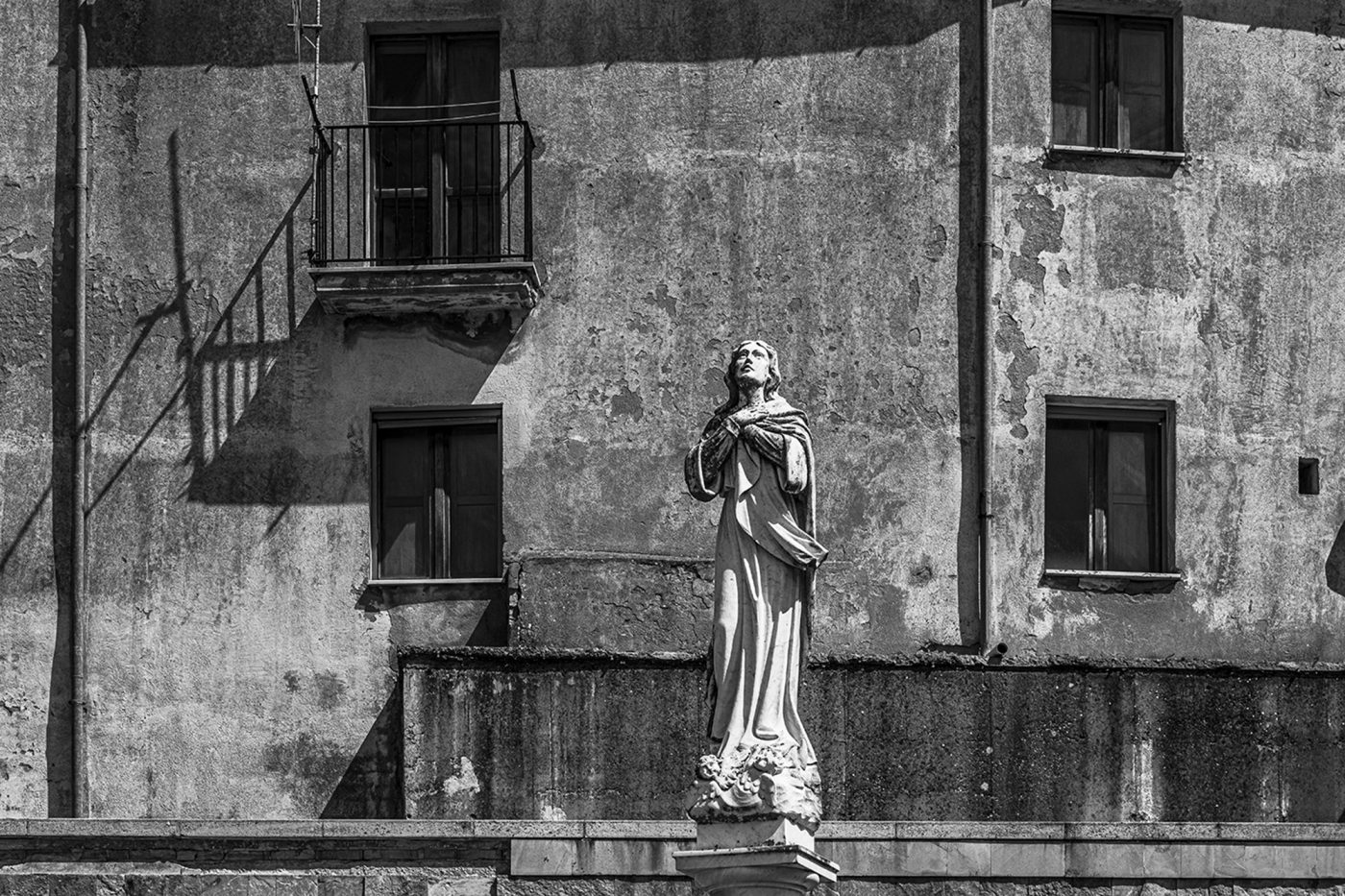
Or perhaps it’s the way I photograph them—almost devoid of human presence—as places on the verge of becoming “dead cities” themselves, emptied by some cataclysm and left there like empty shells, with one eye on images of Chernobyl and the other on the ghost towns of the American West or the countless abandoned villages that already dot our countryside.
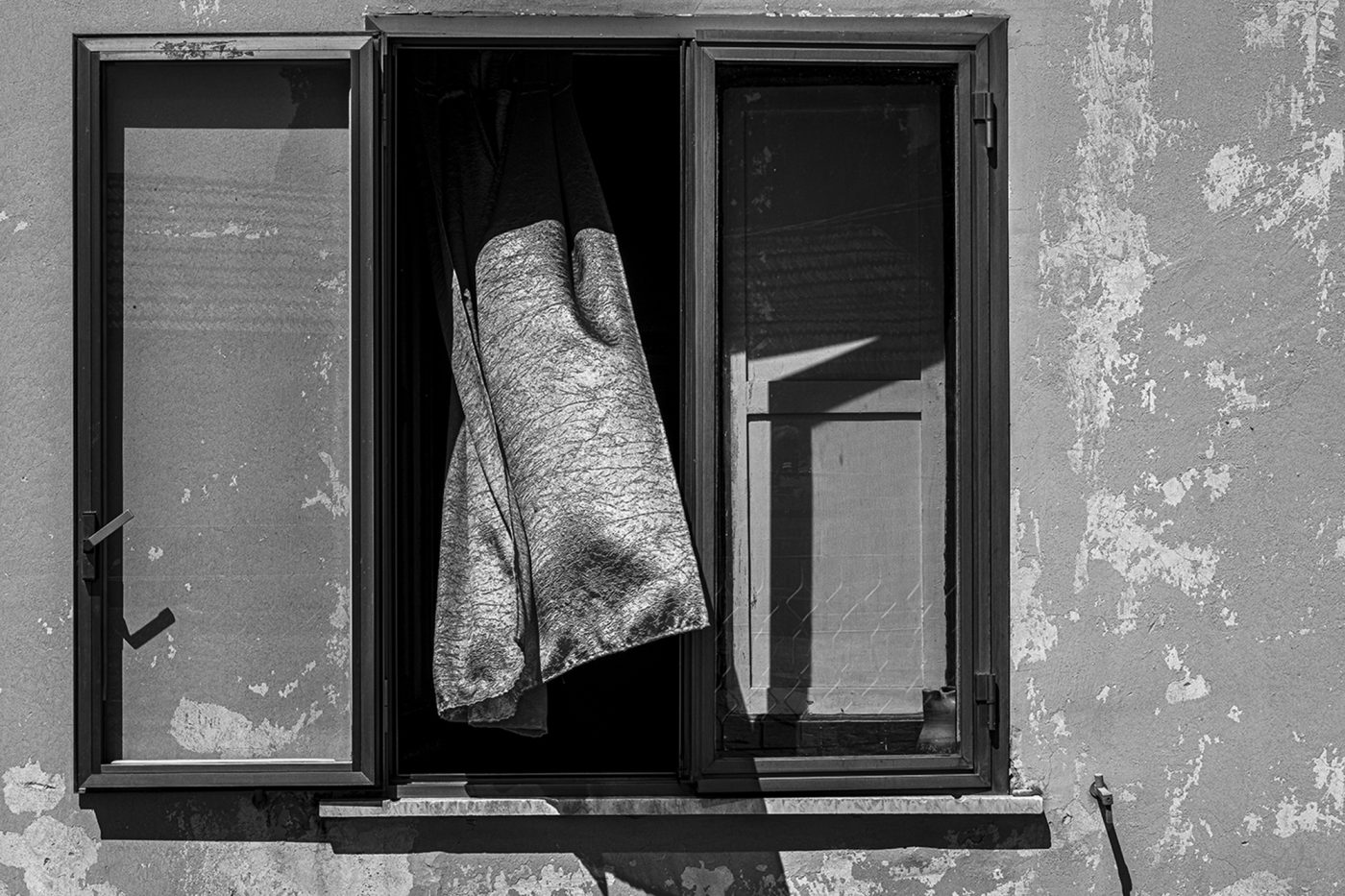
For me, these towns are united by a sense of melancholic foreboding: having lost their centrality, they are the harbingers—like the concentric ripples caused by a stone thrown into a pond—of our gradual, inevitable downfall.
All that remains is to borrow the pen—or, in my case, the lens—from Claudio Rutilio Namaziano to describe some out-of-place detail or some decadent atmosphere.