STOP WAR


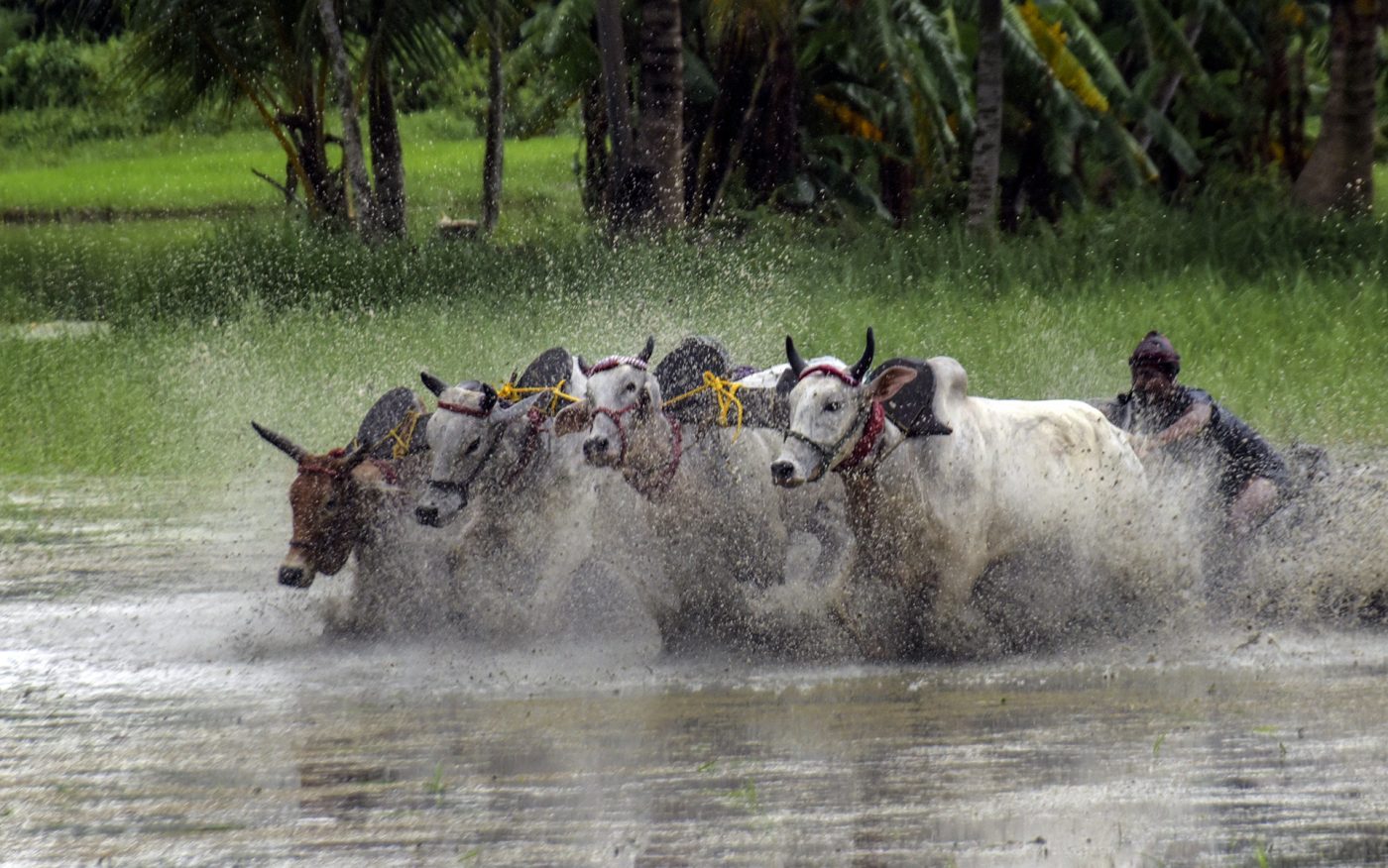
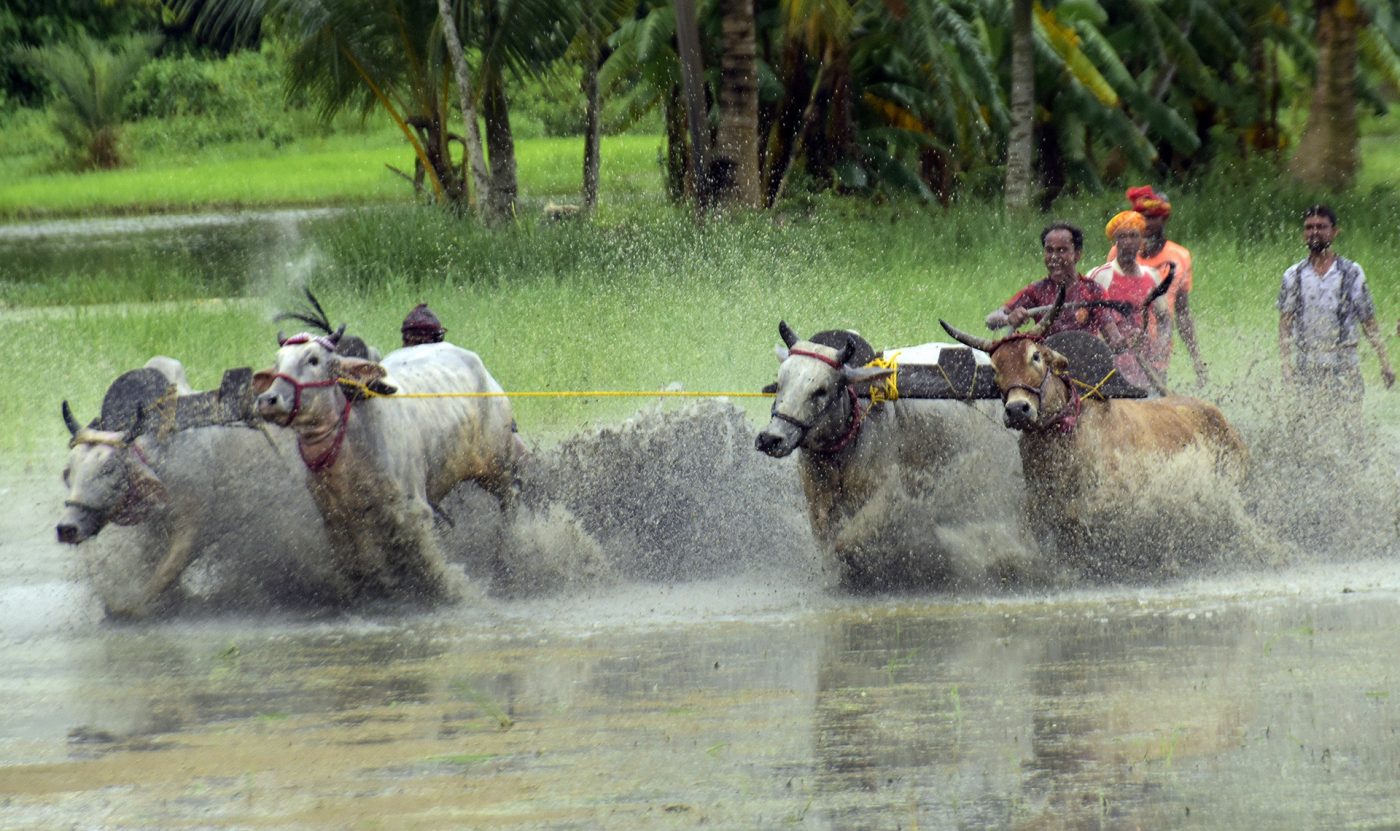
The old and traditional bull race of West Bengal is a famous local sport called Moichara, celebrated across religious and social boundaries. Farmers, villagers, photography enthusiasts, and visitors gather to enjoy the event. Moichara has also become a favorite subject for documentary and visual photographers worldwide. Historically, it developed to celebrate the arrival of the monsoon season, signaling the official start of the paddy cultivation cycle. This event has been organized annually during the monsoons by a local club for decades.
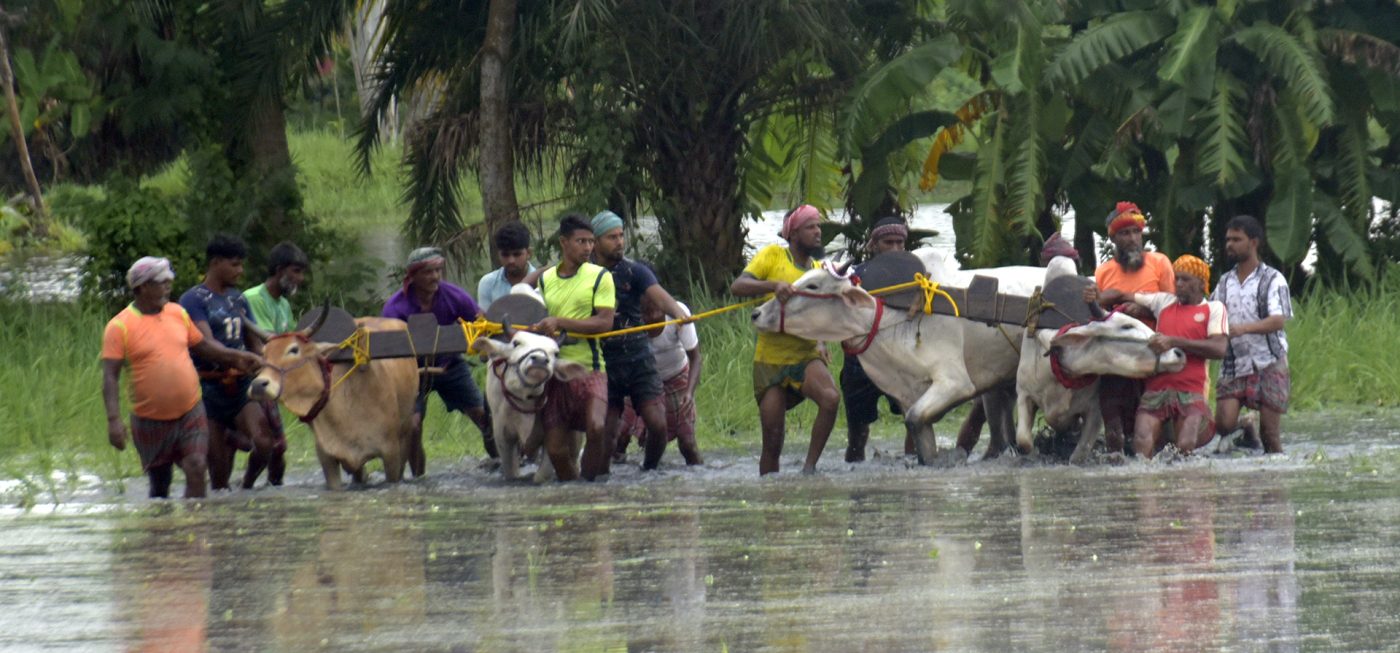
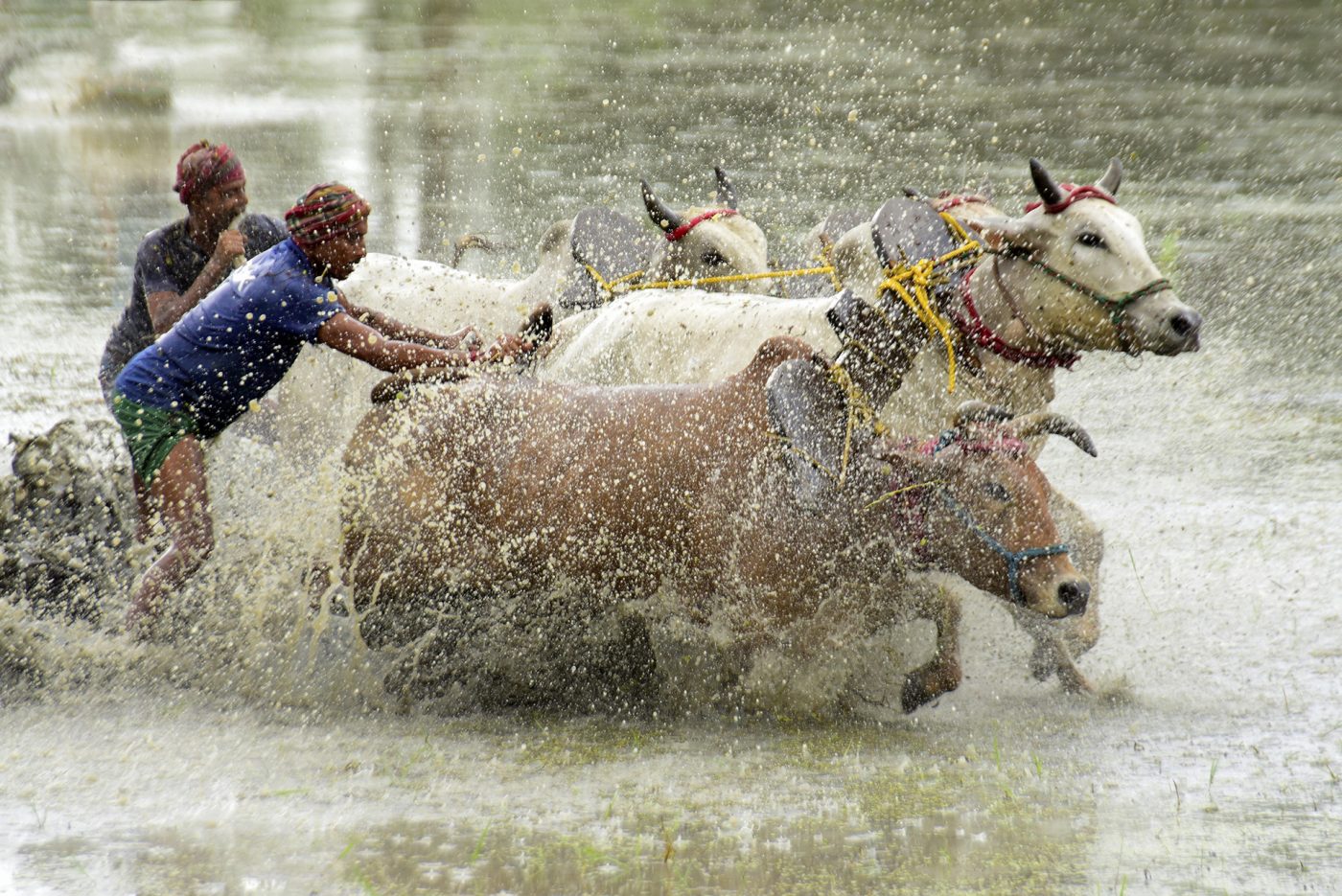
The word moi refers to a traditional wooden ladder-like plank used to level the soil. During the race, a heavy wooden structure is attached near the necks of a pair of bulls. As the racing bulls charge through the flooded, muddy fields, their fierce trampling and the dragging of the plank effectively churn, break down, and till the soil.
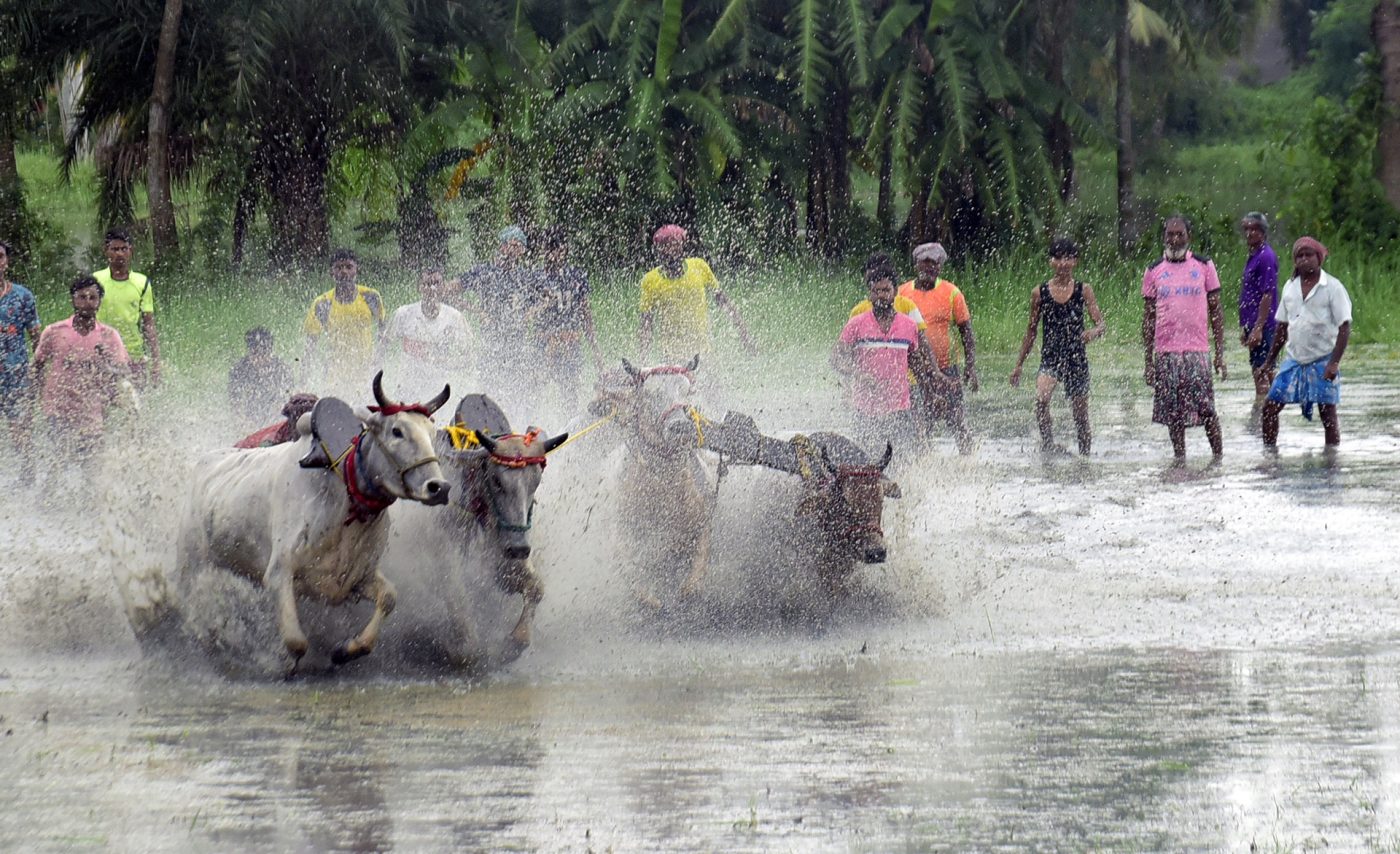
This century-old traditional cattle race festival took place at Herobhanga village in Canning, South 24 Parganas district, West Bengal, India, on 10 August 2026. A jockey stands or balances barefoot on the wooden plank (moi) or holds onto the tails or ropes attached to a pair of powerful, specially reared bulls as they sprint down a 100-meter track of deep, slushy mud. Controlling a pair of racing bulls at high speed while maintaining balance in deep mud requires immense physical strength, skill, and nerve from the operator.