 STOP WAR



The Hands of God
Located in North Kolkata, along the eastern bank of the Hooghly River, Kumartuli is a historic neighbourhood known for its long-standing tradition of clay modelling, pottery and sculpture. Its history is closely connected to the development of old Calcutta, particularly the settlement of Sutanuti, one of the three villages that eventually formed the city. The neighbourhood is believed to have taken shape around the seventeenth and eighteenth centuries, when potter communities settled in this part of the city in search of livelihood and access to the river, which provided clay and other essential materials for their craft.
Originally, the potters were engaged in making everyday household objects such as earthen pots, utensils, clay toys and other traditional items. Over time, their skills gradually extended to making religious figures and clay sculptures. The growing patronage of wealthy Bengali families, particularly the prominent households of North Calcutta, helped establish Kumartuli as an important centre of idol-making. As the practice of community worship expanded, so did the demand for its artisans. Generations of craftsmen, many tracing their roots to Krishnanagar and other parts of Bengal, continued to settle here, passing their knowledge and techniques from one generation to the next. What emerged was not merely a cluster of workshops, but an entire neighbourhood shaped around a shared occupation and an evolving craft tradition.
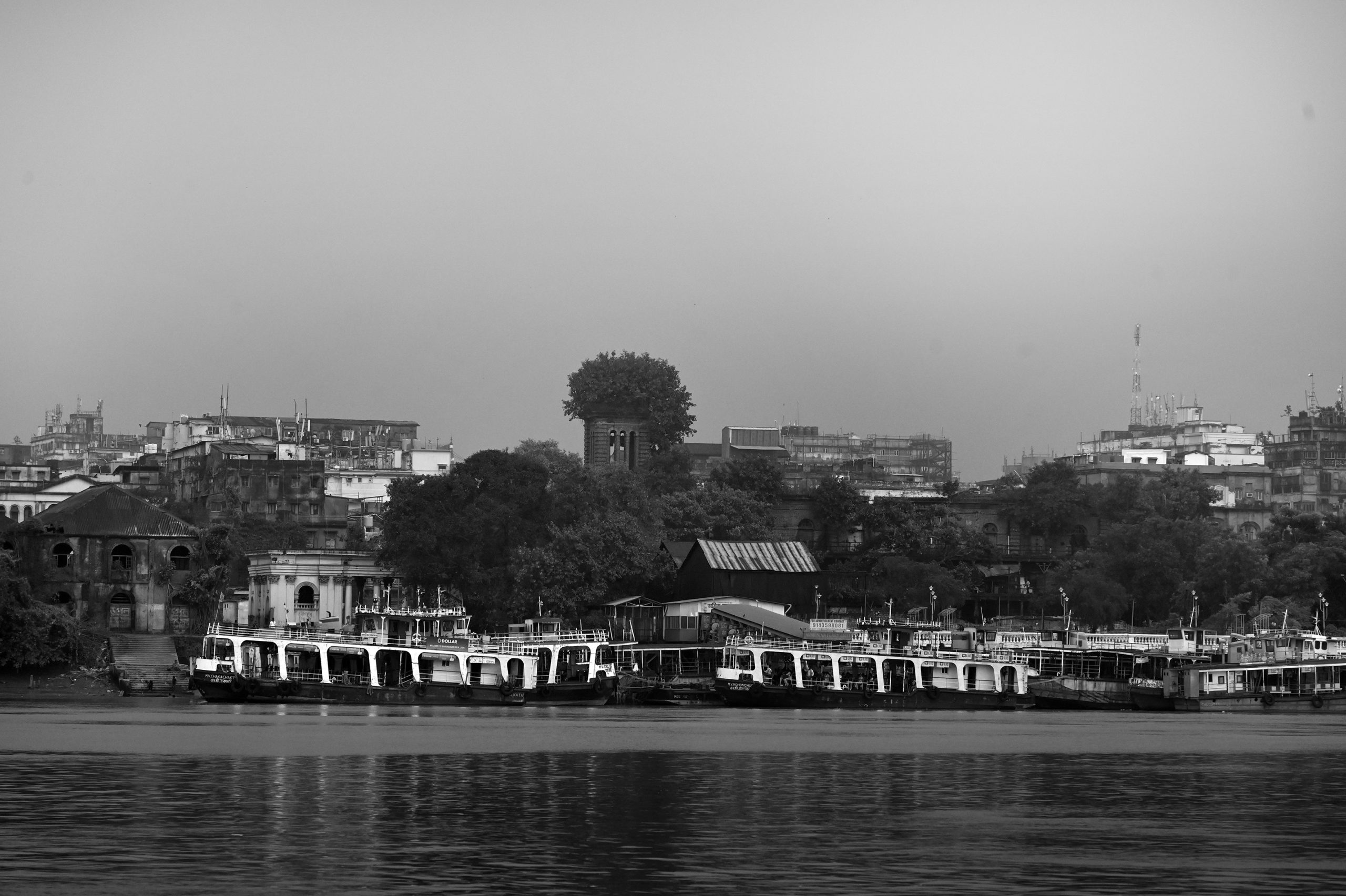
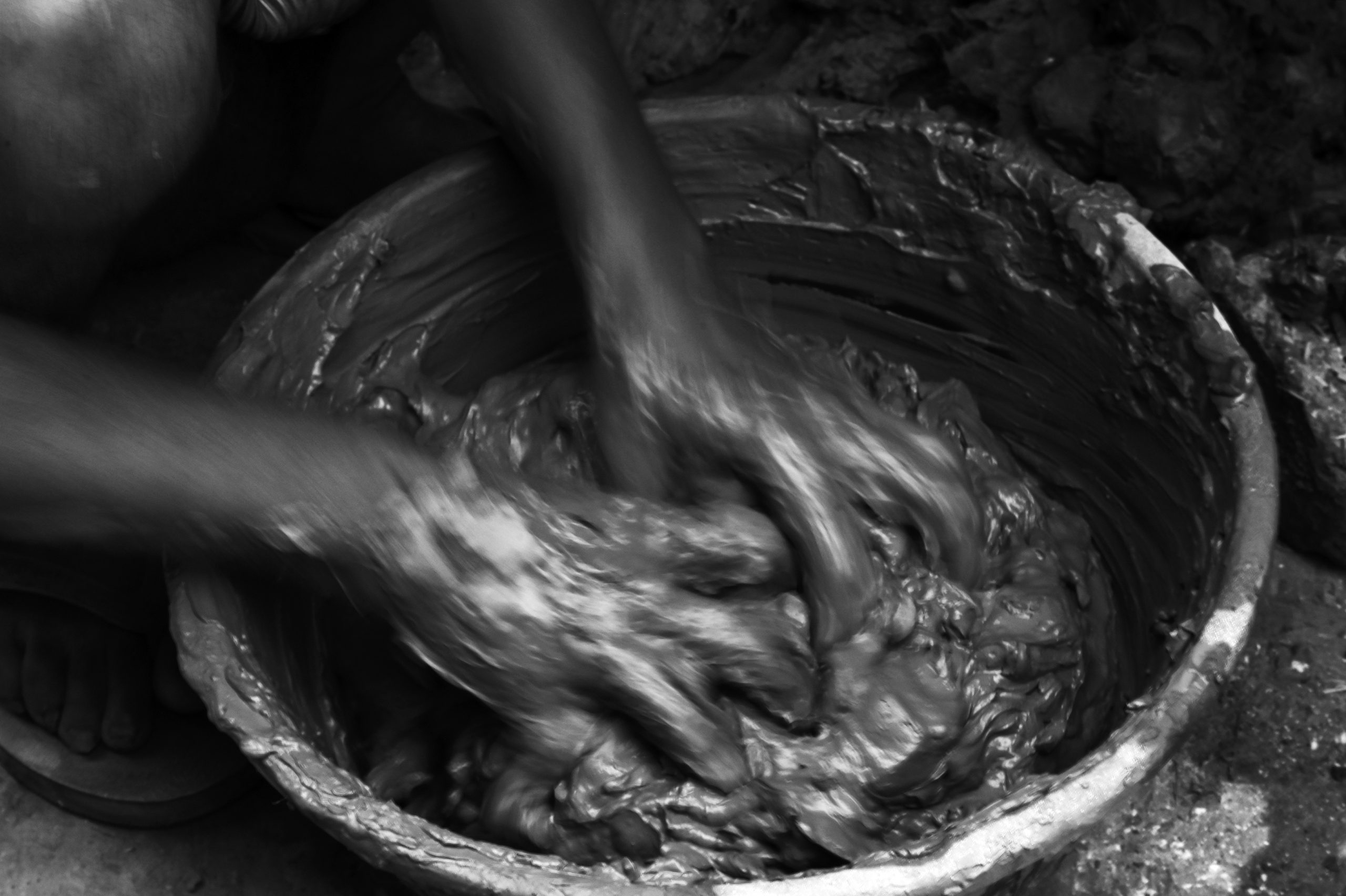
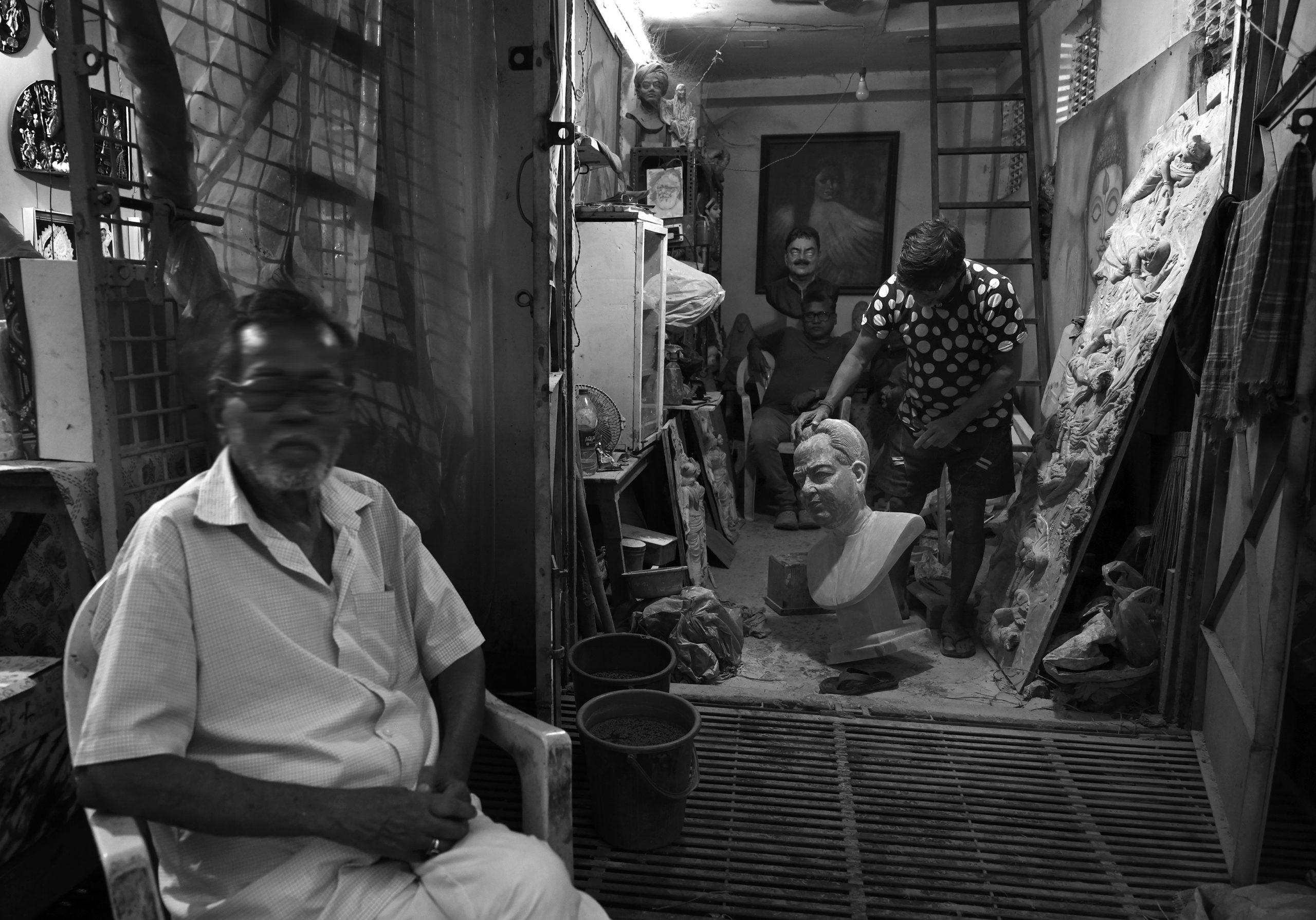
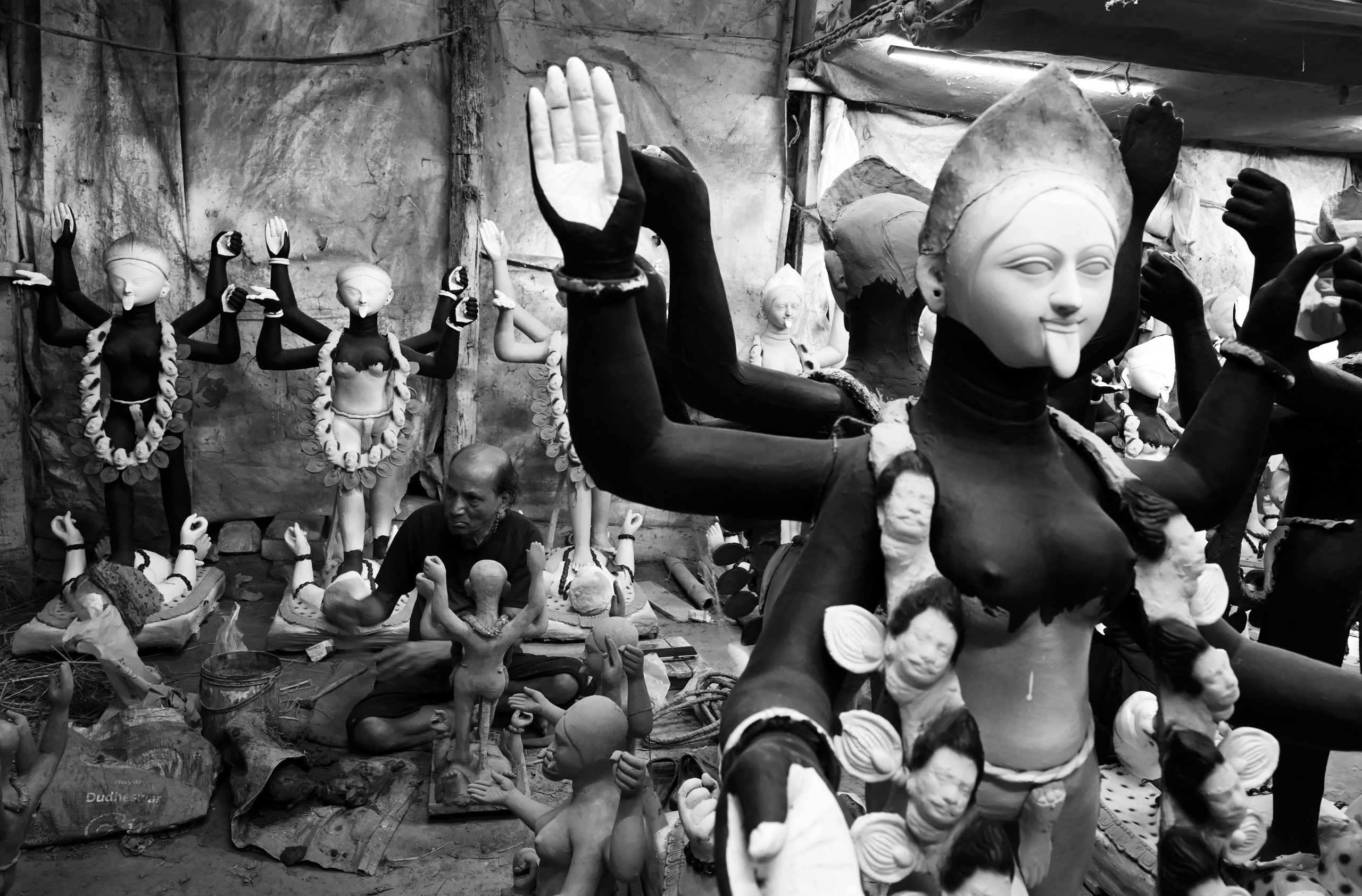
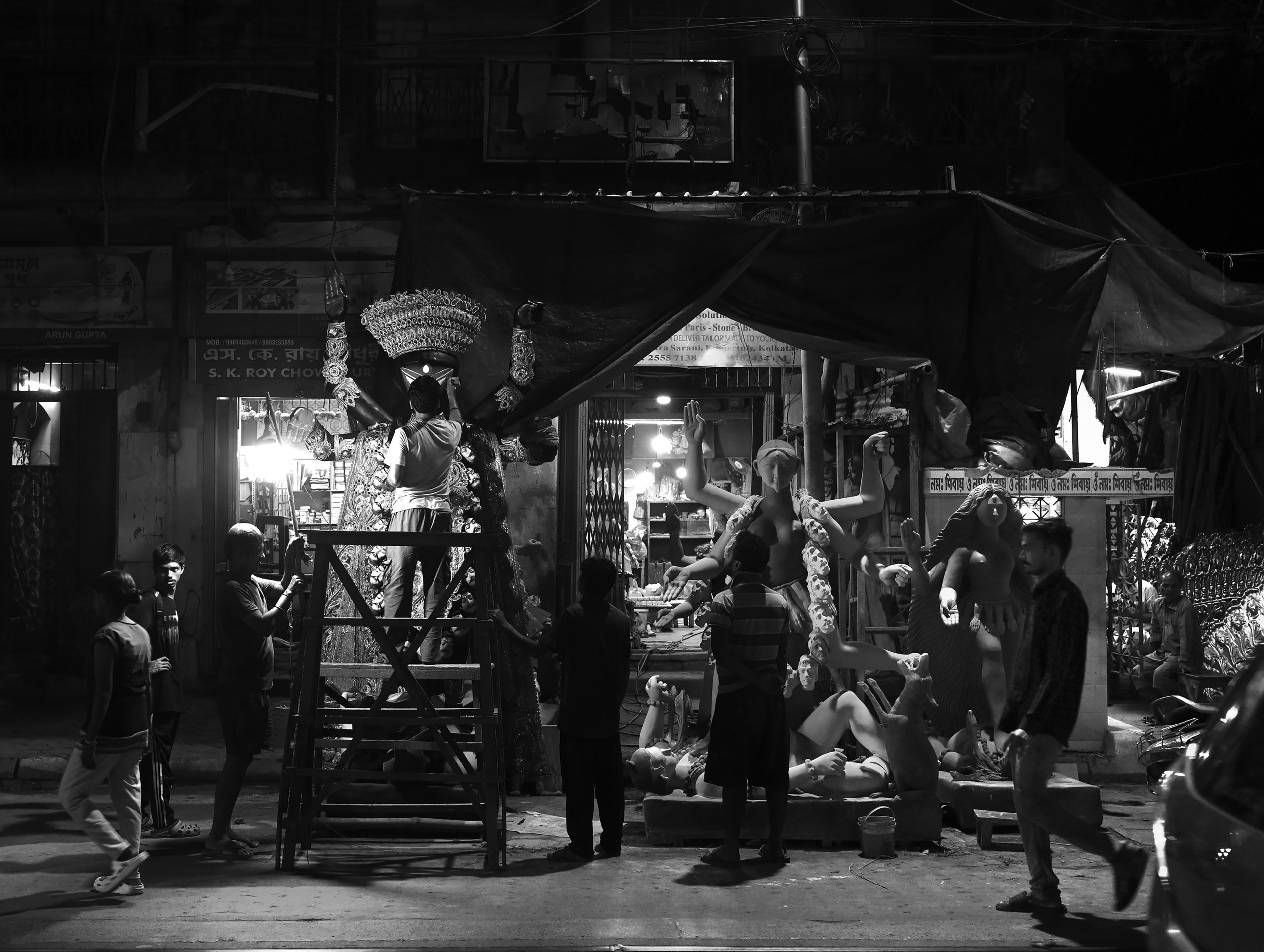
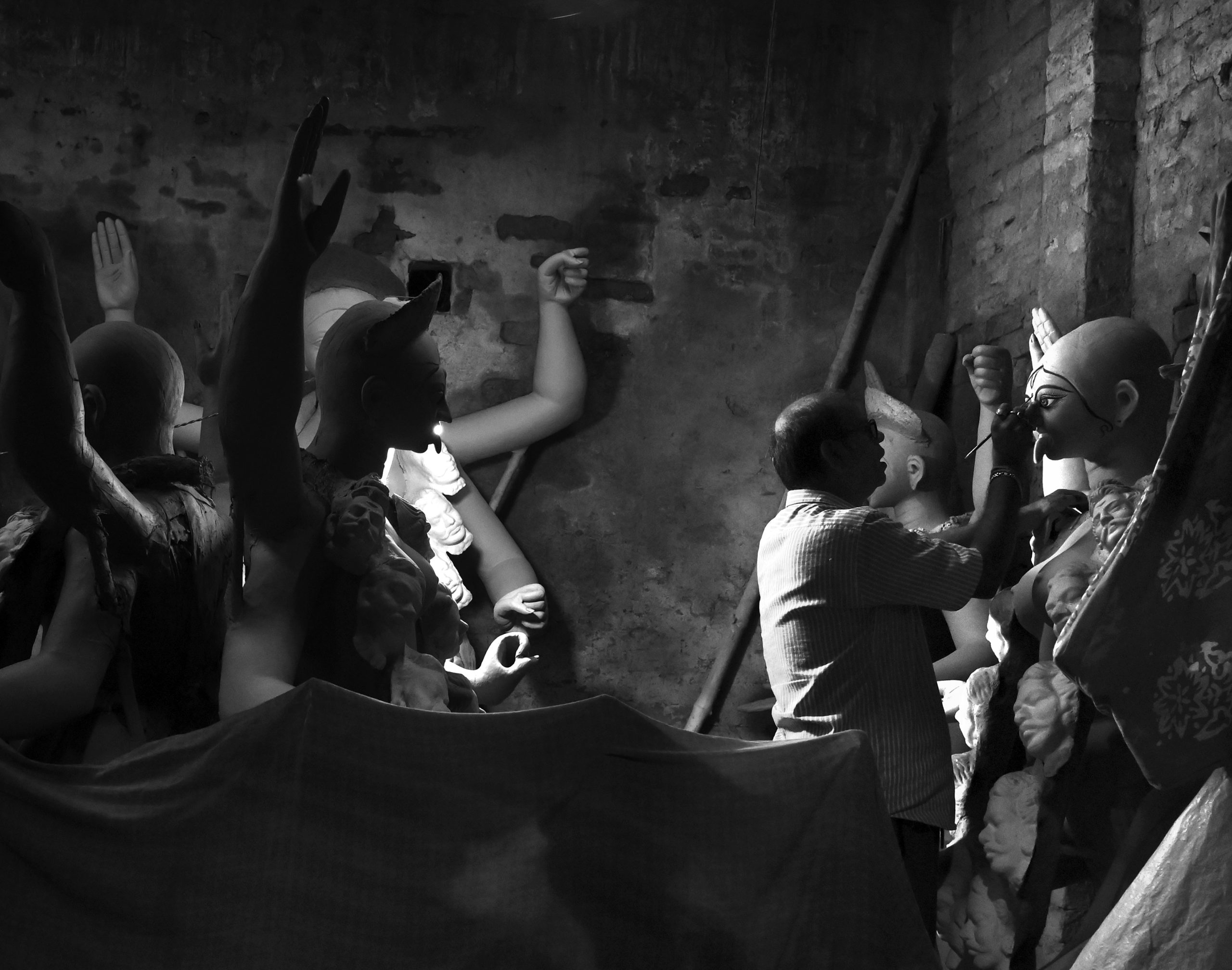
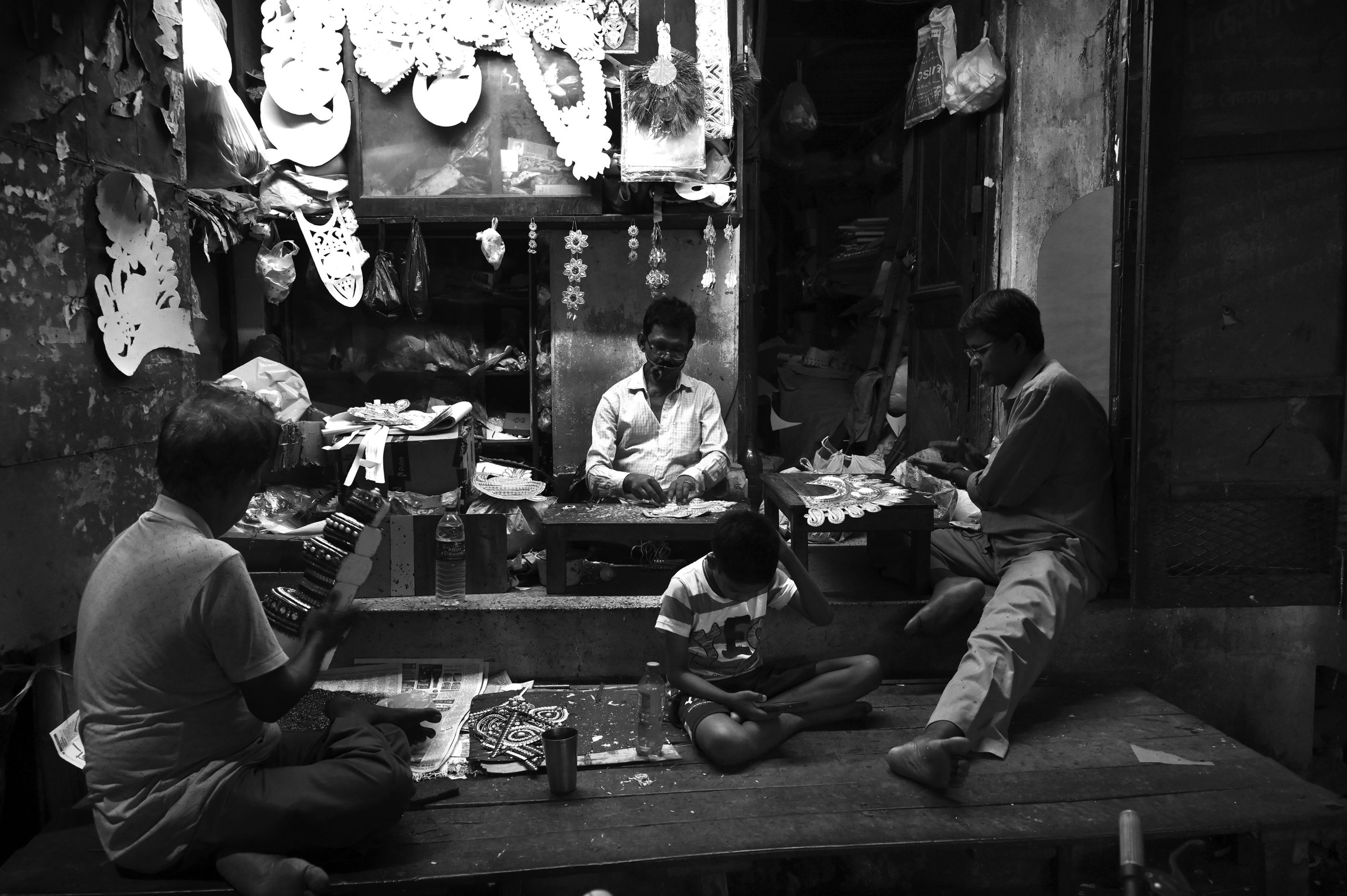
Even today, Kumartuli retains much of this character. Its narrow lanes are lined with workshops, small homes, storage spaces and makeshift working areas, where clay, bamboo, straw and other materials become part of the everyday surroundings. The work is not limited to the sculpting of large religious figures. From smaller clay figurines and decorative objects to intricate sculptures and commissioned creations, the artisans engage in different forms of making throughout the year. Each workshop has its own rhythm, shaped by the nature of the work, the people involved and the demands of their trade.
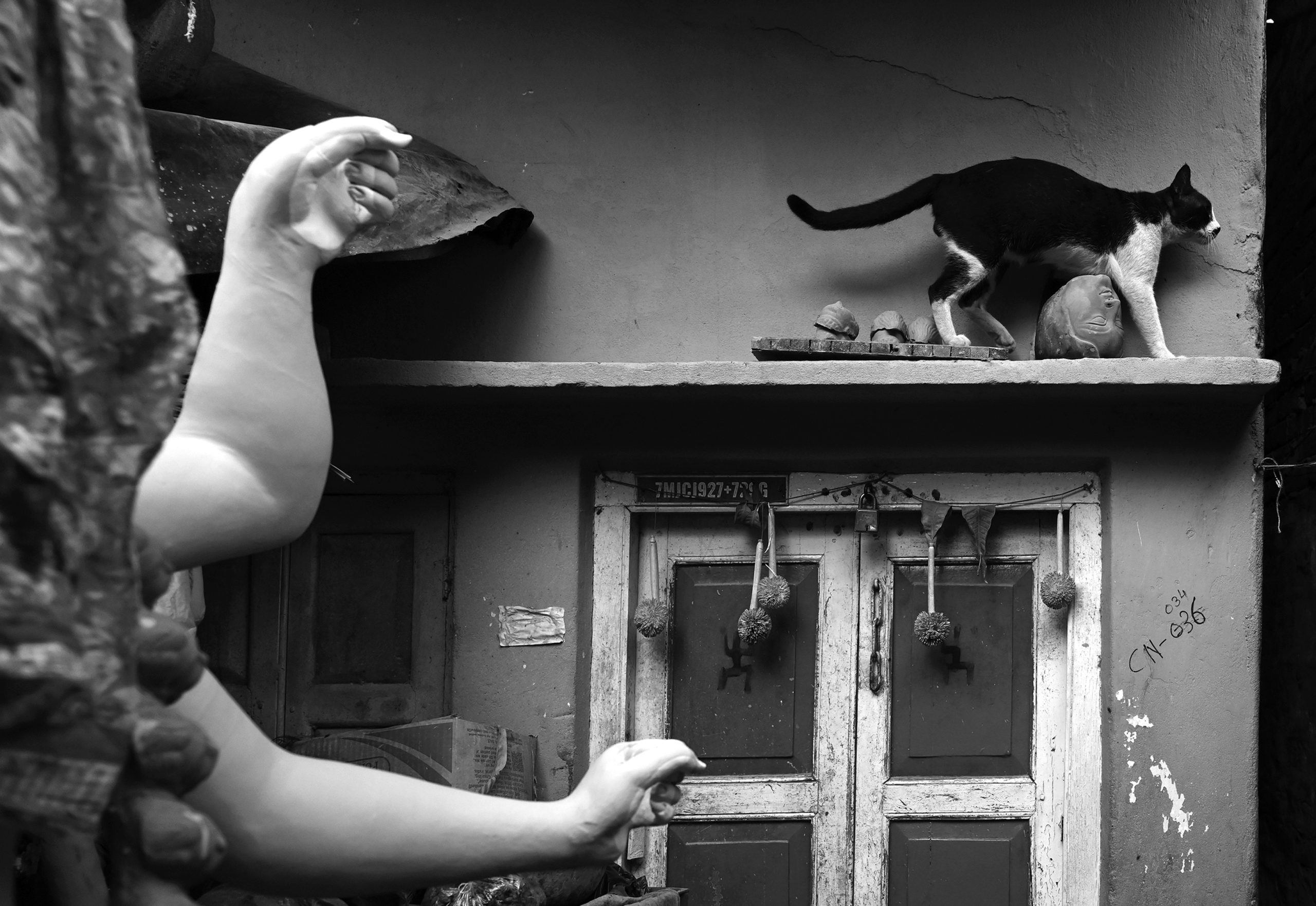
This photographic series moves beyond the finished sculptures to explore the people and everyday life that sustain this craft community. It looks at the sculptors, assistants, labourers and other workers who contribute to the process, often working behind the scenes and away from public attention. Their days are filled with preparing materials, carrying heavy loads, shaping clay, refining details and managing the many demands of workshop life. Alongside the work are conversations, moments of rest, familiar faces, shared meals and the ordinary interactions that make up life in this neighbourhood.
There is also an interesting contrast in the lives of these craftsmen. While they spend much of their time creating figures associated with divinity, their own lives remain grounded in the everyday realities of labour, livelihood and family. The work can be demanding, particularly when orders accumulate and deadlines approach, yet there is a certain ease and familiarity with which many of them go about their routines. Even amidst the constant activity, they somehow manage to maintain their composure — perhaps more so than the gods they create.
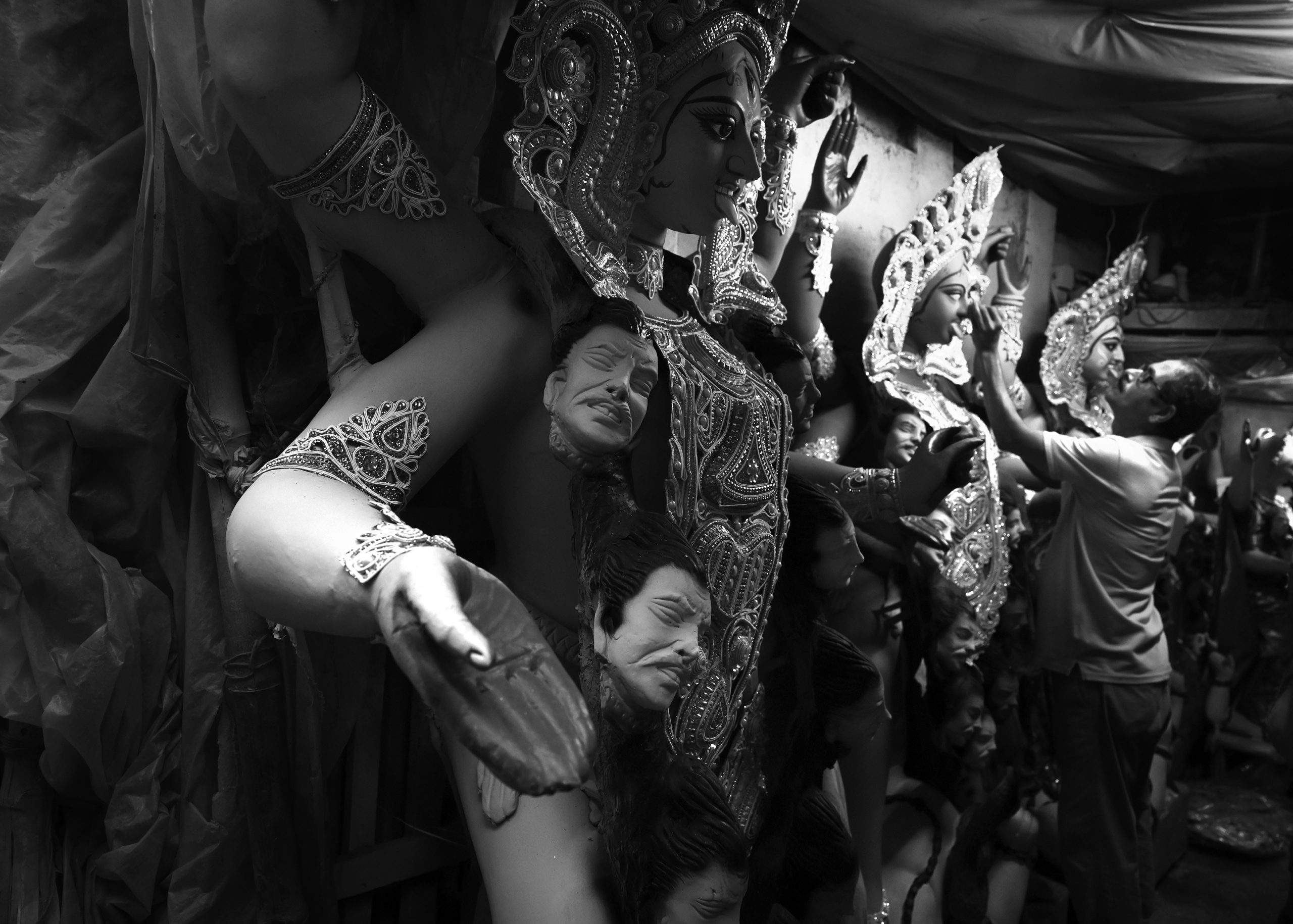
Through these photographs, I have tried to document a side of Kumartuli that often remains outside the familiar image of the neighbourhood. The intention is to bring attention to the people behind the craft, their working conditions, individual stories and the small moments that collectively define their lives. After all, the identity of Kumartuli lies not only in the sculptures that emerge from its workshops, but also in the generations of people whose hands, skills and everyday labour continue to keep this tradition alive.






What a nice one!