STOP WAR



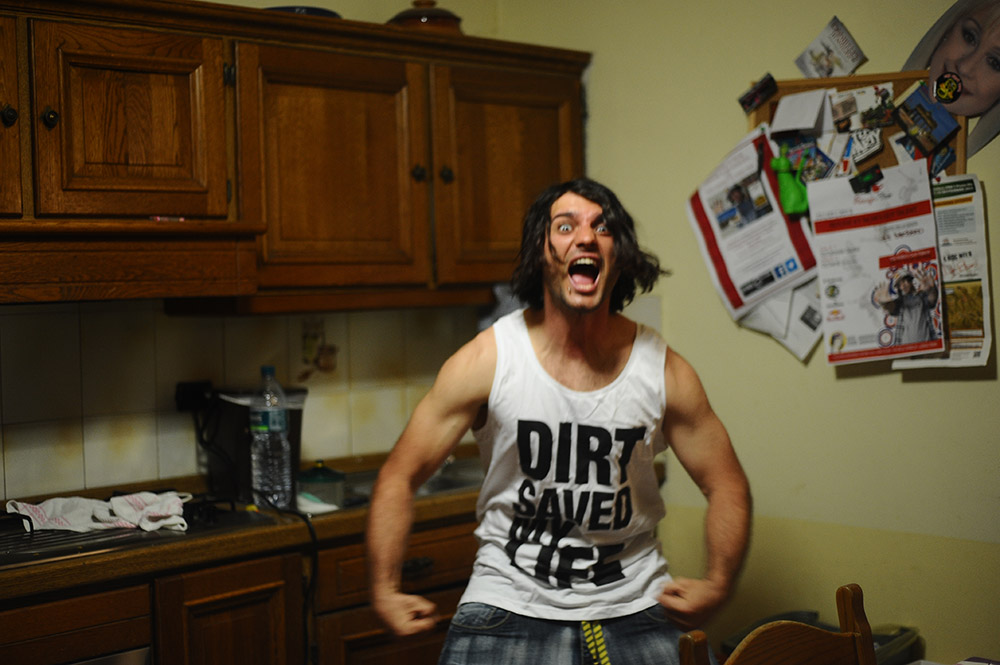
There is someone losing their mind at the back of the room, wilding out as if seized by convulsions, screaming and shaking everything around him amidst general indifference, in this youth-populated environment that gives the impression of having lived this way habitually and for a long time.
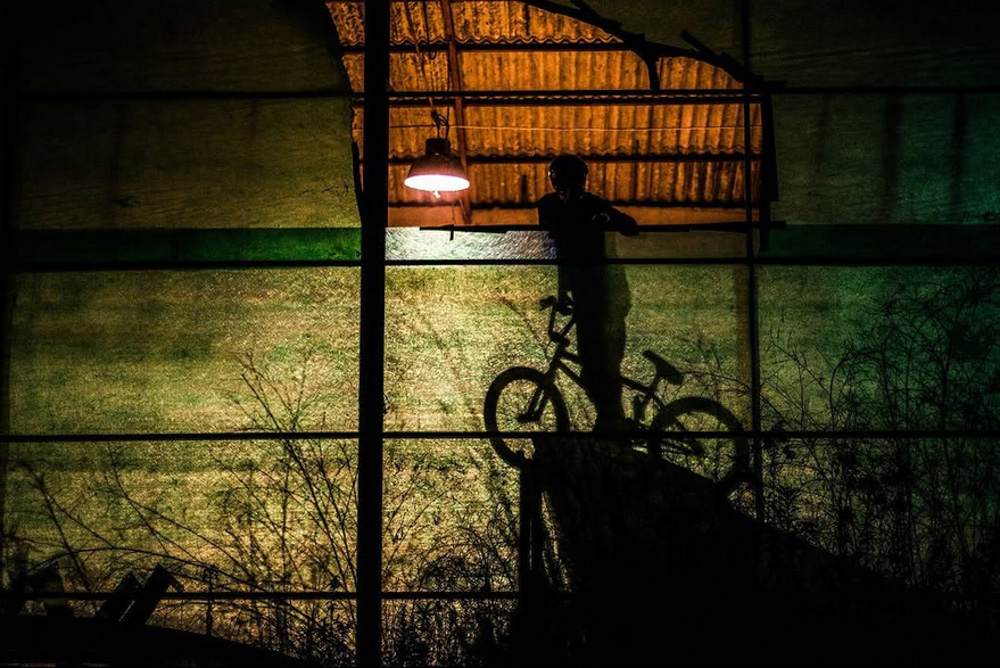
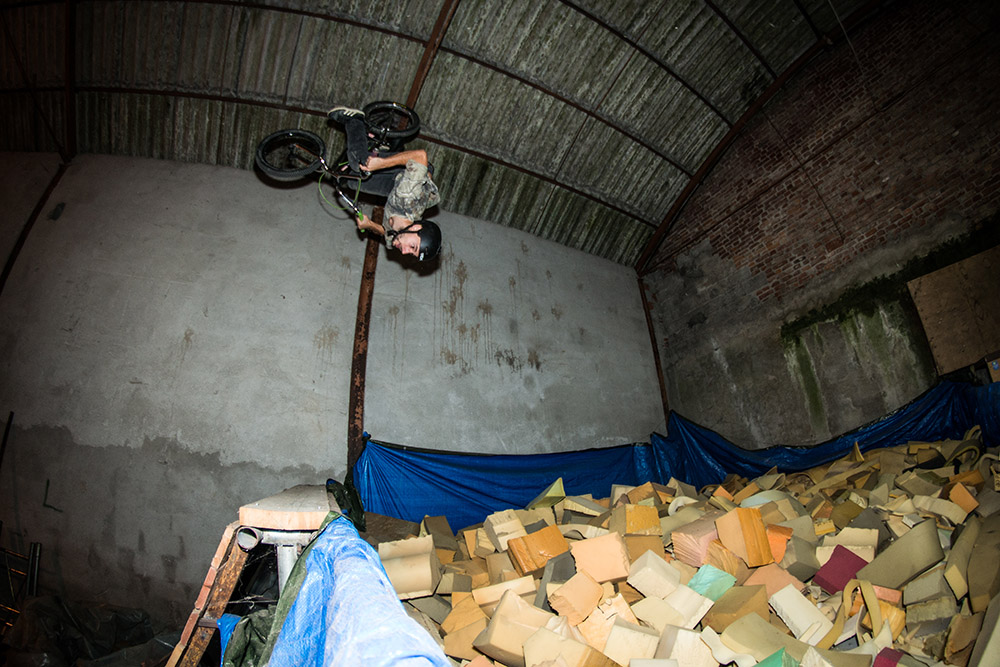
In the evening, it is winter, and we find ourselves in a freezing warehouse. The windows are missing, and entire sections are left wide open to the night cold; through the gaps in the corrugated sheets that form the walls, you can glimpse the sky. Inside, a homemade skatepark has been built: iron and wood ramps, and a foam pit to learn new and dangerous tricks. We train with steam coming out of our mouths. Warming up is difficult, but eventually you manage, and the session begins. Slowly, the first tricks start to appear: barspins, 360s, tailwhips. Then we move over to the foam pit and you see backflips—it is always beautiful to see a backflip.
From a sociological perspective, the BMX (Bicycle Motocross) subculture is a global movement born in the early 1970s in California, evolving from a cycling version of motocross into a lifestyle rooted in street culture with the advent of freestyle in the 1980s. Grounded in anti-conformism, creativity, and perseverance, this subculture unites action sports, social customs, and a remarkable sense of community.
I encountered this way of life during my adolescence
I encountered this way of life during my adolescence, in the second half of the 1990s. At the time, the movement of the so-called “midschool” was taking shape, which in a sense represented a global rebirth after the “dark years” between the late 80s and early 90s.
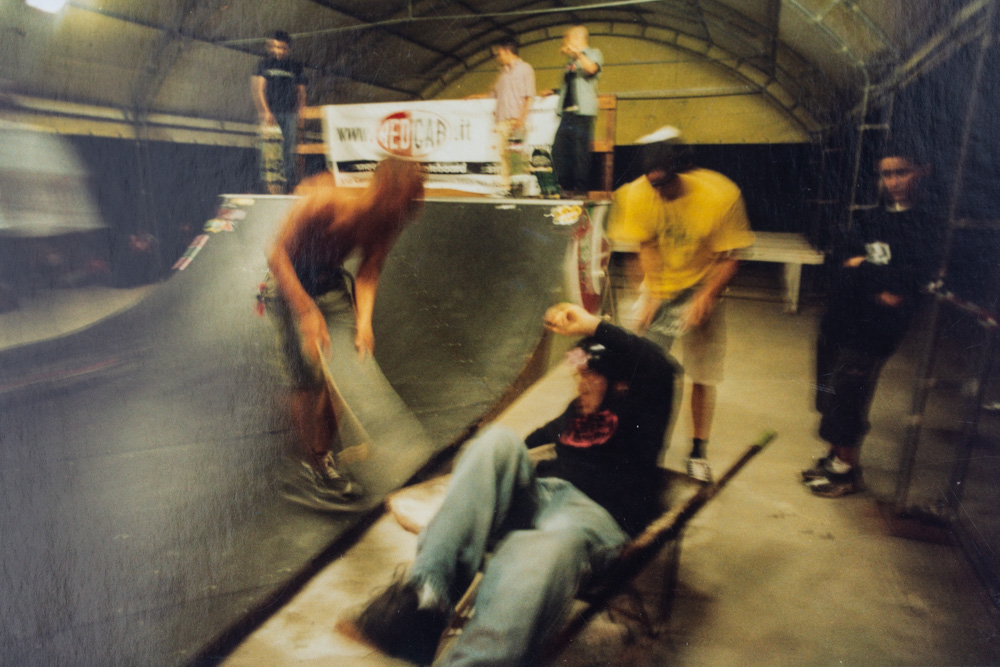
The scene was also born thanks to the early spread of the internet; the first websites and blogs served as connection tools. Events were organized, and people met up. Young riders came from all over the country and, one thing leading to another, we quite quickly ended up all knowing each other and hanging out everywhere to practice the sport and be together. Contests were organized, but much more often we had the so-called “jams”—non-competitive gatherings where everyone expressed themselves freely within their own limits.
Over time, a more structured scene developed, thanks also to the arrival of major, wealthy sponsors attracted by the strong anti-conformist impact of this subculture. Today, BMX freestyle has even become an Olympic discipline, seeing international athletes compete against each other representing their respective nations. Here, however, I am going to explore the roots: BMX understood as an artistic expression and a social network. As a group of people who gather and train, practice, and put their own self-expression into action.
BMX is a movement
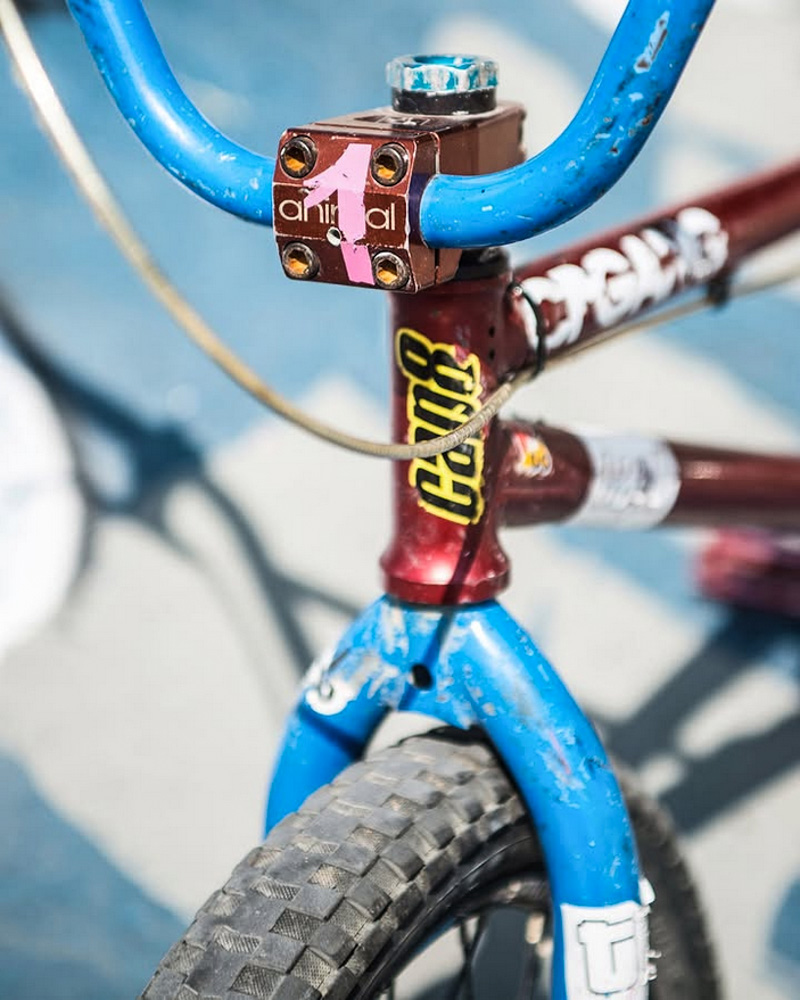
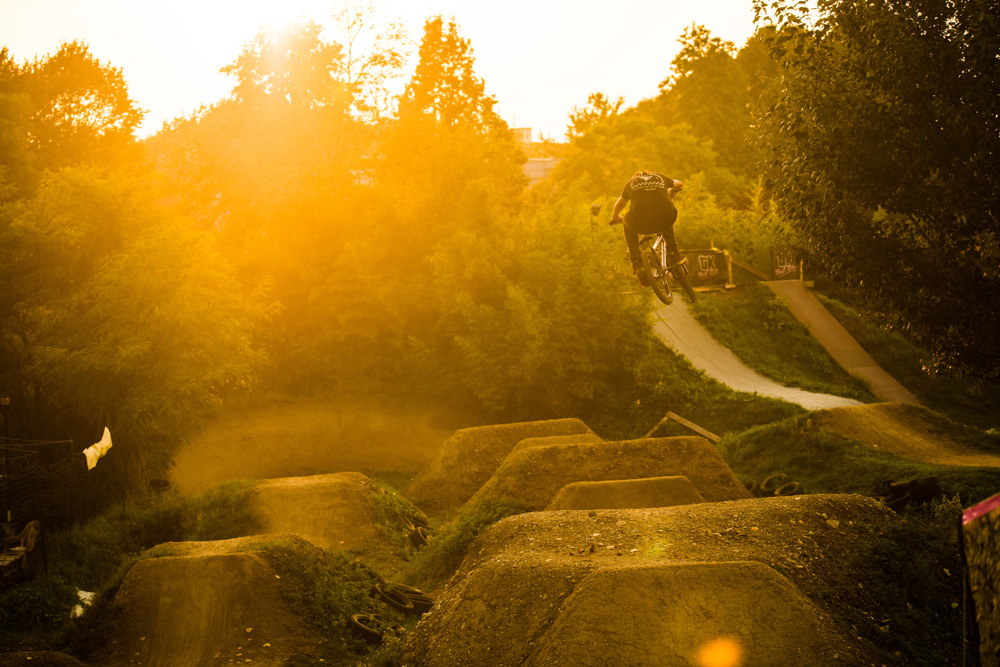
BMX is a movement born spontaneously within people. I saw it take shape during summer days spent jumping on dirt trails until sunset, searching for that harmony of movement that becomes artistic expression. You don’t even need to pull a trick; it is enough to see the bike gently take off from the kicker and fly gracefully toward the landing, smooth, only to move on to the next jump, and then the one after that.
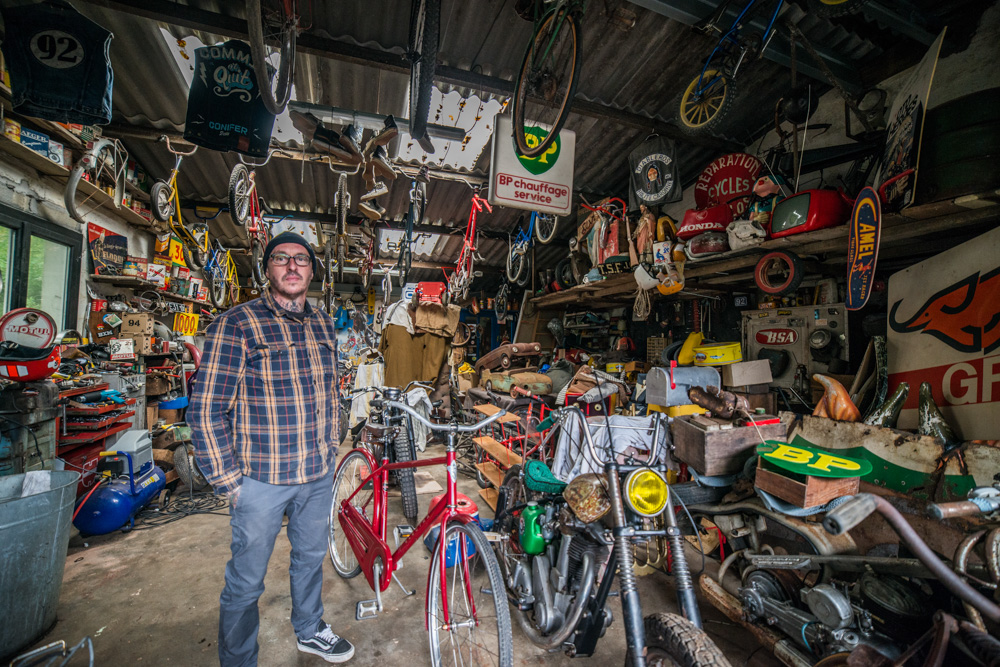
Or I think of the pleasure of meeting Vincent in his warehouse in the Basque Country, admiring his collection, his incredible world of memorabilia gathered who knows where, which, piled one on top of the other, make that place resemble an artist’s workshop. A special place, a represented world to live in.
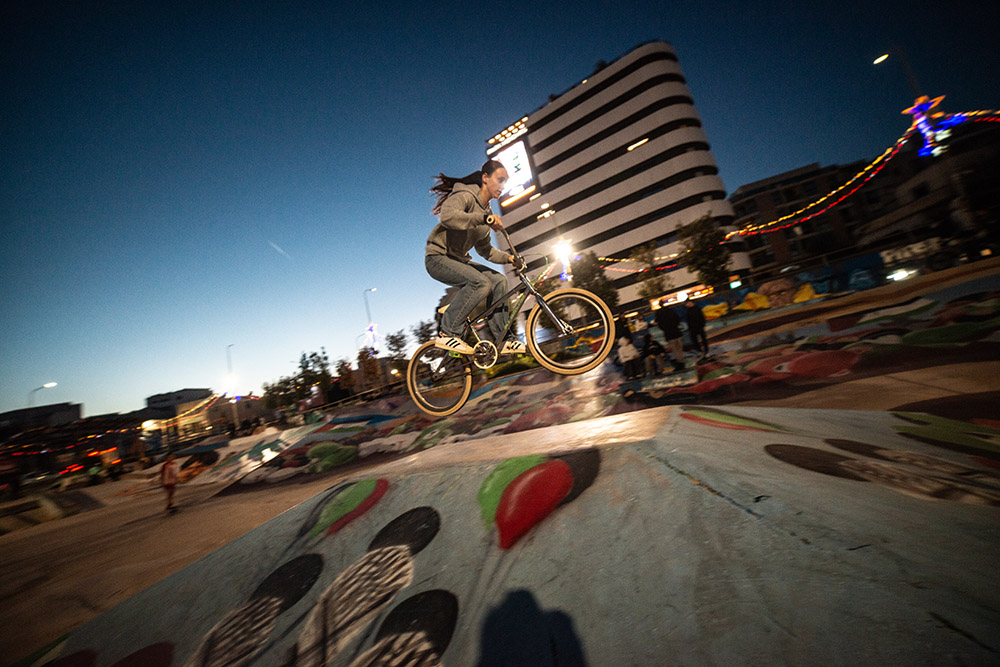
I remember one time, during a mild December on the island of Malta, when I met a young local girl training with great passion in the public skatepark, using a vintage bike that I imagine she recovered from some friend or relative.
I think of the great parties, of that cluster of peculiar personalities, all attracted and gathered together by this discipline. Groups of riders who all look alike wherever I have met them because, beyond personal differences, everyone shares an attitude toward life.