STOP WAR


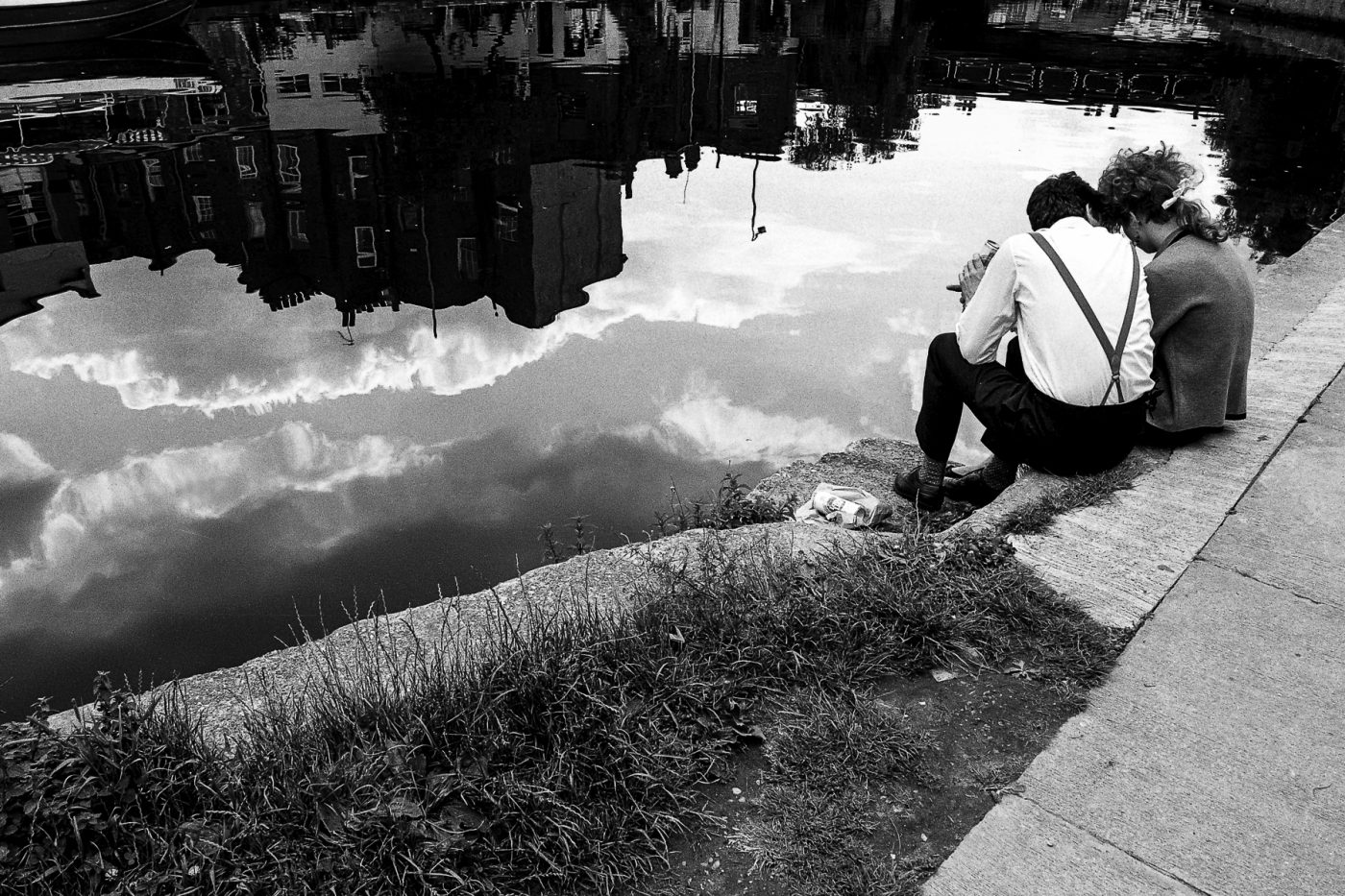
Since the earliest days of photography, lovers have held a special place in the imagination of photographers. Across eras, cultures, and artistic movements, the image of two people united by affection, tenderness, or desire has never ceased to captivate. Few subjects can claim such universality. Whether young or old, elegant or ordinary, photographed in a great metropolis or a remote village, couples always tell us something essential about the human experience.
Photography possesses a unique ability to preserve fragile moments: a glance exchanged, one hand reaching for another, a discreet smile, a fleeting embrace. These simple gestures often carry an emotional depth that transcends cultures and generations. They speak a language that everyone understands instinctively. This is perhaps why photographers return to the subject again and again. To photograph a couple is to photograph closeness, trust, companionship, and, in many ways, hope itself.
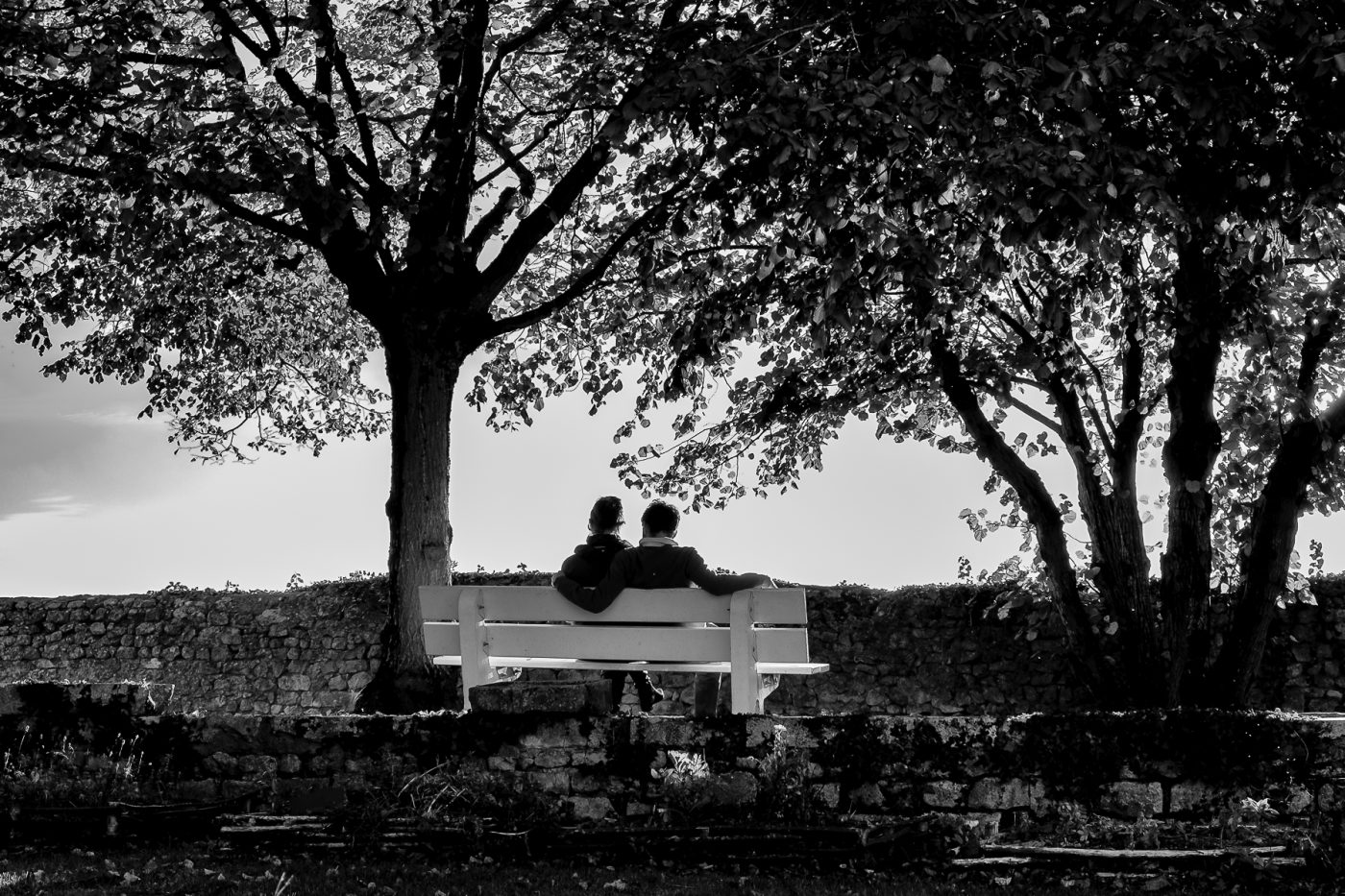
Many of the great names in photographic history have been drawn to lovers as a subject. Henri Cartier-Bresson frequently captured scenes in which human relationships played a central role. His images reveal the spontaneity of encounters and the quiet poetry of everyday life. Robert Doisneau remains forever associated with one of the most iconic photographs ever made, Le Baiser de l’Hôtel de Ville, a picture that has become a worldwide symbol of Parisian romance. Meanwhile, Édouard Boubat devoted much of his work to a deeply humanistic vision of the world, where couples often appear as celebrations of gentleness, tenderness, and the simple beauty of being alive.
Other photographers approached the subject through different sensibilities. André Kertész possessed a remarkable gift for revealing intimacy through elegant and refined compositions. Willy Ronis also created images in which love seemed to emerge naturally from the fabric of everyday life. More recently, contemporary photographers have continued this tradition, convinced that human relationships remain among the richest and most moving subjects photography can explore.
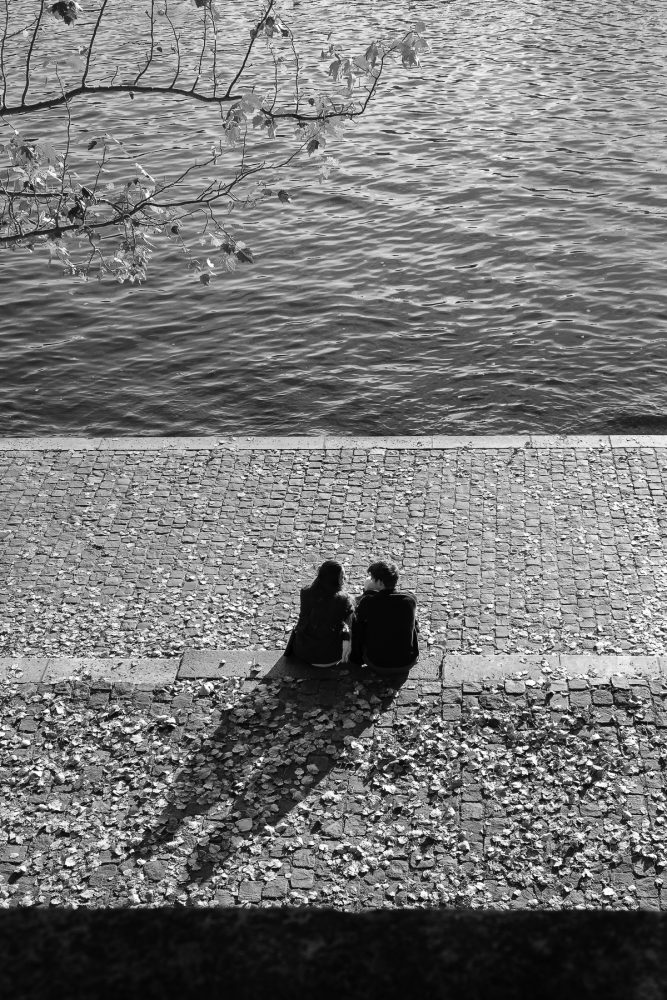
Among all possible settings, one place returns with almost mythical regularity: Paris. The French capital has long occupied a privileged place in the world’s romantic imagination. Its bridges, riverbanks, cafés, gardens, and historic streets provide what feels like a natural stage for lovers. For millions of people across the globe, Paris remains the city of love. This reputation, shaped over centuries by literature, cinema, and the visual arts, has inevitably left its mark on photography.
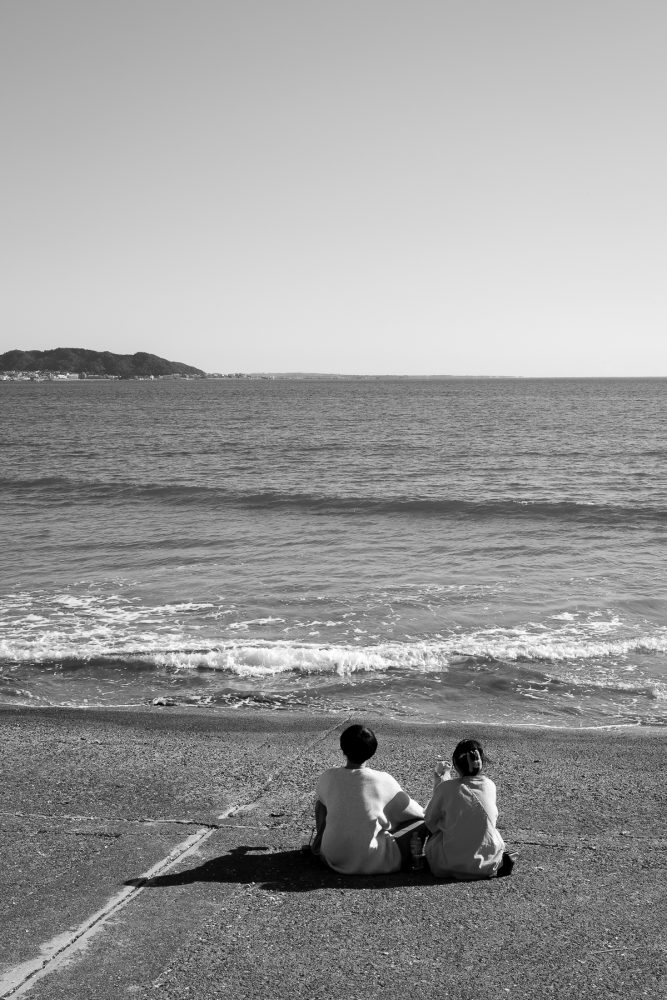
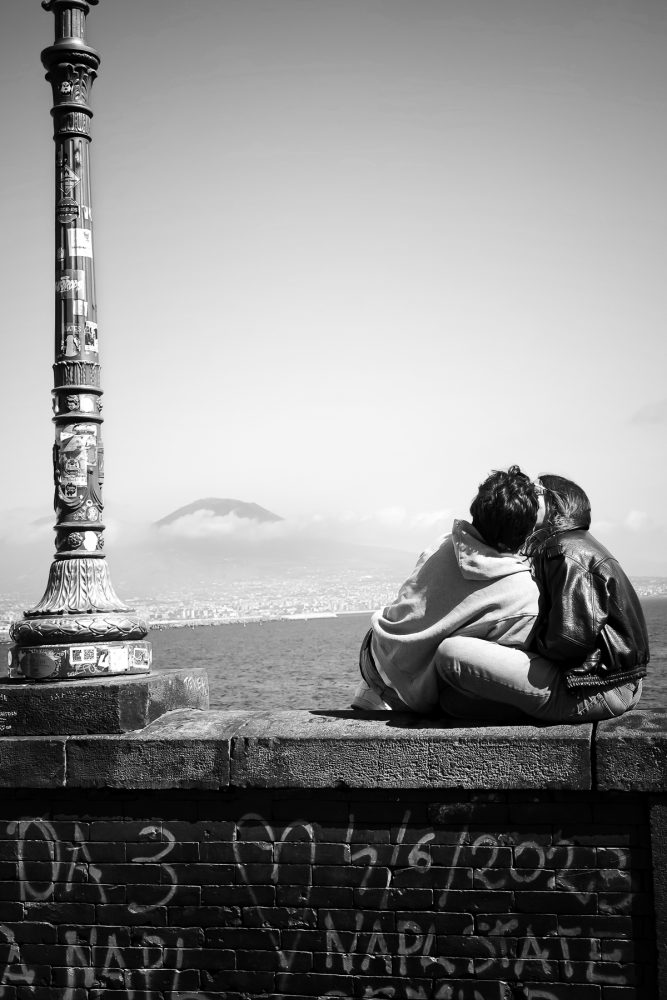
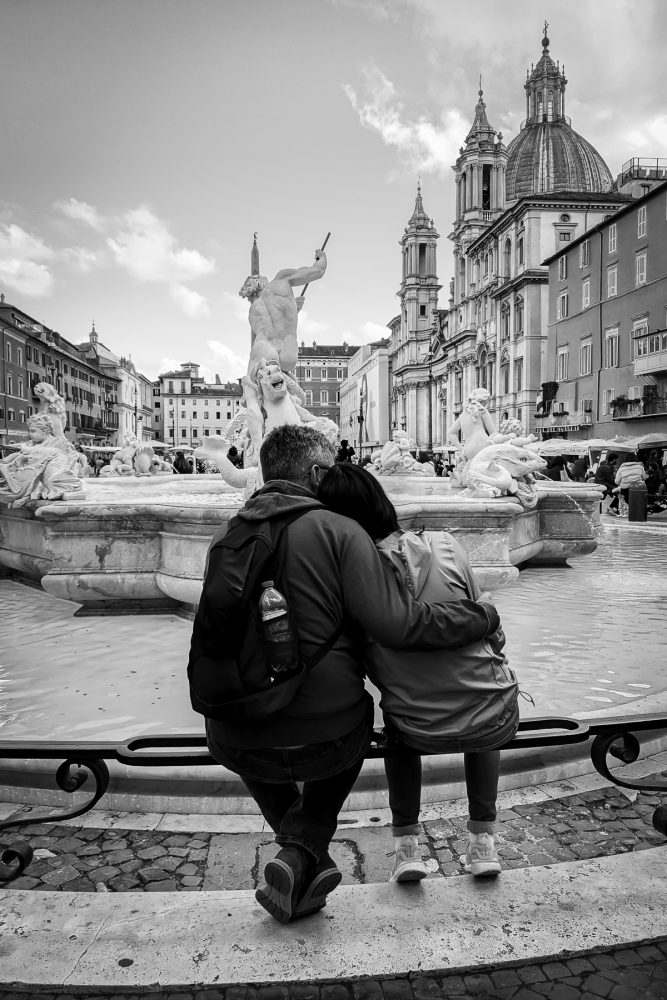
A glance through the great books of humanist photography quickly reveals how often Paris serves as the backdrop for encounters, strolls, and moments of intimacy. Yet the power of photographs of lovers does not depend solely on their setting. An image made on a Japanese shoreline, in a Beijing park, or on an Italian piazza can evoke exactly the same emotion. What moves the viewer is not the location itself, but the connection between the people being photographed.
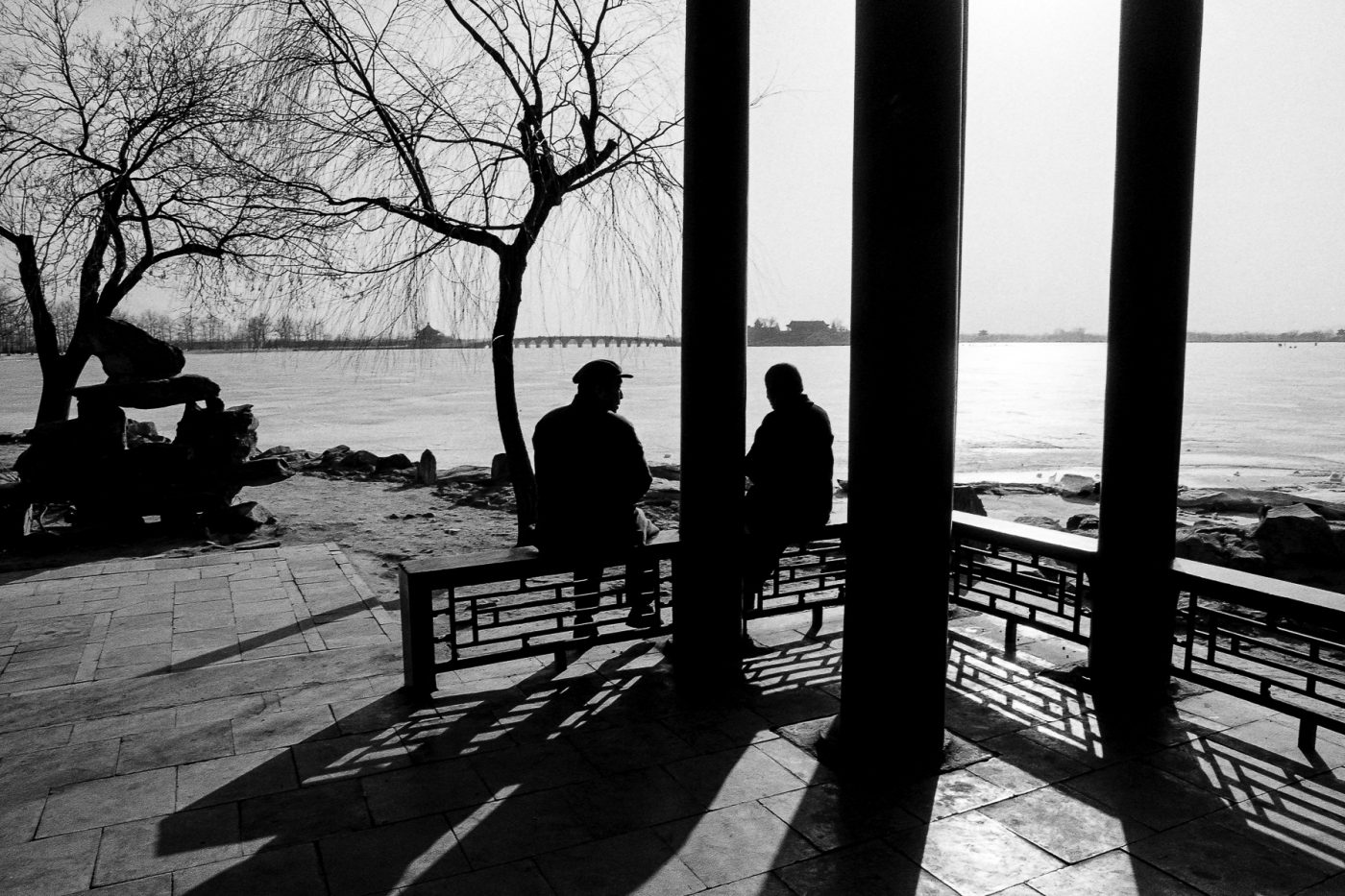
Couples also offer photographers an extraordinary range of creative possibilities. Some favor a documentary approach, seeking to capture spontaneous and unguarded moments. Others carefully construct their images, using light, architecture, geometry, or shadow to reinforce the presence of their subjects. Whether rendered in black and white or in color, whether highly graphic or richly descriptive, the subject retains its emotional power.
This enduring appeal explains why lovers remain such a popular theme in photographic competitions, exhibitions, and portfolios today. In a world often marked by tension, division, and uncertainty, these images remind us of a simple yet profound truth: human beings continue to meet, to love, to support one another, and to build shared moments of happiness.
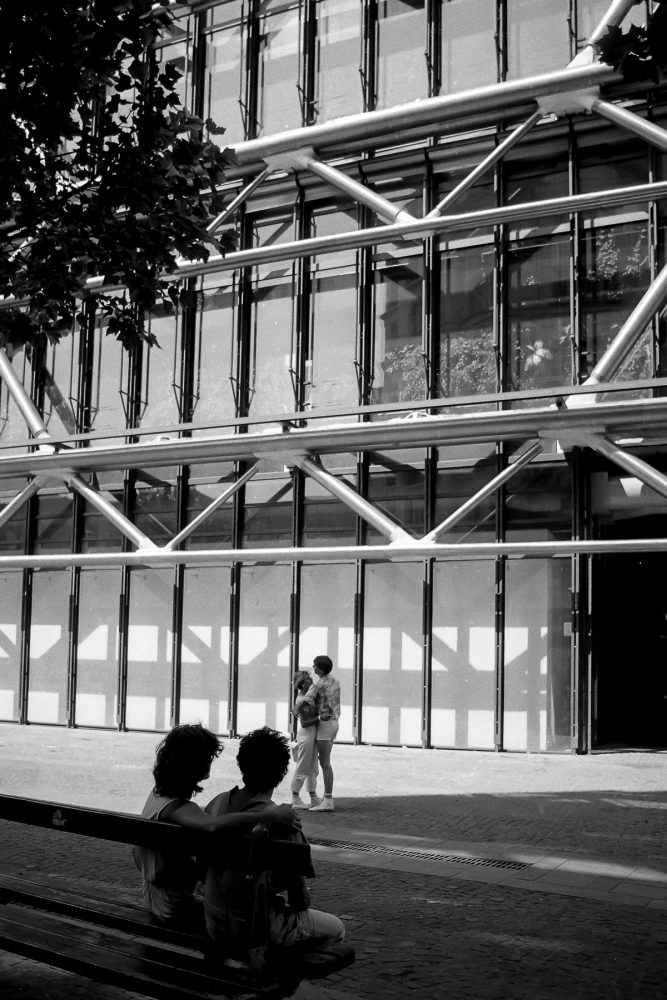
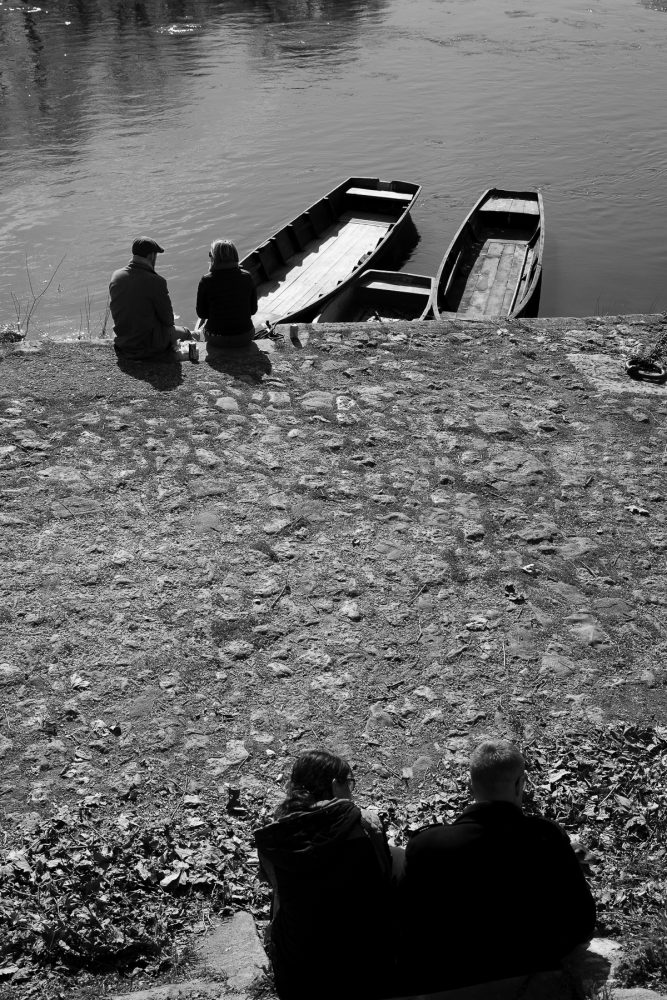
Ultimately, photographing a couple may be one of the most direct ways of photographing humanity itself. Behind every image lies a unique story, but also something that connects us all. A shared glance, a reassuring presence, a hand resting gently on a shoulder can sometimes tell us more about the human condition than the longest of speeches. This is why lovers continue to inspire photographers around the world, and why their images retain, year after year, their enduring power to move us, comfort us, and make us dream.